

Add Row
Add Element

Add Element
Moss Point Gulf Coast Tech
update

Gulf Coast Tech

update
Add Element
  • Home
  • About
  • Categories
    • Tech News
    • Trending News
    • Tomorrow Tech
    • Disruption
    • Case Study
    • Infographic
    • Insurance
    • Shipbuilding
    • Technology
    • Final Expense
    • Expert Interview
    • Expert Comment
    • Shipyard Employee
  • Mississippio
October 28.2025
3 Minutes Read

ABB Powers Scotland’s Electric Ferry Fleet for Sustainable Transport

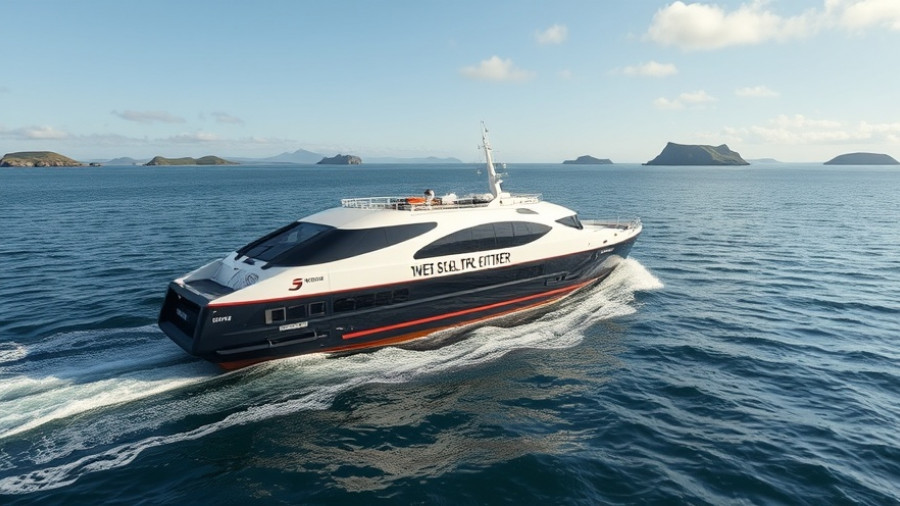
Electric ferry fleet in Scotland cruising past scenic isles.

ABB Powers Scotland’s Maritime Future with Electric Ferries

In a transformative step for sustainable transportation in Scotland, ABB has been awarded a significant contract to supply cutting-edge power distribution and propulsion systems for an all-electric fleet of seven double-ended ferries. These vessels, designed by Remontowa Shipbuilding in Poland, are set to serve the picturesque routes across Scotland’s Clyde and Hebrides regions. Scheduled for delivery between late 2027 and early 2029, these ferries are not just vessels; they symbolize a leap towards a greener, more sustainable future for island communities.

Revolutionizing Ferry Transport with Innovative Technology

Each of the 50-meter ferries will be equipped with ABB’s Compact Onboard DC Grid™ technology, which efficiently integrates the ship's energy system to optimize performance while minimizing space usage. This innovative system enhances energy efficiency and contributes to reducing emissions, aligning perfectly with the Scottish Government's ongoing efforts to decarbonize maritime operations. As noted by Michal Jaguszewski, Director of Commerce at Remontowa Shipbuilding, ABB's expertise in electrification is pivotal in achieving low-emission transportation across Scotland's ferry network.

Enhancing Accessibility to Coastal Communities

The new fleet will enhance service for island and rural communities by accommodating up to 200 passengers and 24 cars at a time, with one specialized vessel supporting 250 passengers alongside 16 cars. By improving transportation access, these ferries will contribute to local economies and bolster tourism while promoting an environmentally-friendly way of traveling.

Connecting Communities & Improving Air Quality

Beyond electrifying the ferries themselves, ABB will also offer shore connection systems at multiple CMAL terminals, starting with Kennacraig and Port Askaig. Once installed, these systems will allow ferries to connect directly to the local electrical grid while docked, eliminating auxiliary engine emissions and significantly enhancing local air quality. This shore-to-ship power solution is expected to pave the way for quieter, cleaner ports across Scotland.

A Sustainable Partnership for the Future

As this ambitious project progresses, it showcases the importance of collaboration between technology providers, shipbuilders, and local authorities. ABB’s persistent innovation within the maritime industry not only positions them as leaders in this technological evolution but also enhances their commitment to sustainability. The successful execution of this project will be a blueprint for future endeavors aimed at creating emission-free maritime transport systems.

Looking Ahead: The Future of Maritime Transportation

The endeavor marks a significant milestone in the UK's broader initiative for cleaner energy solutions within the transport sector. As the demand for greener technologies escalates, projects like this serve as vital steps toward the long-term goal of achieving net-zero emissions in maritime operations. The integration of ABB’s advanced systems reflects the growing global emphasis on sustainability within the maritime industry, making a lasting impact on how communities connect.

In conclusion, Scotland’s investment in an electric ferry fleet not only illustrates the ongoing transition to greener practices but also demonstrates a commitment to preserving its rich environment while enhancing economic prospects for coastal citizens. As the Electric Ferry fleets roll out, they will transport not just goods and passengers, but a vision for a sustainable future.

Trending News

0 Comments

Write A Comment

*
*
Related Posts All Posts
12.13.2025

Potential Mineral Lease Sale Offshore Virginia: A Move Toward Resource Independence

Discover the implications of the potential mineral lease sale offshore Virginia, focusing on critical mineral supply, environmental stewardship, and economic strategy.

12.12.2025

Why We Must Urgently Regulate Livestock Carriers for Safety

Update The Urgent Need for Livestock Carrier Regulation A collective of 36 global animal welfare organizations is taking a decisive stand against outdated regulations governing livestock carriers, highlighting a critical issue that poses severe risks not only to animal safety but also human lives and environmental health. In an urgent letter addressed to the International Maritime Organization (IMO), these advocates are demanding the implementation of binding international regulations to safeguard the welfare of transported animals and the safety of seafarers. Systemic Safety Failures in an Ageing Fleet Current regulations governing the live export industry are alarmingly lax, as evidenced by a fleet that averages an astounding 40 years in age. The recent tragedy involving the MV Spiridon II underlines the predictability of such disasters, as veterinarian Dr. Maria Boada Saña asserts that these incidents highlight systemic safety failures tied to outdated vessels operating without stringent international safety codes. Statistics that Speak Volumes Since 2000, the maritime community has witnessed the tragic loss of at least seven major livestock carriers, which resulted in countless animal fatalities and risked the lives of seafarers. Noteworthy incidents include the Gulf Livestock 1 disaster in 2020, where the loss of human life and animal suffering reached unprecedented levels. These stark realities raise questions: how can we allow a fleet this old and hazardous to continue operating without enhanced regulatory frameworks? Lessons from More Regulated Countries Countries like Australia, New Zealand, India, and the UK have initiated legislative measures banning or phasing out live exports by sea in response to these risks. In contrast, less-regulated nations often evade accountability, creating a dangerous disparity within international maritime operations. This inconsistency allows a dangerous status quo to persist—one where numerous livestock carriers operate without adequate oversight, often discharging untreated animal waste into marine environments. This is a clear violation of the ethical stewardship our oceans demand. Can an International Code Bring Change? Dr. Lynn Simpson, a former live export veterinarian, points out that the less regulated countries' practices undermine the very concept of acceptable mortality rates, permitting them to operate dangerously. To minimize these risks, advocates are urging the adoption of international guidelines akin to Australia's Marine Orders 43, which have already shown improvements in vessel safety. Would implementing such a code significantly mitigate the risks associated with transporting live animals? The Path Forward: Advocacy and Action The time for a serious conversation around livestock transport regulations is now. The need for action is underscored by the recent call from animal welfare organizations for binding international standards affecting vessel design, stability, and animal life support systems. By advocating for robust regulations, we can steer this industry away from its troubling trajectory. Final Thoughts: The Future of Livestock Transport As the global conversation intensifies, it is imperative that stakeholders recognize the necessity of reforming existing policies surrounding livestock carriers. The risks are undeniable and must be addressed to protect both animals and maritime safety. Those who care about animal welfare must lend their voices to this cause. After all, the implications go beyond just the animals involved; they impact myriad facets of our shared environment.

12.11.2025

Unveiling the Risks: The Plight of Fisheries Observers in 'Death at Sea'

Update The Hidden Dangers of Fisheries ObservationThe recent documentary, Death at Sea, directed by Sara Pipernos, uncovers the perilous conditions under which fisheries observers work and highlights the urgent need for change. Observers like Eritara Aati Kaierua, whose tragic death in March 2020 sparked a global outcry, play a crucial role in monitoring fishing activities and ensuring compliance with regulations. Yet, their bravery often puts them in life-threatening situations, as they routinely navigate among crews that may not have their best interests at heart. What It Means to be a Fisheries ObserverFisheries observers serve on fishing vessels to collect data on the health of ocean ecosystems and ensure that laws governing fishing practices are upheld. As noted in the Human Rights at Sea reports, these individuals are essential for combating illegal, unreported, and unregulated (IUU) fishing. However, they often face serious risks: many have been threatened, harassed, or even murdered to silence their reports on the illegality of fishing operations. The Call for Change in Policy and AwarenessThe plight of fisheries observers demands policy reforms and greater awareness. The Death at Sea Justice Campaign launched in 2023 urges authorities to provide adequate protection for observers and enforce stricter investigation protocols following their deaths. Over a dozen fisheries observers have died or disappeared under suspicious circumstances since 2015, advocating for a comprehensive approach to safety in the industry. Public Response and Impact of the DocumentaryDocumentaries like Death at Sea and Fatal Watch have sparked conversations about observer safety and transparency in the fishing industry. They serve as a catalyst for change, encouraging audiences to recognize the bravery of those who work on the frontlines of marine conservation. Through screenings at various venues, including government meetings and film festivals, the documentaries promote vital discussions about the role of fisheries observers. Keeping the Memory Alive: The Impact of StorytellingBy sharing the stories of observers like Eritara Aati Kaierua through film, these documentaries not only honor their memories but also shed light on systemic issues that need urgent address. Storytelling has the power to resonate with a wide audience, pushing for legislative changes and greater rights for those who risk their lives to protect our oceans. Future of Fisheries Observation: A Call to ActionAs the fishing industry faces increasing scrutiny over sustainability practices, it is vital that observers are equipped with the protection and support they need. Stakeholders must address the significant gaps in policies that currently fail to safeguard these brave individuals. The success of future fisheries management relies on ensuring that those who monitor activities at sea can do so without fear for their lives. To learn more about how you can support fisheries observers and drive change in their working conditions, visit Death at Sea for more information and resources.

Terms of Service

Privacy Policy

Core Modal Title

Sorry, no results found

You Might Find These Articles Interesting

T
Please Check Your Email
We Will Be Following Up Shortly
*
*
*