

Moss Point Gulf Coast Tech
update

Gulf Coast Tech

update
  • Home
  • About
  • Categories
    • Tech News
    • Trending News
    • Tomorrow Tech
    • Disruption
    • Case Study
    • Infographic
    • Insurance
    • Shipbuilding
    • Technology
    • Final Expense
    • Expert Interview
    • Expert Comment
    • Shipyard Employee
  • Mississippio
June 21.2025
2 Minutes Read

Adm. Kilby Visits BlackSea Technologies: Powering the Future of US Navy Operations

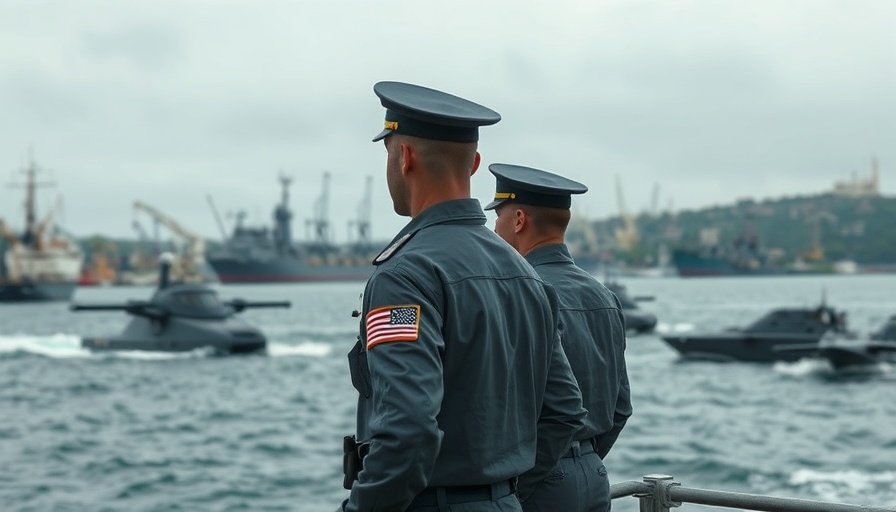
US Navy officers watching unmanned surface vehicles in a harbor.

Acting CNO Adm. Kilby Explores the Future of Naval Technology

During a recent visit to BlackSea Technologies in Baltimore, Acting Chief of Naval Operations Adm. Jim Kilby observed the groundbreaking operations involving small Unmanned Surface Vehicles (USVs) and advanced manufacturing techniques that are reshaping naval capabilities. His visit highlights a pivotal shift in how the Navy is integrating cutting-edge technology to enhance operational readiness and effectiveness.

Embracing Innovation on the Water

BlackSea Technologies stands at the forefront of innovation with its focus on small USVs. These vessels, designed for various missions, are crafted through advanced manufacturing processes that emphasize both efficiency and versatility. Adm. Kilby noted that such innovations could play a crucial role in the Navy's future operations, especially in enhancing surveillance and reconnaissance missions while reducing risk to personnel.

The Importance of Local Partnerships

This visit not only emphasizes technological advancements but also underscores the importance of community and local partnerships in driving innovation. As BlackSea Technologies develops these cutting-edge vehicles, their collaboration with local industries and communities is vital for fostering talent and technology transfer. Enhancing local capabilities contributes to national defense and strengthens community ties, creating a robust ecosystem around naval technology.

What This Means for the Navy

As the Navy continues to adapt to the evolving challenges of modern warfare, the insights gained from such visits are invaluable. By leveraging local technologies and manufacturing strengths, the Navy can respond more rapidly to threats and maintain a competitive edge. Adm. Kilby’s presence at BlackSea Technologies signals a commitment to not only improve operational capabilities but to also embrace a future where innovation and community engagement play central roles.

Looking Ahead: The Future of Naval Operations

This visit is a step forward in a broader strategy that emphasizes modernization through technology. The use of USVs represents just one facet of a larger transformation underway within the Navy, where strategic investments in technology will define the future. The collaboration between the military and private tech firms will likely grow, leading to further advancements in naval operations.

Final Thoughts on Community and Innovation

With leaders like Adm. Kilby engaging with local tech innovators, the future of naval operations holds promise for advancements that could change the way the Navy operates. This community-centered approach not only fosters innovation but also strengthens the bonds needed to face the challenges ahead. As we look toward the future, initiatives like these remind us of the value of collaboration—both in technology and community.

Expert Interview

0 Comments

Write A Comment

*
*
Please complete the captcha to submit your comment.
Related Posts All Posts
05.22.2026

Unlocking Seamless Maritime Operations: Striveworks' AI Updates at Sea

Update Striveworks Transforms Maritime Operations with Real-Time AI Updates In an exciting development for the maritime industry, Striveworks recently showcased its impressive ability to update artificial intelligence systems continuously while at sea. This monumental step forward signals a restructuring of how ship operations will be conducted in the years ahead. The integration of AI, particularly in real-time contexts, reinforces the maritime sector's trend toward greater efficiency and safety. AI-Driven Innovations: Setting Sail into the Future As the maritime world evolves, innovative companies like Striveworks are embracing the potential of AI to enhance operational effectiveness. Continuous AI updates on vessels create a framework for smarter decisions during crucial moments at sea. This strategic edge allows operators to optimize routes, monitor systems promptly, and respond to unexpected conditions without delay. Background: The Digital Transformation of Maritime Operations 2026 is marked by significant advancements in digitalization across the maritime sector. According to industry experts, the incorporation of advanced AI technologies is reshaping how vessels are designed and operated. Striveworks's ability to leverage AI in a maritime environment illustrates this shift. With an emphasis on connected ecosystems, operators can streamline their processes and enhance their adaptability to changing market demands. The Benefits of Implementing Continuous AI Updates The real benefit of real-time AI updates goes beyond mere operational efficiency. These updates empower maritime crews and technical teams by reducing administrative burdens and allowing them to concentrate on critical tasks. This not only enhances safety by offering reliable data insights but also fosters a more collaborative and responsive work environment. Industry Impacts: Future Predictions and Opportunities The maritime industry faces extensive changes as organizations prioritize digital and automated solutions. As noted in recent analyses, businesses that integrate AI-driven innovation will likely secure a competitive advantage, making them more resilient and proactive. Striveworks leads the charge in this crucial transition, ushering in a new era of maritime operations defined by productivity and sustainability. Conclusion: Charting New Waters with Confidence With Striveworks at the forefront of continuous AI updates at sea, the maritime community is poised for transformative changes. This innovation is not just about technology but represents a shared commitment to operational excellence and environmental stewardship. As the industry shifts toward these advanced practices, it’s essential for stakeholders to embrace this momentum for their own journey into the future.

05.19.2026

Navy’s MQ-25A Stingray Secures Milestone C Approval: Impact on Naval Operations

Update MQ-25A Stingray Achieves Major Development Milestone On May 19, 2026, the Navy’s MQ-25A Stingray unmanned aerial system proudly secured its Milestone C approval, an essential step toward low-rate initial production (LRIP). This breakthrough, prompted by the Navy's commitment to advancing its technological capabilities, positions the Stingray as a game changer in naval aviation. Forward-Looking Impact of Unmanned Technology Deploying unmanned systems like the MQ-25A offers a transformative advantage to Navy operations. Acting Secretary of the Navy Hung Cao stated, "Unmanned refueling extends our reach against any adversary." By automating refueling missions, the Stingray allows front-line fighter jets like the F/A-18 Super Hornet to concentrate on offensive capabilities while letting the unmanned aircraft manage essential support roles. The Path to Production: What’s Next? As a result of this new approval, contracts worth millions are expected, with an initial order set for three MQ-25s this summer. This will allow Boeing to ramp up production and work towards further refining the aircraft. The future of naval warfare could very well hinge on the successful integration of the MQ-25 into carrier air wings, as outlined by Troy Rutherford, vice president of Boeing’s MQ-25 program. His words reflect industry optimism: "We remain focused on getting this game-changing unmanned aircraft into the hands of the fleet.""> Broader Implications for Naval Warfare The deployment of the MQ-25A Stingray doesn’t just represent an upgrade in technology but a shift in strategy for the Navy. As military strategists grapple with the nuances of modern warfare, integrating such innovative systems could enhance the lethality and deterrence of the United States Navy’s Carrier Strike Groups. With advancements like these, military leaders can better position themselves globally against potential adversaries. Looking Ahead: What This Means for the Future While the MQ-25’s timeline has faced some delays initially projected for operational capability in 2024, the latest updates suggest that full deployment is anticipated by FY29. This cushion not only allows for enhancements based on ongoing testing but ensures that the naval force is equipped with the very best capabilities when the system is finally operational. The future of naval aviation is not only winged but now also automated; how this will reshape conflict engagements remains a captivating prospect. As this significant phase of unmanned technology unfolds, the implications reach far beyond just the Navy. Each advancement, each operational lesson learned from the MQ-25A Stingray will resonate in airspace across the globe, marking the dawn of an era where unmanned systems augment human operators, ensuring safer and more successful missions.

05.15.2026

How Coast Guard Cutter Tahoma’s Drug Bust Impacts Local Communities

Update Coast Guard Cutter Tahoma: A Bold Stand Against Drug Trafficking The vessel named Coast Guard Cutter Tahoma recently embarked on a remarkable journey that highlights the ongoing battle against drug trafficking in our waters. During its latest patrol, the Tahoma intercepted a staggering haul of cocaine, estimated to be worth over $200 million, effectively crippling a major cocaine distribution network. This operation not only exemplifies the Cutter's commitment to safeguarding our coasts but also underscores the critical role the U.S. Coast Guard plays in national security. A Community Effort to Combat Drug Trade This successful bust serves as a testament to the unwavering efforts of the Coast Guard and their allies in law enforcement. Onboard the Tahoma, the crew demonstrated a steadfast dedication to their mission—protecting our communities from the detrimental effects of drug trafficking. Each operation involves strategic planning and coordination with other agencies, showcasing the power of collaboration in fighting crime. Understanding the Impact of Drug Trafficking Cocaine trafficking poses significant challenges not only at the national level but also in local communities. The drugs fuel violence, addiction, and economic instability wherever they flow. Reducing the supply of such narcotics has the potential to foster healthier, safer neighborhoods. By intercepting these dangerous substances, the Coast Guard plays a pivotal role in generating a more secure environment for families and individuals. Beyond The Waters: The Local Importance of Tahoma’s Mission The story of the Coast Guard Cutter Tahoma resonates well beyond the ocean. It reinforces to local residents the importance of our coast guard forces in their everyday lives. Each interception is not just a noteworthy accomplishment; it represents a commitment to community safety. When nearby neighborhoods are protected from the influx of illegal drugs, it strengthens the fabric of society. Support for Local Law Enforcement Furthermore, the Tahoma's successes provide significant backing to local law enforcement agencies facing the brunt of drug-related challenges. Coordinated efforts can lead to more comprehensive approaches to dealing with drug issues, reinforcing community ties that empower citizens to take part in initiatives that promote wellness and security. Future Endeavors: Continuing the Fight Looking ahead, it is essential that the Coast Guard and local communities keep the conversation going about drug trafficking and its implications. Continued support for initiatives aimed at reducing drug distribution will pave the way for safer shores. The fight against drug trafficking is ongoing, but with dedicated efforts from all parties, there is hope for a brighter future free from the shadows of addiction and crime.

Terms of Service

Privacy Policy

Core Modal Title

Sorry, no results found

You Might Find These Articles Interesting

T
Please Check Your Email
We Will Be Following Up Shortly
*
*
*