

Add Row
Add Element

Add Element
Moss Point Gulf Coast Tech
update

Gulf Coast Tech

update
Add Element
  • Home
  • About
  • Categories
    • Tech News
    • Trending News
    • Tomorrow Tech
    • Disruption
    • Case Study
    • Infographic
    • Insurance
    • Shipbuilding
    • Technology
    • Final Expense
    • Expert Interview
    • Expert Comment
    • Shipyard Employee
  • Mississippio
August 29.2025
2 Minutes Read

Australia's Final Arafura-Class OPV: A Step Forward in Maritime Defense

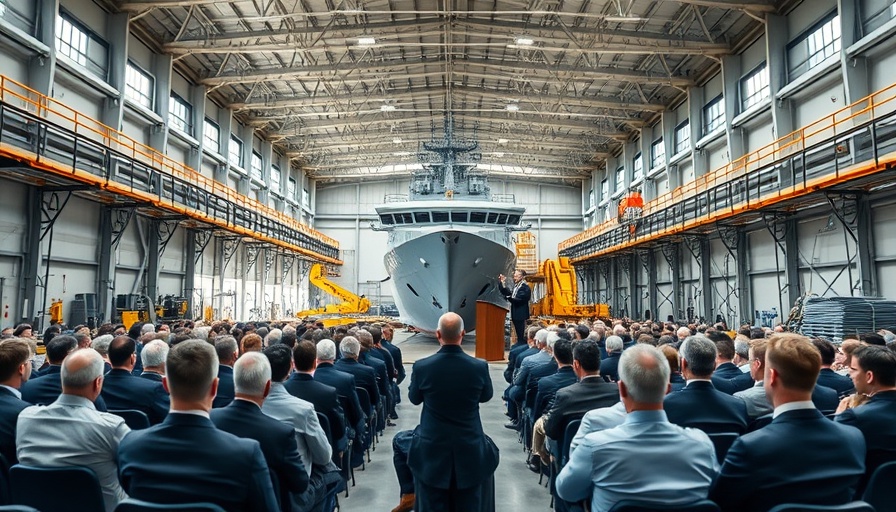
Conference on Arafura-class OPV construction in a large shipyard.

Australia's Maritime Defense Takes a New Turn

In a significant step towards enhancing maritime capabilities, Australia has officially laid the keel for the sixth and final Arafura-class Offshore Patrol Vessel (OPV). This milestone marks a pivotal moment in the Royal Australian Navy's (RAN) journey towards building a fleet designed for modern operations. With the project spearheaded by the Australian government, the Arafura-class vessels symbolize a commitment to national security and regional stability.

Exploring the Arafura-Class OPVs

The Arafura-class OPVs are characterized by their versatility in fulfilling various roles, from coastal patrol to humanitarian assistance. Each vessel is equipped with advanced technologies to support tasks such as maritime security, surveillance, and environmental protection. These vessels helpAustralia adapt to the ever-evolving challenges faced in the Indo-Pacific region, reinforcing naval presence and authority.

The Significance of Indigenous Shipbuilding

One of the standout features of the Arafura-class program is its commitment to local shipbuilding. By utilizing domestic suppliers and shipyards across Australia, the project not only fosters economic growth but also enhances the country's technical expertise in naval construction. This indigenous approach is vital in ensuring that Australia can maintain operational independence and agility amid global uncertainties.

A Look at Future Implications

As the final keel laying for the Arafura-class OPV showcases, Australia's naval strategy is increasingly attuned to the complexities of international relations. With heightened tensions in the Indo-Pacific, the RAN has the opportunity to leverage these new vessels for critical operations in maintaining peace and security. Stakeholders aim to see a fleet that can respond rapidly and effectively to any emerging threat or humanitarian crisis.

Community Engagement and Support

The launch of the Arafura-class OPVs has not only technological implications but also significant social connections. Engaging local communities and promoting awareness of defense initiatives are essential steps. By inviting public interest and support, the Navy fosters a stronger bond with citizens, ensuring that maritime goals align with community values.

What Comes Next?

The rollout of these vessels indicates a shift towards a more robust maritime defense structure. As Australia prepares for future challenges, it is crucial for both the government and the RAN to integrate innovative technologies and sustainable practices into naval operations. Considerations for environmental impact and changing international policies will play a significant role in shaping Australia’s naval strategy moving forward.

Actionable Insights for Readers

Understanding the implications of military advancements in shipbuilding can inspire individuals to stay informed about national security matters. Awareness about such developments can empower citizens to engage with policy discussions and contribute to shaping Australia's future. This is more than just a naval operation; it's about fostering a sense of shared responsibility for national identity and security.

The recent laying of the Arafura-class OPV's keel serves as an important reminder of the evolving maritime landscape. As stakeholders get closer to launching operational vessels, it remains vital to keep the lines of communication open between the Navy, government, and communities.

Tech News

0 Comments

Write A Comment

*
*
Please complete the captcha to submit your comment.
Related Posts All Posts
04.18.2026

Why the US Approved the AEGIS/SPY-6 Sale to Germany Matters

Update Understanding the Significance of the AEGIS/SPY-6 Package for Germany In a pivotal move for European naval defense, the United States has approved the potential foreign military sale (FMS) of the AEGIS and SPY-6 combat systems to Germany, estimated at a hefty $11.9 billion. This sale, which is part of Germany's broader F127 frigate program, not only aims to strengthen Germany’s maritime defense capabilities but also to bolster NATO's collective security stance in response to evolving global threats. Why This Sale Matters Now The urgency of this acquisition is underscored by the increased threats faced by NATO allies. Germany's decision to expand its fleet of AEGIS-equipped frigates from six to eight reflects a strategic response to the changing security dynamics in Europe. This includes the proliferation of unmanned systems and advanced missile threats which require sophisticated countermeasures. Lockheed Martin and RTX will be the primary contractors for the AEGIS package, which includes advanced radar systems and integrated combat systems designed to enhance Germany’s naval warfare capabilities. The integration of such technology represents not just a shift towards U.S.-developed systems but also signals a significant upgrade from Germany’s existing European platforms. What's Included in the AEGIS Package? The AEGIS/SPY-6 package is highly comprehensive, featuring an array of systems designed for both offensive and defensive operations. Key components include: Eight sets of AEGIS-based Integrated Combat System MK 6 MOD X computing infrastructures. Active Electronically Scanned Array S-band radars (AN/SPY-6(V)1). Vertical Launch Systems (Mk 41) equipped for missile defense. Cooperative Engagement Capability systems for enhanced interoperability. Support elements including technical training, logistics, and spare parts. The inclusion of items like advanced naval gun mounts and electronic warfare systems indicates a robust approach to addressing modern naval threats, making these frigates capable of defending against aerial and missile threats while contributing to NATO's overall defense strategy. Implications for NATO and European Security This sale is more than just a bilateral defense transaction; it represents a strategic alignment of NATO allies as they face shared challenges. Strengthening Germany's military capabilities directly contributes to political stability and security in Europe. Improved interoperability with U.S. and allied forces in joint operations further enhances readiness to respond to potential threats. Moreover, Germany's commitment to the AEGIS system signals a notable shift in naval technology preferences, which could influence defense procurement strategies across Europe. The reliance on U.S. systems could prompt other nations to reevaluate their own military collaborations and defense appropriations in the era of renewed competition for global influence. Future Predictions: What Lies Ahead? With the expected delivery of these advanced systems, Germany is on track to modernize its naval fleet significantly by the mid-2030s. This modernization effort may lead to increased defense spending and a greater emphasis on missile defense capabilities across NATO, as more countries seek similar systems. Furthermore, as the global security landscape continues to evolve, the prospects for increased military collaboration among NATO allies seem promising. The lessons learned from Germany's acquisition may serve as a blueprint for other nations looking to bolster their defense capabilities. Conclusion: Taking Action for a More Secure Future For anyone interested in defense technology and geopolitics, understanding the implications of this FMS is crucial. The AEGIS sale to Germany is a clear message of commitment towards collective defense amid a tumultuous geopolitical landscape. Vigilance and preparedness are now more essential than ever for maintaining peace and security in Europe. Stay informed about developments in global defense technologies as nations continue to adapt to new threats and leverage military innovations to secure their interests.

04.18.2026

Understanding the New Medium Landing Ship Design by the Marine Corps

Update The Marine Corps Unveils Its New Medium Landing Ship This week, the U.S. Marine Corps took a significant step into modern amphibious warfare by releasing a video showcasing their innovative Medium Landing Ship (LSM). Crafted to enhance the Corps' operational capabilities, this vessel marks a shift from traditional naval approaches and underscores the importance of mobility in contemporary military engagements. Design Overview of the Medium Landing Ship Based on the Damen Shipyards Group’s proven LST 100 model, the new LSM is approximately 100 meters long and has a range of about 3,400 nautical miles. This versatile ship is designed to transport over 800 tons of cargo, including troops, vehicles, and fire support assets, directly to shorelines without the need for established ports. Its ability to beach itself on unimproved shores represents a significant tactical advantage, allowing the Marine Corps to circumvent densely fortified enemy positions in contested regions. Strategic Implications of the LSM In an era of growing military tensions in the Indo-Pacific, where U.S. forces are focused on countering China's expanding influence, the LSM serves as a critical asset for establishing and maintaining a forward presence. The Marine Corps presents the LSM not as a traditional amphibious assault ship, but as a complement to larger fleets, enhancing support operations in isolated environments. This capability aligns closely with the Marine Corps’ evolving “sea denial” strategy, which prioritizes making the operational environment unpredictable for adversaries, complicating their movements, and creating strategic pressure without necessarily controlling the seas outright. The LSM in the Context of Readiness The introduction of the LSM also responds to readiness challenges within the existing amphibious fleet. A report from 2025 highlighted the decline in readiness rates attributed to maintenance delays and aging vessels. The LSM's design allows the Marine Corps to field additional logistics capabilities swiftly, filling gaps in transport and distribution operations as they continue to face fleet readiness shortfalls. Technological Features Enhancing Efficiency Equipped with a flight deck capable of supporting unmanned aerial systems, the LSM is poised to augment operational intelligence without extending its physical footprint. This advancement will enhance situational awareness in front-line areas, allowing Marines to monitor movements and plan operations more effectively. As warfare evolves, adaptations like drone operations from these ships offer increased flexibility in reconnaissance and operational execution. Broader Navy Initiatives: The Golden Fleet Concept Interestingly, the development of the LSM aligns with broader discussions within the Navy about future shipbuilding initiatives, notably the controversial “Golden Fleet” concept, which envisions a new class of large battleships. However, the LSM represents a more pragmatic, cost-effective approach to enhancing U.S. amphibious capabilities—one that prioritizes agility, dispersal, and operational redundancy, compared to the high-value targets posed by larger vessels. The Path Forward: A New Era of Naval Warfare As the Marine Corps continues to innovate with vessels like the LSM, it signals a transformative approach to naval strategy that embraces mobility over sheer size and firepower. The emphasis is shifting toward distributed operations that can maintain a presence in sensitive areas, ensuring U.S. forces are equipped to manage contemporary threats effectively. This strategic evolution in amphibious design will be critical as the U.S. prepares for an increasingly complex global security landscape. Conclusion: The Importance of Adaptation in Military Strategy The unveiling of the Medium Landing Ship serves not only to showcase cutting-edge naval engineering but also to reflect a significant shift in military strategy—a move toward greater adaptability and persistence in warfare. As military operations continue to evolve, vessels like the LSM will be vital in ensuring that the Marine Corps remains responsive to emerging threats and capable of executing its mission across diverse operational theaters.

04.17.2026

Unveiling Émile Bertin: The French Navy's Latest BRF Supply Ship

Update The Launch of Émile Bertin: A Landmark for the French Navy In a significant event for naval operations, Chantiers de l’Atlantique has officially launched the third BRF supply ship for the French Navy, named Émile Bertin. This vessel is part of a cooperative logistics support initiative with Italy, designed to enhance naval operations and bolster France's military capabilities. The launch took place at the Chantiers de l’Atlantique shipyard in Saint-Nazaire, attended by representatives from various branches of the military, government officials, and international partners. This collaboration not only highlights the commitment toward strengthening European naval forces but also underscores the importance of logistics in modern warfare. Understanding the BRF Program's Importance The BRF, or Bâtiment de Ravitaillement Ferrailleur, programme aims to deliver a fleet of six logistic support ships. These ships are vital for extending the French Navy's operational reach and capability to support maritime operations globally. With Émile Bertin as the fifth vessel of the program (third for France), it signifies ongoing progress in the procurement of these essential naval assets. The ship will play an important role in supporting missions, ensuring that naval groups have the necessary supplies and equipment without needing to return to port. Technical Specifications and Features of Émile Bertin Émile Bertin is designed with advanced logistics capabilities, setting it apart from its predecessors. The ship boasts an impressive range of features aimed at operational efficiency. It can carry significant quantities of fuel and can transfer supplies to naval fleets at sea, allowing for sustained operations without interruption. With a hefty displacement of approximately 31,000 tonnes and a length of 194 meters, this vessel reflects the shift in naval design towards larger, more capable ships. Tribute to Émile Bertin: A Historical Perspective Named after Émile Bertin, a pioneering naval engineer, the ship honors the legacy of innovation tied to French naval engineering. Bertin's contributions to naval architecture in the early 20th century laid the groundwork for modern warship design, underscoring the historical relevance of the ship’s name. This not only provides a way to remember past achievements but also inscribes a guiding ethos for future endeavors in naval technology and innovation. Enhancing Collaboration and Interoperability The launch of Émile Bertin aligns with broader European strategies aimed at enhancing military interoperability, particularly within NATO frameworks. Darren Ash from OCCAR reiterated the importance of continued collaboration between the French and Italian navies, signifying a shift towards a more integrated European defense posture. Such collaboration enables enhanced operational flexibility and ensures that European naval forces can collaborate seamlessly in multi-national operations. Future Trends in Naval Logistics As naval warfare evolves in complexity, the need for efficient logistical support grows. The development of ships like the Émile Bertin not only strengthens national defense but represents a strategic pivot towards enhancing capabilities in contested environments. The ability to operate in scenarios that require sustained logistical support prepares the French Navy for future conflicts where conventional resources may be stretched thin. The insights gained from operating such vessels will likely influence future designs and operational approaches across global navies. As we look forward to more ships like Émile Bertin entering service, it’s important to recognize how such developments affect strategic military thinking and international naval relations. This ship, poised to enter the fleet by mid-summer 2027, will further solidify France’s standing as a key player in global naval logistics and enhance its capabilities to operate effectively in various theaters worldwide.

Terms of Service

Privacy Policy

Core Modal Title

Sorry, no results found

You Might Find These Articles Interesting

T
Please Check Your Email
We Will Be Following Up Shortly
*
*
*