

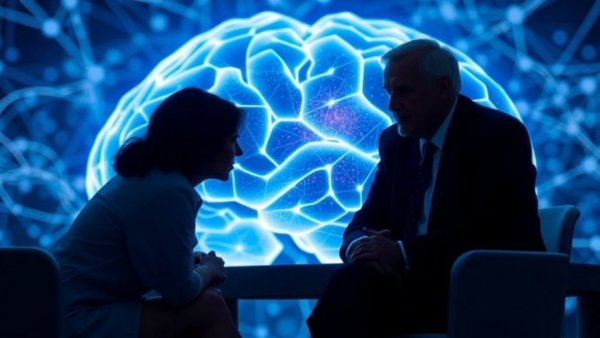
The Quest for Cognitive Immortality: A New Frontier in Tech
In a world where technology is ever-evolving, some pioneers are pushing the boundaries of what it means to preserve the human mind. The tantalizing idea of cognitive immortality—keeping our consciousness alive beyond physical death—is the focus of cutting-edge discussions among tech leaders and biomedicine experts.
Understanding Cognitive Continuity
Cognitive immortality revolves around maintaining a continuity of self. Innovative thinkers in the tech and medical fields, such as Mary Beth Griggs and Antonio Regalado from MIT Technology Review, explore radical concepts like gradual brain replacement or the possibility of uploading memories to cloud storage. These ideas might seem like science fiction, yet they represent the frontier of potential transformations within healthcare and technology.
The Role of Disruptive Technologies
Disruptive technologies, like artificial intelligence and biotechnology, play a pivotal role in the quest for cognitive immortality. Today’s advancements allow us to explore the intricacies of the human brain more deeply than ever before. For example, AI tools capable of reconstructing thoughts from brain scans demonstrate a future where our innermost perceptions could be captured and preserved. The implications of such technologies challenge our very definitions of life, consciousness, and memory.
Ethical Considerations and Public Sentiment
As we delve deeper into the realm of cognitive preservation, ethical questions arise. What does it mean for identity when memories can be stored and potentially manipulated? The public's readiness to embrace such technologies is a crucial factor in their implementation. Are we prepared to engage with a future where our digital selves could outlive our physical bodies? The conversations sparked by these questions not only highlight the importance of ethical discourse but also the emotional weight this technology carries.
Real-world Applications and Future Trends
Trends in cognitive technology reflect a growing interest in the aging population and those concerned about neurodegenerative diseases. Innovative applications are emerging, such as memory enhancement devices and platforms that allow users to document personal narratives in meticulous detail. These solutions not only promise to enhance our lives but also offer comforting notions of legacy and remembrance for loved ones. As we look toward 2025 and beyond, the integration of these technologies will likely impact various sectors, including healthcare and beyond, leading to actionable insights for professionals in the field.
Conclusion: Embracing the Future Together
While the notion of cognitive immortality may seem daunting, it is crucial for individuals and industry leaders alike to engage in these discussions. By navigating the complex terrain of these emerging technologies, we can prepare for the possibilities they hold, understanding both the transformative potential and the ethical challenges they present. Together, we are poised to shape a future where technology enhances the essence of human experience.
Interested in exploring more about how emerging technologies are transforming the way we think about longevity and cognitive preservation? Stay updated with the latest insights and trends in technology that define our lives today!




Write A Comment