

When you imagine American ingenuity at work, do you picture thousands of dedicated professionals in Pascagoula, Mississippi, forging the world’s most advanced heavy icebreakers for the U.S. Coast Guard? Bollinger’s workforce in Pascagoula, MS —over 3,000 strong—is rewriting the narrative of shipbuilding excellence while powering the Gulf Coast’s economic engine and strengthening national security. This article dives into their pivotal contributions, community impact, and how their labor shapes both the coast and our nation’s future.
-
The intricacies of Bollinger’s workforce structure
-
The connection between Mississippi shipbuilding and national security
-
Why Pascagoula is pivotal for heavy polar icebreaker capabilities
How Bollinger’s Workforce in Pascagoula, MS is Redefining Mississippi Shipbuilding Excellence
At the heart of Mississippi shipbuilding lies the Bollinger Shipyard in Pascagoula, a vibrant hub where tradition meets technological innovation. The Bollinger’s workforce in Pascagoula, MS includes welders, pipefitters, project managers, engineers, and more, all collaborating to deliver industry-leading polar security cutters and heavy icebreakers. Their accumulated expertise allows the region to produce vessels of unmatched durability and sophistication, uniquely positioning Pascagoula on the world stage for maritime engineering.
The synergy between advanced manufacturing technologies and hands-on craftsmanship is redefining what’s possible in ship construction. Through aggressive workforce development , ongoing investments in training, and implementing state-of-the-art processes, the team in Pascagoula achieves productivity levels previously unseen in the Gulf Coast. In addition, this labor force isn't just ensuring high output—they’re cultivating a culture of pride, resilience, and excellence in every step of the shipbuilding process, placing Bollinger Mississippi Shipbuilding at the forefront of the industry.
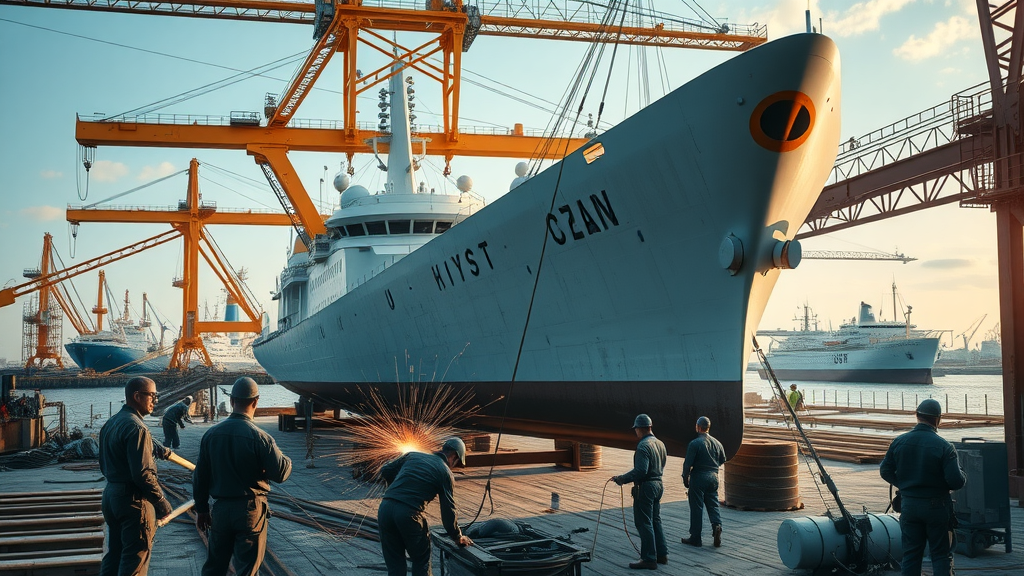
"Did you know that over 3,000 skilled professionals at Bollinger’s Pascagoula facility contribute directly to the US Coast Guard’s advanced Heavy Polar Icebreaker fleet every day? This workforce anchors Mississippi’s maritime prowess in the global spotlight."
Why Bollinger’s Workforce in Pascagoula, MS Matters: Unpacking the Community and Economic Impact
The economic ripple effects of Bollinger’s workforce in Pascagoula, MS are as substantial as the ships themselves. By generating thousands of high-paying jobs—from new apprenticeship opportunities to senior project roles—the facility is a catalyst for upward social mobility and sustained growth throughout the Mississippi Gulf Coast area. Investments from contract modification agreements continue to expand operations, multiplying both direct and indirect benefits for local businesses, schools, and civic organizations.
Beyond economics, there’s the irreplaceable social fabric formed by the shipyard’s presence. Regular community events, educational partnerships, and workforce training programs empower residents and knit families closer to Pascagoula’s industrial heart. As the region grows, the prosperity and stability afforded by Bollinger's ongoing projects continue shaping futures, enhancing family livelihoods, and anchoring Pascagoula’s reputation as a standard-bearer of American shipbuilding.

The Crucial Role of Bollinger Shipyards and Pascagoula, Mississippi in Driving Local Growth
Bollinger shipyards stand as pillars of local development in Pascagoula, Mississippi. Their unparalleled commitment to the region has fostered enduring relationships with educational institutions for workforce pipeline development, ensuring high school graduates and local residents alike can access skilled careers in Mississippi shipbuilding . The shipyard’s success radiates through Main Street businesses, real estate markets, and public infrastructure, fueling a virtuous cycle of regional progress.
With every vessel launched, the positive reputation of Pascagoula as a world-class shipbuilding city expands. The workforce’s spirit of collaboration and diligence exemplifies what communities can accomplish when public and private sectors unite. As a result, generations are empowered with economic opportunity, reinforcing the region’s identity as a cornerstone of the Gulf Coast’s enduring legacy in maritime engineering.
Magnifying Opportunities: Contract Modification and Skilled Labor Expansion at the Pascagoula Shipyard
Key contract modification initiatives—such as those related to the PSC program —have directly led to facility upgrades and staff expansion. With each new project phase or extension, Bollinger’s hiring surges, consistently drawing skilled workers from across Mississippi and beyond. This focus on expansion doesn't just mean more jobs; it means greater diversity of skills, deeper specialization, and stronger cross-functional teams.
Bollinger’s approach to talent acquisition and retention amplifies these benefits. Through apprenticeships, on-the-job training, and engagement with trade schools, they create a robust pipeline for key roles from engineering to fabrication, helping secure Mississippi’s future in global shipbuilding. Such strategic workforce growth sustains Pascagoula’s leadership position in the continually evolving industry of heavy polar icebreaker construction.
"Pascagoula, Mississippi Shipbuilding isn’t just about ships — it’s about futures, families, and the enduring legacy of American engineering."
Bollinger’s Workforce: The Backbone of US Coast Guard Polar Security Cutter Construction
At the heart of U.S. national security and Arctic readiness is the construction of the revolutionary Polar Security Cutter at Bollinger’s Pascagoula facility. Here, skilled craftsmen and women bring together decades of talent—assembled under the banner of Bollinger Mississippi Shipbuilding —to deliver some of the world’s most complex vessels for the U.S. Coast Guard .
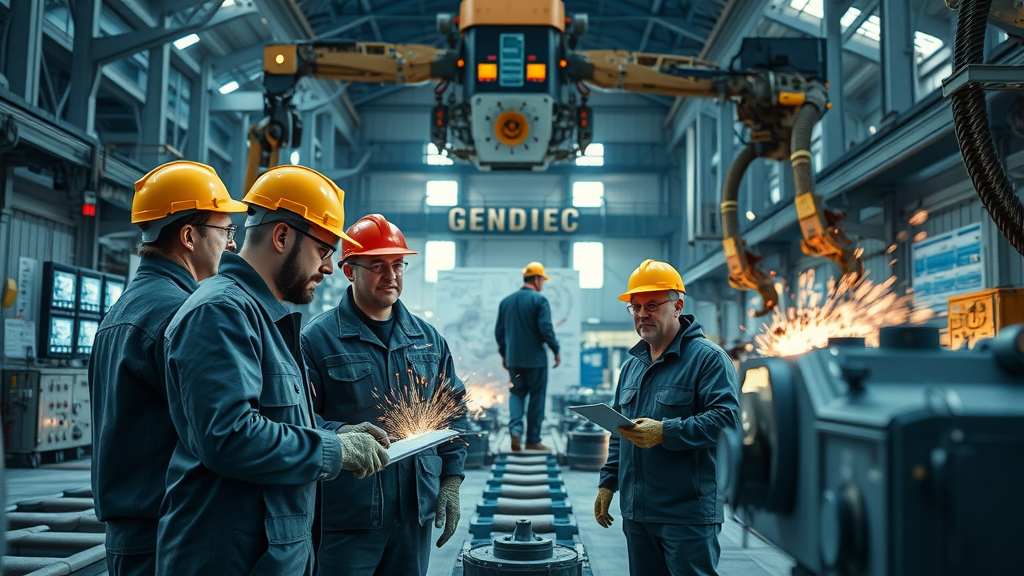
Every phase, from cutting steel to the final integrity checks, relies on meticulous attention to detail and a culture of safety. The workforce deploys advanced robotics, digital modeling, and precision welding to meet the demanding specifications of the PSC program . This blend of innovation and tradition makes Pascagoula a singular force—one uniquely suited to address America’s needs for polar security, heavy ice, and future maritime challenges.
Building Heavy Icebreakers and Polar Security Vessels: Skill, Precision, and Teamwork
Constructing a heavy icebreaker or polar security cutter is a feat that demands more than technical know-how; it requires seamless teamwork and unwavering dedication. Across the Pascagoula yard, skilled tradespeople—welders, electricians, naval architects, and more—unite in a series of precisely orchestrated steps. Each contributor understands their work has critical national implications, from enabling Coast Guard operations in the polar regions to upholding the legacy of American engineering .
Their ability to consistently deliver quality under tight deadlines ensures that the fleet is ready to protect sensitive waters and respond to new geopolitical realities in the Arctic. The pride and sense of purpose within this workforce are palpable, creating a resilient and innovative team prepared for evolving defense and humanitarian demands.
Inside the Heavy Polar Icebreaker Projects: From Polar Star to the Next Generation
The lineage of the Polar Star and the ambitious next-generation icebreaker projects illustrates a story of adaptation and technical progression. Bollinger Shipyard professionals continually evolve their approach—harnessing new materials, sophisticated modeling tools, and lessons learned from decades of extreme environment operations. This evolution is evident in every rivet, weld, and design enhancement aimed at maximizing vessel longevity and crew safety in the world’s harshest waters.
The continuous improvement cycle fuels the yard’s global reputation, with each completed project signaling not just mission achievement but the ongoing vitality of Pascagoula’s skilled workforce. This unbroken chain of excellence underpins America’s strategic deployment capabilities in the polar regions and cements Pascagoula as an undisputed heavy icebreaker leader.
Bollinger Shipyards as a Trusted Partner: Delivering Critical Security Cutter Assets
As a proven partner to the U.S. government, Bollinger Shipyards has earned a reputation for delivering complex security cutter assets on time and within budget. Their workforce’s reliability builds trust at the highest levels, while the ships themselves serve as floating ambassadors of American know-how. Every security cutter constructed in Pascagoula translates Mississippi labor hours into strengthened national resolve on the world stage.
Clients, from defense officials to commercial partners, recognize the value generated by Bollinger’s people and processes. This trust drives repeat business, continuous contract awards, and ongoing innovation—a rising tide that benefits the workforces, communities, and stakeholders invested in Pascagoula's ongoing success.
-
Bollinger’s workforce in Pascagoula, MS supports national security through Polar Security Cutter production.
-
Economic development echoes through job creation and local investments.
-
Expertise in heavy icebreaker and security cutter shipbuilding is unique to the region.
The Human Engine: Stories of Bollinger’s Workforce in Pascagoula, MS
Beneath the hulls and steel beams, it’s the stories of individuals and families that breathe true resilience into Pascagoula’s shipyard legacy. Each welder, engineer, and manager across Bollinger’s workforce in Pascagoula, MS carries forward both the skills of their craft and a personal dedication to their community. Their pride is visible in every finished vessel, every team accomplishment, and every mentorship relationship forged on the production floor.
The journey from front-line worker to leadership is a common and celebrated arc within Bollinger Mississippi Shipbuilding . By empowering employees through professional development and advancement opportunities, Bollinger ensures each ship built not only furthers the Coast Guard ’s mission but also strengthens the local economy through individual career growth.
Personal Perspectives: From the Production Floor to Leadership at Bollinger Shipyards
From the first torch spark to a vessel’s maiden voyage, every team member knows their role is essential. Take, for example, a seasoned project manager who began as an apprentice two decades ago or the second-generation welder whose skills mirror those of a parent who once steered VT Halter projects. This intergenerational commitment keeps values of integrity, discipline, and innovation thriving on every shift.
Such personal narratives underscore what makes Bollinger’s workforce a national asset—the blend of opportunity, tradition, and a forward-looking mindset that defines both Pascagoula and the American shipbuilding industry.
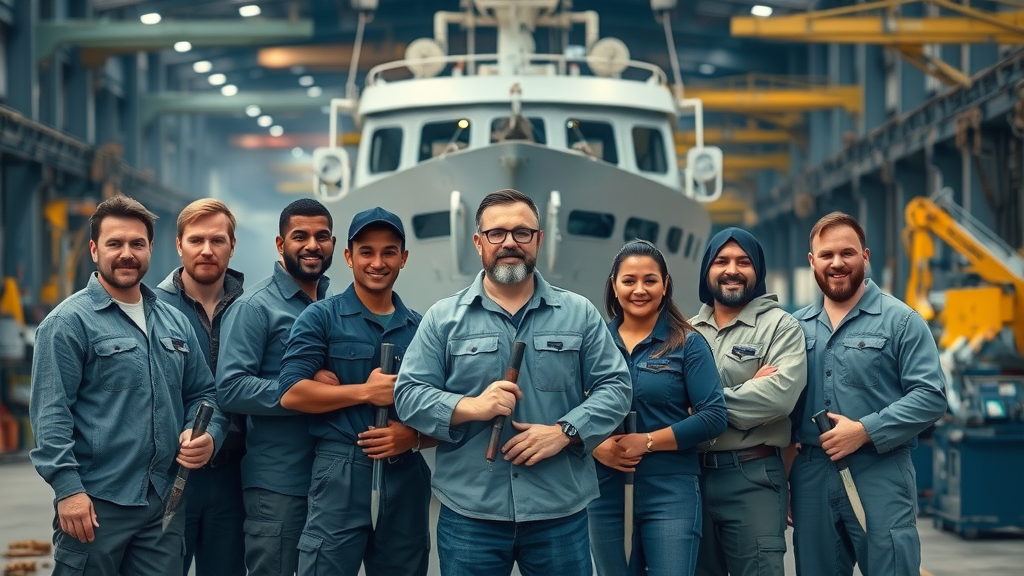
"Every ship that leaves the Pascagoula yard carries with it the pride and craftsmanship of hundreds of Mississippi families."
Comparative Impact: Bollinger’s Workforce in Pascagoula, MS vs. Other Major Shipyards
|
Shipyard Workforce Size |
Annual Output |
Major Projects |
|---|---|---|
|
Bollinger Pascagoula |
3,000+ |
Polar Security Cutter, Heavy Icebreaker |
|
Northrop Grumman Ingalls |
11,500+ |
Navy Destroyers, Amphibious Assault Ships |
|
Fincantieri Marinette |
1,500+ |
Littoral Combat Ships |
The Strategic Value: How Polar Security, Heavy Ice, and Security Cutter Programs Drive Innovation in Pascagoula
Bollinger’s focus on polar security , heavy ice navigation, and advanced security cutter construction has fueled a wave of innovation on the Mississippi Gulf Coast. By leveraging cutting-edge technology—AI-powered design, robotic welding arms, advanced coatings resistant to polar extremes—the facility ensures that each vessel delivered is not just robust, but future-ready. This ongoing evolution is what helps the U.S. maintain its polar presence, projecting capability and confidence in increasingly contested waters.
Training and upskilling remain central to this strategic edge. Workforce members access opportunities for continual learning, adapting to the latest shipbuilding techniques while also mentoring the next generation of Mississippi talent. As international interest in the arctic intensifies, these competitive strengths are more vital than ever.
Technology, Training, and Polar Security Cutter Excellence at Bollinger Mississippi Shipbuilding
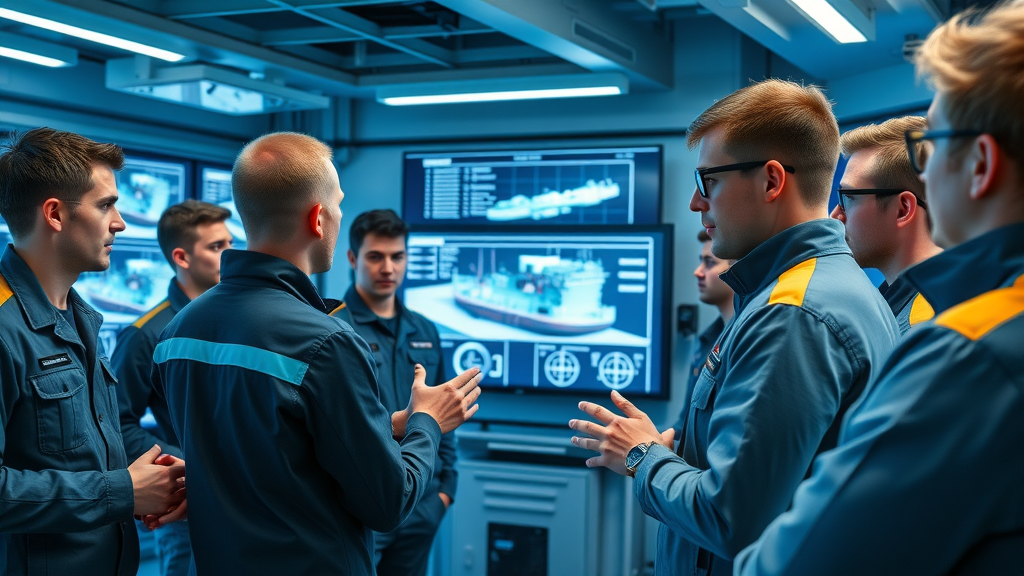
Investment in workforce development remains non-negotiable at Bollinger. State-of-the-art training labs, virtual ship models, and simulated construction phases ensure employees master every nuance of the polar security cutter program. This digital-first approach boosts both efficiency and safety, empowering staff to troubleshoot, innovate, and deliver the Coast Guard’s assets on time and on budget.
As Bollinger continues to incorporate new materials and processes, apprentices and seasoned professionals alike lock arms in their commitment to quality. The result? Unmatched readiness to tackle the complexities of tomorrow’s vessels, season after season.
Polar Security Cutter and Coast Guard Partnerships: Advancing U.S. Arctic Operations
Collaboration between the U.S. Coast Guard and Bollinger’s workforce is about far more than vessel delivery—it’s about national vision. Every security cutter that launches expands America’s strategic scope in the polar regions by enabling scientific research, resource protection, and critical defense operations. Pascagoula’s enterprise becomes the nation’s shield in Arctic and Antarctic waters, projecting power and providing humanitarian assistance wherever needed.
These partnerships guarantee that Bollinger’s legacy will be written not just in steel, but in the enduring security and prosperity of the United States itself—a testimony to the people of Pascagoula and their unwavering commitment to a greater mission.
"Bollinger’s workforce in Pascagoula, MS is the engine behind America’s ability to project power and resilience in the Arctic and beyond."
Frequently Asked Questions about Bollinger’s Workforce in Pascagoula, MS
-
How many people does Bollinger employ in Pascagoula, MS? Bollinger’s Pascagoula facility employs over 3,000 skilled professionals, ranging from welders and fitters to engineers, supporting both current and upcoming polar security and heavy icebreaker projects.
-
What types of vessels are built by the Pascagoula workforce? The Pascagoula workforce constructs heavy polar icebreakers, polar security cutters, and other specialized vessels critical for the Coast Guard and U.S. national security initiatives, often with unique capabilities for polar and Arctic missions.
-
How does Bollinger support community development in Mississippi? Through local hiring, educational partnerships, apprenticeships, and active community engagement, Bollinger has become a backbone of economic stability and opportunity on the Mississippi Gulf Coast.
-
What is the significance of the Polar Security Cutter for the Coast Guard? The Polar Security Cutter is essential for maintaining America's presence in polar regions; these robust vessels support defense, research, and safety missions in harsh environments where U.S. interests are at stake.
-
What makes the workforce’s skill set unique within the maritime industry? Bollinger’s workforce is distinguished by their experience building advanced, ice-capable ships, and by their ability to integrate new technologies and adapt rapidly to evolving defense requirements—making them leaders in polar and heavy ice shipbuilding.
People Also Ask
What jobs are available at Bollinger’s Pascagoula facility?
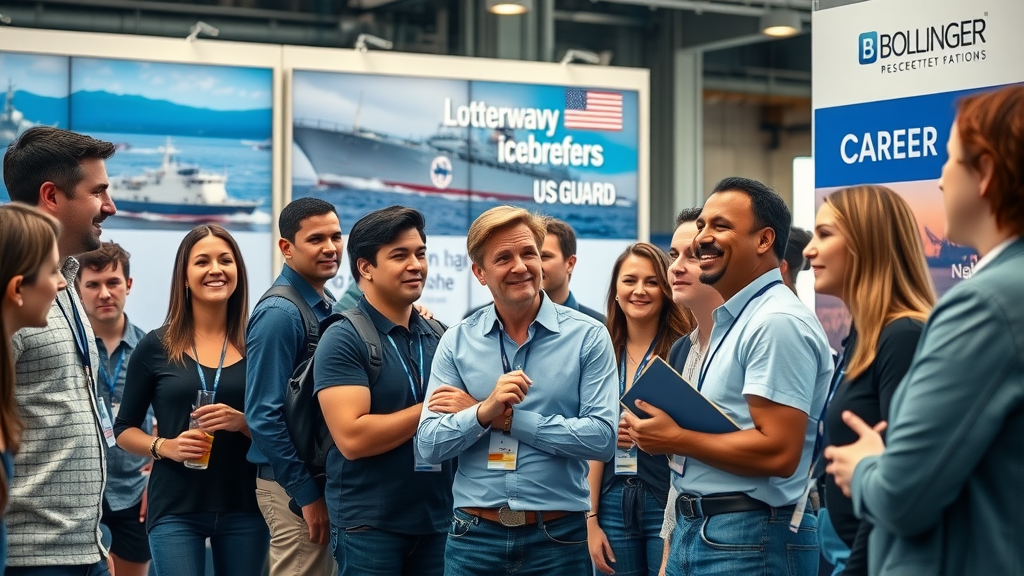
Bollinger’s Pascagoula facility offers skilled trade roles (welders, pipefitters, electricians), project management, engineering, quality assurance, and support positions, all crucial to the heavy polar icebreaker and security cutter programs. Workers of diverse backgrounds and experience levels contribute to Bollinger’s reputation for quality and reliability. The focus on both traditional skills and advanced technical knowledge makes the workforce exceptionally adaptable.
How does Bollinger’s workforce contribute to the Coast Guard and national security?
The workforce’s expertise ensures on-time and on-budget delivery of advanced polar security cutters and heavy icebreakers, directly supporting the Coast Guard’s mission and U.S. presence in strategic waters. By maintaining a pipeline of qualified talent and leveraging advanced manufacturing processes, Bollinger assures readiness for evolving defense challenges. Their work is a direct investment in both homeland security and maritime sovereignty.
Envisioning the Future: The Lasting Impact of Bollinger’s Workforce in Pascagoula, MS
Innovation, Sustainability, and the Next Generation of Mississippi Shipbuilding
As environmental demands rise and operational theaters expand, Bollinger Mississippi Shipbuilding remains on the cutting edge of sustainable design and construction. Investments in green technologies and energy-efficient processes are paving the way for cleaner, stronger ships that meet tomorrow’s standards. The yard’s ongoing collaboration with technical schools and universities ensures that the next generation is prepared to meet these challenges, continuing Pascagoula’s legacy of excellence.
Each initiative—whether reducing emissions or improving recycling rates—strengthens the Gulf Coast’s reputation as a leader not just in shipbuilding, but in innovative industrial stewardship. These evolving practices secure a thriving future for both the workforce and the broader community, laying the groundwork for prosperity for years to come.
Leadership, Opportunities, and the Continued Legacy of Bollinger Mississippi Shipbuilding
Leadership at Bollinger understands that their legacy hinges on investing in people. By promoting from within and developing leadership capabilities at all levels, the shipyard creates a culture of ambition and accountability. With ever-expanding opportunities in advanced manufacturing, logistics, and digital operations, Pascagoula will remain a magnet for talent across the Gulf Coast.
This broad-based upward mobility ensures the shipyard’s story extends far beyond its gates—empowering individuals and their families while continuing to serve America’s needs for generations.
See It in Action: Video Spotlights on Bollinger’s Workforce and Polar Security Cutter Progress
Watch the Bollinger Pascagoula facility in action—witness the intricate, collaborative shipbuilding process, innovative workforce, and testimonials from professionals shaping America’s polar future.
Discover Technical Mastery: A Second Video Deep-Dive into Heavy Icebreaker Construction
Delve deeper into the engineering marvels of heavy icebreaker construction, as Bollinger’s team demonstrates exceptional technical skill and meticulous attention to detail, from blueprint to launch.
Join the Momentum: Shape the Next Chapter with Bollinger’s Workforce in Pascagoula, MS
"The impact of Bollinger’s workforce in Pascagoula, MS reaches far beyond steel and welding arcs – it is the heart of a thriving Gulf Coast legacy."
Explore Opportunities and Stay Connected via Gulf Coast Tech
Ready to build your future alongside industry leaders? Discover open roles and learn more about skilled trades and workforce development opportunities by visiting Gulf Coast Tech —become part of a community that’s forging tomorrow’s ships and a legacy for the Mississippi Gulf Coast.
Join the tradition of excellence—explore rewarding careers with Bollinger’s workforce in Pascagoula, MS and play a pivotal role in shaping America’s maritime future.
Bollinger Shipyards’ workforce in Pascagoula, MS, has been instrumental in advancing the U.S. Coast Guard’s Polar Security Cutter (PSC) program. In March 2025, Bollinger secured a $951.6 million contract modification to progress the Detail Design and Construction phase of the PSC, marking a significant milestone in American shipbuilding. ( bollingershipyards.com )
Since acquiring the Pascagoula facilities in 2022, Bollinger has invested over $76 million into its Mississippi operations and increased its workforce by more than 61%. This growth reflects the company’s commitment to innovation and the development of a skilled labor force. ( bollingershipyards.com )
The Pascagoula facility, now known as Bollinger Mississippi Shipbuilding, offers strategic deepwater access near the Gulf of Mexico and is equipped to construct Panamax-sized vessels up to 50,000 DWT. With 225,000 square feet of covered production space, the shipyard delivers a broad range of high-quality capabilities to both defense and commercial clients. ( bollingershipyards.com )
Bollinger’s workforce development initiatives, such as the Shipfitter Bootcamp in partnership with Mississippi Gulf Coast Community College, are designed to equip employees with essential skills, ensuring the company’s continued success in delivering world-class icebreakers. ( houmatimes.com )
These efforts underscore Bollinger’s pivotal role in strengthening America’s maritime presence and operational capabilities in the Arctic, while also contributing to the economic growth and development of the Mississippi Gulf Coast region.


Write A Comment