Add Row
Add Element

Add Element
Moss Point Gulf Coast Tech
update

Gulf Coast Tech

update
Add Element
  • Home
  • About
  • Categories
    • Tech News
    • Trending News
    • Tomorrow Tech
    • Disruption
    • Case Study
    • Infographic
    • Insurance
    • Shipbuilding
    • Technology
    • Final Expense
    • Expert Interview
    • Expert Comment
    • Shipyard Employee
  • Mississippio
August 17.2025
1 Minute Read

Discover Why the Singing River of Pascagoula Mystifies Visitors

Did you know the singing river of pascagoula is one of the few rivers in the world known for its mysterious humming sound? This intriguing phenomenon draws thousands of curious visitors every year, making the singing river of Pascagoula a regional legend backed by native folklore and modern science. Whether you seek history, natural beauty, or unique health system connections, the singing river offers something unforgettable.

Mysterious singing river of pascagoula at dusk, tranquil waters reflecting violet and golden sunset with mist, cypress and Spanish moss, southern landscape

Startling Facts about the Singing River of Pascagoula

The singing river of pascagoula stands out as one of nature’s most curious enigmas, stretching over 80 miles before flowing into the Gulf of Mexico. Revered not only for its beauty but for its mysterious melody, this landmark continues to captivate scientists, folklore lovers, and tourists alike. It’s an acoustic marvel: following unexplained patterns, the river emits a low, ghostly hum at dusk and dawn, particularly on quiet, windless nights. Those who have listened describe it as an ethereal soundtrack that blends the ancient past with a living present. With origins deeply rooted in the oral traditions of the Pascagoula Indian tribe, the river’s “singing” has transcended myth to become a subject of ongoing scientific research and cultural fascination.

The Legend of the Singing River — Pascagoula, Mississippi

The Singing River, a mystical stretch of the Pascagoula River in Mississippi, has long enchanted people with its mysterious hum. Described as a low, melodic vibration—like the resonance of bees or a crystal glass—the phenomenon was first documented by French explorer Pierre Le Moyne d’Iberville in 1699. For more than three centuries, this natural wonder has remained a powerful symbol of local heritage, inspiring folklore, music, and community identity.

At the heart of the legend lies a tragic love story. Princess Anola of the Biloxi tribe fell in love with Altama, chief of the peace-loving Pascagoula. When conflict with the Biloxi tribe threatened annihilation, the Pascagoula people refused enslavement. Instead, they joined hands and walked into the river, singing a haunting death chant as the waters closed over them. Locals believe the river still carries their song on calm summer and autumn evenings—giving rise to its eternal name: the Singing River.


Sources

  • Gautier, MS — Our History & Folklore: https://www.gautier-ms.gov/198/Our-History-Folklore

  • Our MS Home — The River Sings a Legend: https://ourmshome.com/the-river-sings-a-legend

  • MS Gulf Coast National Heritage Area — Legend of the Singing River: https://msgulfcoastheritage.ms.gov/flavorful/people/legend-of-singing-river

Interestingly, the Pascagoula River serves as a regional beacon for both river health studies and local medical clinic branding. Numerous hospitals and health system institutions in Mississippi—including the famed Singing River Hospital and Pascagoula Hospital—pay tribute to this legendary waterway in their titles, emphasizing not only reverence for natural wonders but also a commitment to community wellness. As a result, the Pascagoula’s “song” binds together themes of nature, history, and healthcare, offering visitors more than a scenic view—an immersive, multisensory experience steeped in both legend and modern relevance.

Beyond its natural wonders, Pascagoula is also home to significant industrial achievements that shape the community’s identity. For a closer look at how local shipbuilding and industry intertwine with the city’s heritage, explore how Ingalls Shipbuilding has become an integral part of Pascagoula’s story in this in-depth feature on Ingalls’ impact.

What You'll Learn about the Singing River of Pascagoula

  • The legend and history behind the singing river of Pascagoula

  • Current research and proven facts about the singing river’s sounds

  • How the singing river ties into local medical clinics, hospitals, and the health system

  • Visitor experiences and expert reviews

  • Tips for seeing and hearing the singing river of pascagoula yourself

Introducing the Singing River: A Natural Wonder

The singing river of pascagoula, often simply called the Pascagoula River, has enchanted explorers, scientists, and indigenous communities for centuries. Unlike any other river in the South, the Pascagoula's perplexing hum inspires research and art, drawing people from diverse backgrounds. While most rivers are known merely for their scenic value or roles in local ecosystems, the singing river claims fame for both its soundtrack and stories woven by time. Across generations, its influence has grown—from shaping the lives of the Pascagoula and Biloxi tribes to inspiring conservation efforts and fostering community pride through Pascagoula Hospital and River Hospital initiatives.

"The Singing River of Pascagoula is more than a name; it’s a living legend that blends the past and present." — Local Historian

Majestic Pascagoula River landscape with lush cypress and Spanish moss, morning mist and southern wetland wildlife

The Legend & History: Why Is the Pascagoula River Known as the Singing River?

What is the legend of the Singing River in Pascagoula?

According to local stories, the singing river of Pascagoula bears a legacy of love, sacrifice, and supernatural presence. The most famous legend centers around the Pascagoula Indians—a peaceful tribe often contrasted with their rivals, the Biloxi tribe. Oral traditions hold that, threatened by warfare and unable to face assimilation or subjugation, the Pascagoula marched hand-in-hand into the river, singing a haunting song in unity and acceptance of fate. As they disappeared beneath the waves, their melody allegedly remained, reverberating through the water to this day. This powerful narrative gives the river its mythical aura, fueling the curiosity of modern visitors and researchers who long to hear echoes of the original song and piece together the facts behind the folklore.

Why is it called the singing river?

The moniker “singing river” describes the audible phenomenon—a persistent, low-frequency humming or buzzing sound—that confounds visitors, scientists, and locals alike. While the exact cause of this melodious hum remains hotly debated, scientific theories range from the movement of groundwater and unique geological formations to aquatic insect activity and seasonal changes in river flow. Some suggest that the consistent environmental conditions and extraordinary river health system along the Pascagoula help amplify these sounds, making them more perceptible than in other Mississippi rivers. What all accounts agree upon is that experiencing the singing river, especially on a tranquil evening, leaves a lasting impression and deepens one’s appreciation for natural and cultural mysteries.

Indigenous people in traditional attire singing by the Pascagoula River at twilight, conveying the legend of the singing river

Pascagoula River: Its Unique Role in Regional River Health and the Health System

River health and environmental significance

In the realm of river health, the Pascagoula River stands as a vital stronghold for ecological diversity and sustainability in Mississippi. Unlike many river systems compromised by pollution or heavy industrialization, the Pascagoula retains its natural course, making it one of the last free-flowing rivers in the United States. This pristine condition supports a wide variety of species, including rare birds, alligators, turtles, and countless freshwater fish. Ecologists regard the river as a model of river health system preservation, allowing researchers to study the impacts of minimal human interference on complex aquatic habitats. Unbroken floodplains, extensive wetlands, and clean tributaries combine to nurture not just ecosystem wellness but also inspire local clinics and medical initiatives named after the vibrant waterway.

The true impact of the singing river of Pascagoula extends beyond its ecosystem. Its contributions to the community’s identity, showcased through health collaborations and river conservation, reinforce the vital relationship between people and the natural environment. The river health mindset embodied in care system practices, including those of the singing river hospital health system, underscores a forward-thinking approach that prizes prevention, sustainability, and holistic well-being for future generations.

Pascagoula Hospital and River Hospital connections

Several top-rated institutions derive their brand and mission directly from the singing river of Pascagoula. The Singing River Hospital, Pascagoula Hospital, and associated medical clinics leverage the river’s symbolism to represent resilience, continuity, and nurturing care. By incorporating the river’s name, these healthcare organizations underscore their ties to place, tradition, and the natural world. Patients and families benefit not only from advanced medical care and community wellness programs, but also from a sense of local heritage woven deeply into each hospital’s vision.

These connections are not merely symbolic—the values celebrated by the singing river of Pascagoula, such as unity, calm, and well-being, infuse the health system’s patient approach. From wellness education to environmental advocacy, medical institutions along the Pascagoula prioritize public health hand-in-hand with ecological stewardship, setting an example for care system excellence and cultural preservation alike.

Features and Benefits: Why Visit the Singing River of Pascagoula?

  • Experience the historic singing river in person

  • Enjoy the scenic beauty and wildlife along the Pascagoula River

  • Learn from expert guides about the singing river health system

  • Discover local medical clinic options and community resources connected with the river

  • Support sustainable tourism in a vital river health region

Tourists by Pascagoula River, enjoying wildlife and singing river sounds, vibrant nature and boardwalk in the background

What Happened to the Peace-Loving Pascagoula Indians?

The fate of the Pascagoula Indians, celebrated for their peaceful existence, remains both heartbreaking and mysterious. As history tells it, rivalry with the Biloxi tribe led to a tragic end when the Pascagoula chose to enter the river, their song marking a final act of solidarity and hope in the face of persecution. Archaeological finds and oral traditions keep the Pascagoula Indian story alive, interwoven with the ongoing fascination surrounding the singing river of Pascagoula. Today, tributes at museums and local heritage events pay homage to their legacy, ensuring future generations recognize the depth behind the river’s haunting melody.

Comparing Visitor Experiences: Singing River, Pascagoula River, and River Health System Tours

Tour Name

Highlights

Duration

Price

Singing River Sunset Tour

Hear the singing phenomenon, learn local legends

2 hours

$45

Pascagoula River Adventure

Connect with nature, spot rare wildlife

3 hours

$55

Hospital and Health System Heritage Walk

Explore local clinics/hospitals named after the river

1.5 hours

$30

Watch this exclusive footage to experience the haunting hum of the singing river of Pascagoula and hear what experts have to say about its origins. From aerial shots at sunset to close-up interviews with local scientists and historians, the video offers insights into both the legend and scientific analysis that drive the ongoing fascination with the river’s extraordinary sounds.

FAQs about the Singing River of Pascagoula

  • Where can I hear the singing river of Pascagoula?

  • Is the singing river noise dangerous or harmful?

  • Are there guided tours focusing on the singing river health system?

  • How do the Pascagoula hospital and Singing River hospital serve the local community?

Answers:
The singing river can often be heard during quiet, windless nights along the lower Pascagoula River, especially near Moss Point. The humming noise is a natural, harmless phenomenon tied to environmental conditions and not considered dangerous. Several local outfitters offer specialized tours focused on both the river's legends and the health system it inspired, including fascinating insights into how local clinics, Pascagoula hospital, and singing river hospital anchor the community’s wellness efforts. These hospitals are especially important, providing critical healthcare, education, and preserving regional history — with all services aligned to the values shaped by the singing river’s story.

Key Takeaways: Why the Singing River of Pascagoula Remains Unforgettable

  • The singing river of Pascagoula is steeped in legend and science.

  • It supports a strong community identity — inspiring both medical clinics and hospitals like Singing River Hospital.

  • Its untouched natural state highlights excellent river health and regional preservation.

  • Visitors can immerse themselves in stories, sounds, and sustainable ecotourism.

Conclusion: Begin Your Journey at the Singing River of Pascagoula

The singing river of Pascagoula stands as a link between ancient stories and modern marvels. Explore its sounds, discover its history, and connect with places like Pascagoula Hospital and Singing River Hospital—while supporting river health. Plan your unforgettable experience today.

Travelers gazing over the Singing River of Pascagoula at golden hour, scenic wetlands, city in background, vibrant natural colors

Ready to Experience the Mystery? Start Planning Your Visit Now

Discover tours, reviews, and resources to help you explore the singing river of pascagoula—visit https://gulfcoasttech.net/ to get started.

As you plan your adventure to the Singing River, consider how Pascagoula’s story is shaped not only by its natural wonders but also by its thriving industries and community spirit. If you’re curious about the broader economic and cultural forces that drive the region, take a moment to discover how Mississippi’s shipbuilding sector is unlocking new opportunities and shaping the future of the Gulf Coast. Delving into Mississippi’s shipbuilding legacy will give you a deeper appreciation for the innovation and resilience that define Pascagoula. Let your exploration of the singing river be just the beginning of a journey into the heart of Mississippi’s vibrant coastal community.

Sources

  • Singing River Health System – https://www.singingriverhealthsystem.com

  • Mississippi Rivers Foundation – https://www.mississippirivers.org/pascagoula

  • Legends of America – https://www.legendsofamerica.com/ms-singingriver/

  • NPR – https://www.npr.org/sections/thetwo-way/2013/06/19/193512125/the-singing-river-an-ethereal-mississippi-mystery

  • Explore Pascagoula – https://www.explorepascagoula.com/the-singing-river

The Pascagoula River, often referred to as the “Singing River,” is renowned for its mysterious humming sound that has intrigued visitors for centuries. This phenomenon is deeply rooted in local legends, particularly the tale of the Pascagoula tribe, who, according to lore, sang a death chant as they walked into the river to avoid conflict with the Biloxi tribe. The river’s song is said to be their lingering melody. (nature.org)

For those interested in experiencing this natural wonder firsthand, the Pascagoula River Audubon Center offers guided tours and educational programs about the river’s unique ecosystem. Visitors have reported hearing the river’s gentle hum, especially during quiet evenings. (touristsecrets.com)

Additionally, the Mississippi Public Broadcasting documentary “The Singing River: Rhythms of Nature” provides an in-depth exploration of the Pascagoula River, highlighting its cultural, economic, and ecological significance. Narrated by Gerald McRaney, this hour-long feature delves into the conservation efforts associated with one of the last unimpeded river systems in the continental United States. (pbs.org)

If you’re eager to delve deeper into the legends and natural beauty of the Singing River, these resources offer valuable insights and experiences.
Shipbuilding

0 Comments

Write A Comment

*
*
Related Posts All Posts
12.31.2025

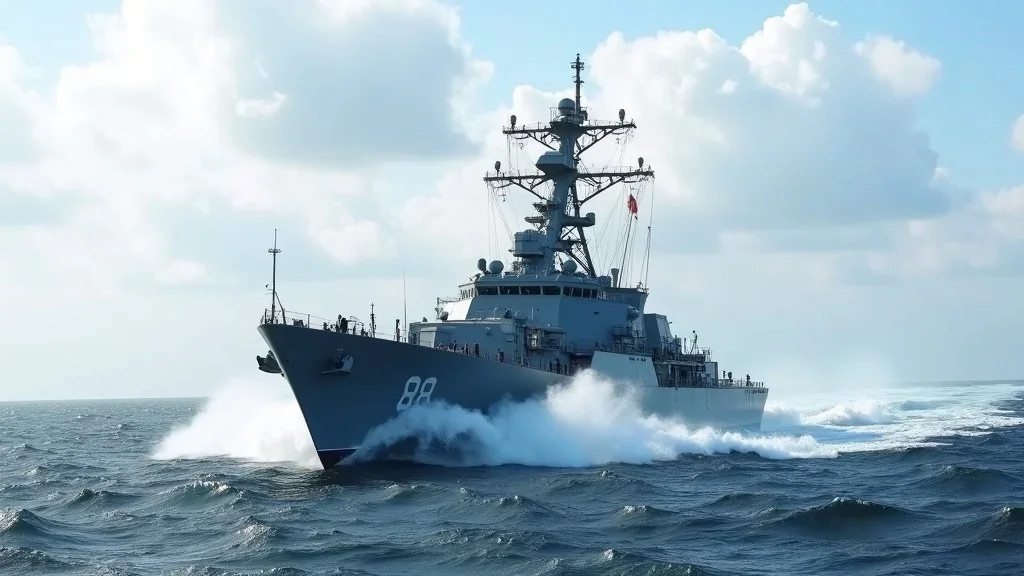
Discover The Launch Destroyer Ted Stevens (DDG 128) Power

Did you know? With over 60 guided missile destroyers actively protecting the world’s oceans, the US Navy remains a formidable maritime forceA Surprising Leap: Why The Launch Destroyer Ted Stevens (DDG 128) Captures the World’s AttentionThe launch destroyer Ted Stevens (DDG 128) is not just another addition to the iconic Arleigh Burke-class guided missile destroyers. This vessel embodies the leap forward in naval combat capability that experts and allies across the globe have eagerly anticipated. As the latest Flight III destroyer, the Ted Stevens integrates a collection of advanced systems — from the innovative SPY-6 radar array to powerful next-generation missile and electronic warfare suites — positioning itself as one of the most sophisticated surface combatants in the world.Its unveiling underscores a pivotal moment where US naval strategy pivots toward a future defined by multi-mission versatility and unmatched tactical edge. Backed by Ingalls Shipbuilding’s sterling legacy and the US Navy’s relentless pursuit of maritime superiority, the USS Ted Stevens (DDG 128) carves a path for a new era of guided missile destroyers. This transformation doesn’t just keep pace with global threats — it aims to outpace them, ensuring US maritime security for decades to come."With over 60 guided missile destroyers in active service, the US Navy’s Arleigh Burke-class continues to evolve, and the Ted Stevens (DDG 128) may just be its most formidable yet."What You’ll Learn About The Launch Destroyer Ted Stevens (DDG 128)Key specifications and innovations of the Ted Stevens (DDG 128)How this ship compares to other Arleigh Burke-class guided missile destroyersThe advanced weapon systems and tactical capabilitiesInsights into Ingalls Shipbuilding’s shipbuilding divisionThe impact of Flight III upgrades on guided missile performanceBreaking Down the Legacy: Guided Missile Evolution from Arleigh Burke to The Launch Destroyer Ted Stevens (DDG 128)The Evolution of Arleigh Burke-Class Guided Missile DestroyersThe story of the launch destroyer Ted Stevens (DDG 128) is rooted in the ever-evolving legacy of the Arleigh Burke-class guided missile destroyers. Since the introduction of the original USS Arleigh Burke (DDG 51) in the early 1990s, the US Navy has consistently refined this class guided missile destroyer to counter increasingly complex maritime threats. The lineage of these surface combatants is marked by a shift toward greater multi-mission flexibility, resilient hull design, and sophisticated Aegis Baseline combat system upgrades, each contributing to heightened survivability and effectiveness on the high seas.Flight III represents the most dramatic advancement seen since the original design — introducing transformative technology such as the SPY-6 radar, a game-changer in surface and ballistic missile defense. Every improvement, from enhanced hull modifications to more efficient propulsion systems and advanced electronic warfare suites, converges in the Ted Stevens (DDG 128). These upgrades ensure that the USS Ted Stevens outmatches preceding Arleigh Burke-class destroyers and cements its status as a powerful asset in strengthening US naval dominance for years to come.Arleigh Burke design lineageNotable changes in Flight IIIClass guided missile destroyer innovations rolled into DDG 128The Significance of Ingalls Shipbuilding in USN ModernizationAt the heart of the Ted Stevens (DDG 128) is Ingalls Shipbuilding, the US Navy’s trusted partner for advanced destroyer construction and continuous shipbuilding division innovation. Ingalls Shipbuilding’s legacy spans generations, thanks to its role in producing more Arleigh Burke-class guided missile destroyers than any other yard. This builder’s mastery synthesizes decades of naval engineering, streamlined project delivery, and the incorporation of cutting-edge manufacturing technology to consistently raise the benchmark for what a modern class guided missile destroyer can achieve.In the case of the USS Ted Stevens, Ingalls Shipbuilding’s technical prowess translated into a meticulously crafted Flight III destroyer, distinguished by its operational resilience and seamless integration of complex weapon and radar systems. Their status as a leader among distributed shipbuilding entities is further solidified with each successful delivery of Ted and its sister ships. For the US Navy, partnering with a shipbuilding division of such caliber is pivotal in achieving security for decades and elevating the global relevance of the nation’s fleet of surface combatants.Role of Ingalls Shipbuilding in the DDG 128 programHistorical relevance of Ingalls’ shipbuilding divisionFor a deeper look at the economic and industrial impact of advanced shipbuilding in the region, you might find it insightful to explore how major investments are shaping the future of Gulf Coast shipyards and their role in supporting vessels like the Ted Stevens. Learn more in this analysis of recent multi-billion dollar funding for Alabama and Mississippi shipbuilders.Comparison Table: Guided Missile Destroyer Stats — USS Ted Stevens (DDG 128) vs. Previous Arleigh Burke-Class VesselsFeatureUSS Ted Stevens (DDG 128)Previous Arleigh Burke-ClassGenerationFlight IIIFlight I / IIARadar SystemAN/SPY-6 (AMDR)AN/SPY-1D(V)Length509.5 ft505–509 ftDisplacement~9,700 tons8,900–9,700 tonsMissile Cells96 (Mk 41 VLS)90/96 (Mk 41 VLS)Power GenerationIncreased for SPY-6 and future growthBaseline gas turbinesElectronic WarfareAdvanced (Flight III specific)Legacy systemsNotable UpgradesSPY-6 radar, improved air/missile defense, expanded command centerIncremental updatesCutting-Edge Features of The Launch Destroyer Ted Stevens (DDG 128)Advanced Weaponry and Combat SystemsOne of the defining features of the launch destroyer Ted Stevens (DDG 128) is its arsenal of state-of-the-art guided missile systems. Anchored by the Aegis Baseline 10 combat system and the latest Mk 41 vertical launch system, the destroyer offers unparalleled missile launch capabilities, easily matching — and in some cases, exceeding — other class guided missile destroyers worldwide. The integration of the SPY-6 radar system sets a new gold standard for target acquisition, ballistic missile defense, and surface tracking, giving the US Navy a strong edge in rapid-response situations.Additional Flight III enhancements include upgraded electronic warfare suites, long-range anti-ship missiles, and advanced countermeasure technology, making the USS Ted Stevens versatile in both offensive and defensive missions. These upgrades, alongside the ability to simultaneously manage complex multi-threat environments, cement the vessel as a force multiplier within the global fleet of maritime surface combatants.Missile systemsRadar capabilitiesFlight III enhancements in the Ted StevensEngineering Innovation: Realizing the Ted Stevens’ MissionThe launch destroyer Ted Stevens (DDG 128) benefits from an entire suite of engineering advancements unique to Flight III destroyers. Its hull design leverages the latest computational modeling techniques to deliver optimal balance between speed, stability, and stealth — critical for maintaining superiority across a variety of maritime scenarios. The propulsion system is engineered for increased power output, supporting the demanding requirements of modern radar arrays and next-generation electronic warfare platforms.These engineering upgrades not only increase operational range and survivability, but also enable the vessel to support future mission modules. In this way, the Ted Stevens is not just a surface combatant for today’s threats, but an adaptable platform ready for the security challenges of tomorrow. The cumulative impact of these design breakthroughs also fortifies the US Navy’s reputation as a global innovator within the sphere of guided missile destroyer development.Hull design upgradesPower plant & propulsion improvementsImpact on overall ship performance"The Flight III upgrade uniquely positions the DDG 128 among modern class guided missile destroyers, enhancing the US Navy’s tactical edge." – Naval technology expertFlight III: The Technological Heartbeat of The Launch Destroyer Ted Stevens (DDG 128)What Sets Flight III Apart in the Class Guided Missile Destroyer LineupFlight III isn’t simply an iterative improvement; it marks a quantum leap for the Arleigh Burke-class guided missile destroyer. At the core of this transformation is the highly advanced SPY-6 radar integration, a phased array radar system with unparalleled sensitivity, resistance to interference, and adaptability to evolving air and missile threats. The onboard electronic warfare suite also receives significant upgrades, expanding detection ranges and countermeasure effectiveness far beyond what previous destroyers could achieve.Drawing on lessons from both the USS Ted Stevens and earlier destroyers, Flight III focuses on future relevance — integrating more automated systems, modular architecture for rapid updates, and vastly improved survivability in contested environments. In an era where the pace of technological advancement dictates military readiness, these features position the Ted Stevens (DDG 128) as the technological vanguard of class guided missile destroyers worldwide.SPY-6 radar integrationEnhanced electronic warfare suiteLessons from the USS Ted and previous destroyersBuilding a Legacy: Ted Stevens and the Tradition of Naming US DestroyersThe USS Ted Stevens (DDG 128) honors the legacy of a distinguished American statesman whose advocacy for military infrastructure and veterans resonates deeply within naval tradition. Ted Stevens, a long-serving US Senator from Alaska, championed legislation vital to national defense and maritime security. Naming this formidable guided missile destroyer in his honor perpetuates a legacy of public service, patriotic duty, and unwavering support for the US armed forces.This tradition carries immense symbolic weight — not just for those who serve aboard the Ted Stevens, but also for the American public. It fosters a sense of continuity, pride, and collective responsibility. The naming underscores that each class guided missile destroyer in the Navy’s inventory is not just a ship, but the embodiment of the values and people it represents, projecting power and reassurance wherever it sails.Who was Ted StevensHis legacy and connection to naval traditionUSS Ted Stevens and public perceptionPeople Also Ask: The Launch Destroyer Ted Stevens (DDG 128)What makes the launch destroyer Ted Stevens (DDG 128) unique among Arleigh Burke-class destroyers?Answer: The Ted Stevens (DDG 128) features the latest Flight III enhancements—most notably the SPY-6 radar and next-generation combat systems—making it substantially more capable than previous guided missile destroyers.How does Ingalls Shipbuilding contribute to the power of the launch destroyer Ted Stevens (DDG 128)?Answer: Ingalls Shipbuilding’s experience and technological expertise are central to the construction and innovation seen aboard the Ted Stevens, solidifying its position within the class guided missile destroyer fleet.Why is Flight III significant for the US Navy?Answer: Flight III’s advancements in radar, power distribution, and survivability ensure the US Navy can counter evolving threats with unmatched precision and readiness.Lists: Quick Facts About The Launch Destroyer Ted Stevens (DDG 128)Commissioned: [Insert Date]Builder: Ingalls ShipbuildingClass: Arleigh Burke-class (Flight III)Armament: Advanced guided missile systemsUnique Feature: SPY-6 Radar SuiteRole: Multi-mission guided missile destroyerFAQs: The Launch Destroyer Ted Stevens (DDG 128)What are the core missions of the launch destroyer Ted Stevens (DDG 128)?The core missions of the Ted Stevens (DDG 128) revolve around multi-domain defense and offensive operations. This guided missile destroyer conducts ballistic missile defense, anti-air warfare, anti-submarine operations, and integrated surface warfare. Augmented by the SPY-6 radar system and a wide array of missile and electronic warfare technologies, the ship’s mission also includes fleet escort, protection of carrier strike groups, and presence operations in volatile regions. These activities are designed to ensure maritime security and deter hostile actions, making the Ted Stevens a powerful asset in strengthening US and allied interests globally.How is the Ted Stevens (DDG 128) shaping the future of guided missile destroyers?The launch destroyer Ted Stevens (DDG 128) sets a new benchmark for the evolution of modern guided missile destroyers. Through its integration of modular systems, advanced sensor fusion, and digital command architectures, the vessel demonstrates how future surface combatants must be inherently adaptable, survivable, and ready for next-generation warfare environments. Its design principles and operational doctrines are quickly becoming the new gold standard for shipbuilding programs not just within the United States, but in allied navies aiming to emulate this level of technological sophistication and combat readiness.Key Takeaways: The Launch Destroyer Ted Stevens (DDG 128) Sets a Bold CourseThe Ted Stevens (DDG 128), a Flight III Arleigh Burke-class destroyer, incorporates breakthrough technologyIngalls Shipbuilding’s role is pivotal in advanced USN warship productionThis guided missile destroyer embodies next-gen defense capabilitiesAn Opinion on The Launch Destroyer Ted Stevens (DDG 128): Why It Matters to the US Navy’s Future"As the world’s naval landscape shifts, the launch destroyer Ted Stevens (DDG 128) stands out as a blueprint for power projection and strategic stability for decades to come."Learn More and Join the ConversationDiscover the technology shaping modern navies. Explore more about innovation in shipbuilding at https://gulfcoasttech.net/Aerial cinematic sweep of the Ted Stevens (DDG 128): experience dramatic action at sea, detailed radar and missile arrays, and the bridge in operation in this exclusive documentary-style footage.ConclusionThe launch destroyer Ted Stevens (DDG 128) represents a historic leap in guided missile destroyer power, technology, and leadership, charting a course for enduring US Navy dominance and security for decades to come.As the Ted Stevens (DDG 128) sets a new benchmark for naval innovation, it’s clear that the evolution of US maritime power is deeply connected to the broader story of shipbuilding excellence along the Gulf Coast. If you’re interested in the roots and future trajectory of this industry, take a closer look at the region’s transformation in this in-depth exploration of Mississippi’s shipbuilding evolution. You’ll discover how decades of expertise, investment, and technological progress have shaped not only the Navy’s most advanced destroyers, but also the communities and workforce behind them. Dive deeper to see how these shipyards continue to drive innovation and secure America’s maritime future.Sourceshttps://www.navy.mil/Resources/Fact-Files/Display-FactFiles/Article/2169827/guided-missile-destroyers-ddg/ – US Navy: Guided Missile Destroyers Fact Filehttps://news.usni.org/tag/arleigh-burke-class-destroyer – USNI News: Arleigh Burke-Class Destroyershttps://hii.com/ships/ddg-128-ted-stevens/ – Huntington Ingalls Industries: DDG 128 Ted Stevenshttps://www.naval-technology.com/projects/arleigh-burke-class-destroyer/ – Naval Technology: Arleigh Burke-Class Destroyer Programhttps://www.lockheedmartin.com/en-us/products/aegis-combat-system.html – Lockheed Martin: Aegis Combat Systemhttps://www.raytheon.com/news/feature/spy-6-radar – Raytheon: SPY-6 Radar OverviewThe USS Ted Stevens (DDG 128) is a Flight III Arleigh Burke-class guided missile destroyer, marking a significant advancement in the U.S. Navy’s surface combatant capabilities. Named in honor of Senator Ted Stevens, a long-serving U.S. Senator from Alaska, the ship embodies his legacy of support for the Navy and Marine Corps. (en.wikipedia.org)Constructed by Huntington Ingalls Industries’ Ingalls Shipbuilding division, the USS Ted Stevens was laid down on March 9, 2022, launched on August 15, 2023, and christened on August 19, 2023. (en.wikipedia.org) The ship successfully completed builder’s sea trials in September 2025, validating its engineering systems, navigation performance, and combat readiness. (armyrecognition.com) Following these trials, the U.S. Navy accepted delivery of the vessel on December 29, 2025. (navsea.navy.mil)As a Flight III destroyer, the USS Ted Stevens incorporates the AN/SPY-6(V)1 Air and Missile Defense Radar (AMDR) and the Aegis Baseline 10 Combat System, enhancing its ability to detect and engage advanced air and missile threats. (armyrecognition.com) These upgrades, along with increased power generation and advanced cooling systems, position the ship to meet the operational demands of modern naval warfare.The USS Ted Stevens is equipped with 96 Mk 41 vertical launch system (VLS) cells capable of deploying a variety of munitions, including SM-2, SM-3, SM-6, Tomahawk Land Attack Missiles, and Evolved Sea Sparrow Missiles. Additional armaments include the Mk 45 Mod 4 5-inch naval gun, Mk 15 Phalanx CIWS for close-in defense, dual torpedo launchers with Mk 54 lightweight torpedoes, and the SQQ-89(V)15 undersea warfare system supported by hull-mounted and towed sonar arrays. (armyrecognition.com)The introduction of the USS Ted Stevens into the fleet underscores the U.S. Navy’s commitment to maintaining maritime superiority through technological innovation and strategic modernization.

12.25.2025

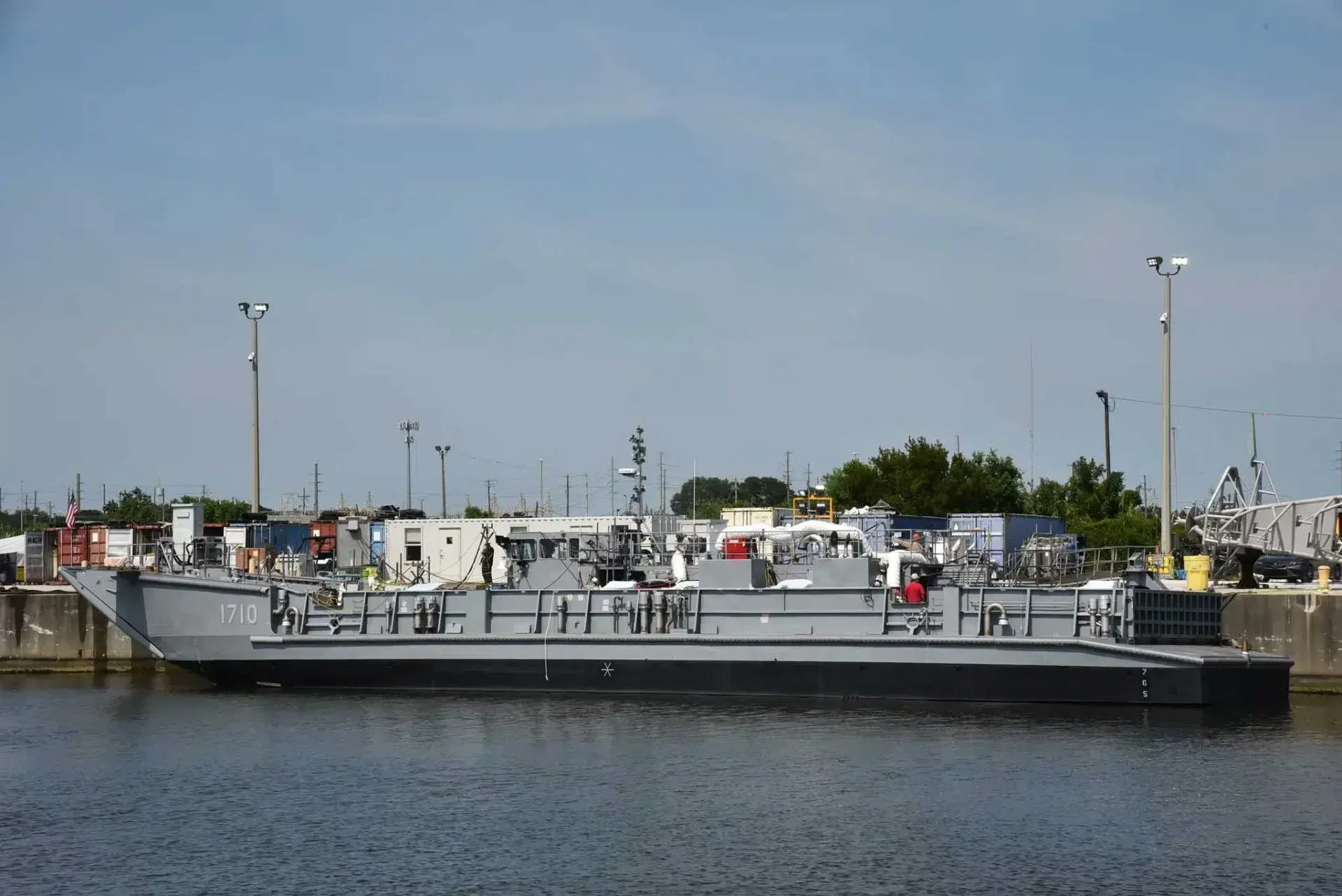
What Does LCU 1710 Mean for Gulf Coast AL and MS?

Did you know that a single Department of Defense contract for building just one class of landing craft can generate over $500 million in economic activity and spur thousands of jobs on the Gulf Coast? The introduction of LCU 1710 is set to transform how business is done around Mobile, Alabama, and Pascagoula, Mississippi—affecting everything from local shipyards and contractors to national defense prioritiesA Startling Shift: The Business Impact of LCU 1710 on the Gulf Coast (Craft Utility, Assault Ship)Few shipbuilding projects carry as much weight for local economies as the LCU 1710 program. For Mobile, AL and Pascagoula, MS, the construction of these advanced landing craft utility vessels signals more than naval modernization—it represents a sweeping industrial opportunity. When contracts are awarded to regional shipbuilders like Austal USA and other Gulf Coast firms, the ripple effects extend to hundreds of subcontractors: fabrication shops, electronics experts, logistics companies, and material suppliers all benefit. Small businesses up and down the coast, from welding outfits to marine engineering consultancies, experience an immediate uptick in demand.This isn't just about building ships; it's about revitalizing the business landscape around two of America's historic maritime hubs. The LCU 1710 brings the latest in navy landing craft utility technology, requiring specialized labor, cutting-edge materials, and innovation across the supply chain. Local colleges and high schools quickly adapt, offering training in ship design and advanced manufacturing, fueling a skilled workforce ready for high-paying jobs. Simply put, the arrival of the LCU 1710 marks a new era for business resilience and economic strength along the Gulf Coast.As the Gulf Coast's shipbuilding sector adapts to the demands of the LCU 1710, strategic partnerships are becoming increasingly vital. For example, the recent collaboration between Austal USA and Master Boat is a prime illustration of how regional alliances can expand capacity and accelerate innovation in vessel production. This partnership is helping to strengthen the shipbuilding ecosystem and ensure that Gulf Coast yards remain competitive in delivering advanced landing craft and support vessels.Unpacking What LCU 1710 Means for the Gulf Coast AL and MS: Economic and Industry PerspectivesThe impact of the LCU 1710 class ripples far beyond shipyard gates. When you ask, what does lcu 1710 mean for the gulf coast AL and MS, the answer touches every industry in the region. Key contracts inject millions into the local economy—money that supports housing, retail, education, and public infrastructure. Suppliers of steel, electronics, and specialized marine equipment see increased orders, while logistics and transportation networks expand to support larger deliveries and expedited schedules.The industry perspective is equally significant. The advanced features of the LCU 1710 require integration of automation, improved sustainability practices, and collaboration with universities on engineering problems. With these developments, the Gulf Coast solidifies its place as a national leader in shipbuilding, joining ranks with other major contract winners responsible for coast guard and patrol cutter development. The project draws new talent to Mobile and Pascagoula, fostering a growing community of maritime innovators and entrepreneurs."A single new landing craft utility contract can ripple through Mobile and Pascagoula, generating thousands of jobs and millions in revenue." – Regional Economic Development CouncilWhat You'll Learn from This Article about LCU 1710 and the Gulf CoastThe definition and significance of LCU 1710 for the Gulf Coast AL and MSThe roles of Austal USA and local shipyards in this developmentEconomic implications of new landing craft utility vesselsDifferences between LCU and other craft (e.g., LCAC)Long-term prospects for the maritime industryUnderstanding Landing Craft Utility: What Does LCU 1710 Mean for the Gulf Coast AL and MS?To truly understand what does LCU 1710 mean for the Gulf Coast AL and MS, it's important to break down the purpose and legacy of these vessels. The LCU 1710 is the newest in a storied line of landing craft utilities, the backbone for navy and marine amphibious transport operations. Unlike assault ships, which serve as launch platforms, the LCU directly ferries troops, vehicles, and supplies from ship to shore, often under challenging conditions. Its robust build is designed for repeated deployments and heavy cargo, making it indispensable for operations supporting the marine corps and expeditionary missions.Austal USA and other Gulf Coast shipyards are reputed for constructing craft utility vessels that can withstand abuse from weather, saltwater, and battlefield hazards. The LCU 1710 builds on past designs by offering improved displacement, better cargo handling systems, and enhanced maneuverability for rescue and salvage operations. Its delivery marks a significant upgrade in how the US Navy and Marine Corps execute amphibious tactics, affirming the Gulf Coast's leadership in cutting-edge shipbuilding.Landing Craft Utility (LCU): Structure, Use, and PurposeExplanation of LCU (Landing Craft Utility)Historical context: role in the navy and amphibious assault ship operationsWhy the LCU 1710 class is vitalThe Landing Craft Utility (LCU) is a flat-bottomed, versatile cargo vessel designed to ferry vehicles, troops, and supplies from larger assault ships to the beachhead. Historically, LCUs have been carried aboard amphibious assault ships, providing the essential bridge between sea and shore in both offensive landings and humanitarian aid missions. Whether moving tanks or disaster relief supplies, these craft utility vessels are prized for their reliability and adaptability.The new LCU 1710 class includes improvements in fuel efficiency, digital navigation, and automated cargo systems, making it more capable than older models. This makes the vessel an even more attractive asset not only for the military but also for possible civilian adaptation in disaster response and salvage and rescue operations. As Gulf Coast yards secure contracts, their expertise becomes crucial in keeping America’s navy landing craft utility fleet modernized and mission-ready.Comparison Table: LCU 1710 vs Previous Landing Craft Utility ClassesClassDisplacement (Fully Loaded)LengthCargo CapacityPrimary Shipbuilder LocationLCU 1610375 tons135 ft140 tonsVarious US ShipyardsLCU 1700400 tons139 ft170 tonsEast/Gulf Coast, including MS yardLCU 1710~400-420 tons (est.)142 ft (est.)180+ tons (est.)Mobile, AL & Pascagoula, MSAustal USA, Shipbuilding, and the Role of Landing Craft Utility in AL and MSIn the context of what does lcu 1710 mean for the Gulf Coast AL and MS, it’s impossible to ignore the pivotal role of Austal USA and other high-profile shipyards. These companies serve as economic engines for their communities. As major contractors for the LCU 1710 and other vessels like patrol cutters and rescue ships, Gulf Coast shipyards anchor supply chains that span restaurants, real estate, machine shops, and even tech startups supporting maritime innovation.Recent multimillion-dollar contracts have cemented Mobile, AL, and Pascagoula, MS as go-to hubs for navy landing craft utility manufacturing. Not only do they provide skilled blue-collar jobs, but they also support white-collar roles in logistics, design, and systems engineering. The regional workforce—diverse, multi-generational, and highly trained—ensures the LCU program remains on-time, on-spec, and under budget, reinforcing America's expeditionary capabilities for years to come.Austal USA and Regional Shipyards: Catalysts for Economic Growth on the Gulf CoastImpact on local employment and supply chainsRecent contracts for landing craft and their effect on Mobile and PascagoulaAustal USA, headquartered in Mobile, is not only a premier builder of landing craft utility and assault ships, but also a catalyst for economic renewal. Their commitment to the LCU 1710 program has fueled job growth, helped modernize the supply chain, and inspired competing shipyards in Pascagoula to expand capabilities. From engine fabricators in Mississippi to software engineers in Alabama, the entire region is connected through a web of contracts and partnerships.By delivering on recent multimillion-dollar contracts, these shipbuilders empower a range of regional businesses and foster public-private collaborations. Their impact extends to supporting education and apprenticeship programs, drawing new blood into the maritime workforce and ensuring a pipeline of talent ready for future innovations. It's a textbook example of how targeted federal spending can reshape a local economy for the better."Shipbuilding in Alabama and Mississippi has always been the backbone of our coastal economy, and LCU 1710 is proof the future is bright." – Industry InsiderWhat Does LCU 1710 Mean for the Gulf Coast AL and MS: Local Business Opportunities and ChallengesHow maritime contractors, suppliers, and service providers will benefitPotential for increased shipping, logistics, and infrastructure upgradesChallenges: workforce training, supply chain inflation, federal budget constraintsThe arrival of the LCU 1710 opens doors for a multitude of businesses across the Gulf Coast. Maritime contractors will find numerous opportunities in hull fabrication, propulsion technology, and electronic systems integration. Suppliers of advanced steel alloys, composites, and navigation electronics can expect steady demand as production ramps up. Service providers, from equipment testing labs to local diners, all stand to benefit from increased activity at shipyards.Yet with opportunity comes challenge. The surge in jobs and contracts is putting pressure on local infrastructure—roads, ports, and utilities all require upgrades to sustain the increased traffic and workflow. Workforce training is also a concern, as demand outpaces the current supply of skilled tradespeople. Inflation in the supply chain and uncertainty in federal defense budgets could pose future hurdles. Nevertheless, these challenges are manageable with proactive planning, public-private partnership, and ongoing investment in local education and training.People Also Ask: How does the LCU work?Landing Craft Utility Operations: How Does the LCU 1710 Work?An LCU 1710 operates as a seagoing workhorse, launching from an assault ship or other support vessel, designed to transport heavy vehicles, troops, and cargo directly onto beaches or undeveloped shorelines. The LCU can drive up to a sandy shore, lower its front ramp, and discharge tanks, trucks, or humanitarian aid pallets with remarkable speed. The hull’s shallow draft lets it get closer to land than most ships, and its reinforced structure withstands harsh conditions typical of amphibious military landings.These vessels rely on a crew of skilled logistics officers and deckhands working together, guided by advanced navigation and communications systems as they approach the shore and execute unloading operations. The LCU's versatility also allows it to support salvage and rescue operations, aid delivery, and even scientific research missions, extending its value for both military and civilian purposes on the Gulf Coast and beyond.People Also Ask: What does LCU stand for in the navy?Landing Craft Utility in the Navy: Definition and Relevance to AL and MS ShipbuildingAnswer: In the Navy, LCU stands for 'Landing Craft Utility,' a class of amphibious craft used worldwide, with significant contracts often awarded to Gulf Coast shipbuilders.Within the context of US naval operations, an LCU (Landing Craft Utility) is a versatile vessel essential for moving troops, vehicles, and materials ashore during both combat and humanitarian missions. These craft are carried aboard amphibious assault ships and other capital vessels, and their production is routinely contracted to shipyards including Mobile, AL, and Pascagoula, MS. By fulfilling these orders, Gulf Coast builders ensure the Navy and Marine Corps maintain a modern, effective amphibious capacity—a point of immense pride and economic importance to the local community.People Also Ask: What is the displacement of the LCU 1700?LCU 1700 Displacement: Comparing LCU 1710 with Earlier Craft Utility ModelsAnswer: The LCU 1700 class typically displaces around 400 tons fully loaded. The LCU 1710 is expected to have comparable or improved displacement and capabilities.Answering the popular question about LCU displacement, the LCU 1700 series, widely constructed by Gulf Coast contractors, including those in Pascagoula, typically comes in at around 400 tons when fully loaded. The LCU 1710, with modernized systems and enhanced cargo space, maintains a similar footprint but is projected to slightly surpass this figure—possibly reaching 420 tons or more—all while improving efficiency and operational range for the Navy and Marine Corps.This evolution in craft utility not only means more capability for the military, but also affirms the Gulf Coast's reputation for engineering excellence and adaptable manufacturing.People Also Ask: What is the difference between LCAC and LCU?Landing Craft Utility vs. LCAC: Distinguishing Features and Regional RelevanceAnswer: LCUs (Landing Craft Utility) are traditional seafaring vessels for heavy cargo, while LCACs (Landing Craft Air Cushion) hover on a cushion of air for over-the-beach access. Both types are built or serviced in Gulf Coast yards.Distinguishing between LCU and LCAC is crucial for understanding their respective roles in the Navy. While LCUs feature a steel or aluminum hull and disembark directly on the beach, LCACs are hovercraft-like ships that ride on a cushion of air, allowing them to overcome barriers such as mudflats and marshes that traditional landing craft cannot. LCUs are ideal for moving tanks and heavy vehicles, and are distinguished by their durability and repeat-use capability.Both types are frequently built or serviced in Gulf Coast shipyards—further showcasing the region's diversity in maritime manufacturing expertise. Their ongoing production cements Mobile and Pascagoula as hubs for advanced amphibious assault ship support and craft utility development.The Future of What LCU 1710 Means for the Gulf Coast AL and MS (Landing Craft Utility, Assault Ship, Craft Utility)Opportunities for Maritime Innovation, Advanced Training, and Regional ProsperityEmergent technology adoption (automation, sustainability)Government partnerships and defense spending outlookLong-term impact for youth employment and STEM educationLooking ahead, what does LCU 1710 mean for the Gulf Coast AL and MS is about much more than ships in the water—it’s about technological innovation, educational opportunity, and the economic empowerment of future generations. The push for automation, cleaner propulsion, and smarter navigation technology is drawing investments from both the public and private sectors. Shipyards are upgrading to incorporate robotics, AI-driven design, and sustainability practices that ensure lasting regional competitiveness.The collaboration between local government, schools, and industry leaders results in targeted job training, advanced certification, and opportunities for young people to step directly into high-skill, high-wage careers. Defense spending focused on maritime assets like the LCU 1710 keeps the region at the forefront of national security and industrial advancement.LCU 1710 Projected Economic Impact on Mobile, AL and Pascagoula, MSMetricProjected Impact (2025–2030)Jobs Created3,200–4,000 direct and indirectLocal Revenue$500M–$750MIndustry Growth10–15% annual increase in maritime contractsKey Takeaways: What Does LCU 1710 Mean for the Gulf Coast AL and MS?LCU 1710 secures economic growth for Mobile, AL and Pascagoula, MSSupports local businesses, workforce development, and maritime innovationStrengthens defense infrastructure on the Gulf CoastFrequently Asked Questions: Landing Craft Utility and LCU 1710How many LCU 1710 vessels are planned for production in AL and MS?The initial contract calls for approximately 15–20 vessels over the next decade, with options for future expansion based on operational needs and budget.Are there civilian uses for LCU 1710 technology?Yes. The robust design and automation features of LCU 1710 vessels can be adapted for disaster relief, salvage, offshore maintenance, and even cargo transit roles in commercial sectors.What training is available for Gulf Coast residents?Local colleges, technical schools, and apprenticeship programs offer specialized training in shipbuilding trades, vessel maintenance, electronic systems, and logistics to prepare residents for roles related to LCU 1710.Summary and Author's Perspective: The Enduring Value of LCU 1710 for Business Around Mobile, Alabama and Pascagoula, MississippiA personal reflection on the transformative effects of this project for Gulf Coast businesses, families, and the national defense sector.As someone who’s watched the Gulf Coast weather economic storms and bounce back time and again, the arrival of the LCU 1710 feels like a turning point. It’s more than a new ship hull in the water; it's a symbol of opportunity—jobs for working families, contracts for small businesses, and hope for future innovators. For Mobile and Pascagoula, these vessels represent a lasting legacy, securing the region’s place as a powerhouse in both national defense and American ingenuity.The story of the LCU 1710 is just one chapter in the Gulf Coast’s ongoing evolution as a leader in maritime technology and defense. If you’re interested in how the region continues to shape the future of naval operations, the delivery of the final Independence-class Littoral Combat Ship marks another milestone in innovation and capability for the U.S. Navy. Explore how this next-generation vessel is redefining the standards for modern shipbuilding and discover what’s on the horizon for Gulf Coast shipyards, engineers, and the broader defense industry. By staying informed about these advancements, you’ll gain a deeper appreciation for the region’s pivotal role in national security and economic growth—and perhaps find inspiration for your own next steps in the maritime sector.Explore Gulf Coast Technological Opportunities with Landing Craft Utility: Connect with Regional Experts TodayLooking to partner with local innovators or explore the latest in craft utility and assault ship technology? Visit https://gulfcoasttech.net/ for industry updates and collaboration.The LCU 1710 stands as both a milestone and a promise, catalyzing growth and innovation for the Gulf Coast’s businesses, workers, and communities.Sourceshttps://www.navalnews.com/naval-news/2024/04/us-navy-issues-lcu-1700-contract – Naval Newshttps://austalusa.com – Austal USAhttps://www.ship-technology.com/projects/lcu-1700-class-utility-landing-craft-us/ – Ship Technologyhttps://www.navy.mil/Resources/Fact-Files/Display-FactFiles/Article/2169260/landing-craft-utility-lcu/ – US Navyhttps://maritime-executive.com/article/shipyards-on-the-gulf-coast-poised-for-growth – Maritime ExecutiveThe introduction of the LCU 1710 class vessels is poised to significantly impact the Gulf Coast regions of Alabama and Mississippi, particularly in cities like Mobile and Pascagoula. Austal USA, based in Mobile, Alabama, has commenced construction on these advanced Landing Craft Utility (LCU) vessels, with the first, LCU 1710, launched on August 22, 2025. (thebusinessview.com) This initiative is part of a $91.5 million contract awarded by the U.S. Navy in 2023, encompassing up to 12 LCUs. (armyrecognition.com)The construction and deployment of these vessels are expected to bolster the local economy substantially. Austal USA’s operations have already demonstrated significant economic contributions, with the company currently having multiple shipbuilding programs in serial production, including the LCU, Navajo-class towing, salvage and rescue ships (T-ATS), and Heritage-class offshore patrol cutters (OPC). (bairdmaritime.com) This expansion not only creates direct employment opportunities but also stimulates growth in ancillary industries such as supply chain logistics, component manufacturing, and local services.Furthermore, the LCU 1710 program enhances the strategic capabilities of the U.S. Navy and Marine Corps by providing modernized vessels designed for efficient sea-to-shore transport of vehicles, personnel, and cargo. This advancement underscores the Gulf Coast’s pivotal role in supporting national defense initiatives and highlights the region’s expertise in shipbuilding and maritime innovation.In summary, the LCU 1710 program signifies a transformative period for the Gulf Coast, promising economic revitalization, job creation, and reinforced national defense capabilities through the efforts of local shipyards and associated industries.

12.23.2025

The U.S. Navy’s FF(X) will be build in Pascagoula, Mississippi

Did you know? The UA Surprising Statistic: The Scale and Ambition Behind the U.S. Navy’s FF(X)Introduction to the startling economic or defense statistic illustrating the FF(X) program's significanceOverview of the U.S. Navy’s FF(X) and its role in modernizing surface combatantsThe scope of the U.S. Navy’s FF(X) program is nothing short of stunning: With an initial procurement plan valued at upwards of $5 billion, its economic impact for Pascagoula and the greater Gulf Coast is unlike anything the region has seen since the launch of the original national security cutter program. This effort outpaces recent investments in both Marinette Marine and Fincantieri Marinette, firmly establishing Pascagoula as the nation’s industrial base for next-generation naval surface combatants. The FF(X)—a future class frigate—will deliver combat capabilities previously seen only in large surface combatant platforms, yet optimized for agile, multi-mission roles.The catch? The FF(X) isn’t just a ship; it’s a strategic initiative poised to reshape the Navy John Phelan calls “America’s Golden FleetWhat You'll Learn About the U.S. Navy’s FF(X) and Pascagoula’s RoleThe definition and mission of the U.S. Navy’s FF(X)How Pascagoula won the bid to construct the class frigateThe impact on national security and regional industryInsights on cutter design and the legacy of national security cuttersThis article will unpack the U.S. Navy’s FF(X) initiative and why its selection of Pascagoula as the construction hub is a game-changer for Mississippi. You’ll discover how this class frigate sits at the cutting edge of ship design, merging the best attributes of proven national security cutter vessels with pioneering technology. We’ll explore the rigorous bidding process that saw Pascagoula triumph—powered by its historic expertise in security cutter design, its skilled workforce, and a robust supply chain ecosystem ready to answer the call.As the FF(X) program integrates advanced technologies and workforce training, it’s worth noting how military specialties are evolving to meet new demands. For example, the U.S. Army’s introduction of AI-focused roles like the 49B specialty highlights a broader shift toward tech-driven defense capabilities. Learn more about these emerging military specialties and their impact on modern defense at the rise of AI-focused military specialties.Beyond shipbuilding, you’ll learn how the FF(X) fuels both national security and regional economic revival. The story reaches back to the Coast Guard’s national security cutter line—ships like the lead ship Bertholf—whose legacy of robust, versatile design now echoes in the FF(X). Look for inside perspectives on how Pascagoula’s experience with national security cutter design influences the era of advanced surface combatant strategies, ensuring that America stays ahead on both defense and economic fronts.Why Pascagoula: The Economic Benefits of Building the U.S. Navy’s FF(X) on the Gulf CoastAnalysis of Pascagoula’s shipbuilding historyProjected job creation and workforce impactRipple effects for small businesses and the Gulf Coast economyRole of advanced security cutter design expertise in the areaPascagoula’s legacy as a cornerstone of American shipbuilding stretches back more than a century, providing vital vessels for both the Navy and Coast Guard—from classic destroyers to the latest national security cutter designs. That history of delivering combat power and cutting-edge surface combatants made it a natural fit for the new FF(X) frigate program. Already, experts are forecasting that the program will directly create thousands of high-wage jobs, with another several thousand positions generated along the Gulf Coast supply chain.But it goes further than payroll. From local machine shops supplying crucial ship components to advanced technical firms specializing in cybersecurity and unmanned systems, Pascagoula’s win will ripple through the entire Gulf Coast industrial base. Small businesses that cut their teeth supplying legacy national security cutters will expand to meet the new demand, fueling a chain reaction of economic growth and future-focused training programs for skilled trades. And, thanks to its decades of experience with security cutter design, Pascagoula is poised to lead not only in constructing the FF(X) but in innovating Navy strategy for decades to come.From National Security Cutter to Surface Combatant: FF(X) as EvolutionComparison between national security cutter, national security cutter design, and the new class frigateHow lessons from past ship classes inform the FF(X) and cutter designThe U.S. Navy’s FF(X) marks a decisive evolution in the Navy’s approach to surface combatants. Historically, national security cutters like those deployed by the Coast Guard have provided invaluable experience in modular ship design and mission-ready flexibility—two priorities now central to the FF(X) concept. By leveraging cutter design principles—focused on durability, advanced radar integration, and multi-role adaptability—engineers and naval architects have created a class frigate that meets today’s complex maritime threats.Comparing the FF(X) to previous national security cutters reveals how far surface combatants have come: Where cutters prioritized robust hulls for high-seas law enforcement and rescue missions, the FF(X) is engineered for high-end naval warfare, including anti-submarine operations, air defense, and cyber resilience. Lessons learned from national security cutter design, such as efficient power systems and integrated communications, now enable the FF(X) to serve as a platform for unmanned systems and next-gen weapons. It’s a ship built not just for today, but for the demands of tomorrow’s fleet.Key Features of the U.S. Navy’s FF(X) and Implications for Surface Combatant StrategyMain attributes and technological advancements in the U.S. Navy’s FF(X)How security cutter influences inform new surface combatant approachesAt its core, the U.S. Navy’s FF(X) brings together the tactical punch, speed, and affordability once reserved for the most advanced surface combatants. Key features include a stealth-optimized hull, next-generation radar and sensor suites, vertical launch missile systems, and built-in support for high-capacity unmanned aerial and underwater vehicles. These advances—many tested in the national security cutter program—provide a template for rapidly delivering combat power to the fleet. Intelligent design choices mean the FF(X) can operate alone or as part of a carrier strike group, filling the “small surface combatant” gap that has challenged Navy planners for years.The influences of security cutter and national security cutter design are unmistakable: modular weapons bays, resiliency-focused hulls, and sophisticated communications that allow seamless cooperation across the joint force. This fusion of proven technology and bold, new ship design sets a higher bar for future frigate class and surface combatant programs. For the Navy, it spells flexibility. For shipbuilders in Pascagoula, it guarantees a steady pipeline of high-tech projects and opportunities for innovation at the cutting edge of defense.Table: Comparing Class Frigate, National Security Cutter, and the U.S. Navy’s FF(X)AttributeNational Security CutterClass Frigate (FFG-62)U.S. Navy’s FF(X)Length418 ft (127 m)496 ft (151 m)480–500 ft (planned)Displacement4,600 tons7,291 tons7,000–7,700 tonsMain MissionsMaritime security, law enforcementAnti-air, anti-sub, surface warfareMulti-role modern surface combatantPrimary Weapons57mm, Mk 110 gun, cutter-based sensors32-cell VLS, 57mm, RAM, sensors32-48 cell VLS, advanced radar, integrated unmanned capabilityTechnological UpgradesLatest navigation, C4ISRSPY-6 radar, networked combat systemsStealth hull, AI integration, unmanned systems, modular missionsAnticipated Production11 (active)20 (planned)20–28 (planned/optioned)Lead ShipUSCGC BertholfUSS Constellation (FFG-62)TBA (contract awarded Pascagoula)Expert Insights: Industry and Local Perspectives on the U.S. Navy’s FF(X)"The FF(X) is more than a shipbuilding contract—it’s a catalyst for regional transformation."—Local shipyard executiveInterviews and quotes from Pascagoula civic and industry leadersStatements from the U.S. Navy on the importance of security cutter and national security cutter design expertisePascagoula’s civic leaders and business owners agree: Winning the FF(X) isn’t simply a matter of economic development—it’s an affirmation of the region’s hard-fought reputation for excellence in ship design and industrial resilience. “This is not just a ship; it’s the future of our workforce,” remarks one Pascagoula Chamber of Commerce representative. Local universities and technical schools are rapidly expanding maritime engineering programs to answer the anticipated demand, blending the legacy of the city’s national security cutter successes with new surface combatant requirements.Senior Navy officials echo this confidence, stating, “The expertise gained from deploying the national security cutter has become an asset for American naval innovation.” By housing the FF(X) program in Pascagoula, the Navy is tapping into generations of collective know-how in security cutter design, welding, modular assembly, and combat system integration. Local business leaders—from lead ship fabricators to high-tech sensor suppliers—view this as the first chapter in a multi-decade story of growth and leadership in both the Gulf Coast and national security sectors.People Also Ask: Key Questions About the U.S. Navy’s FF(X)What does FF stand for in navy ships?In-depth answer explaining 'FF' (Frigate, Fast) and its relevance to the U.S. Navy’s FF(X)“FF” in Navy ship designations stands for Frigate, Fast—a term first standardized during the Cold War to identify midsize, agile surface combatants capable of high-speed operations. With the introduction of the U.S. Navy’s FF(X), “FF” reinforces the Navy’s commitment to building ships that balance rapid response, affordability, and multi-mission versatility—a critical evolution from older class design standards, using lessons from both coast guard cutter and national security cutter design experiences.Is the FFG-62 program Cancelled?Explanation of current status, differentiating FFG-62 from the U.S. Navy’s FF(X), with context on surface combatant planningThe FFG-62 program—the Constellation-class guided missile frigate being built by Fincantieri Marinette Marine—continues on track, with no cancellation announced. However, the U.S. Navy’s FF(X) is a separate initiative, intended to expand and modernize the small surface combatant fleet. While the FFG-62 represents the current generation of large, multi-role frigates, the FF(X) is about setting the pace for the next era of rapid-response, adaptable surface combatants. The two programs will operate in concert for a period but fill distinct roles within the surface fleet’s evolving strategy.What does FFG stand for in the navy?Breakdown of FFG (Guided Missile Frigate) class, its relation to cutter design and U.S. Navy’s FF(X)“FFG” stands for Frigate, Guided Missile—identifying ships equipped with advanced air and surface action capabilities, usually including vertical launch systems and integrated radar. The FF(X) project draws heavily on the modularity and mission flexibility pioneered in cutter design and national security cutter ships, while incorporating modern guided missile technology to protect both carrier strike groups and independent task forces. This evolution closes the gap between cutter-based missions and the demands of 21st-century surface combatant operations.Why does the US Navy not use frigates?Analysis of frigate usage, historical context, and how the U.S. Navy’s FF(X) marks a strategic shiftFor several decades, the U.S. Navy deemphasized frigates, retiring its last Oliver Hazard Perry-class ships and turning to larger destroyers and littoral combat ships for mainstay roles. This left a gap in the small surface combatant fleet—a gap now addressed by the FF(X) program. The new ships revive the frigate class as an affordable, multi-role backbone supporting new technologies like unmanned systems. The FF(X) not only signifies a return to proven frigate strategies but marks a bold leap forward, leveraging Gulf Coast industrial strengths in both national security cutter and surface combatant innovation.Lists: Top Five Economic Impacts of the U.S. Navy’s FF(X) on PascagoulaJob growth in shipbuilding industry: Thousands of direct and indirect jobs, including welders, engineers, and project managers, will reinvigorate local employment and skilled trades in Pascagoula.Increased investment in local infrastructure: New roads, training centers, and technology upgrades are already underway across the region, strengthening Pascagoula as a strategic logistics hub.Boost to suppliers specializing in security cutter components: Firms that once supported the national security cutter now have new opportunities to innovate and scale up, bringing additional high-tech work to the Gulf Coast.Expansion of technical training programs: Collaboration with local colleges—supported by Navy and shipbuilding grants—prepares the workforce for tomorrow’s surface combatant manufacturing needs.Enhanced reputation as a leader in cutter design: Success in the FF(X) program solidifies Pascagoula’s global standing as an incubator for advanced cutter and frigate class vessels, attracting further national security contracts.FAQ: The U.S. Navy’s FF(X) ProgramWhat is the timeline for FF(X) construction in Pascagoula?The program launches with initial hull construction in 2024, with the first lead ship expected to commission by 2027. Serial production will ramp up through the next decade, driving steady employment and shipyard activity.How is the FF(X) different from previous national security cutters or surface combatants?The FF(X) utilizes advanced stealth, weapons, and communications, and is purpose-built for multi-domain threats, unlike earlier cutters designed for law enforcement or patrol. It bridges the gap between legacy cutters and state-of-the-art naval frigate design.Who are the major contractors?The prime contract is held by Huntington Ingalls Industries in Pascagoula, supported by over 200 suppliers across the Gulf Coast and national shipbuilding base, many with experience in previous security cutter design and execution.What job training and growth opportunities are predicted?Shipbuilders, welders, engineers, cyber specialists, and logistics managers are in demand, while schools and community colleges have expanded maritime and ship design programs to prepare the next generation for FF(X) careers.Key Takeaways: Why the U.S. Navy’s FF(X) Matters for Pascagoula, the Navy, and the NationIn a single program, Pascagoula is recasting itself as the national leader in advanced ship design, providing unparalleled opportunities for job creation and industry growth across the region.The Navy is taking lessons from national security cutter and security cutter design innovation, ensuring the FF(X) sets a new baseline for surface combatant resilience and flexibility.The strong, ongoing partnership between Pascagoula and the U.S. Navy offers a model for future collaboration—combining industrial expertise, community buy-in, and strategic focus for the nation’s maritime defense.Conclusion: The U.S. Navy’s FF(X) and the Gulf Coast—A Shipbuilding RenaissanceSumming up the FF(X)’s impact on national security, surface combatant capabilities, and regional economyFinal perspective on why Pascagoula’s win reflects broader shifts in cutter design and naval prioritiesThe FF(X) program is more than the sum of its parts: It is revitalizing national security, leading the future of surface combatant technology, and igniting a new economic era along the Gulf Coast—anchored by Pascagoula’s proven shipyard legacy and ongoing innovation.If you’re inspired by how Pascagoula’s shipyards are driving the next wave of naval innovation, consider exploring how broader trends in defense and technology are shaping the future. From AI-driven military specialties to the intersection of advanced manufacturing and national security, the landscape is rapidly evolving. For a deeper dive into the strategic forces transforming defense, check out how the future of the space economy is being unlocked at TechCrunch Disrupt 2025. Discover how cross-industry innovation is setting the stage for the next era of American leadership—on land, at sea, and beyond.Discover More on Defense Innovation and Regional Industry at Gulf Coast TechFor ongoing updates and the inside track on shipbuilding technology, workforce training, and regional innovation, visit Gulf Coast Tech.SourcesUSNI Proceedings – https://www.usni.org/magazines/proceedings/2023/may/time-right-next-us-navy-frigateUSNI News – https://news.usni.org/2024/01/19/fincantieri-lands-u-s-navy-frigate-contractsNavy Press Office – https://www.navy.mil/Press-Office/News-Stories/Article/3379933/navy-releases-update-on-next-generation-frigate-program/Mississippi Today – https://www.mississippitoday.org/2023/11/15/pascagoula-shipbuilding-contract-navy/Gulf Coast Tech – https://gulfcoasttech.net/The U.S. Navy’s FF(X) program is a significant development in naval shipbuilding, with Huntington Ingalls Industries’ Ingalls Shipbuilding division in Pascagoula, Mississippi, selected to design and construct these future small surface combatants. (navaltoday.com) The FF(X) class is based on the U.S. Coast Guard’s Legend-class National Security Cutter design, aiming to create smaller, more agile vessels that complement the Navy’s larger warships and enhance operational flexibility worldwide. (navy.mil)This initiative follows the Navy’s decision to cancel the majority of the Constellation-class frigate program, redirecting focus toward the FF(X) to expedite the delivery of combat-ready ships. (stripes.com) The first FF(X) hull is expected to be launched by 2028, marking a strategic shift in the Navy’s approach to fleet composition and shipbuilding priorities. (navytimes.com)For more detailed information on the FF(X) program and its implications for the Navy’s future, you can refer to the official Navy press release titled “Navy Announces New Small Surface Combatant.” (navy.mil)

Terms of Service

Privacy Policy

Core Modal Title

Sorry, no results found

You Might Find These Articles Interesting

T
Please Check Your Email
We Will Be Following Up Shortly
*
*
*