

A Glimpse into Tomorrow's Tech: Revolutionary Bionic Hands and the Power of AI
Imagine feeling the embrace of a loved one after years of loss. For Avi Davidson, a former amateur cyclist who lost his left hand in an accident, that reality is emerging through cutting-edge technology. His latest prosthetic, connected directly to the nerves in his forearm, can sense pressure, enabling him to perform delicate tasks he hasn't managed for years—like gently holding grapes or sharing a smile with a friend.
This incredible leap in prosthetic technology signifies not just an advancement in design but a profound transformation in the experience of living with a disability. Davidson, one of only nine individuals chosen for this experimental device, is a pioneer in this journey, providing invaluable insights into how such innovations can rise to real-world challenges. Researchers are eager to learn how this technology affects day-to-day life and the neural pathways involved.
The AI-Driven Natural Gas Boom: A Double-Edged Sword
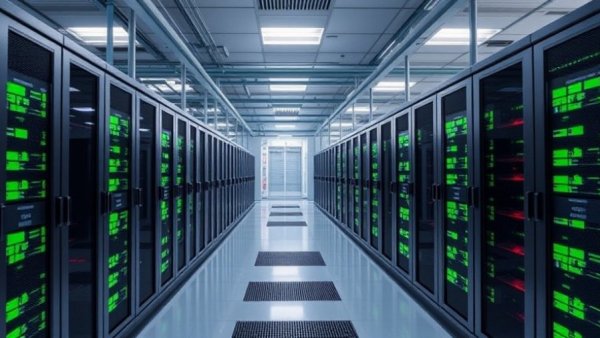
As we marvel at human ingenuity evident in advancements like bionic hands, another sector is simultaneously experiencing a revolution: energy production. The ongoing expansion of data centers fueled by AI technologies is leading to a substantial rise in natural gas utilization across the U.S. The recent revelation that Meta's emissions have surged by 45% is alarming yet unsurprising, given the exponential demand for energy from their data centers. Meta’s plans in Louisiana illustrate a broader trend that intertwines renewable energy ambitions with the stubborn reality of fossil fuels.
As regions attempt to meet the insatiable appetite for data—driven primarily by AI innovations—it’s essential to analyze the longer-term impact of this reliance on natural gas. Energy experts warn of the complexities it introduces into the grid, particularly around sustainability goals. Balancing tech advancements and environmental responsibility must be our guiding principle.
Leverage These Insights to Prepare for the Future
For professionals in healthcare, finance, and sustainability, understanding these technological disruptions is paramount. The rise of bionic prosthetics not only highlights advancements in healthcare technology but underscores the importance of accessibility and personalized medical solutions. This trend encourages us to innovate further, focusing on what it means for patients and public health.
Equally, the discussions surrounding the intensifying natural gas dependency should prompt us to think critically about the energy landscape. As we optimize business models reliant on tech advancements, recognizing potential environmental repercussions must be part of our strategic planning. By staying informed and proactive, we can contribute to crafting a sustainable future.
Conclusion: The Call for Integrity in Innovation
As we navigate these transformative technologies, let their stories inspire our strategies and goals. Embracing both the heartwarming stories of human resilience—like that of Davidson—and the pressing realities of our energy trends will allow us to engage in meaningful dialogues. We have the power to influence the trajectory of technology and sustainability. Let's harness that potential, fostering innovations that not only enhance our lives but also protect our planet.
In the fast-paced world of technology, staying updated on the latest transformations and their implications is essential. Join the conversation about emerging technologies and their applications to mitigate these challenges. Your proactive engagement can shape the future.



Write A Comment