
Unveiling the Future of Naval Technology
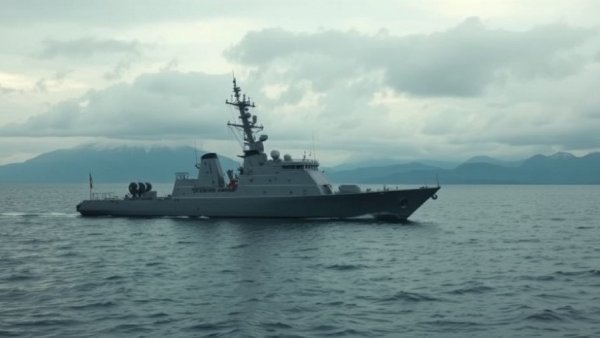
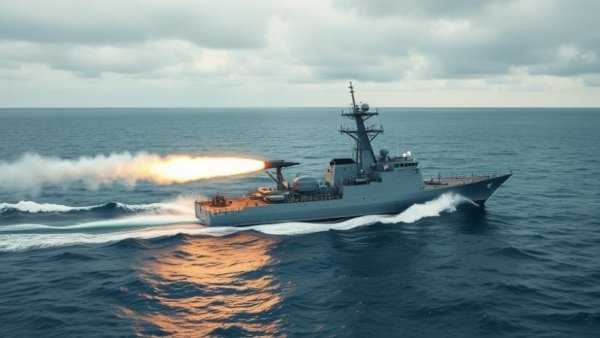
In an era where technology is advancing at an unprecedented pace, the maritime sector is no exception. The Defense Advanced Research Projects Agency (DARPA) is pioneering the future of naval operations with its ambitious No Manning Required Ship (NOMARS) program. Recently, Arc Boats, a marine technology company, was awarded the contract to provide power management and electrical systems for the USX-1 Defiant, an unmanned surface vessel designed to operate without a crew for up to 90 days.
How Arc Boats Is Transforming Maritime Operations
As articulated by Ryan Cook, co-founder and CTO of Arc Boats, the NOMARS program challenges traditional vessel operation norms, creating vessels that can autonomously handle complex tasks at sea. The Defiant exemplifies this new paradigm, featuring high-voltage power management systems that reflect Arc’s expertise in electric propulsion technologies. Unlike conventional ships that require extensive crew facilities, the Defiant does not include berthing or galley areas, emphasizing unmanned operation capabilities that could revolutionize maritime missions.
The Essential Role of Autonomy in Modern Warfare
As the reliance on unmanned vessels in military operations increases, the need for dependable and autonomous power systems becomes crucial. With a fault-tolerant electrical backbone, the Defiant can recover from failures autonomously, a feature that can make or break a mission. This advancement not only enhances mission reliability but also paves the way for longer missions, enabling the vessel to cover vast distances without returning to port.
Looking to the Future: Greater Reliability in Defense Applications
The push for crewless maritime platforms is echoed throughout the defense industry, with numerous programs demonstrating an urgent need for improved powertrains. Arc’s work with the Defiant and its electrical systems will not only support current military applications but may also serve as a blueprint for future defensive technologies. As operational missions evolve, the requirements for power systems will shift, demanding increased reliability and performance.
Culmination of Experience in Nautical Innovation
Arc Boats brings significant experience in constructing high-performance electric-driven vessels and hybrid systems, making their transition into unmanned vehicle solutions a natural progression. By collaborating with DARPA, they are setting benchmarks for what capable and resilient unmanned platforms should look like.
The Community Impact of Advanced Maritime Technology
This technological leap represents more than just a transition to autonomous vessels; it ultimately impacts local communities involved in shipbuilding and maritime operations. Local economies could see benefits through job creation and new initiatives linked with advancing shipbuilding technologies. The shift towards unmanned operations could stimulate innovation, leading to increased research and development opportunities in the maritime sector.
As we witness advancements like the Defiant, the possibilities for maritime operations are expanding, allowing for safer, more efficient missions. Stay tuned as we continue to explore the implications of autonomous ventures in our navy and local shipyards, and their far-reaching effects on community and industry.

Write A Comment