

Innovative Technology on the Great Lakes: A Game Changer for the Coast Guard
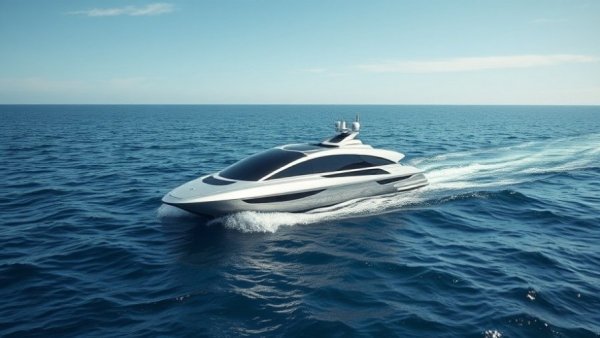
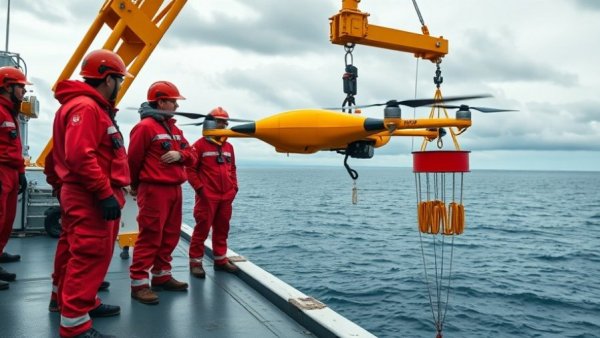
The U.S. Coast Guard has recently wrapped up an exciting seasonal evaluation of six cutting-edge Saildrone Voyager Unmanned Surface Vehicles (USVs) on the Great Lakes. With winter weather fast approaching, these autonomous vessels have provided invaluable insights that could transform maritime operations. The deployment period stretched from April to November 2026, during which the drones collected vital weather data for thousands of square miles of often perilous open waters.
How Saildrones Enhance Coast Guard Operations
These 33-foot drones are not merely futuristic gadgets; they serve as essential tools that amplify the efficiency of Coast Guard missions. Rear Adm. Russell Dash, Commander of the Great Lakes District, emphasized that these autonomous surface vessels are meant to support human crews rather than replace them. The data they gather helps Coast Guard personnel prioritize life-saving missions, especially during the Great Lakes' rapidly changing weather conditions.
Real-Time Data: A Lifesaver in Critical Moments
One of the key functions of the Saildrone vessels is their ability to provide real-time weather and wave forecasts, crucial for search and rescue operations. In emergencies, knowing the exact conditions can dictate the success or failure of a rescue. These drones can assess wind speed, wave height, and even water temperature—allowing rescue crews to prepare thoroughly before they head out.
Fisheries Protection and Enhanced Surveillance
The Great Lakes’ fisheries are vital not just for local sportsmen but for the entire ecosystem. The USVs aid fisheries enforcement officers by maintaining surveillance along the international maritime boundary line, ensuring that commercial fishing practices remain compliant with regulations. This ensures the sustainability of local fish populations, protecting the livelihoods of those who rely on them.
Cost Efficiency and Enhanced Readiness
Deploying drones means that human resources can be conserved for high-priority missions. As the Coast Guard focuses on immediate threats and rescue missions, having automated systems to handle routine observations makes a significant difference. It empowers Coast Guard personnel to be more efficient and responsive when emergencies arise.
Maintaining Privacy While Harnessing Technology
Equipped with marine radar, meteorological instruments, and an optical camera, these USVs collect valuable data while respecting privacy. The Coast Guard has put strict guidelines in place to ensure that the information captured is handled responsibly and ethically. The optical cameras only take periodic still photographs and do not utilize features like facial recognition, prioritizing the public's privacy above all.
Looking Ahead: A Promising Future for Autonomous Maritime Technology
The insights gained from this testing phase will inform ongoing evaluations and innovations. In Spring 2027, the Coast Guard plans to conduct further tests to explore how these technologies can continue to enhance maritime safety and operational efficiency. With technology advancing rapidly, the implications for coast guard operations and public safety are enormous.
As we embrace these technological advances, we might just find that the next generation of maritime safety is powered by autonomous vessels, making our lakes safer for everyone.

Write A Comment