Moss Point Gulf Coast Tech

Gulf Coast Tech

  • Home
  • About
  • Categories
    • Tech News
    • Trending News
    • Tomorrow Tech
    • Disruption
    • Case Study
    • Infographic
    • Insurance
    • Shipbuilding
    • Technology
    • Final Expense
    • Expert Interview
    • Expert Comment
    • Shipyard Employee
  • Mississippio
November 22.2026
3 Minutes Read

Hypersonic Upgrade of USS Michael Monsoor: What It Means for the Navy

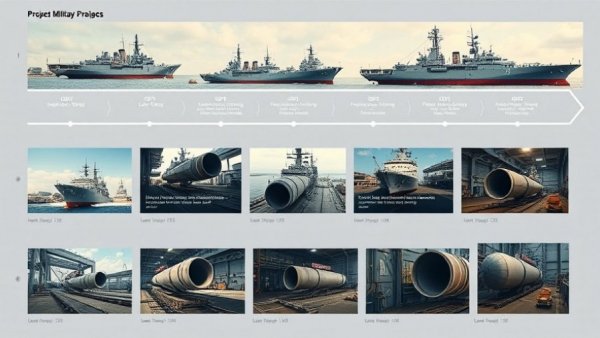
USS Michael Monsoor hypersonic upgrade phases visualized.

The Future of the U.S. Navy: Harnessing the Power of Hypersonic Technology

The U.S. Navy is gearing up to transform the USS Michael Monsoor (DDG-1001) into a leading-edge anti-sea threat as it prepares for the third major upgrade of the Zumwalt-class destroyers. This multimillion-dollar overhaul, slated to commence in May 2028, is set to equip the steamboat with the revolutionary Conventional Prompt Strike (CPS) hypersonic missile system. This modernization effort reflects a broader trend across the Navy to enhance its capabilities for swift, precise strikes that are increasingly vital in modern warfare.

A Deep Dive into the Zumwalt-Class Upgrades

As the Navy looks to strengthen its maritime force, the upgrade of the USS Michael Monsoor comes on the heels of previous successful conversions of its sister ships, USS Zumwalt (DDG-1000) and USS Lyndon B. Johnson (DDG-1002). These upgrades involve significant structural modifications and reconfigurations that will allow for the integration of the CPS missile system, a game-changer in shipboard ordnance.

The Navy’s modernization process will replace the current Advanced Gun Systems with innovative vertical launch systems, which are designed to provide flexibility and firepower that could redefine naval engagements. This step marks a pivotal shift in the Navy’s strategic capabilities, particularly as hypersonic missiles promise to outpace enemy defenses, making them a formidable asset in combat.

Structural Innovations: The Heart of the Modernization

At the core of this upgrade is a host of structural innovations aimed at boosting performance across operational frameworks. Substantial enhancements will include improvements to electrical and thermal management systems, which are essential for the demands of modern weapon systems. The Navy plans to incorporate high-efficiency chilled-water cooling equipment and next-generation power distribution systems to support the hypersonic armament.

One exciting aspect of the modernization process is the extensive refresh of the Total Ship Computing Environment (TSCE). This upgrade will intertwine new hardware and software capabilities that strengthen computational architecture, enabling better integration with advanced combat systems. The open-architecture approach ensures flexibility and future-proofing as technological advancements continue to emerge.

What's at Stake: The Navy's Strategic Maneuvers

Once the modernization is complete, by 2030, the U.S. Navy will have a trio of advanced CPS-armed destroyers positioned at Pearl Harbor, poised to assert maritime dominance alongside an array of guided-missile submarines. This innovative positioning will serve as a modern-day continuation of the famed “Battleship Row,” highlighting the Navy's renewed focus on Pacific operations amidst geopolitical tensions.

Furthermore, the decision to house these advanced warships at Pearl Harbor reflects broader strategies aimed at enhancing the Asia-Pacific theater's security landscape. As the command signals readiness for the future of naval combat, regional allies are sure to take note of this augmented military posture.

Imagining the Future of Naval Warfare

The U.S. Navy's movement toward integrating hypersonic technology is indicative of future warfare trends, where speed and precision will increasingly dictate the outcomes of conflicts. The implications of hypersonic weaponry extend beyond pure combat scenarios; they reshape the defense strategies of potential adversaries and influence international relations.

While the Navy positions itself as a frontline innovator in maritime defense, discussions surrounding the ramifications of such rapid advancements are vital. Opposition voices advocate for clearer strategies outlining how such capabilities will be utilized, analyzed through ethical and tactical lenses.

Final Thoughts: What This Means for the Public and Shipbuilding Industry

As these modernizations unfold, they present tremendous opportunities for the defense and shipbuilding industries. The need for skilled labor at shipyards and innovative ship design will grow, stimulating job creation and advanced engineering efforts. The public should remain informed as these developments carry significant implications not only for military readiness but for the economic vitality of shipbuilding hubs across the country.

Embracing the evolving landscape of naval technology invites us all to reflect on the importance of innovation—not only for military applications but for our society's overall security and growth. With every upgrade of vessels like the USS Michael Monsoor, we are reminded that the seas are ever-changing, and our naval forces must evolve accordingly.


Tech News

0 Comments

Write A Comment

*
*
Please complete the captcha to submit your comment.
Related Posts All Posts
11.21.2026

Exploring the Future of German Navy's F128 Frigate at Euronaval 2026

Update Setting Sail: The Future of the German Navy's F128 FrigateAt the recent Euronaval 2026 exhibition, TKMS unveiled an exciting glimpse into the future with its first scale model of the F128 frigate, marking a significant advancement in naval technology and design. This new addition to the German Navy is strategically essential as Germany seeks to modernize its maritime defenses amid evolving global threats. The F128 frigate reflects not only a response to current military needs but also a commitment to long-term strategic planning in maritime security.Design Features: Innovation Meets NecessityThe F128 frigate is based on the proven MEKO A-200 platform, already in use by other navies around the world including those of South Africa, Egypt, and Algeria. What sets the German version apart is its designated enhancements tailored to contemporary combat requirements. With a length of 121 meters and a displacement of over 4,000 tonnes at full load, the F128 is engineered for both speed and stealth, capable of exceeding speeds of 29 knots while covering an impressive range of 6,000 nautical miles at consistent speeds. The combination of these features allows it to effectively engage in various naval operations, from anti-piracy to humanitarian missions.Combat Readiness: Equipped to ProtectEquipped with state-of-the-art weaponry and sensor systems, the F128 frigate is built to tackle modern maritime challenges effectively. Key armaments include the OTO 76/62 SR gun at the bow, a vertical launch system (Mk41 VLS) with 16 cells for missiles, and various radar systems optimized for targeting and navigation. These features ensure that it can respond adeptly to both traditional naval combat scenarios and emerging asymmetric threats. Furthermore, the frigate's design incorporates advanced stealth technology to minimize detection, enhancing its operational effectiveness in high-stakes environments.The Technological Edge: Advanced Sensors and SurveillanceOne of the standout attributes of the F128 is the integration of advanced sensor technology within Saab's SLIM mast. This innovative design facilitates 360° surveillance, employing multiple radar systems including the Sea Giraffe 4A FF S-band radar. Such capabilities enhance situational awareness dramatically, enabling the frigate to detect and engage potential threats before they become a danger. Additionally, the mast houses a variety of electro-optical systems, ensuring comprehensive threat assessment across diverse operational scenarios. The integration of these sensors not only improves reaction times but also reinforces the tactical advantage of the frigate in joint operations.The Broader Context: Strengthening German Naval PowerThe introduction of the F128 class is not just about building ships; it's a reflection of Germany's commitment to strengthening its naval capabilities following the cancellation of the F126 frigate program. With plans to acquire four F128 frigates and options for an additional four, Germany signals a robust response to the demands of modern security challenges. This upgrade is essential to meet NATO obligations and respond to regional stability concerns, showcasing Germany's proactive stance in maritime defense.Global Enthusiasm: The Future of Naval WarfareAs countries around the globe upgrade their naval forces, the unveiling of the F128 frigate model at Euronaval resonates far beyond German borders. The strategic importance of naval power in global politics cannot be overstated, and the F128 is set to play a pivotal role in maintaining maritime security and cooperation in international waters. The support for advanced frigate programs is indicative of a broader trend towards modernization among European navies, reinforcing alliances and promoting collaborative maritime strategies.The Impact on Local Industry and EmploymentBeyond its strategic significance, the development of the F128 frigate has a substantial impact on the local shipbuilding industry and employment. The production of these state-of-the-art vessels will create jobs, offering numerous opportunities for skilled workers in the region. As Germany invests in its naval capabilities, it also boosts local economies and fosters innovation through advanced technologies, ensuring that local businesses benefit from these contracts.Takeaway: A Naval Game-ChangerThe F128 frigate represents not only an advancement in ship design but also an evolution in naval warfare strategy. By adopting cutting-edge technology and versatile weapon systems, it ensures that Germany can maintain its maritime sovereignty while contributing to NATO and allied operations effectively. As this model proceeds through the development and construction phases, it will undoubtedly become a cornerstone of Germany's naval fleet. The implications of this project extend beyond mere military capability, reflecting a deep commitment to national security, economic vitality, and international collaboration in the face of evolving global threats.

11.20.2026

Reusing Expired Munitions: What It Means for Naval Readiness and Future Conflicts

Update Expired Munitions: A Controversial Choice in Modern WarfareDuring a recent Senate Armed Services Committee hearing, U.S. Navy Acting Secretary Hung Cao revealed a startling fact: the Navy utilized missiles during the war with Iran that had been labeled as expired. Characterized as "code echo" and "code foxtrot," these munitions were deemed unserviceable yet allowed to be reutilized after undergoing a recoding process. This admission has raised significant questions about military practices and the implications of using aged munitions in active combat scenarios. The very notion of employing expired armaments may raise alarms among the public about safety, reliability, and the military's approach to warfare.The Military's Munitions CrisisThis disclosure comes amid growing concerns about a shortage of munitions within the U.S. military, particularly following the rapid depletion of Tomahawk missiles during Operation Epic Fury. Reports indicated that upwards of 850 missiles were fired shortly after the conflict began, confirming the urgent need for replenishment. Such a rapid rate of consumption has strained the military's existing supply chains. To address these issues, the military's contract with Raytheon for $22.9 billion aims to drastically ramp up missile production from the current 60 to over 1,000 annually. This substantial increase reflects an acknowledgment of the changing landscape of modern warfare where the U.S. may find itself engaged in multiple conflicts or support missions simultaneously. As Acting Secretary Cao noted, "We need a larger inventory" to prepare for current and future operations, emphasizing the necessity of maintaining a stable supply chain for effective combat readiness.Understanding the Process: How Expired Munitions Are RecodedAccording to analysts like Kelly Grieco from the Stimson Center, the decision to use expired munitions hinges on rigorous checks to ensure their efficacy remains intact. Much like pharmaceuticals that retain their effectiveness past their expiration date, it's about assessing the structural integrity and suitability of the munitions for use. The recoding process is essential in determining whether the military can safely deploy these materials without increasing risk to personnel or missions. While Cao acknowledged this practice, he did not detail the specific procedures involved in the recoding process, which is crucial for accountability and trust in military operations. Knowing whether these munitions have undergone thorough evaluations helps to build confidence in the defense strategies being employed.Public Reaction and ImplicationsThe revelation of using expired munitions is likely to stir public and political discourse about military readiness and safety. As citizens increasingly demand transparency in government actions, scrutiny will mount regarding how military resources are managed, especially in high-stakes scenarios like the ongoing conflict with Iran. Concerns about risking lives with unreliable munitions, even if recoded, can lead to widespread public criticism and calls for reforms. Questions about risk and operational efficiency must be balanced against practical realities like budget constraints and the pressure to act swiftly in combat. Many voters expect their leaders to ensure that the military is adequately equipped and not cutting corners in weapon preparedness.Future Considerations: The Need for InnovationMoving forward, the military's use of expired munitions raises an essential question: is this a sustainable strategy? With technological advancements in warfare, relying on dated materials may not only be a short-term fix but could also hinder future operational effectiveness. In an era where emerging technologies such as artificial intelligence and advanced combat drones are becoming pivotal, sticking with older munitions may be viewed as antiquated thinking. As new technologies emerge, the military must consider the development of innovative solutions that continuously meet high standards of safety and efficiency while ensuring the operational readiness of our armed forces. Additionally, investing in research and development could provide longer-term benefits by reducing the dependency on expired stock and fostering a more robust military capability.Ultimately, the use of expired munitions presents both a challenge and an opportunity for the U.S. military. By addressing the underlying issues of munitions shortages and prioritizing responsible management of resources, the military can not only improve its operational capacity but also restore public trust in its commitment to safety and effectiveness in combat.

11.20.2026

Argentina's Strategic Step: Exploring Acquisition of FCX20 Corvettes

Update The Argentine Navy Eyes Advanced FCX20 Corvettes: A Strategic Move The Argentine Navy is making headlines with its intent to acquire up to three cutting-edge FCX20 corvettes developed by Italian shipbuilder Fincantieri. This move is aimed at enhancing its naval capabilities and reflects a broader trend where countries opt for modern, versatile naval vessels amid changing global maritime dynamics. The FCX20 corvettes are designed to meet the demands of 21st-century naval warfare, making them a valuable addition to Argentina's fleet. What are FCX20 Corvettes? The FCX20 is a state-of-the-art corvette, featuring a modern design and advanced onboard technology. Designed to operate effectively in various combat environments, including blue-water operations, these vessels are equipped with powerful combat systems. With a length of 95 meters and a displacement of approximately 2300 tons, the FCX20 is built to handle complex naval tasks. Incorporating top-tier technological advancements, the FCX20 features a powerful combat system that makes it adaptable and effective in multiple operational scenarios. It includes multifunctional radar, missile systems, and advanced communication technologies, placing it at the forefront of modern naval warfare. This modern corvette not only enhances Argentina's tactical capabilities but also reflects a commitment to providing the Navy with the best resources to defend its maritime interests. Paving the Way for Cooperation: Insights from the Letter of Intent The Letter of Intent (LoI) was signed recently in Rome, symbolizing a significant step towards international military cooperation. Argentina's Defense Minister highlighted the importance of this agreement, which signifies a long-term partnership that underscores not only technical cooperation but also the strengthening of industrial ties between Italy and Argentina. This understanding plays a crucial role in solidifying defense relationships between the two nations, facilitating shared investment in future naval capabilities. Furthermore, the agreement sets the stage for exploring additional opportunities for collaboration in the naval sector, potentially allowing Argentina to examine other vessels currently in service or under development. By taking advantage of Italian shipbuilding expertise, Argentina aims to develop and augment its own naval construction capabilities, which is essential for maintaining national security and sovereignty. Broader Implications for Argentina’s Naval Strategy This acquisition is part of Argentina's larger strategy to modernize its navy. In recent years, many countries have shifted towards enhancing their naval capabilities as a response to geopolitical tensions and the need for greater maritime security. By investing in advanced platforms like the FCX20, Argentina is aiming to bolster its defense mechanisms and assert its maritime presence in the South Atlantic region. Notably, the South Atlantic is rich in resources and strategic shipping routes, making the area a focal point for naval activity and potential conflict. Argentina's modernization efforts can be seen as a proactive measure to protect these vital interests as well as its territorial claims in the region. Future Predictions: What This Means for Naval Capabilities in the Region As nations around the world invest in their naval fleets, Argentina's decision to acquire the FCX20 corvettes could set a precedent for enhanced naval engagement in the region. This acquisition could also motivate neighboring countries to similarly upgrade their fleets, fostering a naval arms race or, conversely, encouraging collective security strategies. The enhanced capabilities of the FCX20 could enable Argentina to participate more effectively in multinational exercises, humanitarian missions, and maritime security operations. Additionally, the corvette's capability to operate autonomously or as part of a larger combat task group enhances the potential for collaboration in joint operations with regional partners. Cooperation with other South American naval forces could lead to a more unified approach to tackling mutual challenges, such as illegal fishing and piracy. Conclusion: A New Chapter for the Argentine Navy The potential acquisition of FCX20 corvettes marks a pivotal step forward for the Argentine Navy. By integrating advanced technology and fostering international partnerships, Argentina is positioning itself as a relevant player in global naval affairs. As this exciting development unfolds, it will be essential for the defense community to pay attention to how it shapes regional dynamics. Stay tuned for more updates on this initiative and its implications for naval capabilities in Argentina and beyond. The Argentine Navy’s commitment to modernization not only reflects national priorities but also serves as an example for other nations seeking to enhance their naval defense capabilities in an evolving global landscape.

Gulf Coast Tech

Moss Point Gulf Coast Tech, your premier destination for the latest tech news and innovations shaping the Gulf Coast and beyond.

228 355 0244

AVAILABLE FROM 10AM - 9PM

Pascagoula, Mississippi

3414 Shortcut Rd.
Pascagoula, MS 39581 USA

ABOUT US

Gulf Coast Tech delivers the latest tech news and innovations to the Gulf Coast audience every day.

© 2026 JimBroad Media All Rights Reserved. 3414 Shortcut Rd, Pascagoula, MS 39581 . Contact Us . Terms of Service . Privacy Policy

eyJjb21wYW55IjoiSmltQnJvYWQgTWVkaWEiLCJhZGRyZXNzIjoiMzQxNCBTaG9ydGN1dCBSZCwgUGFzY2Fnb3VsYSwgTVMgMzk1ODEiLCJjaXR5IjoiUGFzY2Fnb3VsYSIsInN0YXRlIjoiTVMiLCJ6aXAiOiIzOTU4MSIsImVtYWlsIjoiamltQHJicHRlYW0uY29tIiwidG9zIjoiUEhBK1BITjBjbTl1Wno0OFpXMCtWMmhsYmlCNWIzVWdjMmxuYmkxcGJpQjNhWFJvSUhWekxDQjViM1VnWVhKbElHZHBkbWx1WnladVluTndPeUI1YjNWeUlIQmxjbTFwYzNOcGIyNGdZVzVrSUdOdmJuTmxiblFnZEc4Z2MyVnVaQ0I1YjNVZ1pXMWhhV3dnWVc1a0wyOXlJRk5OVXlCMFpYaDBJRzFsYzNOaFoyVnpMaUJDZVNCamFHVmphMmx1WnlCMGFHVWdWR1Z5YlhNZ1lXNWtJRU52Ym1ScGRHbHZibk1nWW05NElHRnVaQ0JpZVNCemFXZHVhVzVuSUdsdUlIbHZkU0JoZFhSdmJXRjBhV05oYkd4NUlHTnZibVpwY20wZ2RHaGhkQ0I1YjNVZ1lXTmpaWEIwSUdGc2JDQjBaWEp0Y3lCcGJpQjBhR2x6SUdGbmNtVmxiV1Z1ZEM0OEwyVnRQand2YzNSeWIyNW5Qand2Y0Q0S0NqeHdQanhoSUdoeVpXWTlJbWgwZEhBNkx5OTNkM2N1WjI5dloyeGxMbU52YlNJK2FIUjBjRG92TDNkM2R5NW5iMjluYkdVdVkyOXRQQzloUGp3dmNENEtDanh3UGladVluTndPend2Y0Q0S0NqeHdQanh6ZEhKdmJtYytVMFZTVmtsRFJUd3ZjM1J5YjI1blBqd3ZjRDRLQ2p4d1BsZGxJSEJ5YjNacFpHVWdZU0J6WlhKMmFXTmxJSFJvWVhRZ1kzVnljbVZ1ZEd4NUlHRnNiRzkzY3lCNWIzVWdkRzhnY21WalpXbDJaU0J5WlhGMVpYTjBjeUJtYjNJZ1ptVmxaR0poWTJzc0lHTnZiWEJoYm5rZ2FXNW1iM0p0WVhScGIyNHNJSEJ5YjIxdmRHbHZibUZzSUdsdVptOXliV0YwYVc5dUxDQmpiMjF3WVc1NUlHRnNaWEowY3l3Z1kyOTFjRzl1Y3l3Z1pHbHpZMjkxYm5SeklHRnVaQ0J2ZEdobGNpQnViM1JwWm1sallYUnBiMjV6SUhSdklIbHZkWElnWlcxaGFXd2dZV1JrY21WemN5QmhibVF2YjNJZ1kyVnNiSFZzWVhJZ2NHaHZibVVnYjNJZ1pHVjJhV05sTGlCWmIzVWdkVzVrWlhKemRHRnVaQ0JoYm1RZ1lXZHlaV1VnZEdoaGRDQjBhR1VnVTJWeWRtbGpaU0JwY3lCd2NtOTJhV1JsWkNBbWNYVnZkRHRCVXkxSlV5WnhkVzkwT3lCaGJtUWdkR2hoZENCM1pTQmhjM04xYldVZ2JtOGdjbVZ6Y0c5dWMybGlhV3hwZEhrZ1ptOXlJSFJvWlNCMGFXMWxiR2x1WlhOekxDQmtaV3hsZEdsdmJpd2diV2x6TFdSbGJHbDJaWEo1SUc5eUlHWmhhV3gxY21VZ2RHOGdjM1J2Y21VZ1lXNTVJSFZ6WlhJZ1kyOXRiWFZ1YVdOaGRHbHZibk1nYjNJZ2NHVnljMjl1WVd4cGVtRjBhVzl1SUhObGRIUnBibWR6TGp3dmNENEtDanh3UGxsdmRTQmhjbVVnY21WemNHOXVjMmxpYkdVZ1ptOXlJRzlpZEdGcGJtbHVaeUJoWTJObGMzTWdkRzhnZEdobElGTmxjblpwWTJVZ1lXNWtJSFJvWVhRZ1lXTmpaWE56SUcxaGVTQnBiblp2YkhabElIUm9hWEprSUhCaGNuUjVJR1psWlhNZ0tITjFZMmdnWVhNZ1UwMVRJSFJsZUhRZ2JXVnpjMkZuWlhNc0lFbHVkR1Z5Ym1WMElITmxjblpwWTJVZ2NISnZkbWxrWlhJZ2IzSWdZMlZzYkhWc1lYSWdZV2x5ZEdsdFpTQmphR0Z5WjJWektTNGdXVzkxSUdGeVpTQnlaWE53YjI1emFXSnNaU0JtYjNJZ2RHaHZjMlVnWm1WbGN5d2dhVzVqYkhWa2FXNW5JSFJvYjNObElHWmxaWE1nWVhOemIyTnBZWFJsWkNCM2FYUm9JSFJvWlNCa2FYTndiR0Y1SUc5eUlHUmxiR2wyWlhKNUlHOW1JR1ZoWTJnZ1UwMVRJSFJsZUhRZ2JXVnpjMkZuWlNCelpXNTBJSFJ2SUhsdmRTQmllU0IxY3k0Z1NXNGdZV1JrYVhScGIyNHNJSGx2ZFNCdGRYTjBJSEJ5YjNacFpHVWdZVzVrSUdGeVpTQnlaWE53YjI1emFXSnNaU0JtYjNJZ1lXeHNJR1Z4ZFdsd2JXVnVkQ0J1WldObGMzTmhjbmtnZEc4Z1lXTmpaWE56SUhSb1pTQlRaWEoyYVdObElHRnVaQ0J5WldObGFYWmxJSFJvWlNCVFRWTWdkR1Y0ZENCdFpYTnpZV2RsY3k0Z1YyVWdaRzhnYm05MElHTm9ZWEpuWlNCaGJua2dabVZsY3lCbWIzSWdaR1ZzYVhabGNua2diMllnWlcxaGFXd2diM0lnVTAxVExpQlVhR2x6SUdseklHRWdabkpsWlNCelpYSjJhV05sSUhCeWIzWnBaR1ZrSUdKNUlIVnpMaUJJYjNkbGRtVnlMQ0J3YkdWaGMyVWdZMmhsWTJzZ2QybDBhQ0I1YjNWeUlHbHVkR1Z5Ym1WMElITmxjblpwWTJVZ2NISnZkbWxrWlhJZ1lXNWtJR05sYkd4MWJHRnlJR05oY25KcFpYSWdabTl5SUdGdWVTQmphR0Z5WjJWeklIUm9ZWFFnYldGNUlHbHVZM1Z5SUdGeklHRWdjbVZ6ZFd4MElHWnliMjBnY21WalpXbDJhVzVuSUdWdFlXbHNJR0Z1WkNCVFRWTWdkR1Y0ZENCdFpYTnpZV2RsY3lCMGFHRjBJSGRsSUdSbGJHbDJaWElnZFhCdmJpQjViM1Z5SUc5d2RDMXBiaUJoYm1RZ2NtVm5hWE4wY21GMGFXOXVJSGRwZEdnZ2IzVnlJR1Z0WVdsc0lHRnVaQ0JUVFZNZ2MyVnlkbWxqWlhNdUlGbHZkU0JqWVc0Z1kyRnVZMlZzSUdGMElHRnVlU0IwYVcxbExpQktkWE4wSUhSbGVIUWdKbkYxYjNRN1UxUlBVQ1p4ZFc5ME95QjBieVp1WW5Od096eG9hV2RvYkdsbmFIUWdZMnhoYzNNOUltTnZiWEJoYm5sVFRWTlFhRzl1WlZWd1pHRjBaU0krYm5Wc2JEd3ZhR2xuYUd4cFoyaDBQaTRnUVdaMFpYSWdlVzkxSUhObGJtUWdkR2hsSUZOTlV5QnRaWE56WVdkbElDWnhkVzkwTzFOVVQxQW1jWFZ2ZERzZ2RHOGdkWE1zSUhkbElIZHBiR3dnYzJWdVpDQjViM1VnWVc0Z1UwMVRJRzFsYzNOaFoyVWdkRzhnWTI5dVptbHliU0IwYUdGMElIbHZkU0JvWVhabElHSmxaVzRnZFc1emRXSnpZM0pwWW1Wa0xpQkJablJsY2lCMGFHbHpMQ0I1YjNVZ2QybHNiQ0J1YnlCc2IyNW5aWElnY21WalpXbDJaU0JUVFZNZ2JXVnpjMkZuWlhNZ1puSnZiU0IxY3k0OEwzQStDZ284Y0Q0OGMzUnliMjVuUGxsUFZWSWdVa1ZIU1ZOVVVrRlVTVTlPSUU5Q1RFbEhRVlJKVDA1VFBDOXpkSEp2Ym1jK1BDOXdQZ29LUEhBK1NXNGdZMjl1YzJsa1pYSmhkR2x2YmlCdlppQjViM1Z5SUhWelpTQnZaaUIwYUdVZ1UyVnlkbWxqWlN3Z2VXOTFJR0ZuY21WbElIUnZPand2Y0Q0S0NqeHZiRDRLQ1R4c2FUNXdjbTkyYVdSbElIUnlkV1VzSUdGalkzVnlZWFJsTENCamRYSnlaVzUwSUdGdVpDQmpiMjF3YkdWMFpTQnBibVp2Y20xaGRHbHZiaUJoWW05MWRDQjViM1Z5YzJWc1ppQmhjeUJ3Y205dGNIUmxaQ0JpZVNCMGFHVWdVMlZ5ZG1salpTWWpNems3Y3lCeVpXZHBjM1J5WVhScGIyNGdabTl5YlNBb2MzVmphQ0JwYm1admNtMWhkR2x2YmlCaVpXbHVaeUIwYUdVZ0puRjFiM1E3VW1WbmFYTjBjbUYwYVc5dUlFUmhkR0VtY1hWdmREc3BJR0Z1WkR3dmJHaytDZ2s4YkdrK2JXRnBiblJoYVc0Z1lXNWtJSEJ5YjIxd2RHeDVJSFZ3WkdGMFpTQjBhR1VnVW1WbmFYTjBjbUYwYVc5dUlFUmhkR0VnZEc4Z2EyVmxjQ0JwZENCMGNuVmxMQ0JoWTJOMWNtRjBaU3dnWTNWeWNtVnVkQ0JoYm1RZ1kyOXRjR3hsZEdVdUlFbG1JSGx2ZFNCd2NtOTJhV1JsSUdGdWVTQnBibVp2Y20xaGRHbHZiaUIwYUdGMElHbHpJSFZ1ZEhKMVpTd2dhVzVoWTJOMWNtRjBaU3dnYm05MElHTjFjbkpsYm5RZ2IzSWdhVzVqYjIxd2JHVjBaU3dnYjNJZ2QyVWdhR0YyWlNCeVpXRnpiMjVoWW14bElHZHliM1Z1WkhNZ2RHOGdjM1Z6Y0dWamRDQjBhR0YwSUhOMVkyZ2dhVzVtYjNKdFlYUnBiMjRnYVhNZ2RXNTBjblZsTENCcGJtRmpZM1Z5WVhSbExDQnViM1FnWTNWeWNtVnVkQ0J2Y2lCcGJtTnZiWEJzWlhSbExDQjNaU0JvWVhabElIUm9aU0J5YVdkb2RDQjBieUJ6ZFhOd1pXNWtJRzl5SUR4emRISnZibWMrUEhOd1lXNGdjM1I1YkdVOUltTnZiRzl5T2lOR1JqQXdNREE3SWo1MFpYSnRhVzVoZEdVZ2VXOTFjaUJoWTJOdmRXNTBMM0J5YjJacGJHVWdZVzVrSUhKbFpuVnpaU0JoYm5rZ1lXNWtJR0ZzYkNCamRYSnlaVzUwSUc5eUlHWjFkSFZ5WlNCMWMyVWdiMllnZEdobElGTmxjblpwWTJVZ0tHOXlJR0Z1ZVNCd2IzSjBhVzl1SUhSb1pYSmxiMllwTGp3dmMzQmhiajQ4TDNOMGNtOXVaejQ4TDJ4cFBnbzhMMjlzUGdvS1BIQStKbTVpYzNBN1BDOXdQZ284YUdsbmFHeHBaMmgwSUdOc1lYTnpQU0pqYjIxd1lXNTVUbUZ0WlZWd1pHRjBaU0krU21sdFFuSnZZV1FnVFdWa2FXRThMMmhwWjJoc2FXZG9kRDQ4WW5JZ0x6NEtQR2hwWjJoc2FXZG9kQ0JqYkdGemN6MGlZMjl0Y0dGdWVVRmtaSEpsYzNOVmNHUmhkR1VpUGpNME1UUWdVMmh2Y25SamRYUWdVbVFzSUZCaGMyTmhaMjkxYkdFc0lFMVRJRE01TlRneFBDOW9hV2RvYkdsbmFIUStQR0p5SUM4K0NqeG9hV2RvYkdsbmFIUWdZMnhoYzNNOUltTnZiWEJoYm5sUWFHOXVaVlZ3WkdGMFpTSStLekVnS3pFeU1qZ3pOVFV3TWpRMFBDOW9hV2RvYkdsbmFIUStQR0p5SUM4K0NqeG9hV2RvYkdsbmFIUWdZMnhoYzNNOUltTnZiWEJoYm5sRmJXRnBiRlZ3WkdGMFpTSSthbWx0UUhKaWNIUmxZVzB1WTI5dFBDOW9hV2RvYkdsbmFIUSsiLCJwcml2YWN5IjoiUEhBK1BITjBjbTl1Wno1UVVrbFdRVU5aUEM5emRISnZibWMrUEM5d1Bnb0tQSEErUEhOMGNtOXVaejVVYUdVZ2FXNW1iM0p0WVhScGIyNGdjSEp2ZG1sa1pXUWdaSFZ5YVc1bklIUm9hWE1nY21WbmFYTjBjbUYwYVc5dUlHbHpJR3RsY0hRZ2NISnBkbUYwWlNCaGJtUWdZMjl1Wm1sa1pXNTBhV0ZzTENCaGJtUWdkMmxzYkNCdVpYWmxjaUJpWlNCa2FYTjBjbWxpZFhSbFpDd2dZMjl3YVdWa0xDQnpiMnhrTENCMGNtRmtaV1FnYjNJZ2NHOXpkR1ZrSUdsdUlHRnVlU0IzWVhrc0lITm9ZWEJsSUc5eUlHWnZjbTB1SUZSb2FYTWdhWE1nYjNWeUlHZDFZWEpoYm5SbFpTNDhMM04wY205dVp6NDhMM0ErQ2dvOGNENDhjM1J5YjI1blBrbE9SRVZOVGtsVVdUd3ZjM1J5YjI1blBqd3ZjRDRLQ2p4d1BqeGxiVDVaYjNVZ1lXZHlaV1VnZEc4Z2FXNWtaVzF1YVdaNUlHRnVaQ0JvYjJ4a0lIVnpMQ0JoYm1RZ2FYUnpJSE4xWW5OcFpHbGhjbWxsY3l3Z1lXWm1hV3hwWVhSbGN5d2diMlptYVdObGNuTXNJR0ZuWlc1MGN5d2dZMjh0WW5KaGJtUmxjbk1nYjNJZ2IzUm9aWElnY0dGeWRHNWxjbk1zSUdGdVpDQmxiWEJzYjNsbFpYTXNJR2hoY20xc1pYTnpJR1p5YjIwZ1lXNTVJR05zWVdsdElHOXlJR1JsYldGdVpDd2dhVzVqYkhWa2FXNW5JSEpsWVhOdmJtRmliR1VnWVhSMGIzSnVaWGx6SmlNek9Uc2dabVZsY3l3Z2JXRmtaU0JpZVNCaGJua2dkR2hwY21RZ2NHRnlkSGtnWkhWbElIUnZJRzl5SUdGeWFYTnBibWNnYjNWMElHOW1JRU52Ym5SbGJuUWdlVzkxSUhKbFkyVnBkbVVzSUhOMVltMXBkQ3dnY21Wd2JIa3NJSEJ2YzNRc0lIUnlZVzV6YldsMElHOXlJRzFoYTJVZ1lYWmhhV3hoWW14bElIUm9jbTkxWjJnZ2RHaGxJRk5sY25acFkyVXNJSGx2ZFhJZ2RYTmxJRzltSUhSb1pTQlRaWEoyYVdObExDQjViM1Z5SUdOdmJtNWxZM1JwYjI0Z2RHOGdkR2hsSUZObGNuWnBZMlVzSUhsdmRYSWdkbWx2YkdGMGFXOXVJRzltSUhSb1pTQlVUMU1zSUc5eUlIbHZkWElnZG1sdmJHRjBhVzl1SUc5bUlHRnVlU0J5YVdkb2RITWdiMllnWVc1dmRHaGxjaTQ4TDJWdFBqd3ZjRDRLQ2p4d1BqeHpkSEp2Ym1jK1JFbFRRMHhCU1UxRlVpQlBSaUJYUVZKU1FVNVVTVVZUUEM5emRISnZibWMrUEM5d1Bnb0tQSEErUEhOMGNtOXVaejVaVDFVZ1JWaFFVa1ZUVTB4WklGVk9SRVZTVTFSQlRrUWdRVTVFSUVGSFVrVkZJRlJJUVZRNlBDOXpkSEp2Ym1jK1BDOXdQZ29LUEc5c1Bnb0pQR3hwUGxsUFZWSWdWVk5GSUU5R0lGUklSU0JUUlZKV1NVTkZJRWxUSUVGVUlGbFBWVklnVTA5TVJTQlNTVk5MTGlCVVNFVWdVMFZTVmtsRFJTQkpVeUJRVWs5V1NVUkZSQ0JQVGlCQlRpQW1jWFZ2ZER0QlV5QkpVeVp4ZFc5ME95QkJUa1FnSm5GMWIzUTdRVk1nUVZaQlNVeEJRa3hGSm5GMWIzUTdJRUpCVTBsVExpQXNMaUJCVGtRZ1ZWTXNJRWxVSmlNek9UdFRJRU5WVTFSUFRVVlNVeXdnUlZoUVVrVlRVMHhaSUVSSlUwTk1RVWxOVXlCQlRFd2dWMEZTVWtGT1ZFbEZVeUJQUmlCQlRsa2dTMGxPUkN3Z1YwaEZWRWhGVWlCRldGQlNSVk5USUU5U0lFbE5VRXhKUlVRc0lFbE9RMHhWUkVsT1J5d2dRbFZVSUU1UFZDQk1TVTFKVkVWRUlGUlBJRlJJUlNCSlRWQk1TVVZFSUZkQlVsSkJUbFJKUlZNZ1QwWWdUVVZTUTBoQlRsUkJRa2xNU1ZSWkxDQkdTVlJPUlZOVElFWlBVaUJCSUZCQlVsUkpRMVZNUVZJZ1VGVlNVRTlUUlNCQlRrUWdUazlPTFVsT1JsSkpUa2RGVFVWT1ZDNDhMMnhwUGdvSlBHeHBQazFCUzBWVElFNVBJRmRCVWxKQlRsUlpJRlJJUVZRZ0tHa3BJRlJJUlNCVFJWSldTVU5GSUZkSlRFd2dUVVZGVkNCWlQxVlNJRkpGVVZWSlVrVk5SVTVVVXl3Z0tHbHBLU0JVU0VVZ1UwVlNWa2xEUlNCWFNVeE1JRUpGSUZWT1NVNVVSVkpTVlZCVVJVUXNJRlJKVFVWTVdTd2dVMFZEVlZKRkxDQlBVaUJGVWxKUFVpMUdVa1ZGTENBb2FXbHBLU0JVU0VVZ1VrVlRWVXhVVXlCVVNFRlVJRTFCV1NCQ1JTQlBRbFJCU1U1RlJDQkdVazlOSUZSSVJTQlZVMFVnVDBZZ1ZFaEZJRk5GVWxaSlEwVWdWMGxNVENCQ1JTQkJRME5WVWtGVVJTQlBVaUJTUlV4SlFVSk1SU3dnUVU1RUlDaHBkaWtnUVU1WklFVlNVazlTVXlCSlRpQlVTRVVnVTA5R1ZGZEJVa1VnVjBsTVRDQkNSU0JEVDFKU1JVTlVSVVF1UEM5c2FUNEtDVHhzYVQ1QlRsa2dUVUZVUlZKSlFVd2dSRTlYVGt4UFFVUkZSQ0JQVWlCUFZFaEZVbGRKVTBVZ1QwSlVRVWxPUlVRZ1ZFaFNUMVZIU0NCVVNFVWdWVk5GSUU5R0lGUklSU0JUUlZKV1NVTkZJRWxUSUVSUFRrVWdRVlFnV1U5VlVpQlBWMDRnUkVsVFExSkZWRWxQVGlCQlRrUWdVa2xUU3lCQlRrUWdWRWhCVkNCWlQxVWdWMGxNVENCQ1JTQlRUMHhGVEZrZ1VrVlRVRTlPVTBsQ1RFVWdSazlTSUVGT1dTQkVRVTFCUjBVZ1ZFOGdXVTlWVWlCRFQwMVFWVlJGVWlCVFdWTlVSVTBnVDFJZ1RFOVRVeUJQUmlCRVFWUkJJRlJJUVZRZ1VrVlRWVXhVVXlCR1VrOU5JRlJJUlNCRVQxZE9URTlCUkNCUFJpQkJUbGtnVTFWRFNDQk5RVlJGVWtsQlRDNDhMMnhwUGdvSlBHeHBQazVQSUVGRVZrbERSU0JQVWlCSlRrWlBVazFCVkVsUFRpd2dWMGhGVkVoRlVpQlBVa0ZNSUU5U0lGZFNTVlJVUlU0c0lFOUNWRUZKVGtWRUlFSlpJRmxQVlNCR1VrOU5JRTlTSUZSSVVrOVZSMGdnVDFJZ1JsSlBUU0JVU0VVZ1UwVlNWa2xEUlNCVFNFRk1UQ0JEVWtWQlZFVWdRVTVaSUZkQlVsSkJUbFJaSUU1UFZDQkZXRkJTUlZOVFRGa2dVMVJCVkVWRUlFbE9JRlJJUlNCVVQxTXVQQzlzYVQ0S1BDOXZiRDRLQ2p4d1BqeHpkSEp2Ym1jK1RFbE5TVlJCVkVsUFRpQlBSaUJNU1VGQ1NVeEpWRms4TDNOMGNtOXVaejQ4TDNBK0NnbzhjRDVaVDFVZ1JWaFFVa1ZUVTB4WklGVk9SRVZTVTFSQlRrUWdRVTVFSUVGSFVrVkZJRlJJUVZRZ1FVNUVJRk5JUVV4TUlFNVBWQ0JDUlNCTVNVRkNURVVnUms5U0lFRk9XU0JFU1ZKRlExUXNJRWxPUkVsU1JVTlVMQ0JKVGtOSlJFVk9WRUZNTENCVFVFVkRTVUZNTENCRFQwNVRSVkZWUlU1VVNVRk1JRTlTSUVWWVJVMVFURUZTV1NCRVFVMUJSMFZUTENCSlRrTk1WVVJKVGtjZ1FsVlVJRTVQVkNCTVNVMUpWRVZFSUZSUExDQkVRVTFCUjBWVElFWlBVaUJNVDFOVElFOUdJRkJTVDBaSlZGTXNJRWRQVDBSWFNVeE1MQ0JWVTBVc0lFUkJWRUVnVDFJZ1QxUklSVklnU1U1VVFVNUhTVUpNUlNCTVQxTlRSVk1nS0VWV1JVNGdTVVlnU0VGVElFSkZSVTRnUVVSV1NWTkZSQ0JQUmlCVVNFVWdVRTlUVTBsQ1NVeEpWRmtnVDBZZ1UxVkRTQ0JFUVUxQlIwVlRLU3dnVWtWVFZVeFVTVTVISUVaU1QwMDZQQzl3UGdvS1BHOXNQZ29KUEd4cFBsUklSU0JWVTBVZ1QxSWdWRWhGSUVsT1FVSkpURWxVV1NCVVR5QlZVMFVnVkVoRklGTkZVbFpKUTBVN1BDOXNhVDRLQ1R4c2FUNVVTRVVnUTA5VFZDQlBSaUJRVWs5RFZWSkZUVVZPVkNCUFJpQlRWVUpUVkVsVVZWUkZJRWRQVDBSVElFRk9SQ0JUUlZKV1NVTkZVeUJTUlZOVlRGUkpUa2NnUmxKUFRTQkJUbGtnUjA5UFJGTXNJRVJCVkVFc0lFbE9SazlTVFVGVVNVOU9JRTlTSUZORlVsWkpRMFZUSUZCVlVrTklRVk5GUkNCUFVpQlBRbFJCU1U1RlJDQlBVaUJOUlZOVFFVZEZVeUJTUlVORlNWWkZSQ0JQVWlCVVVrRk9VMEZEVkVsUFRsTWdSVTVVUlZKRlJDQkpUbFJQSUZSSVVrOVZSMGdnVDFJZ1JsSlBUU0JVU0VVZ1UwVlNWa2xEUlRzOEwyeHBQZ29KUEd4cFBsVk9RVlZVU0U5U1NWcEZSQ0JCUTBORlUxTWdWRThnVDFJZ1FVeFVSVkpCVkVsUFRpQlBSaUJaVDFWU0lGUlNRVTVUVFVsVFUwbFBUbE1nVDFJZ1JFRlVRVHM4TDJ4cFBnb0pQR3hwUGxOVVFWUkZUVVZPVkZNZ1QxSWdRMDlPUkZWRFZDQlBSaUJCVGxrZ1ZFaEpVa1FnVUVGU1ZGa2dUMDRnVkVoRklGTkZVbFpKUTBVN0lFOVNQQzlzYVQ0S0NUeHNhVDVCVGxrZ1QxUklSVklnVFVGVVZFVlNJRkpGVEVGVVNVNUhJRlJQSUZSSVJTQlRSVkpXU1VORkxqd3ZiR2srQ2p3dmIydytDZ284Y0Q0OGRUNUNlU0J5WldkcGMzUmxjbWx1WnlCaGJtUWdjM1ZpYzJOeWFXSnBibWNnZEc4Z2IzVnlJR1Z0WVdsc0lHRnVaQ0JUVFZNZ2MyVnlkbWxqWlN3Z1lua2diM0IwTFdsdUxDQnZibXhwYm1VZ2NtVm5hWE4wY21GMGFXOXVJRzl5SUdKNUlHWnBiR3hwYm1jZ2IzVjBJR0VnWTJGeVpDd2dKbkYxYjNRN2VXOTFJR0ZuY21WbElIUnZJSFJvWlhObElGUkZVazFUSUU5R0lGTkZVbFpKUTBVbWNYVnZkRHNnWVc1a0lIbHZkU0JoWTJ0dWIzZHNaV1JuWlNCaGJtUWdkVzVrWlhKemRHRnVaQ0IwYUdVZ1lXSnZkbVVnZEdWeWJYTWdiMllnYzJWeWRtbGpaU0J2ZFhSc2FXNWxaQ0JoYm1RZ1pHVjBZV2xzWldRZ1ptOXlJSGx2ZFNCMGIyUmhlUzQ4TDNVK1BDOXdQZ29LUEhBK0ptNWljM0E3UEM5d1BnbzhhR2xuYUd4cFoyaDBJR05zWVhOelBTSmpiMjF3WVc1NVRtRnRaVlZ3WkdGMFpTSStTbWx0UW5KdllXUWdUV1ZrYVdFOEwyaHBaMmhzYVdkb2RENDhZbklnTHo0S1BHaHBaMmhzYVdkb2RDQmpiR0Z6Y3owaVkyOXRjR0Z1ZVVGa1pISmxjM05WY0dSaGRHVWlQak0wTVRRZ1UyaHZjblJqZFhRZ1VtUXNJRkJoYzJOaFoyOTFiR0VzSUUxVElETTVOVGd4UEM5b2FXZG9iR2xuYUhRK1BHSnlJQzgrQ2p4b2FXZG9iR2xuYUhRZ1kyeGhjM005SW1OdmJYQmhibmxRYUc5dVpWVndaR0YwWlNJK0t6RWdLekV5TWpnek5UVXdNalEwUEM5b2FXZG9iR2xuYUhRK1BHSnlJQzgrQ2p4b2FXZG9iR2xuYUhRZ1kyeGhjM005SW1OdmJYQmhibmxGYldGcGJGVndaR0YwWlNJK2FtbHRRSEppY0hSbFlXMHVZMjl0UEM5b2FXZG9iR2xuYUhRKyJ9

Terms of Service

Privacy Policy

Core Modal Title

Sorry, no results found

You Might Find These Articles Interesting

T
Please Check Your Email
We Will Be Following Up Shortly
*
*
*