

Add Row
Add Element

Add Element
Moss Point Gulf Coast Tech
update

Gulf Coast Tech

update
Add Element
  • Home
  • About
  • Categories
    • Tech News
    • Trending News
    • Tomorrow Tech
    • Disruption
    • Case Study
    • Infographic
    • Insurance
    • Shipbuilding
    • Technology
    • Final Expense
    • Expert Interview
    • Expert Comment
    • Shipyard Employee
  • Mississippio
June 21.2025
3 Minutes Read

Indonesia’s Ambitious Fight for Maritime Dominance with Giuseppe Garibaldi Aircraft Carrier

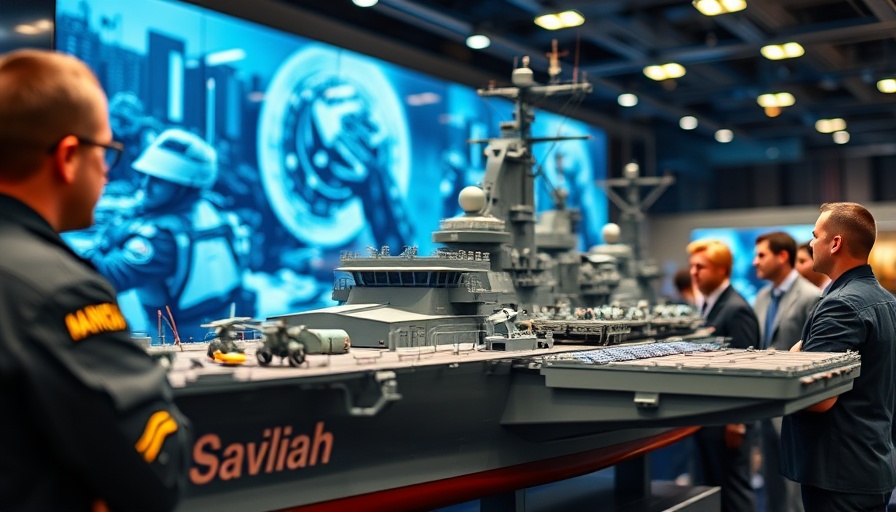
Indonesia Aircraft Carrier Procurement model discussion at conference.

Indonesia’s Ambitious Naval Aspirations

Indonesia is setting its sights on the procurement of the Giuseppe Garibaldi aircraft carrier, marking a significant step in its naval modernization efforts. This ambition aligns with the country’s broader strategic goals to bolster its maritime capabilities amid regional tensions and an evolving global defense landscape.

Why the Giuseppe Garibaldi?

The Italian Navy's Giuseppe Garibaldi is not just any aircraft carrier; it is a versatile vessel capable of serving multiple roles, from offensive strikes to humanitarian missions. Indonesia's interest in this particular class of ship underscores its need for flexible maritime solutions that can address a range of challenges, from piracy to territorial defense.

Regional Context and Implications

As Southeast Asia faces increasing maritime disputes, particularly in the South China Sea, Indonesia's move to enhance its naval power through aircraft carrier procurement is a statement of intent. It signals to neighboring nations an evolving power dynamic and raises questions about the arms race in the region. Indonesia's active pursuit of enhanced naval capabilities reflects not only its commitment to national security but also its role as a regional leader in maritime affairs.

Challenges Ahead for Indonesia

While the acquisition of the Giuseppe Garibaldi represents a strategic advancement, Indonesia faces considerable challenges. Funding such an ambitious project requires substantial investment and logistical planning. Moreover, the integration of the aircraft carrier into existing naval operations will necessitate extensive training for personnel, ongoing maintenance, and support systems to ensure operational effectiveness. These factors will be crucial as the government seeks to balance investment in advanced technology with other pressing national priorities.

Future of Naval Power in Asia

The potential incorporation of an aircraft carrier into Indonesia's fleet not only redefines its naval capabilities but also sets a precedent for other countries in the region. As more nations consider similar paths towards modernization, we can expect increased collaboration and competition among Southeast Asian maritime forces. For instance, Malaysia and Thailand are also evaluating enhancements to their naval fleets, suggesting a broader shift that could reshape the geopolitical maritime landscape in Asia.

Real-Life Perspectives on Naval Modernization

To better understand the implications of Indonesia's ambitions, we spoke with Naval Analyst Rita Nasir, who noted, "Naval power is critical for ensuring sovereignty in these times. Indonesia’s interest in an aircraft carrier is a reflection of that need - a necessity to engage and deter threats, while also demonstrating to allies its commitment to maritime security." Her insights reveal how the procurement process will not only be about hardware but will also encompass strategic relationships with other countries and military alliances.

The Bigger Picture: Global Naval Trends

Globally, naval modernization is taking center stage as countries recognize the need for advanced operations in increasingly contested waters. The acquisition of aircraft carriers, such as the Giuseppe Garibaldi, indicates a shift towards more formidable maritime capabilities. This trend highlights the interplay of international diplomacy and defense necessities, suggesting that naval assets will continue to shape future international relations.

In conclusion, Indonesia’s pursuit of the Giuseppe Garibaldi aircraft carrier is a multifaceted strategy combining national security, regional leadership, and military diplomacy. This ambitious step not only reflects its intention to modernize its naval capabilities but also speaks volumes about the evolving dynamics within Southeast Asia. As the nation embarks on this journey towards enhanced naval power, it is vital for stakeholders to consider both the opportunities and challenges that lie ahead. Staying informed and engaged with these developments will be essential for understanding the future of maritime security in the region.

Tech News

0 Comments

Write A Comment

*
*
Related Posts All Posts
02.20.2026

NAVSEA Opens Search for Vessel Construction Manager: A Major Shift in Shipbuilding Strategy

Update New Opportunities Await as NAVSEA Seeks Vessel Construction Manager The U.S. Navy is on the lookout for a Vessel Construction Manager (VCM) to oversee the production of its new Medium Landing Ship (LSM) fleet. This initiative is crucial as the Navy prepares to enhance its maritime capabilities. The official request for proposals (RFP), issued by the Naval Sea Systems Command (NAVSEA), aims to streamline the shipbuilding process and ensure efficiency in managing costs and timelines. What the Role Entails: A Deeper Look at the VCM The VCM will be responsible for supervising ship production at both Bollinger Shipyards and Fincantieri Marinette Marine. With this role, the selected contractor will act as the Navy's primary contractor, engaging directly with shipbuilders and ensuring they meet established standards and deadlines. The VCM is expected to oversee logistical complexities that come with ship construction by implementing a standardized design, which will help mitigate potential schedule delays. Accelerating Ship Production Through Streamlined Management According to Rear Adm. Brian Metcalf—program executive officer for ships— employing a VCM not only expedites the production process but also strengthens the industrial base by collaborating with multiple shipyards. This model enables the Navy to oversee several construction phases concurrently while utilizing commercial procedures that require fewer Navy personnel compared to traditional methods. Additionally, the VCM will utilize a ‘build-to-print’ design based on the Damen Naval’s LST 100, significantly reducing technical challenges. The Strategic Importance of the Medium Landing Ship The Medium Landing Ship is essential for supporting Marine Corps operations, specifically in the Indo-Pacific region. By transporting Marine Littoral Regiments and their sustainment equipment, the LSM fills an operational gap between smaller vessels and larger amphibious ships. The Navy aims to build a fleet of 35 vessels that not only enhances agility in expeditionary logistics but also strengthens defense operations in contested areas. Future Implications: What This Means for Shipbuilding This shift in Navy contracting and oversight practices marks a significant transformation in shipbuilding strategies. By enabling the VCM to manage production, NAVSEA hopes to create a robust workflow that supports the construction of not just LSMs but other future naval vessels as well. Emphasizing commercial techniques in shipbuilding could lead to improved efficiency and cost-effectiveness across the board. The deadline for proposals is April 2, and NAVSEA intends to announce the awarded contract in mid-2026. This opportunity presents a pivotal moment for companies in shipbuilding and defense, as it opens doors for innovative management strategies that can redefine naval construction standards.

02.19.2026

Ultra Maritime's ADC MK6: A Game-Changer in Undersea Defense Technology

Update Ultra Maritime Sets Sail for Next-Gen Acoustic Protection In recent developments, Ultra Maritime has set the course for enhanced naval defense with its award of a pivotal U.S. Navy contract aimed at creating the next-generation Acoustic Device Countermeasure (ADC) MK6. As adversaries enhance their torpedo technologies, prompting a redefinition of the undersea battlefield, the necessity for advanced defense measures has surged. Ultramarine's commitment to providing innovative solutions positions them at the forefront of anti-submarine warfare (ASW). The Evolving Threat Landscape Modern warfare is constantly changing, with smarter and more lethal torpedoes now capable of outsmarting traditional decoys. These advanced weapons can adapt and re-target with impressive precision, creating a range of threats to naval fleets. This is where the ADC MK6 comes into play. Designed for quick deployment, it generates tailored acoustic signatures that confuse incoming undersea threats, effectively diverting them away from their intended targets. What Makes the ADC MK6 Different? Ultra Maritime's approach encompasses a blend of rapid performance, enhanced acoustic output, and robust compatibility with various naval systems. Building on decades of experience delivering effective countermeasure systems worldwide, the ADC MK6 promises to be a trusted defensive layer in high-risk maritime domains. This innovative design not only meets current threats but anticipates future advancements in torpedo technology. A Commitment to Innovation The ADC MK6 program showcases Ultra Maritime's longstanding commitment to innovation within naval defense. The extensive resources invested into research and development signal a readiness to equip allied navies with decisive, next-generation capabilities. By continuously advancing their technology, Ultra Maritime aims to provide solutions that ensure navies are prepared for both present challenges and unforeseen future threats. Looking Ahead: The Future of Undersea Warfare As nations increase investments in maritime defense capabilities, the implications of the ADC MK6 extend beyond merely counteracting contemporary threats. The push for advanced defenses resonates with broader trends towards unmanned systems and hybrid warfare, suggesting that naval operations will see increased reliance on technology designed for flexibility and adaptability. Ultra Maritime’s ongoing innovation sets the stage for a new era of undersea operations that prioritizes resilience and responsiveness. Conclusion: Empowering the Future of Naval Defense Ultra Maritime’s strategic initiative to develop the ADC MK6 is not just a response to the current threat landscape; it's a proactive measure ensuring that navies are equipped for the evolving nature of maritime warfare. With innovation at its core, Ultra Maritime continues its legacy as a leader in delivering vital solutions for global naval defense.

02.18.2026

What You Need to Know About Canada and Denmark's Defense Cooperation Agreement

Update Understanding the New Denmark-Canada Defense Partnership In an era when global security concerns are more pressing than ever, the recent establishment of a defense cooperation agreement between Denmark and Canada marks a significant step toward bolstered security and strategic alignment in the North Atlantic region. This partnership aims not only at enhancing military interoperability but also at fostering closer ties in defense procurement and technology sharing. The Importance of Multinational Defense Collaborations Investing in partnerships, especially in defense, reflects the growing realization that security challenges are increasingly transnational. As Canada and Denmark come together through this agreement, the two nations are acknowledging that a united front is essential in facing threats such as cyber warfare and climate change. By sharing resources, training, and expertise, these nations can enhance their operational strengths. What's Included in the Agreement This new defense pact encompasses various components, including joint training exercises, enhanced intelligence sharing, and collaborative efforts in technology development. These elements are designed to foster a robust framework that will bolster each country's ability to respond to emerging threats swiftly and efficiently. The Role of Technology in Modern Warfare As we dive deeper into digital transformation, it's essential to explore the technological advancements steering the future of military engagements. Technologies such as artificial intelligence (AI), machine learning, and advanced drone systems are playing crucial roles in contemporary military strategies. The partnership acknowledges the importance of integrating these technologies into their operations, underlining a commitment to maintain a competitive edge. A Step Towards Sustainable Defense Interestingly, both Denmark and Canada have been at the forefront of promoting sustainability within their defense sectors. This cooperation includes a focus on environmentally conscious practices, emphasizing the need for greener military solutions. In a time when climate change presents undeniable risks to global security, prioritizing sustainable practices shows forward-thinking leadership. Future Predictions: What Lies Ahead? With this newfound collaboration, experts anticipate several positive outcomes, including not only enhanced military capabilities but also strengthened diplomatic ties. As both nations move forward with this agreement, it is expected that their strategic alignment will pave the way for further partnerships with other like-minded countries, enhancing security cooperation across the globe. Conclusion: Why This Matters The Denmark-Canada defense cooperation agreement does not merely represent military strategy; it symbolizes a shared commitment to a safer and more secure future. As multinational defense discussions become increasingly relevant, understanding these agreements’ implications helps us grasp the broader context of global security! Stay informed about how international partnerships shape the future of defense and security!

Terms of Service

Privacy Policy

Core Modal Title

Sorry, no results found

You Might Find These Articles Interesting

T
Please Check Your Email
We Will Be Following Up Shortly
*
*
*