

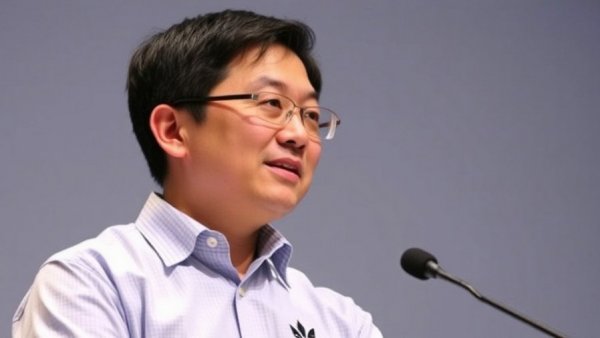
Jensen Huang Faces Unprecedented Scrutiny: What’s at Stake for Nvidia?
Nvidia’s CEO, Jensen Huang, finds himself amidst a storm following revelations that have led the company’s board to initiate an independent investigation. The issue is not merely a matter of personal misconduct; it escalates into national security concerns as Huang is linked to Alice Huang, an executive believed to be involved in espionage for China. This situation poses critical questions not just for Huang, but for Nvidia and the broader tech industry, where trust and loyalty are paramount.
Beyond a Personal Matter: The Implications for U.S. Tech Leadership
The implications of Huang's alleged actions reach far beyond his personal life. Experts, including Jeffrey Sonnenfeld from Yale, point out that Nvidia holds a significant position at the intersection of technology and national security. With U.S. intelligence raising eyebrows at the potential espionage, concerns are mounting that Nvidia could be compromised at a time when it’s pivotal for AI advancements. After all, Nvidia’s technology is woven into various industries, including finance and healthcare, which underscores its importance to American innovation.
The Balancing Act: Analyzing Leadership Under Crisis
Sonnenfeld notes that Huang has historically been respected within the tech community, but this incident marks a break in that reputation. He questions whether Huang’s longstanding goodwill and what psychologists term “idiosyncrasy credits” can buffer him against the significant fallout from what many perceive as a lapse in judgment. These credits are built through competence and adherence to group norms. With Huang at the helm of Nvidia since 1993, this crisis challenges the foundational trust that has been established.
What Does Succession Look Like for Nvidia?
Another pressing issue raised by industry experts is who might succeed Huang should he step down. Nvidia’s flattened organizational structure has left many wondering who could step into the leadership vacuum. Unlike many conglomerates that have well-defined successors, Nvidia’s leadership pool appears shallow due to Huang’s unique role and his close ties to the company’s innovation and direction. Speculation has emerged around Huang’s children who work at Nvidia, but whether they are equipped to lead in such a tumultuous environment remains unclear.
Potential Outcomes: Predicting the Future
As the tech industry holds its breath, the likelihood of Huang retaining his position is estimated by Sonnenfeld to be “about a 50-50” chance. What remains to be seen is how the board will navigate this complex web of personal choices and corporate responsibilities. Precedents in similar situations suggest that recovery is possible, but it often comes after significant reputational damage and leadership transitions. Jeff Sonnenfeld points to former HP CEO Mark Hurd, who faced his own scandal yet managed to return to a significant role at Oracle. The unique dynamics of Huang’s situation, however, make parallel comparisons challenging.
It’s clear that Huang’s fate—and that of Nvidia—will depend heavily on the findings of this investigation and how the narrative unfolds. For now, executives across the tech landscape are observing closely, considering the broader implications for corporate governance and ethical leadership.
Call to Action: Stay Informed on Tech Leadership Trends
As the situation develops at Nvidia, it’s crucial for professionals in tech-driven industries to stay informed about leadership dynamics and how they may affect market trends. Understanding the interplay between personal conduct and corporate reputation can provide actionable insights for business planning in today’s fast-paced environment of innovation.


Write A Comment