
Add Row
Add Element

Add Element
Moss Point Gulf Coast Tech
update

Gulf Coast Tech

update
Add Element
  • Home
  • About
  • Categories
    • Tech News
    • Trending News
    • Tomorrow Tech
    • Disruption
    • Case Study
    • Infographic
    • Insurance
    • Shipbuilding
    • Technology
    • Final Expense
    • Expert Interview
    • Expert Comment
    • Shipyard Employee
  • Mississippio
April 09.2025
3 Minutes Read

AI Costs Dropped 280x: How Marketers Can Harness This Tech Revolution

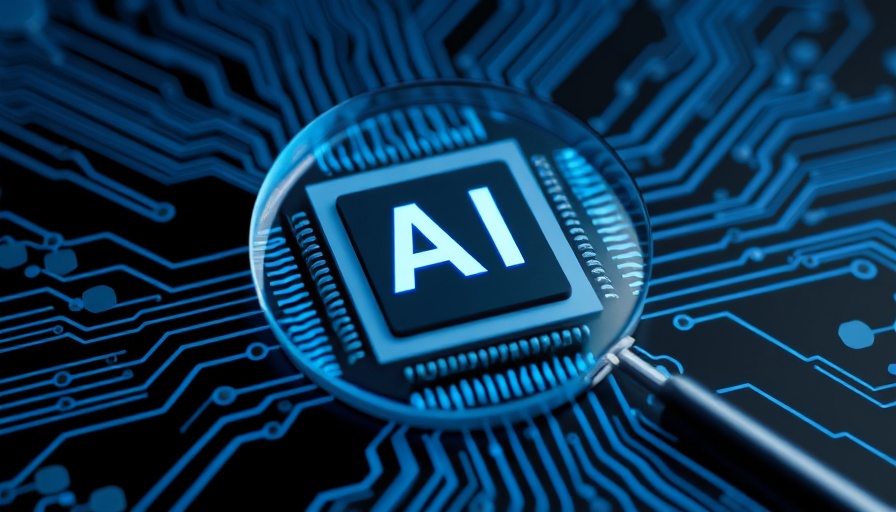
AI chip illustration with rising quality and AI costs drop for marketers.

AI Costs Have Dropped: A Game Changer for Marketers

In a remarkable turn of events, the costs associated with advanced AI tools have plummeted by 280 times over the past 18 months. This significant reduction means that what was once reserved for only the largest corporations is now within reach for businesses of all sizes, fundamentally shifting the marketing landscape. The price of using models like GPT-3.5, for instance, has fallen sharply from $20.00 to just $0.07 per million tokens, according to a report by Stanford HAI. These changes are an indicator of a broader trend towards accessibility in technology, where the focus is less on who can access these tools and more on how they can be leveraged effectively.

The Rising Accessibility of AI Tools for Everyone

As the barrier to entry lowers, AI tools that enhance content creation, analysis, and management have become increasingly affordable. Smaller models are now demonstrating performance levels that were once only achievable by their larger counterparts, indicating a closing gap in the quality of AI output. This shift not only democratizes access to powerful marketing resources but also impacts the ROI for businesses looking to implement these technologies.

Real-World Applications of Affordable AI

The implications for marketers are substantial. The reduced costs enable businesses to:

  • Advanced Content Creation at Scale: Bulk content creation and optimization has become financially viable, resulting in significant time and cost savings without compromising quality.
  • Enhanced Competitive Analysis: New AI models allow for the processing of large volumes of data—up to 1-2 million tokens at once—facilitating comprehensive insights into market conditions and competitive strategies.
  • Smart Knowledge Management: Retrieval-augmented generation (RAG) techniques are evolving, allowing marketers to harness their brand's unique voice by using AI to pull tailored information from company data.
With these advanced capabilities becoming commonplace, the edge in marketing strategies may depend more on a team’s ability to creatively implement and integrate these tools rather than just possessing powerful AI.

How Businesses Can Leverage AI Effectively?

As AI technology becomes widely accessible, organizations must evolve their approaches to use these tools effectively. Success will likely stem from innovation in strategy and savvy execution rather than reliance on the sheer power of technology. Developing a clear plan for how to integrate AI into existing marketing frameworks, fostering a culture of experimentation, and continually analyzing performance outcomes will be critical for businesses aiming to maximize the value derived from AI.

What This Means for the Future of Marketing

The future of marketing is being reshaped by these technological disruptions. As AI tools become central to marketing strategies, the difference between competitors may lie in their ability to create unique value propositions supported by insights derived from innovative AI applications. This evolution encourages marketers to rethink every aspect of their strategy to stay competitive in an increasingly tech-driven marketplace. Businesses that embrace these emerging technologies can position themselves to thrive as the landscape continues to shift.

It's essential to stay informed about tech industry news and recognize the importance of emerging technologies in shaping the future of marketing. To gain an edge, marketers should consider investing time in understanding new tools and technologies that will revolutionize how they reach consumers.

Disruption

0 Comments

Write A Comment

*
*
Related Posts All Posts
01.10.2026

Unlocking Opportunities: Top Enterprise SEO and AI Trends for 2026

Update Understanding the Shift in Enterprise SEO and AI As we head into 2026, the landscape of enterprise SEO is undergoing a formidable transformation fueled by advances in AI technology. Search behavior is evolving, moving away from the traditional, linear search approach towards a complex interaction model that engages multiple platforms. The emergence of AI-driven search engines like ChatGPT is reshaping how enterprises strategize their digital marketing approaches, necessitating an innovative method dubbed “Search Everywhere Optimization.” The Role of SEO Foundations in AI Optimization The core principles of SEO will become increasingly critical as businesses aim to harness AI capabilities effectively. A solid technical SEO foundation is paramount for success in this evolving digital environment. This includes clean technical elements such as website architecture, Core Web Vitals, and structured data that make content machine-readable for AI systems. High-quality content layered with intent-mapped strategies will be essential as the synergy between SEO and AI expands. Transforming User Engagement with Agency-Driven SEO AI agents are no longer passive but are now proactively engaging with information to fetch real-time data for users. Research indicates that as of now, these AI agents are responsible for about 33% of organic search activity, a figure that is projected to rise. This shift demands that enterprises optimize their content not just for traditional search engines, but also for AI systems, which are becoming increasingly influential in determining visibility. Key Trends Shaping SEO and AI Integration Enterprises must watch for five key trends in 2026 that will guide their SEO strategies: Fundamentals Matter: The bedrock of SEO will remain essential for AI success—foundational technical elements cannot be overlooked. Real-Time Knowledge Fetching: As AI accounts for a larger share of search activities, optimizing for these agents will become critical. AI Optimization Disciplines Evolve: Engaging with experienced SEOs will guide enterprises in adapting to new AI retrieval and citation tactics. Content and Authority on Multiple Platforms: Brands must strengthen their authority across diverse AI platforms to remain visible in search results. Integration of User Feedback: Effective SEO strategies will incorporate customer insights and testimonials to enhance credibility. What These Trends Mean for Businesses Understanding and adapting to these enterprise SEO and AI trends is not just a strategy; it is a vital necessity for future success. Businesses that prioritize foundational SEO elements while embracing the changes brought about by AI technologies will secure competitive advantages in their respective markets. Final Thoughts: Preparing for the Tech Landscape Ahead As we anticipate the future of technology, including disruptive innovations reshaping industries like insurance and shipbuilding, companies must equip themselves with the necessary tools and strategies to navigate these changes effectively. Stay tuned to the latest tech news and developments, as they will play an integral role in enterprise strategies moving forward.

01.10.2026

Paid Media Marketing in 2026: Embrace AI for Success

Update Transforming Paid Media Marketing Through 2026 As we navigate the landscape of paid media marketing, a transformative shift is occurring thanks to advancements in technology and particularly the integration of artificial intelligence (AI). In 2026, marketers must be prepared to adapt their strategies and focus on innovative tools that streamline ad creation, enhance targeting, and maximize performance. Embracing Conversational AI in Content Creation One fundamental change is the move towards conversational AI tools like Google’s Gemini and Microsoft’s Copilot. These systems not only help create ads but also allow for fluid interactions that can enhance how users engage with content. Marketers are encouraged to start with small-scale AI-generated ads that deviate from standard formats. Experimenting with storytelling or benefit-driven language could lead to improved engagement and conversion rates. By leveraging these tools, businesses can create tailored ad variations that cater to specific audience segments, enhancing the customer experience and maximizing advertising effectiveness. The Imperative of First-Party Data Strategies With the decline of third-party cookies, establishing a robust first-party data strategy is imperative. As marketers look to 2026, a deep audit of first-party data sources will be essential for effective targeting. Tools like Customer Match solutions offered by Google and Microsoft should be prioritized to ensure that users are reached accurately and responsibly. Transparency in data usage promotes user trust and enhances data-driven marketing efforts. Redefining Attribution Models for Modern Advertising The simplistic last-click attribution models are rapidly becoming obsolete. Today's marketers require holistic attribution that evaluates every touchpoint along the customer journey. AI-powered systems now provide insights on user interactions across various channels, enabling better allocation of marketing budgets and improved performance analysis. This means shifting away from performance measurement based on single interactions and embracing a more comprehensive view of how campaigns work together to drive conversions. Marketers who can adapt to these models will gain a significant competitive edge as they learn from past campaigns and optimize future strategies. The Role of AI in Hyper-Personalization The challenge of creating personalized content at scale can be met with AI-driven solutions. These powerful tools allow for the generation of tailored ad variations based on consumer data and preferences. In 2026, scaling campaigns seamlessly across multiple ads, allowing for real-time feedback and ongoing tactical adjustments, will be paramount. By ensuring ads reflect current consumer sentiments and behavior, marketers can create impactful messaging that resonates with audiences and drives engagement. Building a Competitive Future with AI Optimizations In light of the rapid pace of change in the digital marketing landscape, professional marketers must focus on integrating AI tools to streamline their operations, enhance audience targeting, and optimize their advertising strategies. This integration will enable better performance outcomes and a more efficient allocation of marketing resources. As we enter 2026, brands that leverage artificial intelligence and adaptive marketing strategies will be best positioned to meet consumer demand while maximizing their advertising budgets.

01.09.2026

Google's AI Overviews: How User Engagement Affects Visibility

Update Understanding Google's AI Overviews in Search Google is continuously evolving its search algorithms, particularly with the implementation of AI Overviews, which have recently become a focal point of discussion in the tech community. According to Google’s Robby Stein, AI Overviews appear selectively for searches based on whether users find them engaging. If users do not interact with these overviews, Google actively removes them from the results, which raises significant questions about the future of search engine optimization and user interaction. How Engagement Shapes AI Overview Visibility Robby Stein clarified that Google’s system assesses the usefulness of AI Overviews through direct interaction metrics. For example, if a user searches for a specific athlete and primarily seeks images and social media accounts, the AI learns that an overview is unnecessary. Consequently, it will forgo showing this overview in similar searches. This adjustment demonstrates Google's commitment to enhancing user satisfaction by adapting to what users deem valuable. What Are "Under The Hood" Queries? An intriguing aspect of Google’s approach is its capability to conduct what Stein describes as "under the hood" queries. This involves Google issuing additional searches to gather content relevant to a user’s query, even if it does not match the user's exact wording. For instance, when someone searches for shopping items, the AI Overviews integrate not only product data but also images, providing a more enriching search experience. This ensures users receive the most relevant information, expanding beyond their initial search intent. AI Mode: A Deeper Dive into Complex Queries Google’s new AI Mode presents a paradigm shift for addressing more complicated inquiries. This feature is designed to facilitate deeper engagement with users who have multifaceted questions, such as comparing various models of cars or seeking specific restaurant recommendations that also accommodate dietary restrictions. Early tests show that queries in AI Mode often extend two to three times longer than traditional searches, highlighting users' desire for more detailed and context-rich answers. Personalization: The Next Frontier While personalized search results are still in their infancy, Google is gradually adding tailored elements to search experiences. For example, users with a history of clicking on video content may start seeing more videos in their search results. This adjustment reflects Google’s intent to keep a balance between personalized experiences and maintaining consistent information across its platform. The Impact on Digital Marketing Strategies The implications of these developments are far-reaching, particularly for digital marketing strategies. As AI Overviews adapt based on user engagement, marketers will need to consider how to craft content that not only attracts clicks but also engages users meaningfully. Content that resonates with the audience may lead to an uptick in interactions, further encouraging Google to feature AI Overviews in search results. As technology continues to progress, staying informed about these AI-related shifts in Google's algorithms will be crucial for marketers, content creators, and businesses aiming to enhance their visibility online.

Terms of Service

Privacy Policy

Core Modal Title

Sorry, no results found

You Might Find These Articles Interesting

T
Please Check Your Email
We Will Be Following Up Shortly
*
*
*