

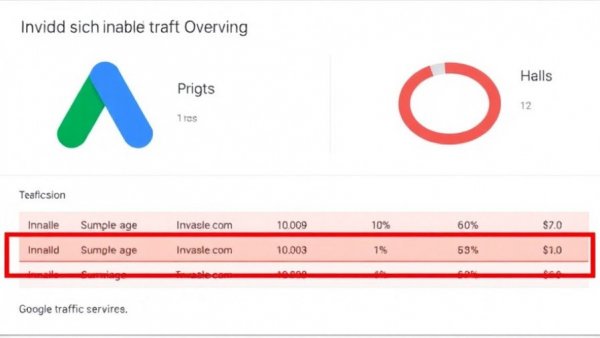
The New Google Ads Invalid Traffic Overview Card: What It Means for Advertisers
Google Ads has just enhanced its reporting capabilities by rolling out the new Invalid Traffic Overview Card. This feature is designed to streamline how advertisers access critical information regarding invalid activity on their campaigns—a common concern in the industry. Previously, advertisers had to sift through various reports and monthly billing statements to gather this data. Now, with everything consolidated into one overview, advertisers can easily access vital insights that can help them make better decisions regarding their ad spending.
Understanding Invalid Traffic and Its Impact on Your Budget
Invalid traffic generally includes bot activity, accidental clicks, and any attempts to artificially inflate traffic. Google has long employed both manual and automated methods to filter these interactions before billing actual advertisers. The new Invalid Traffic Overview Card includes three main reporting areas: estimated savings (the costs avoided by filtering invalid activity before billing), credited costs (amount credited back after recognizing invalid activity from a closed billing period), and daily and campaign-level reporting that offers a deeper dive into activity details.
Why the Estimated Savings Metric Matters
A significant feature of the Invalid Traffic Overview Card is the introduction of the estimated savings metric. While reports previously captured metrics like invalid clicks, they lacked the context of what this really meant in dollar terms. This new addition allows advertisers to see the actual financial impact of Google’s filtering processes, making it easier to assess the efficiency of campaign spending. However, it’s important to note that a higher estimated savings figure might not necessarily indicate a low level of invalid traffic; rather, it could simply reflect a campaign with more extensive reach.
Post-Billing Credits and Their Implications for Performance Metrics
One critical factor to keep in mind is that post-billing credits generated from invalid traffic won’t alter the standard campaign metrics locked in at the end of the month. For advertisers seeking to incorporate these adjustments into their performance metrics, utilizing the specifically designed report found in the Report editor can provide valuable insights into Search and Performance Max costs post-credit.
Understanding Limitations: Contextualized Insights on Invalid Traffic
While the Invalid Traffic Overview Card brings more clarity, it doesn’t provide a complete picture. One significant limitation is that the card only reflects what Google’s systems have flagged as invalid, leaving potential blind spots for undetected fraudulent traffic. In lead generation scenarios, the persistence of low-quality leads could still arise from legitimate clicks or submissions that are non-ad related, calling into question the effectiveness of purely relying on the card’s metrics.
As companies lean into the growing role of technology in digital marketing, understanding tools like the Invalid Traffic Overview Card becomes necessary. By taking advantage of its features, advertisers can enhance their campaigns while navigating the challenges posed by invalid activity. If you want to succeed in this rapidly changing landscape, being informed is paramount.




Write A Comment