

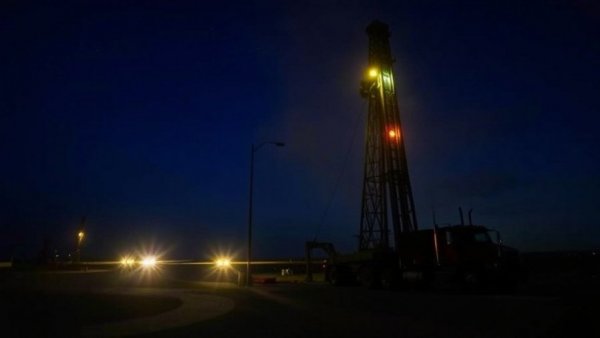
The Immediate Impact of Pipeline Disruptions on North Dakota Oil Producers
In the bustling oil fields of North Dakota, uncertainty is flowing as steadily as the crude itself. A prolonged outage of an Enbridge-operated pipeline is forcing local producers to pivot towards truck transportation, uncovering a fascinating resilience in the face of disruption. According to Jeremy Irwin, global crude lead for Energy Aspects Ltd, trucks have become a crucial lifeline for oil producers amid logistical setbacks. "Some producers and marketers are trucking out production to delivery points on the Dakota Access Pipeline," he explained. As tanks brim with Bakken crude, the looming risk of production cutbacks grows. Irwin's warning of potential shut-ins paints a vivid picture of the precariousness that producers now face.
Understanding the Pipeline’s Importance and Challenges
The North Dakota Pipeline is essentially the vascular system for the Bakken oil industry, transporting crude to key refineries in both the U.S. and Canada. However, the recent contamination concerns, attributed to increased reports of organic chlorides, have significantly hampered its operation. Enbridge’s implementation of rigorous testing protocols further compounds the issue, leaving an indeterminate timeline for normal operations to resume. As two Midwest refiners have declared force majeure and halted Bakken deliveries, the implications reach far beyond immediate production logistics, affecting market dynamics and pricing structures.
The Broader Implications for the Oil Market
This disruption does not happen in a vacuum. It exhibits the fragility of supply chains that are often taken for granted. With refiners in the Midwest turning to stored inventories, the ripple effects are creating potential drawdowns at the storage hub of Cushing, Oklahoma—the heart of the U.S. oil pricing structure. It prompts a pivotal question: How will this emergency reshape the strategies of producers who rely heavily on single transportation channels?
Future Outlook: Could This Be a Catalyst for Change?
In examining the future of oil transportation in North Dakota, one cannot help but think that this disruption may propel the industry towards diversification. As the gap between producer demand and transportation capacity widens, the necessity for innovative logistics solutions is imminent. Will enhanced reliance on trucking persist, or could this crisis inspire wider adoption of alternative rail systems and pipeline expansions in the long term?
Conclusion: An Industry in the Balance
The current scenario in North Dakota exemplifies a microcosm of the broader realities in oil transport and infrastructure challenges. While the immediate future remains uncertain, producers must adapt and innovate to maintain production and meet market demands. For those interested in safeguarding their future amid these unpredictable times, exploring options in final expense insurance could be a vital step. Investments in protective measures can ensure peace of mind as energy industries navigate these trend disruptions.




Write A Comment