
Raytheon's Nuclear-Armed Sea-Launched Cruise Missile: A New Era of Military Capability
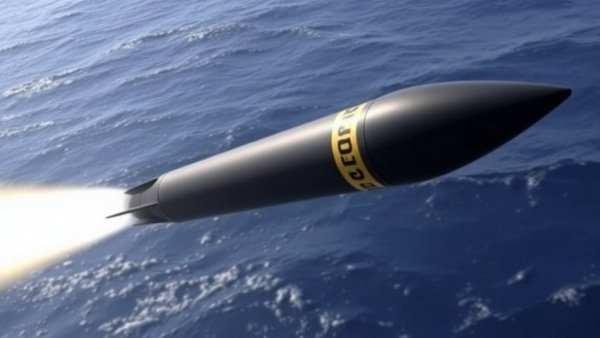
In a significant advancement for U.S. military capabilities, Raytheon has secured a deal with the U.S. Navy to develop the Nuclear-Armed Sea-Launched Cruise Missile (SLCM-N). Under an Other Transaction Authority (OTA) agreement, the program shifts from initial concept work into a dedicated development phase, marking an important step forward for sea-based nuclear deterrents.
Strategic Importance of the SLCM-N
Colin Whelan, president of Raytheon’s Advanced Technology team, emphasized the importance of this contract, stating it underscores the critical need to enhance national deterrence capabilities. The SLCM-N is positioned to offer flexible, lower-yield deterrent options, which can address emerging threats in a way that traditional nuclear arsenals may not.
The debate over the role of sea-launched nuclear weapons has been ongoing for years. This missile program's momentum has increased significantly after earlier proposals and setbacks, reflecting a changing landscape in U.S. military strategy, especially in the wake of rising geopolitical tensions.
Historical Context: The Nuclear Tomahawk's Legacy
The SLCM-N marks a return to capabilities that the Navy has had in the past. The U.S. Navy operated the nuclear-armed Tomahawk cruise missile, known as TLAM-N, from the mid-1980s until its full retirement in 2013. The withdrawal from such weapons era raised questions about U.S. strategic posture, particularly in contexts that require a flexible response at sea, where challenges can emerge rapidly.
In 2018, the Trump administration revived discussions about reintroducing a nuclear sea-launched cruise missile as a countermeasure against adversaries enhancing their nuclear capabilities. However, it was not without controversy, as the Biden administration initially sought to terminate the program due to concerns about cost and operational capabilities. Ultimately, Congress intervened, allocating necessary funds and mandating the program's continuation.
Funding and Development: A Look Ahead
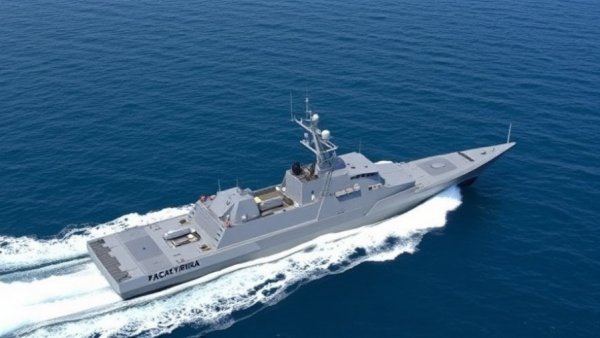
The FY2024 National Defense Authorization Act (NDAA) has earmarked $2.4 billion for the development of the SLCM-N. This funding will aid Raytheon in integrating modular components from its existing weapons portfolio, a strategy intended to expedite the development cycle and enhance reliability. This new missile is expected to be compatible with Virginia-class submarines and a new class of guided-missile battleships, aiming for limited operational deployment by 2032.
While the specific details regarding the number of prototypes or the complete integration schedule remain undisclosed, the enhancement of U.S. deterrent capabilities stands prominently at the forefront of military investments. The SLCM-N is, therefore, not just a technical achievement but a potential pivot point in nuclear strategy.
Public and Political Reactions
The SLCM-N's reinstatement has sparked mixed reactions amongst policymakers and defense analysts. Some view it as a necessary readjustment to counter growing threats from countries like Russia and China, which are expanding their military arsenals. Critics argue that increasing reliance on nuclear capabilities could inadvertently escalate tensions, leading to a new arms race. Conversely, proponents assert that a diverse range of deterrent options can strengthen national security and reassure allies of the U.S.'s commitment to defend them.
Conclusion: Navigating a Complex Landscape
The introduction of the Nuclear-Armed Sea-Launched Cruise Missile comes at a time when the global security environment is increasingly uncertain. As countries around the world rethink their military strategies, the U.S. must navigate potential risks associated with nuclear deterrents while pursuing technological advancements that uphold its security and strategic interests.
With a new naval program on the horizon, industry professionals and defense experts are closely watching the developments surrounding the SLCM-N. This missile represents more than just an upgrade in capability; it could redefine how the U.S. engages in global defense strategies.
Your Thoughts?
If you want to learn more about the implications of enhanced military technology, stay connected with our daily updates and insights on naval developments and defense innovations.



Write A Comment