

Setting Sail Into the Future: The Royal Navy's Bold Leap
The Royal Navy has officially embarked on a new journey by launching its first autonomous squadron, a groundbreaking step designed to enhance maritime operations. The 1st Autonomous Squadron, established at His Majesty's Naval Base in Portsmouth, stands at the forefront of naval innovation, showcasing advanced technologies that promise to redefine traditional defense strategies. This timely development marks a significant shift in how the Navy plans to operate, especially as global security dynamics continue to evolve. As Mississippi residents observe ongoing military advancements, it is crucial to understand the implications for regional maritime security and defense collaborations.
The Uncrewed Revolution: Meet Kraken and Rattler
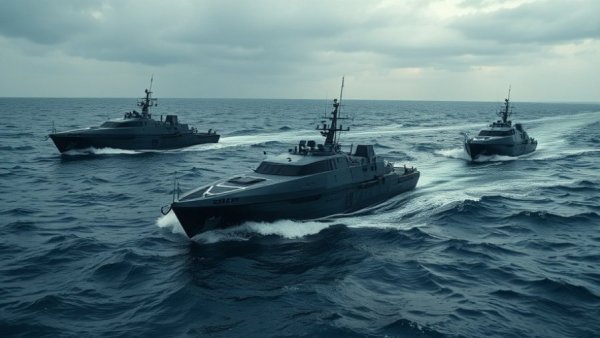
During the launch ceremony, the squadron presented its impressive capabilities with the Kraken and Rattler autonomous surface vessels (USVs). Control from a shore-based hub demonstrated the potential for these robotic crafts to perform missions without direct human involvement at sea. This autonomous operation is not merely about technology; it embodies a strategic vision of a 'hybrid navy,' integrating crewed vessels with uncrewed ones to enhance operational reach. As drones and unmanned systems gain traction in various sectors, including commercial shipping and fisheries, their military applications are equally significant in shaping naval capabilities.
Emphasizing Collaboration: Integrating with Allied Forces
One of the squadron's core missions is to collaborate with allied nations and organizations, reinforcing the concept of joint operations. The Royal Navy's approach to integrating USVs into the fleet signifies a shift towards a more adaptable and responsive naval presence. As global military operations become increasingly complex, this collaboration will be crucial in addressing shared security concerns within Euro-Atlantic waters. For Mississippi, a state with extensive shipping interests, the capability to monitor and secure maritime borders ensures economic stability and safety for local communities.
Investment in Future Capabilities: A £1.5 Billion Commitment
The establishment of the 1st Autonomous Squadron is backed by a substantial investment of £1.5 billion over four years, aimed at developing and accelerating advanced unmanned technologies. This financial commitment reflects the UK Government's recognition of the importance of modernization in defense capabilities amidst rising global threats. For Gulf Coast states like Mississippi, this modern approach underscores the strategic importance of naval power in safeguarding commercial shipping routes vital for local economies.
Rethinking Naval Strategy: The Era of Hybrid Operations
Commander Helen Coxon, the officer in charge of the squadron, emphasized the importance of this shift, stating that sailors are being trained to operate these vessels efficiently. The squadron not only breaks ground with autonomous operations but also promotes a broader concept of networked naval warfare. By incorporating USVs like Kraken and Rattler, the Royal Navy aims to enhance its tactical flexibility and operational efficiency. This adaptability is essential not only for military readiness but also for responding to natural disasters where rapid deployment of resources is critical. Mississippi, which often faces hurricanes and floods, benefits significantly from these advancements in logistics and response capabilities.
Looking Ahead: Implications for Maritime Security
The launch of the 1st Autonomous Squadron comes ahead of significant international discussions at the Atlantic Future Forum and the International Sea Power Conference in Oslo. Leading allies are focusing on future security and technological innovations. The deployment of uncrewed vessels will likely become an essential component of maritime security planning. This proactive approach elevates the Royal Navy's contributions to collaborative defense efforts across the Atlantic and enhances partnerships that can consequently benefit allied nations, including the United States, where Mississippi’s strategic ports play a crucial role in defense logistics.
Conclusion: Embracing Change and Innovation
As the maritime landscape encounters new challenges, the Royal Navy's 1st Autonomous Squadron stands as a beacon of innovation and adaptability. By merging autonomous technology with traditional naval capabilities, the Royal Navy not only prepares itself for future conflicts but also reinforces its role as a leader in international maritime security. This transformation not only promises to protect national interests but also highlights the importance of collaboration, ensuring safety and security for vital shipping lanes that directly affect local economies like those in Mississippi.



Write A Comment