
Moss Point Gulf Coast Tech

Gulf Coast Tech

  • Home
  • About
  • Categories
    • Tech News
    • Trending News
    • Tomorrow Tech
    • Disruption
    • Case Study
    • Infographic
    • Insurance
    • Shipbuilding
    • Technology
    • Final Expense
    • Expert Interview
    • Expert Comment
    • Shipyard Employee
  • Mississippio
October 16.2026
3 Minutes Read

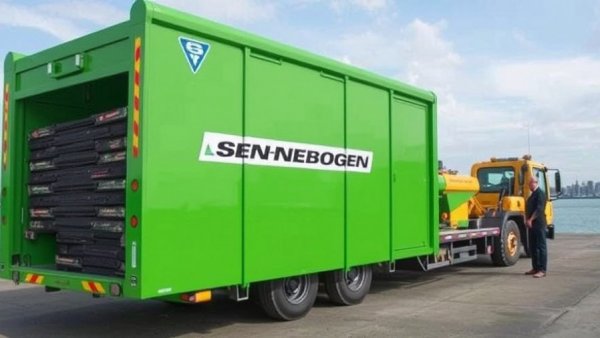
SENNEBOGEN Material Handlers Transforming Waterfront Operations

SENNEBOGEN Material Handlers: A Game Changer on the Waterfront

A Revolution in Waterfront Operations: SENNEBOGEN Material Handlers

As industries strive for greater efficiency in seaway and waterway operations, equipment that offers stability, visibility, and environmental efficiency becomes paramount. The rise of SENNEBOGEN’s purpose-built material handlers marks a significant turning point in this sector. With advanced engineering and a commitment to innovation, these machines are quickly becoming the standard across various facilities in the U.S., driving unmatched performance and reliability.

Unmatched Specifications for Optimal Performance

Among the most noteworthy is the SENNEBOGEN 895, one of the largest material handlers globally, tipping the scales at 925,940 lbs. This impressive machine boasts an extraordinary reach of over 130 feet, allowing it to access every corner of even the largest vessels with ease. Such capabilities empower operators to handle materials efficiently and effectively, which is crucial in ports where time is money.

Elevating Productivity and Safety with Advanced Cab Features

Besides its sheer power, SENNEBOGEN elevates the operator's experience through innovative features designed for productivity and safety. The hydraulically-elevating cab, with nearly 20 feet of vertical movement, provides a clear vantage point of both the loading zones and the surroundings. The maXcab system enhances this by offering panoramic visibility, ensuring operators can monitor all activity and effectively coordinate machine movements with minimal risk for on-site personnel.

Training and Learning Made Easy

Gone are the days of complex machinery that takes months to master. SENNEBOGEN machines promise a learning curve that most operators can conquer in days. The intuitive controls are designed for simple operation, enabling quick and precise loading of hoppers and conveyors. Furthermore, adjustable boom pin locations enhance operational flexibility, allowing seamless transloading from barge to shore, crucial for optimizing workflow in busy port environments.

Efficiency at Its Core: Saving Time and Resources

SENNEBOGEN’s factory-direct approach facilitates rapid delivery of its machines, an essential factor for businesses looking to minimize downtime. Company President Constantino Lannes emphasizes that such efficiency translates into faster results and cost-effective solutions for operators. By investing in SENNEBOGEN equipment, companies can significantly improve their operations, maintaining smooth supply lines while reducing their carbon footprint, a consideration increasingly vital in today’s environmentally conscious marketplace.

Longstanding Industry Leadership: The SENNEBOGEN Advantage

With over 70 years of global experience and a strong presence in the Americas since 2000, SENNEBOGEN has built a reputation as a trusted leader in material handling. The company not only offers specialized equipment for various sectors such as recycling and demolition but also ensures top-tier service through a robust network of distributors and Authorized Service Providers. This extensive support network is vital for maintaining machine performance and reliability, providing peace of mind to operators as they navigate the challenges of waterfront operations.

The Future of Material Handling: What Lies Ahead?

As industries adapt to changing demands and strive for more sustainable practices, SENNEBOGEN’s innovation continues to pave the way. The integration of new technologies and ongoing enhancements in their material handlers will likely revolutionize how operators manage both routine tasks and unexpected challenges on the waterfront. These advancements promise to not only improve efficiency but also enhance worker safety and environmental stewardship, critical goals for all modern enterprises.

In conclusion, SENNEBOGEN material handlers represent not just powerful equipment but a complete rethinking of waterfront operations. As these machines find their place in more facilities across the U.S., they exemplify a commitment to safety, efficiency, and innovation that the industry as a whole will need to embrace moving forward.
Tomorrow Tech

0 Comments

Write A Comment

*
*
Please complete the captcha to submit your comment.
Related Posts All Posts
11.06.2026

Ferry Electrification: Building an Integrated Ecosystem for Future Success

Update The Importance of a Holistic Approach to Ferry ElectrificationAs ferry operators pursue electric and hybrid-electric propulsion technologies, they face a myriad of challenges that stretch far beyond the vessels themselves. Ryan Bishop, Director of Ferry Solutions at Siemens Energy, emphasizes that the true success of electrification lies within the entire energy ecosystem surrounding the ferries. This encompasses everything from shoreside charging infrastructure to utility coordination and energy management systems.Many people mistakenly assume that the vessel is the sole focus of electrification efforts. However, Bishop points out that it is merely one component of a broader system. A ferry can boast the most cutting-edge battery technology, but without a synchronized approach that integrates terminal infrastructure, electrical grid support, and operator coordination, the project will likely fall short of its potential. The need to align all aspects from the onset is crucial, as it minimizes risks, avoids unforeseen challenges, and sets the stage for future expansions.Challenges at Ferry Terminals: Securing Power and SpaceWith Washington State Ferries leading one of the largest electrification programs in the U.S., operators looking to embark on similar paths must first consider significant infrastructure hurdles. One major challenge is ensuring that enough power is available at the terminals. The reality is that many existing ferry terminals were not designed to accommodate multi-megawatt charging systems. Consequently, ferry operators often find they need extensive utility upgrades well before any construction projects can even commence.Physical integration of charging equipment is another significant hurdle. Ferry terminals are typically bustling, space-constrained locations, which means operators must carefully plan how to include transformers, switchgear, utility interconnections, and cable management without causing disruptions to regular operations or inconveniencing passengers. Reliability, too, cannot be overlooked. For ferry services—critical components of many transportation networks—charging infrastructures must be built to withstand harsh marine environments and designed for redundancy and maintainability.Lessons from Washington State Ferries: Adopting a Systems-Level MindsetAs operators within the ferry industry explore electrification options, the multifaceted approach taken by Washington State Ferries offers insightful lessons. Bishop stresses that ferry electrification should not merely be viewed as replacing vessels; rather, it represents a fundamental transformation of the entire transportation system. By adopting a holistic approach—from vessels and terminal infrastructure to workforce development and fleet planning—Washington State Ferries showcases how interconnected decisions can greatly influence multiple stakeholders involved.Infrastructure timelines prove to be equally critical. Utility upgrades, for instance, can take as long, if not longer, than the construction of new vessels. This is why successful operators must begin planning crucial infrastructure elements—such as interconnection studies and charging installations—simultaneously as they plan for their new ferries. Without this foresight, they risk becoming bogged down and missing vital deadlines.Creating a Future-Ready Ferry FleetFor ferry operators eyeing electrification, it is essential to recognize that the journey toward sustainability is not solely technological. The solutions lie within collaboration and coordination, where stakeholders from utilities to vessel designers work in unity. With the commitment to developing a fully integrated ferry ecosystem that combines advanced technology with robust infrastructure, operators will pave the way for future-ready fleets capable of meeting the demands of an evolving transport landscape.The shift to electric and hybrid ferry systems presents an exciting yet complex opportunity, and it is clear that the future of this industry relies on a unified approach that embraces every component in the electrification puzzle. As ferry operations evolve, a concerted effort will empower fleets to rise to the challenges of tomorrow and harness the full potential of electrification.

11.05.2026

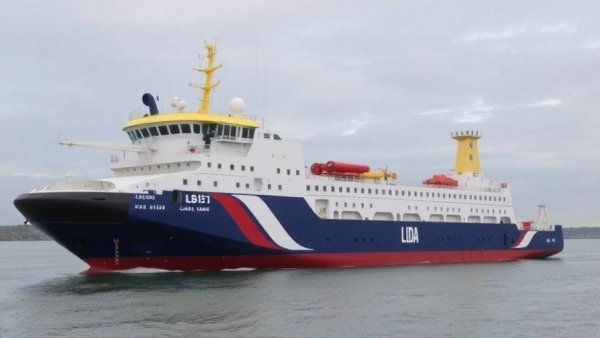
LDA's Strategic Expansion: Acquiring PSVs to Transform into Cable Layers

Update Introduction: A Strategic Move for LDA in Subsea Cables In a significant step towards enhancing its capabilities in subsea cable installation, LDA France's LD Armateurs (LDA) has announced the acquisition of three platform supply vessels (PSVs) to be converted into advanced cable-laying vessels. This strategic investment reflects LDA's commitment to supporting the growing needs of the telecommunications sector and addressing challenges related to aging infrastructure. With an increasing global focus on digital transformation, LDA's decision marks a crucial entry into a market that demands innovative solutions. The Details of the Acquisition According to CEO Samira Draoua, LDA has a long-standing history of 25 years in the installation and repair of subsea telecommunications cables and has now decided to expand its fleet. These PSVs, expected to be delivered in the second quarter of 2027, will undergo significant conversions to adapt them for specialized cable operations. Each vessel will boast a remarkable carrying capacity of 2,800 tonnes and is set to include advanced hybrid-electric propulsion systems, enhancing energy efficiency while significantly lowering CO₂ emissions compared to traditional vessels. Meeting the Rising Demand for Telecommunication Infrastructure The need for robust telecommunications infrastructure is escalating rapidly, driven by the increasing global reliance on digital connectivity. With the rise of remote work and the growing importance of online education and telehealth services, the pressure on existing infrastructures has intensified. LDA's investment in its own fleet not only provides the company with greater autonomy in operations but also positions it to respond swiftly to the evolving landscape of subsea cable technology and infrastructure demands. This investment addresses existing capacity constraints while ensuring LDA remains a key player in a rapidly modernizing sector, capable of handling large-scale cable laying and repair operations. Introducing the LDA Academy: Building Future Talent To complement its fleet expansion and ensure future operational success, LDA is launching the LDA Academy. This initiative aims at fostering the recruitment and professional development of its future crews, offering comprehensive training tailored to modern vessel operations and subsea cable technologies. Recognized as an industry leader, LDA's focus on education not only reflects its dedication to building a skilled workforce capable of maintaining and operating these sophisticated cable-layering vessels but also aligns with broader industry trends that prioritize upskilling and continuous learning in the face of advancing technology. The Technology Behind the Vessels: Innovations for Sustainability In today’s environmentally conscious climate, the integration of hybrid-electric propulsion systems is a game-changer for the maritime industry. LDA’s investments in cutting-edge technology are poised to set industry standards for operational efficiency while mitigating environmental impacts through reduced carbon emissions. These innovations demonstrate a forward-thinking approach that prioritizes sustainable practices, ensuring that maritime operations not only meet the demands of the telecommunications sector but also contribute positively to global environmental goals. Implications for the Telecommunications Sector The rollout of these vessels signifies a pivotal enhancement in LDA's service capabilities, particularly in the installation and repair of critical subsea cables that underpin global telecommunications systems. Such upgrades are crucial for meeting future data demand, which is expected to surge in light of initiatives like 5G rollout and increased internet of things (IoT) connectivity. By investing in next-generation vessels and training resources, LDA is well-positioned to ensure that it maintains seamless connectivity across continents and supports the infrastructure necessary for our increasingly digital world. Conclusion: A Forward-Thinking Approach As LDA embarks on this ambitious journey, its investment in both technology and human capital underscores a commitment to future-proofing its operations within the subsea telecommunications arena. This proactive strategy not only enhances LDA's position in the market, ensuring its leadership in cable installation and maintenance, but also represents an essential step toward sustained growth and innovation in the telecommunications infrastructure landscape. By embracing modern technologies and investing in its workforce, LDA is forging a path that aligns with the needs of the future while solidifying its role within the global telecommunications industry.

11.04.2026

Understanding Wärtsilä’s Spark Gas Conversion and Its Impact on LNG Shipping

Update Wärtsilä's Innovations Reduce Methane EmissionsWärtsilä has made a significant step forward in the maritime industry by completing the conversion of engines on three LNG carriers operated by Chevron from traditional dual-fuel (DF) systems to more advanced spark gas (SG) operation. Announced in September 2024, this collaborative effort is aimed at addressing the pressing issue of methane emissions in shipping.The move to spark gas operation emphasizes the need for innovation in reducing the environmental impact of shipping activities. The conversion process involves modifying the Wärtsilä 50DF engines that serve as the foundation for many LNG carriers in operation today. This new method does not rely on diesel pilot fuel to ignite combustion; instead, it uses spark ignition, resulting in a cleaner and more efficient combustion process.Why Spark Gas is a Game Changer for the Marine IndustryThis conversion technology promises to lower methane emissions significantly. Estimates indicate that the implementation of spark gas operation can reduce methane emissions to as low as 1.1 percent of fuel use, significantly less than traditional dual-fuel systems. The key technological advancement is an electrically controlled pre-combustion chamber valve that optimizes combustion, marks a crucial step toward achieving environmental sustainability in maritime operations."Advancing lower-emission shipping will require both technology innovation and industry collaboration. Through projects like this, we can gain valuable operational insights, evaluate solutions and contribute to the collective experience needed to help move the industry forward while continuing to provide safe and reliable transport of energy," commented Barbara Pickering, president of Chevron Shipping.Collaboration in the Marine Sector: A Path ForwardRoger Holm, president of Wärtsilä Marine, echoed the sentiment of collaboration, stating, "This achievement highlights the importance of technology development and cross-industry collaboration in advancing lower-emissions solutions for shipping. By working collaboratively across the marine sector, initiatives like this project contribute to broader efforts to reduce greenhouse gas emissions." The project serves as an exemplar for how technological advancements combined with strategic partnerships can reshape the shipping industry's approach to emissions and environmental responsibility.Looking Ahead: Future Conversions on the HorizonThe success of this initial conversion sets a promising precedent, as Wärtsilä plans to convert three more vessels within the next year. This expansion indicates a strong commitment to refining and widely implementing spark gas technology across fleets traditionally reliant on dual-fuel configurations. With these advancements, the industry steps closer to realizing not just reduced emissions but also enhanced vessel performance and efficiency.Implications for the Broader Shipping IndustryThe implications of this conversion technology extend beyond just Chevron and Wärtsilä; they represent a significant stride for the entire shipping industry as it grapples with increasing regulations and public scrutiny regarding environmental impacts. As consumers and stakeholders become more environmentally conscious, the adoption of reduced-emission technologies will likely become a competitive advantage for companies willing to invest in these innovations.Ultimately, Wärtsilä’s spark gas conversion project is a strong example of how traditional industries can embrace change and work collaboratively toward a more sustainable future. The maritime sector holds a crucial role in global trade and energy transport, making these advancements not just beneficial for the companies involved but for the planet as a whole.

Gulf Coast Tech

Moss Point Gulf Coast Tech, your premier destination for the latest tech news and innovations shaping the Gulf Coast and beyond.

228 355 0244

AVAILABLE FROM 10AM - 9PM

Pascagoula, Mississippi

3414 Shortcut Rd.
Pascagoula, MS 39581 USA

ABOUT US

Gulf Coast Tech delivers the latest tech news and innovations to the Gulf Coast audience every day.

© 2026 JimBroad Media All Rights Reserved. 3414 Shortcut Rd, Pascagoula, MS 39581 . Contact Us . Terms of Service . Privacy Policy

eyJjb21wYW55IjoiSmltQnJvYWQgTWVkaWEiLCJhZGRyZXNzIjoiMzQxNCBTaG9ydGN1dCBSZCwgUGFzY2Fnb3VsYSwgTVMgMzk1ODEiLCJjaXR5IjoiUGFzY2Fnb3VsYSIsInN0YXRlIjoiTVMiLCJ6aXAiOiIzOTU4MSIsImVtYWlsIjoiamltQHJicHRlYW0uY29tIiwidG9zIjoiUEhBK1BITjBjbTl1Wno0OFpXMCtWMmhsYmlCNWIzVWdjMmxuYmkxcGJpQjNhWFJvSUhWekxDQjViM1VnWVhKbElHZHBkbWx1WnladVluTndPeUI1YjNWeUlIQmxjbTFwYzNOcGIyNGdZVzVrSUdOdmJuTmxiblFnZEc4Z2MyVnVaQ0I1YjNVZ1pXMWhhV3dnWVc1a0wyOXlJRk5OVXlCMFpYaDBJRzFsYzNOaFoyVnpMaUJDZVNCamFHVmphMmx1WnlCMGFHVWdWR1Z5YlhNZ1lXNWtJRU52Ym1ScGRHbHZibk1nWW05NElHRnVaQ0JpZVNCemFXZHVhVzVuSUdsdUlIbHZkU0JoZFhSdmJXRjBhV05oYkd4NUlHTnZibVpwY20wZ2RHaGhkQ0I1YjNVZ1lXTmpaWEIwSUdGc2JDQjBaWEp0Y3lCcGJpQjBhR2x6SUdGbmNtVmxiV1Z1ZEM0OEwyVnRQand2YzNSeWIyNW5Qand2Y0Q0S0NqeHdQanhoSUdoeVpXWTlJbWgwZEhBNkx5OTNkM2N1WjI5dloyeGxMbU52YlNJK2FIUjBjRG92TDNkM2R5NW5iMjluYkdVdVkyOXRQQzloUGp3dmNENEtDanh3UGladVluTndPend2Y0Q0S0NqeHdQanh6ZEhKdmJtYytVMFZTVmtsRFJUd3ZjM1J5YjI1blBqd3ZjRDRLQ2p4d1BsZGxJSEJ5YjNacFpHVWdZU0J6WlhKMmFXTmxJSFJvWVhRZ1kzVnljbVZ1ZEd4NUlHRnNiRzkzY3lCNWIzVWdkRzhnY21WalpXbDJaU0J5WlhGMVpYTjBjeUJtYjNJZ1ptVmxaR0poWTJzc0lHTnZiWEJoYm5rZ2FXNW1iM0p0WVhScGIyNHNJSEJ5YjIxdmRHbHZibUZzSUdsdVptOXliV0YwYVc5dUxDQmpiMjF3WVc1NUlHRnNaWEowY3l3Z1kyOTFjRzl1Y3l3Z1pHbHpZMjkxYm5SeklHRnVaQ0J2ZEdobGNpQnViM1JwWm1sallYUnBiMjV6SUhSdklIbHZkWElnWlcxaGFXd2dZV1JrY21WemN5QmhibVF2YjNJZ1kyVnNiSFZzWVhJZ2NHaHZibVVnYjNJZ1pHVjJhV05sTGlCWmIzVWdkVzVrWlhKemRHRnVaQ0JoYm1RZ1lXZHlaV1VnZEdoaGRDQjBhR1VnVTJWeWRtbGpaU0JwY3lCd2NtOTJhV1JsWkNBbWNYVnZkRHRCVXkxSlV5WnhkVzkwT3lCaGJtUWdkR2hoZENCM1pTQmhjM04xYldVZ2JtOGdjbVZ6Y0c5dWMybGlhV3hwZEhrZ1ptOXlJSFJvWlNCMGFXMWxiR2x1WlhOekxDQmtaV3hsZEdsdmJpd2diV2x6TFdSbGJHbDJaWEo1SUc5eUlHWmhhV3gxY21VZ2RHOGdjM1J2Y21VZ1lXNTVJSFZ6WlhJZ1kyOXRiWFZ1YVdOaGRHbHZibk1nYjNJZ2NHVnljMjl1WVd4cGVtRjBhVzl1SUhObGRIUnBibWR6TGp3dmNENEtDanh3UGxsdmRTQmhjbVVnY21WemNHOXVjMmxpYkdVZ1ptOXlJRzlpZEdGcGJtbHVaeUJoWTJObGMzTWdkRzhnZEdobElGTmxjblpwWTJVZ1lXNWtJSFJvWVhRZ1lXTmpaWE56SUcxaGVTQnBiblp2YkhabElIUm9hWEprSUhCaGNuUjVJR1psWlhNZ0tITjFZMmdnWVhNZ1UwMVRJSFJsZUhRZ2JXVnpjMkZuWlhNc0lFbHVkR1Z5Ym1WMElITmxjblpwWTJVZ2NISnZkbWxrWlhJZ2IzSWdZMlZzYkhWc1lYSWdZV2x5ZEdsdFpTQmphR0Z5WjJWektTNGdXVzkxSUdGeVpTQnlaWE53YjI1emFXSnNaU0JtYjNJZ2RHaHZjMlVnWm1WbGN5d2dhVzVqYkhWa2FXNW5JSFJvYjNObElHWmxaWE1nWVhOemIyTnBZWFJsWkNCM2FYUm9JSFJvWlNCa2FYTndiR0Y1SUc5eUlHUmxiR2wyWlhKNUlHOW1JR1ZoWTJnZ1UwMVRJSFJsZUhRZ2JXVnpjMkZuWlNCelpXNTBJSFJ2SUhsdmRTQmllU0IxY3k0Z1NXNGdZV1JrYVhScGIyNHNJSGx2ZFNCdGRYTjBJSEJ5YjNacFpHVWdZVzVrSUdGeVpTQnlaWE53YjI1emFXSnNaU0JtYjNJZ1lXeHNJR1Z4ZFdsd2JXVnVkQ0J1WldObGMzTmhjbmtnZEc4Z1lXTmpaWE56SUhSb1pTQlRaWEoyYVdObElHRnVaQ0J5WldObGFYWmxJSFJvWlNCVFRWTWdkR1Y0ZENCdFpYTnpZV2RsY3k0Z1YyVWdaRzhnYm05MElHTm9ZWEpuWlNCaGJua2dabVZsY3lCbWIzSWdaR1ZzYVhabGNua2diMllnWlcxaGFXd2diM0lnVTAxVExpQlVhR2x6SUdseklHRWdabkpsWlNCelpYSjJhV05sSUhCeWIzWnBaR1ZrSUdKNUlIVnpMaUJJYjNkbGRtVnlMQ0J3YkdWaGMyVWdZMmhsWTJzZ2QybDBhQ0I1YjNWeUlHbHVkR1Z5Ym1WMElITmxjblpwWTJVZ2NISnZkbWxrWlhJZ1lXNWtJR05sYkd4MWJHRnlJR05oY25KcFpYSWdabTl5SUdGdWVTQmphR0Z5WjJWeklIUm9ZWFFnYldGNUlHbHVZM1Z5SUdGeklHRWdjbVZ6ZFd4MElHWnliMjBnY21WalpXbDJhVzVuSUdWdFlXbHNJR0Z1WkNCVFRWTWdkR1Y0ZENCdFpYTnpZV2RsY3lCMGFHRjBJSGRsSUdSbGJHbDJaWElnZFhCdmJpQjViM1Z5SUc5d2RDMXBiaUJoYm1RZ2NtVm5hWE4wY21GMGFXOXVJSGRwZEdnZ2IzVnlJR1Z0WVdsc0lHRnVaQ0JUVFZNZ2MyVnlkbWxqWlhNdUlGbHZkU0JqWVc0Z1kyRnVZMlZzSUdGMElHRnVlU0IwYVcxbExpQktkWE4wSUhSbGVIUWdKbkYxYjNRN1UxUlBVQ1p4ZFc5ME95QjBieVp1WW5Od096eG9hV2RvYkdsbmFIUWdZMnhoYzNNOUltTnZiWEJoYm5sVFRWTlFhRzl1WlZWd1pHRjBaU0krYm5Wc2JEd3ZhR2xuYUd4cFoyaDBQaTRnUVdaMFpYSWdlVzkxSUhObGJtUWdkR2hsSUZOTlV5QnRaWE56WVdkbElDWnhkVzkwTzFOVVQxQW1jWFZ2ZERzZ2RHOGdkWE1zSUhkbElIZHBiR3dnYzJWdVpDQjViM1VnWVc0Z1UwMVRJRzFsYzNOaFoyVWdkRzhnWTI5dVptbHliU0IwYUdGMElIbHZkU0JvWVhabElHSmxaVzRnZFc1emRXSnpZM0pwWW1Wa0xpQkJablJsY2lCMGFHbHpMQ0I1YjNVZ2QybHNiQ0J1YnlCc2IyNW5aWElnY21WalpXbDJaU0JUVFZNZ2JXVnpjMkZuWlhNZ1puSnZiU0IxY3k0OEwzQStDZ284Y0Q0OGMzUnliMjVuUGxsUFZWSWdVa1ZIU1ZOVVVrRlVTVTlPSUU5Q1RFbEhRVlJKVDA1VFBDOXpkSEp2Ym1jK1BDOXdQZ29LUEhBK1NXNGdZMjl1YzJsa1pYSmhkR2x2YmlCdlppQjViM1Z5SUhWelpTQnZaaUIwYUdVZ1UyVnlkbWxqWlN3Z2VXOTFJR0ZuY21WbElIUnZPand2Y0Q0S0NqeHZiRDRLQ1R4c2FUNXdjbTkyYVdSbElIUnlkV1VzSUdGalkzVnlZWFJsTENCamRYSnlaVzUwSUdGdVpDQmpiMjF3YkdWMFpTQnBibVp2Y20xaGRHbHZiaUJoWW05MWRDQjViM1Z5YzJWc1ppQmhjeUJ3Y205dGNIUmxaQ0JpZVNCMGFHVWdVMlZ5ZG1salpTWWpNems3Y3lCeVpXZHBjM1J5WVhScGIyNGdabTl5YlNBb2MzVmphQ0JwYm1admNtMWhkR2x2YmlCaVpXbHVaeUIwYUdVZ0puRjFiM1E3VW1WbmFYTjBjbUYwYVc5dUlFUmhkR0VtY1hWdmREc3BJR0Z1WkR3dmJHaytDZ2s4YkdrK2JXRnBiblJoYVc0Z1lXNWtJSEJ5YjIxd2RHeDVJSFZ3WkdGMFpTQjBhR1VnVW1WbmFYTjBjbUYwYVc5dUlFUmhkR0VnZEc4Z2EyVmxjQ0JwZENCMGNuVmxMQ0JoWTJOMWNtRjBaU3dnWTNWeWNtVnVkQ0JoYm1RZ1kyOXRjR3hsZEdVdUlFbG1JSGx2ZFNCd2NtOTJhV1JsSUdGdWVTQnBibVp2Y20xaGRHbHZiaUIwYUdGMElHbHpJSFZ1ZEhKMVpTd2dhVzVoWTJOMWNtRjBaU3dnYm05MElHTjFjbkpsYm5RZ2IzSWdhVzVqYjIxd2JHVjBaU3dnYjNJZ2QyVWdhR0YyWlNCeVpXRnpiMjVoWW14bElHZHliM1Z1WkhNZ2RHOGdjM1Z6Y0dWamRDQjBhR0YwSUhOMVkyZ2dhVzVtYjNKdFlYUnBiMjRnYVhNZ2RXNTBjblZsTENCcGJtRmpZM1Z5WVhSbExDQnViM1FnWTNWeWNtVnVkQ0J2Y2lCcGJtTnZiWEJzWlhSbExDQjNaU0JvWVhabElIUm9aU0J5YVdkb2RDQjBieUJ6ZFhOd1pXNWtJRzl5SUR4emRISnZibWMrUEhOd1lXNGdjM1I1YkdVOUltTnZiRzl5T2lOR1JqQXdNREE3SWo1MFpYSnRhVzVoZEdVZ2VXOTFjaUJoWTJOdmRXNTBMM0J5YjJacGJHVWdZVzVrSUhKbFpuVnpaU0JoYm5rZ1lXNWtJR0ZzYkNCamRYSnlaVzUwSUc5eUlHWjFkSFZ5WlNCMWMyVWdiMllnZEdobElGTmxjblpwWTJVZ0tHOXlJR0Z1ZVNCd2IzSjBhVzl1SUhSb1pYSmxiMllwTGp3dmMzQmhiajQ4TDNOMGNtOXVaejQ4TDJ4cFBnbzhMMjlzUGdvS1BIQStKbTVpYzNBN1BDOXdQZ284YUdsbmFHeHBaMmgwSUdOc1lYTnpQU0pqYjIxd1lXNTVUbUZ0WlZWd1pHRjBaU0krU21sdFFuSnZZV1FnVFdWa2FXRThMMmhwWjJoc2FXZG9kRDQ4WW5JZ0x6NEtQR2hwWjJoc2FXZG9kQ0JqYkdGemN6MGlZMjl0Y0dGdWVVRmtaSEpsYzNOVmNHUmhkR1VpUGpNME1UUWdVMmh2Y25SamRYUWdVbVFzSUZCaGMyTmhaMjkxYkdFc0lFMVRJRE01TlRneFBDOW9hV2RvYkdsbmFIUStQR0p5SUM4K0NqeG9hV2RvYkdsbmFIUWdZMnhoYzNNOUltTnZiWEJoYm5sUWFHOXVaVlZ3WkdGMFpTSStLekVnS3pFeU1qZ3pOVFV3TWpRMFBDOW9hV2RvYkdsbmFIUStQR0p5SUM4K0NqeG9hV2RvYkdsbmFIUWdZMnhoYzNNOUltTnZiWEJoYm5sRmJXRnBiRlZ3WkdGMFpTSSthbWx0UUhKaWNIUmxZVzB1WTI5dFBDOW9hV2RvYkdsbmFIUSsiLCJwcml2YWN5IjoiUEhBK1BITjBjbTl1Wno1UVVrbFdRVU5aUEM5emRISnZibWMrUEM5d1Bnb0tQSEErUEhOMGNtOXVaejVVYUdVZ2FXNW1iM0p0WVhScGIyNGdjSEp2ZG1sa1pXUWdaSFZ5YVc1bklIUm9hWE1nY21WbmFYTjBjbUYwYVc5dUlHbHpJR3RsY0hRZ2NISnBkbUYwWlNCaGJtUWdZMjl1Wm1sa1pXNTBhV0ZzTENCaGJtUWdkMmxzYkNCdVpYWmxjaUJpWlNCa2FYTjBjbWxpZFhSbFpDd2dZMjl3YVdWa0xDQnpiMnhrTENCMGNtRmtaV1FnYjNJZ2NHOXpkR1ZrSUdsdUlHRnVlU0IzWVhrc0lITm9ZWEJsSUc5eUlHWnZjbTB1SUZSb2FYTWdhWE1nYjNWeUlHZDFZWEpoYm5SbFpTNDhMM04wY205dVp6NDhMM0ErQ2dvOGNENDhjM1J5YjI1blBrbE9SRVZOVGtsVVdUd3ZjM1J5YjI1blBqd3ZjRDRLQ2p4d1BqeGxiVDVaYjNVZ1lXZHlaV1VnZEc4Z2FXNWtaVzF1YVdaNUlHRnVaQ0JvYjJ4a0lIVnpMQ0JoYm1RZ2FYUnpJSE4xWW5OcFpHbGhjbWxsY3l3Z1lXWm1hV3hwWVhSbGN5d2diMlptYVdObGNuTXNJR0ZuWlc1MGN5d2dZMjh0WW5KaGJtUmxjbk1nYjNJZ2IzUm9aWElnY0dGeWRHNWxjbk1zSUdGdVpDQmxiWEJzYjNsbFpYTXNJR2hoY20xc1pYTnpJR1p5YjIwZ1lXNTVJR05zWVdsdElHOXlJR1JsYldGdVpDd2dhVzVqYkhWa2FXNW5JSEpsWVhOdmJtRmliR1VnWVhSMGIzSnVaWGx6SmlNek9Uc2dabVZsY3l3Z2JXRmtaU0JpZVNCaGJua2dkR2hwY21RZ2NHRnlkSGtnWkhWbElIUnZJRzl5SUdGeWFYTnBibWNnYjNWMElHOW1JRU52Ym5SbGJuUWdlVzkxSUhKbFkyVnBkbVVzSUhOMVltMXBkQ3dnY21Wd2JIa3NJSEJ2YzNRc0lIUnlZVzV6YldsMElHOXlJRzFoYTJVZ1lYWmhhV3hoWW14bElIUm9jbTkxWjJnZ2RHaGxJRk5sY25acFkyVXNJSGx2ZFhJZ2RYTmxJRzltSUhSb1pTQlRaWEoyYVdObExDQjViM1Z5SUdOdmJtNWxZM1JwYjI0Z2RHOGdkR2hsSUZObGNuWnBZMlVzSUhsdmRYSWdkbWx2YkdGMGFXOXVJRzltSUhSb1pTQlVUMU1zSUc5eUlIbHZkWElnZG1sdmJHRjBhVzl1SUc5bUlHRnVlU0J5YVdkb2RITWdiMllnWVc1dmRHaGxjaTQ4TDJWdFBqd3ZjRDRLQ2p4d1BqeHpkSEp2Ym1jK1JFbFRRMHhCU1UxRlVpQlBSaUJYUVZKU1FVNVVTVVZUUEM5emRISnZibWMrUEM5d1Bnb0tQSEErUEhOMGNtOXVaejVaVDFVZ1JWaFFVa1ZUVTB4WklGVk9SRVZTVTFSQlRrUWdRVTVFSUVGSFVrVkZJRlJJUVZRNlBDOXpkSEp2Ym1jK1BDOXdQZ29LUEc5c1Bnb0pQR3hwUGxsUFZWSWdWVk5GSUU5R0lGUklSU0JUUlZKV1NVTkZJRWxUSUVGVUlGbFBWVklnVTA5TVJTQlNTVk5MTGlCVVNFVWdVMFZTVmtsRFJTQkpVeUJRVWs5V1NVUkZSQ0JQVGlCQlRpQW1jWFZ2ZER0QlV5QkpVeVp4ZFc5ME95QkJUa1FnSm5GMWIzUTdRVk1nUVZaQlNVeEJRa3hGSm5GMWIzUTdJRUpCVTBsVExpQXNMaUJCVGtRZ1ZWTXNJRWxVSmlNek9UdFRJRU5WVTFSUFRVVlNVeXdnUlZoUVVrVlRVMHhaSUVSSlUwTk1RVWxOVXlCQlRFd2dWMEZTVWtGT1ZFbEZVeUJQUmlCQlRsa2dTMGxPUkN3Z1YwaEZWRWhGVWlCRldGQlNSVk5USUU5U0lFbE5VRXhKUlVRc0lFbE9RMHhWUkVsT1J5d2dRbFZVSUU1UFZDQk1TVTFKVkVWRUlGUlBJRlJJUlNCSlRWQk1TVVZFSUZkQlVsSkJUbFJKUlZNZ1QwWWdUVVZTUTBoQlRsUkJRa2xNU1ZSWkxDQkdTVlJPUlZOVElFWlBVaUJCSUZCQlVsUkpRMVZNUVZJZ1VGVlNVRTlUUlNCQlRrUWdUazlPTFVsT1JsSkpUa2RGVFVWT1ZDNDhMMnhwUGdvSlBHeHBQazFCUzBWVElFNVBJRmRCVWxKQlRsUlpJRlJJUVZRZ0tHa3BJRlJJUlNCVFJWSldTVU5GSUZkSlRFd2dUVVZGVkNCWlQxVlNJRkpGVVZWSlVrVk5SVTVVVXl3Z0tHbHBLU0JVU0VVZ1UwVlNWa2xEUlNCWFNVeE1JRUpGSUZWT1NVNVVSVkpTVlZCVVJVUXNJRlJKVFVWTVdTd2dVMFZEVlZKRkxDQlBVaUJGVWxKUFVpMUdVa1ZGTENBb2FXbHBLU0JVU0VVZ1VrVlRWVXhVVXlCVVNFRlVJRTFCV1NCQ1JTQlBRbFJCU1U1RlJDQkdVazlOSUZSSVJTQlZVMFVnVDBZZ1ZFaEZJRk5GVWxaSlEwVWdWMGxNVENCQ1JTQkJRME5WVWtGVVJTQlBVaUJTUlV4SlFVSk1SU3dnUVU1RUlDaHBkaWtnUVU1WklFVlNVazlTVXlCSlRpQlVTRVVnVTA5R1ZGZEJVa1VnVjBsTVRDQkNSU0JEVDFKU1JVTlVSVVF1UEM5c2FUNEtDVHhzYVQ1QlRsa2dUVUZVUlZKSlFVd2dSRTlYVGt4UFFVUkZSQ0JQVWlCUFZFaEZVbGRKVTBVZ1QwSlVRVWxPUlVRZ1ZFaFNUMVZIU0NCVVNFVWdWVk5GSUU5R0lGUklSU0JUUlZKV1NVTkZJRWxUSUVSUFRrVWdRVlFnV1U5VlVpQlBWMDRnUkVsVFExSkZWRWxQVGlCQlRrUWdVa2xUU3lCQlRrUWdWRWhCVkNCWlQxVWdWMGxNVENCQ1JTQlRUMHhGVEZrZ1VrVlRVRTlPVTBsQ1RFVWdSazlTSUVGT1dTQkVRVTFCUjBVZ1ZFOGdXVTlWVWlCRFQwMVFWVlJGVWlCVFdWTlVSVTBnVDFJZ1RFOVRVeUJQUmlCRVFWUkJJRlJJUVZRZ1VrVlRWVXhVVXlCR1VrOU5JRlJJUlNCRVQxZE9URTlCUkNCUFJpQkJUbGtnVTFWRFNDQk5RVlJGVWtsQlRDNDhMMnhwUGdvSlBHeHBQazVQSUVGRVZrbERSU0JQVWlCSlRrWlBVazFCVkVsUFRpd2dWMGhGVkVoRlVpQlBVa0ZNSUU5U0lGZFNTVlJVUlU0c0lFOUNWRUZKVGtWRUlFSlpJRmxQVlNCR1VrOU5JRTlTSUZSSVVrOVZSMGdnVDFJZ1JsSlBUU0JVU0VVZ1UwVlNWa2xEUlNCVFNFRk1UQ0JEVWtWQlZFVWdRVTVaSUZkQlVsSkJUbFJaSUU1UFZDQkZXRkJTUlZOVFRGa2dVMVJCVkVWRUlFbE9JRlJJUlNCVVQxTXVQQzlzYVQ0S1BDOXZiRDRLQ2p4d1BqeHpkSEp2Ym1jK1RFbE5TVlJCVkVsUFRpQlBSaUJNU1VGQ1NVeEpWRms4TDNOMGNtOXVaejQ4TDNBK0NnbzhjRDVaVDFVZ1JWaFFVa1ZUVTB4WklGVk9SRVZTVTFSQlRrUWdRVTVFSUVGSFVrVkZJRlJJUVZRZ1FVNUVJRk5JUVV4TUlFNVBWQ0JDUlNCTVNVRkNURVVnUms5U0lFRk9XU0JFU1ZKRlExUXNJRWxPUkVsU1JVTlVMQ0JKVGtOSlJFVk9WRUZNTENCVFVFVkRTVUZNTENCRFQwNVRSVkZWUlU1VVNVRk1JRTlTSUVWWVJVMVFURUZTV1NCRVFVMUJSMFZUTENCSlRrTk1WVVJKVGtjZ1FsVlVJRTVQVkNCTVNVMUpWRVZFSUZSUExDQkVRVTFCUjBWVElFWlBVaUJNVDFOVElFOUdJRkJTVDBaSlZGTXNJRWRQVDBSWFNVeE1MQ0JWVTBVc0lFUkJWRUVnVDFJZ1QxUklSVklnU1U1VVFVNUhTVUpNUlNCTVQxTlRSVk1nS0VWV1JVNGdTVVlnU0VGVElFSkZSVTRnUVVSV1NWTkZSQ0JQUmlCVVNFVWdVRTlUVTBsQ1NVeEpWRmtnVDBZZ1UxVkRTQ0JFUVUxQlIwVlRLU3dnVWtWVFZVeFVTVTVISUVaU1QwMDZQQzl3UGdvS1BHOXNQZ29KUEd4cFBsUklSU0JWVTBVZ1QxSWdWRWhGSUVsT1FVSkpURWxVV1NCVVR5QlZVMFVnVkVoRklGTkZVbFpKUTBVN1BDOXNhVDRLQ1R4c2FUNVVTRVVnUTA5VFZDQlBSaUJRVWs5RFZWSkZUVVZPVkNCUFJpQlRWVUpUVkVsVVZWUkZJRWRQVDBSVElFRk9SQ0JUUlZKV1NVTkZVeUJTUlZOVlRGUkpUa2NnUmxKUFRTQkJUbGtnUjA5UFJGTXNJRVJCVkVFc0lFbE9SazlTVFVGVVNVOU9JRTlTSUZORlVsWkpRMFZUSUZCVlVrTklRVk5GUkNCUFVpQlBRbFJCU1U1RlJDQlBVaUJOUlZOVFFVZEZVeUJTUlVORlNWWkZSQ0JQVWlCVVVrRk9VMEZEVkVsUFRsTWdSVTVVUlZKRlJDQkpUbFJQSUZSSVVrOVZSMGdnVDFJZ1JsSlBUU0JVU0VVZ1UwVlNWa2xEUlRzOEwyeHBQZ29KUEd4cFBsVk9RVlZVU0U5U1NWcEZSQ0JCUTBORlUxTWdWRThnVDFJZ1FVeFVSVkpCVkVsUFRpQlBSaUJaVDFWU0lGUlNRVTVUVFVsVFUwbFBUbE1nVDFJZ1JFRlVRVHM4TDJ4cFBnb0pQR3hwUGxOVVFWUkZUVVZPVkZNZ1QxSWdRMDlPUkZWRFZDQlBSaUJCVGxrZ1ZFaEpVa1FnVUVGU1ZGa2dUMDRnVkVoRklGTkZVbFpKUTBVN0lFOVNQQzlzYVQ0S0NUeHNhVDVCVGxrZ1QxUklSVklnVFVGVVZFVlNJRkpGVEVGVVNVNUhJRlJQSUZSSVJTQlRSVkpXU1VORkxqd3ZiR2srQ2p3dmIydytDZ284Y0Q0OGRUNUNlU0J5WldkcGMzUmxjbWx1WnlCaGJtUWdjM1ZpYzJOeWFXSnBibWNnZEc4Z2IzVnlJR1Z0WVdsc0lHRnVaQ0JUVFZNZ2MyVnlkbWxqWlN3Z1lua2diM0IwTFdsdUxDQnZibXhwYm1VZ2NtVm5hWE4wY21GMGFXOXVJRzl5SUdKNUlHWnBiR3hwYm1jZ2IzVjBJR0VnWTJGeVpDd2dKbkYxYjNRN2VXOTFJR0ZuY21WbElIUnZJSFJvWlhObElGUkZVazFUSUU5R0lGTkZVbFpKUTBVbWNYVnZkRHNnWVc1a0lIbHZkU0JoWTJ0dWIzZHNaV1JuWlNCaGJtUWdkVzVrWlhKemRHRnVaQ0IwYUdVZ1lXSnZkbVVnZEdWeWJYTWdiMllnYzJWeWRtbGpaU0J2ZFhSc2FXNWxaQ0JoYm1RZ1pHVjBZV2xzWldRZ1ptOXlJSGx2ZFNCMGIyUmhlUzQ4TDNVK1BDOXdQZ29LUEhBK0ptNWljM0E3UEM5d1BnbzhhR2xuYUd4cFoyaDBJR05zWVhOelBTSmpiMjF3WVc1NVRtRnRaVlZ3WkdGMFpTSStTbWx0UW5KdllXUWdUV1ZrYVdFOEwyaHBaMmhzYVdkb2RENDhZbklnTHo0S1BHaHBaMmhzYVdkb2RDQmpiR0Z6Y3owaVkyOXRjR0Z1ZVVGa1pISmxjM05WY0dSaGRHVWlQak0wTVRRZ1UyaHZjblJqZFhRZ1VtUXNJRkJoYzJOaFoyOTFiR0VzSUUxVElETTVOVGd4UEM5b2FXZG9iR2xuYUhRK1BHSnlJQzgrQ2p4b2FXZG9iR2xuYUhRZ1kyeGhjM005SW1OdmJYQmhibmxRYUc5dVpWVndaR0YwWlNJK0t6RWdLekV5TWpnek5UVXdNalEwUEM5b2FXZG9iR2xuYUhRK1BHSnlJQzgrQ2p4b2FXZG9iR2xuYUhRZ1kyeGhjM005SW1OdmJYQmhibmxGYldGcGJGVndaR0YwWlNJK2FtbHRRSEppY0hSbFlXMHVZMjl0UEM5b2FXZG9iR2xuYUhRKyJ9

Terms of Service

Privacy Policy

Core Modal Title

Sorry, no results found

You Might Find These Articles Interesting

T
Please Check Your Email
We Will Be Following Up Shortly
*
*
*