

Add Row
Add Element

Add Element
Moss Point Gulf Coast Tech
update

Gulf Coast Tech

update
Add Element
  • Home
  • About
  • Categories
    • Tech News
    • Trending News
    • Tomorrow Tech
    • Disruption
    • Case Study
    • Infographic
    • Insurance
    • Shipbuilding
    • Technology
    • Final Expense
    • Expert Interview
    • Expert Comment
    • Shipyard Employee
  • Mississippio
July 20.2025
2 Minutes Read

Subic Bay's Carrier Support Potential: A New Era for Naval Operations

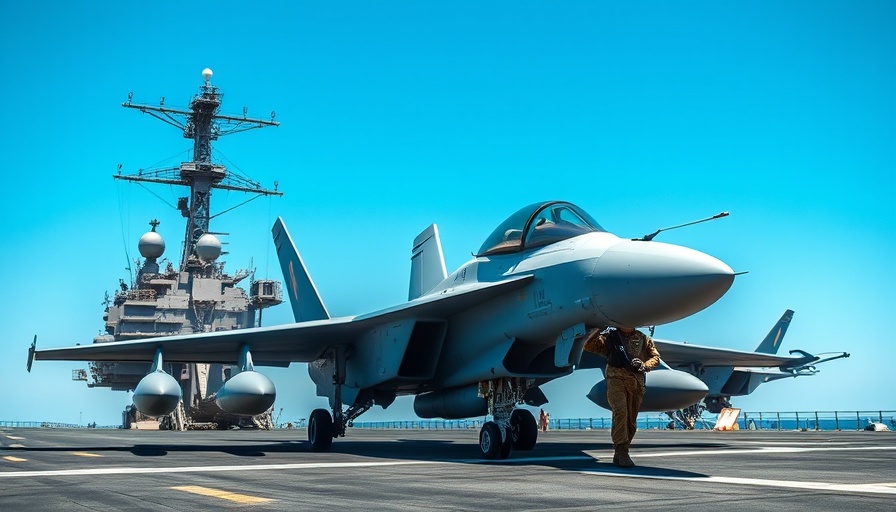
Subic Bay Carrier Support with soldier and fighter jet on deck.

Subic Bay: A Strategic Naval Hub

Subic Bay, once a bustling U.S. Navy base, is emerging as a potential hub for carrier support in Southeast Asia, receiving accolades from the French Navy. The recognition not only underscores the facility's strategic importance but also reflects a growing trend of nations reevaluating their maritime capabilities amid rising security tensions.

The Resurgence of Subic Bay

The historical significance of Subic Bay is immense. After the U.S. military's withdrawal in the 1990s, the bay faced economic challenges. However, recent developments show a promising turnaround as various nations eye it as a prime location for naval operations. French naval officials have lauded its geographic advantages, highlighting favorable weather conditions and existing infrastructure.

Emphasizing International Collaboration

Collaboration is central to maximizing Subic Bay's potential. As countries like France express interest, it opens doors for joint exercises and shared naval resources. This international camaraderie can bolster regional security, allowing countries to confront common threats more effectively.

Economic Implications for the Philippines

The attention from foreign navies can significantly boost the Philippine economy. By investing in infrastructure and services tailored for international naval forces, the country can create jobs and foster local business growth. Moreover, tourism is likely to increase, attracting visitors interested in naval history and modern military technology.

Technological Advancements in Naval Support

Advancements in technology are also revolutionizing naval operations. With more sophisticated ships requiring specialized support services, Subic Bay stands to benefit greatly. This could include maintenance facilities for advanced weapon systems and training centers for local personnel, making Subic a center of excellence in naval operations.

Addressing Local Concerns: A Community Perspective

While the prospects seem bright, community concerns about security and environmental impacts must also be considered. Residents often worry about the implications of increased military presence, including potential risks and ecological consequences. Open dialogues between the local government, naval representatives, and residents are essential to address these issues and build public trust.

Future of Naval Operations in Southeast Asia

As the geopolitical landscape continues to evolve, the significance of naval operations in Southeast Asia cannot be underestimated. With major powers vying for influence in the region, Subic Bay's role as a support center becomes ever more critical. Future collaborations and investments could reshape the balance of power and sharpen regional defense strategies.

Understanding these dynamics can empower communities and stakeholders alike to advocate for initiatives that promote security and sustainability. The spotlight on Subic Bay ultimately represents an opportunity for fostering a safer maritime environment as nations come together to share resources, insights, and capabilities.

Tech News

0 Comments

Write A Comment

*
*
Related Posts All Posts
03.08.2026

Hanwha Ocean’s Strategic Partnerships with Canada’s Industry to Boost Submarine Supply Chain

Update Strengthening Canada's Maritime Defense with Hanwha Ocean In an ongoing effort to boost Canada’s naval capabilities, Hanwha Ocean has made significant strides in forming partnerships with Canadian companies and universities. This initiative reflects a broader strategy aimed at enhancing local production and training within the maritime industry, marking a major step towards establishing a robust submarine supply chain in Canada. Collaboration at the Core Recent agreements have seen Hanwha Ocean engage with Ontario Shipyards and Mohawk College, creating a cohesive framework designed to nurture both industrial and workforce capabilities critical to defense-related shipbuilding. Under these agreements, the focus extends beyond mere manufacturing; it encompasses design, training, and knowledge transfer, essential for developing the next generation of Canadian submarines. The Role of Education in Defense Innovation As part of the collaborations, an embedded training hub is set to rise at Ontario Shipyards' Hamilton facility. Mohawk College will lead in crafting specialized education programs, covering a variety of technical disciplines from welding to robotics. This integration of educational initiatives with practical training ensures that as new technology is developed, a skilled workforce will be ready to implement and operate it. Wider Implications for the Canadian Economy This partnership not only strengthens Canada’s defense capabilities but also supports local economic growth. By engaging small and medium-sized enterprises, as well as Indigenous-owned businesses, Hanwha Ocean fosters a more inclusive approach to industrial development. The emphasis on local production not only meets defense standards but also aligns with community involvement and economic sustainability. These agreements could potentially create thousands of jobs, significantly benefiting the economy in the Great Lakes region. A Blueprint for Future Developments Hanwha Ocean’s proactive strategy goes beyond partnerships. The company aims to establish a 'national package-style industrial alliance' which integrates various sectors, including artificial intelligence, steel production, and space technology. By intertwining these diverse industries with defense production, it paves the way for a holistic approach to national security and industrial capability. The Vision for a Sustainable Future Looking forward, the integration of advanced shipbuilding technologies and local workforce development represents a massive leap toward sustainable maritime innovation. The cooperation between Hanwha Ocean and Canadian entities serves as a model for how international partnerships can adapt to local needs, blending expertise with community engagement. This commitment to not merely exporting technology, but also embedding it within Canada’s industrial base, holds the promise of future resilience in defense capabilities. At its core, Hanwha Ocean’s shift from a conventional defense export approach to a long-term partnership strategy illustrates its dedication to fostering an advanced marine manufacturing environment in Canada. This ambitious initiative signals a new era of collaboration, innovation, and sustainability in Canada’s defense landscape, promising not only enhanced maritime defense but also economic growth for the country.

03.07.2026

Understanding India's Internment of the IRIS Lavan: A Naval Analysis

Update A Surprising Turn of Events: India's Interception of the IRIS LavanIn a significant development in naval affairs, India has confirmed that it interned the Iranian naval vessel IRIS Lavan on March 4. This unexpected move raises questions about maritime security and geopolitical tensions, particularly in light of ongoing regional dynamics. The IRIS Lavan, an auxiliary ship of the Iranian Navy, was reportedly intercepted when it was sailing through waters of strategic importance.What This Could Mean for Future Naval InteractionsThe internment reflects a complicated tapestry of international oceanic policies, especially between nations that are closely monitoring naval movements. Historically, maritime interception serves as a warning and emphasizes the need for adherence to international law. It showcases India's proactive stance on securing its territorial waters while maintaining a careful watch on regional adversaries.Understanding Regional Naval StrategiesIndia's action signifies more than just a single incident; it's a component in the larger game of geopolitics in the Indian Ocean region. Various countries are increasingly maneuvering to ensure their naval dominance, leading to heightened tensions. This incident could either be a precursor to broader maritime security collaborations or an escalation in hostilities, particularly involving Iran, which has expressed its discontent over such interferences.The Significance of this EventFor nations engaged in naval operations, the interception of the IRIS Lavan is a stark reminder of the complexities involved in maritime law and the strategic considerations that nations must navigate. It stresses the importance of cooperation among navies to enhance safety and security in international waters, averting potential conflicts derived from misinterpretations of sovereignty.Potential Direction in Global Maritime PoliticsLooking ahead, the Indian Navy’s initiative may provoke reciprocal actions from Iran and other nations, prompting a flurry of diplomatic dialogues. Each move can alter the balance of power in the region, making it essential for governments to foster open lines of communication to mitigate risks.What’s Next for India and Its Naval Strategy?This incident also compels India to rethink its maritime strategy. With ambitious goals in the domain of naval technology and capacity building, India aims to solidify its presence in the Indian Ocean. This dynamic demonstrates the pressure to not only safeguard its waters but also to engage in multi-lateral partnerships, enhancing its naval footprint in a region rife with challenges.As stakeholders in global security, it becomes crucial for nations to stay updated with such pivotal developments and understand their implications. The education around this maritime move opens a pathway for informed discussions on international relations and security strategies.

03.06.2026

Europe Responds to Iranian Threat: Navy Ships Dispatch to Cyprus

Update Strengthening Naval Defense in the Mediterranean: A Swift Response to Threats In the wake of escalating tensions from Iranian military actions, a united front of European nations, led by Italy, is preparing to bolster naval defenses in the Mediterranean. This strategic move aims to protect vital regional allies, particularly Cyprus, from potential Iranian strikes that have recently expanded in range and frequency. Italy Takes the Lead in Naval Deployment Italy's Defense Minister, Guido Crosetto, confirmed that Italy, alongside Spain, France, and the Netherlands, will deploy naval assets to Cyprus within the upcoming days. The highlighted vessel is the Spartaco Schergat, a FREMM-class frigate, which is currently concluding its involvement in NATO exercises off the Sicilian coast. While the rapid deployment is critical, the frigate will first need to return for refueling, suggesting that timing will be crucial in this multi-national operation. Collaborative Defense Strategies: A Unified European Effort This mission is underscored by a cooperative approach among nations: ships will operate alongside others without needing to function under a single command. Reports indicate that Greece has already sent two frigates to enhance the security of Cyprus, while the French aircraft carrier Charles de Gaulle is en route to the region, bolstered by the Spanish frigate Cristóbal Colón, an advanced vessel set to enhance air defense capabilities in the area. The Implications of Iranian Military Actions Recent strikes on military bases in Cyprus, including a drone attack on RAF Akrotiri, have intensified concerns regarding the Iranian threat and its implications for European security. This assault serves as a stark reminder of the risks involved and the pressing need for rapid responses to safeguard allies and maintain regional stability. France, Spain, and the UK: A Multi-National Defensive Construct The concerted effort marks a pivotal moment in European naval collaboration, demonstrating how nations can enhance their strategic positioning against external threats. French Minister of the Armed Forces, Catherine Vautrin, noted that the French naval strike group would reach the Mediterranean soon, amplifying protective measures for Cyprus's airspace alongside Spain’s sophisticated frigate functionalities, particularly their new Patriot batteries expected to arrive in Turkey. A Look Ahead: Future Defense Strategies and Regional Stability Looking towards the future, the coordinated naval deployment is expected not only to deter Iranian aggression but also to reinforce the strategic partnerships among European and allied powers. As Italy also commits to providing air defense systems to Gulf states, it is clear that European nations are navigating the complexities of geopolitical strategies, aiming for stability in a tumultuous region. Potential Risks and Challenges Ahead However, the complexities of logistics present challenges, particularly given the location of Italy’s larger Horizon-class destroyers, which are currently stationed at far distances or in maintenance. This raises questions about how swiftly these ships can be mobilized if a more immediate threat emerges. Contrary to Italy's proactive measures, Germany's current stance remains cautious, with Chancellor Merz emphasizing preventative measures rather than active military involvement at this juncture. As tensions in the Middle East continue, the actions taken by Italy and its European allies bear significant implications for national security across Europe. Maintaining a posture that deters aggression while ensuring safety and preparedness remains a critical aspect of contemporary naval strategy.

Terms of Service

Privacy Policy

Core Modal Title

Sorry, no results found

You Might Find These Articles Interesting

T
Please Check Your Email
We Will Be Following Up Shortly
*
*
*