

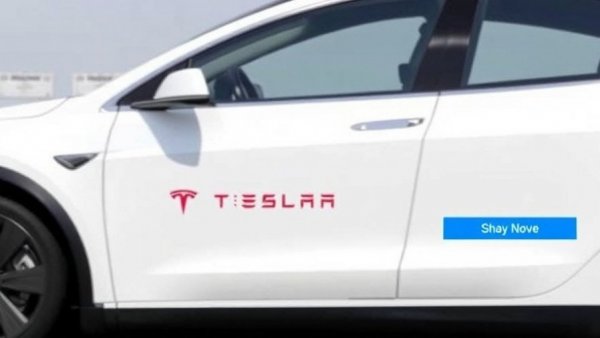
Unlocking the Future: Tesla's Cybercab Revolution
On November 14, 2026, Tesla rolled out the pre-order phase for its highly anticipated Cybercab, ushering a new era of autonomous transportation for personal use. This sleek vehicle, currently available only to select customers, is priced at $29,990, accompanied by a monthly fee of $299 for operational costs. The commitment to innovation is evident, yet this initiative is steeped in geo-restrictions, raising questions about accessibility and regulatory hurdles.
Geofencing: A Double-Edged Sword for Users
Tesla's Cybercab may seem groundbreaking, but its geo-restricted operation is a critical talking point. It limits users to specific areas within Texas. According to Ashok Elluswamy of Tesla, these geofenced zones are analogous to those for its automated taxi services, operating seamlessly within designated urban landscapes. While this approach ensures safety and regulatory compliance, it also highlights the complexities emerging technologies face as they integrate into daily life, particularly in the context of local regulations and urban planning.
The Monthly Fee: Is It Justified?
The $299 monthly fee has sparked discussions across tech circles, with critics, including Tesla's CEO Elon Musk, suggesting that the cost is inflated compared to the $115 charged for the Full Self-Driving service in other models. This raises important questions: Is the pricing reflective of the value and technology being offered, or is it merely a symptom of the current market dynamics where tech companies strive to recoup investments? For many early adopters, these fees can be seen as barriers to entry in an already demanding market.
Market Impact and Future Predictions
Tesla’s move to cease Cybertruck production in favor of ramping up Cybercab manufacturing illustrates a strategic pivot amid disappointing sales. This shift signals an industry trend where legacy car manufacturers are leaning heavily into the autonomous vehicle space. As more companies invest in automated technologies, we can anticipate not just significant transformations in transportation but also how urban infrastructure will adapt to accommodate these innovations. Will we see a wider acceptance and integration of autonomous vehicles in the mainstream, or will regulatory issues hinder growth?
Why the Cybercab Might Change Transportation
As Tesla's Cybercab begins to roll out, it paves the way for a new competitive landscape in transportation. Tech professionals and industry leaders must pay close attention to how these developments influence consumer behavior and mobility patterns. The Cybercab's emergence foreshadows a future where personal and shared transportation options will intertwine underpinned by advanced technologies, offering potential cost savings and increased efficiency in urban transport.
In conclusion, Tesla's Cybercab pre-orders represent more than just a new vehicle; they signify an evolving frontier in technology and transportation. For professionals in tech-driven industries, understanding these shifts is crucial—not just for strategic planning but also for engaging with forthcoming industry challenges and opportunities. By staying informed, stakeholders can navigate these transformations proactively, leveraging insights from Tesla's model to align with broader tech trends.
Call to Action: Stay ahead of the curve in technology and transportation! Keep an eye on upcoming advancements, engage with technology conferences, and prepare your business plan for a future influenced by innovations like the Cybercab.




Write A Comment