

The Aquifer Crisis: A Call to Awareness
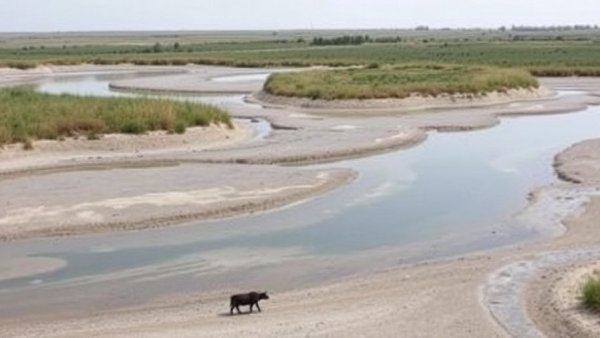
In the heart of South Dakota, the beauty and bounty of Bear Butte State Park stand as a stark reminder of the ongoing water crisis affecting the region. Typically a stunning 215-acre lake, it now faces severe reduction due to persistent drought and depleting underground aquifers. The situation lays bare the precarious balance of nature, where geological wonders directly reflect human impacts, from increased population demands to environmental shifts.
The Visible Impact of Drought
A visit to Bear Butte reveals the harsh reality of today: the lake, normally 15 feet deep, is reduced to a mere puddle, surrounded by barren land. Fish populations reliant on this shrinking habitat—like walleye and crappie—are under threat, showcasing how nature’s web is intertwined with human activity. This poignant sight illustrates not only an environmental crisis but also a shift in local ecosystems that resonates across communities.
Population Growth and Water Use
Over the past few years, the increasing population combined with cyclical droughts has prompted severe water shortages. Geologists warn of diminishing water from aquifers, where prolonged periods of dryness hinder recharge rates. Rural households and farms, especially in the western regions, face an alarming reality as wells run dry or lower their yields. The narrative across South Dakota is clear: the demand for water is outpacing the supply.
Statewide Concerns and Legislative Action
State Senator Helene Duhamel, representing Rapid City, has highlighted the urgency of the situation, advocating for innovative water solutions. Possible projects include the expansion of existing water systems and constructing a pipeline from the Missouri River—a reliable source of fresh water. The looming question remains: will these measures suffice to counteract the rapid depletion of aquifers?
The Future of Water Resources
With projections indicating that additional water sources will soon be necessary, the image of South Dakota's lakes and reservoirs drying up is alarming. As farming, industry, and residential development continues, experts like Jay Gilbertson stress the importance of sustainability, noting that groundwater conservation must become a priority. The risks associated with unchecked growth and the potential for drastic shortages could lead to scenarios where newcomers to the state may need to bring their water supply.
Conservation: The Path Forward
Engaging local communities and policymakers in discussions on sustainable water practices is essential. Simple measures, such as educational outreach on water conservation techniques and improved management strategies, can foster community involvement while helping to safeguard this precious resource. Awareness can lead to action, making a collective effort necessary to avert a crisis.
Investing in Solutions
In light of these challenges, investments in technological advancements and infrastructure to better manage water supplies will be fundamental. The conversation around the future of South Dakota’s water must shift from reactive measures to proactive and innovative solutions that ensure water availability for all.




Write A Comment