

Moss Point Gulf Coast Tech
update

Gulf Coast Tech

update
  • Home
  • About
  • Categories
    • Tech News
    • Trending News
    • Tomorrow Tech
    • Disruption
    • Case Study
    • Infographic
    • Insurance
    • Shipbuilding
    • Technology
    • Final Expense
    • Expert Interview
    • Expert Comment
    • Shipyard Employee
  • Mississippio
July 23.2025
2 Minutes Read

U.S. Navy’s New At-Sea VLS Reloading: A Game Changer for National Security

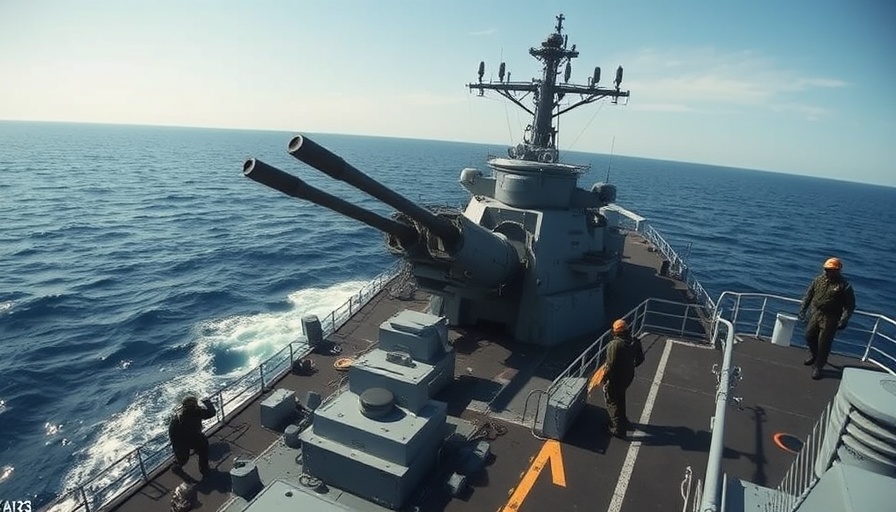
Naval ship VLS reloading at sea under clear sky.

Understanding the Importance of VLS Reloading

The recent tests conducted by the U.S. Navy on Vertical Launch System (VLS) reloading at sea during command drills highlight a critical advancement in naval warfare capabilities. The VLS system allows naval vessels to launch missiles efficiently without needing to return to shore or transport them via helicopters. This development signifies not only a tactical advantage but also reinforces the United States' commitment to maintaining naval superiority at sea.

Implications for Naval Readiness and Strategy

As geopolitical tensions rise globally, the ability for the Navy to conduct VLS reloading operations while at sea enhances its strategic reach. In scenarios requiring immediate defensive or offensive responses, these capabilities ensure that naval forces can engage threats promptly. This seamless integration between command drills and practical application could mean the difference between success and failure in high-stakes situations.

The Future of Naval Technology and Warfare

Advances like the at-sea VLS reloading system push the maritime domain towards a new era of warfare, where ships are not just platforms for defense but active participants in combat scenarios. With technologies evolving rapidly, future naval strategies will likely focus heavily on these kinds of innovative solutions, making investments in such systems crucial for national security.

Broadening the Scope: Global Perspectives on Naval Capabilities

This development in the U.S. Navy also raises questions about the global balance of naval power. Other countries are likely to respond by enhancing their own naval capabilities, potentially leading to an arms race in naval technology. Understanding these dynamics can help inform both military strategy and international relations, highlighting the interconnected nature of modern defense.

Insights into the Challenges Ahead

However, while the technology presents exciting prospects, it also comes with significant challenges. Ensuring that personnel are adequately trained to operate these systems under pressure is paramount. Moreover, the costs associated with development, training, and maintenance can strain military budgets, highlighting the need for smart investment in naval resources. These challenges necessitate a holistic approach to military readiness that encompasses technology, training, and resource management.

Call to Action

As the naval landscape continues to evolve with innovations like VLS reloading, it is imperative for defense enthusiasts, policymakers, and the public to stay informed and engaged. Understanding these changes can inspire discussions on how best to support our maritime forces in securing safety on the seas. Join the conversation to ensure that we are collectively equipped to address the future of naval warfare.

Tech News

0 Comments

Write A Comment

*
*
Please complete the captcha to submit your comment.
Related Posts All Posts
05.11.2026

Why New Zealand's Frigate Choice between Mogami and Type 31 Matters for Naval Strategy

Update New Zealand’s New Frigate Decision: A Turning Point for Naval CapabilitiesAs the Royal New Zealand Navy (RNZN) gears up to replace its aging Anzac-class frigates, a significant decision looms on the horizon. Japan’s upgraded Mogami-class frigate, known as the New FFM, stands as a primary candidate alongside Britain’s Type 31 frigate for this pivotal upgrade. This competition reflects a broader strategy for naval modernization in the Indo-Pacific region, aimed at enhancing military interoperability and regional security.Understanding the Strategic ContextNew Zealand’s Defence Capability Plan for 2025 emphasizes the urgent need to renew its naval fleet, particularly by mid-2030s. The RNZN’s current frigates, serving since the late 1990s, are nearing the end of their operational lives. Choosing either the Mogami-class or the Type 31 represents more than just procuring new ships; it is about understanding New Zealand’s role within the Indo-Pacific framework where defense partnerships are increasingly crucial.The Upgraded Mogami-Class: Features and AdvantagesJapan’s New FFM represents an advanced evolution of the Mogami-class. With a larger displacement and enhanced automation, it promises a reduced crew size of roughly 90—an appealing feature for a smaller navy like New Zealand's. This frigate is built for a variety of missions, boasting capabilities like advanced sonar systems, anti-air missiles, and a modern combat system that facilitates efficient operations alongside allied navies.Competing Options: The Type 31 FrigateThe Type 31 frigate brings a different offering—a larger hull with robust growth margins and established production status. Its design prioritizes flexibility and could be adapted for various roles. Although it does not currently match the regional commonality of the Mogami, its production model is already underway for the Royal Navy, thus representing a lower-risk option for New Zealand.Interoperability as a Deciding FactorThe crucial element in New Zealand’s decision-making will be interoperability with other allied navies. As discussed by New Zealand Defence Minister Chris Penk, the need for operational efficiency and cooperation highlights the importance of selecting a vessel that can seamlessly integrate with the Australian and Japanese fleets. The advantages of a common platform could significantly reduce costs through shared training and logistics, while also increasing collective operational effectiveness.Understanding the Implications of the DecisionUltimately, this frigate decision may serve as a litmus test for Japan's defense export capabilities, specifically its experience in providing long-term support for complex combat vessels. The outcome will not only affect New Zealand's naval posture but could redefine defense partnerships within the Indo-Pacific, as China’s maritime assertiveness continues to prompt closer collaborations between regional powers.Final Thoughts and InsightsAs New Zealand approaches this crucial procurement decision, the choice between the upgraded Mogami-class and the Type 31 will play a significant role in shaping its naval capacity for years to come. With broader implications for joint operations and maritime security in the region, this decision is more than a simple upgrade; it’s a strategic vision for the future of naval collaboration in the Indo-Pacific.

05.10.2026

BlackSea Technologies Launches Innovative Comet and Chaser USVs for Next-Gen Naval Operations

Update Unveiling the Future of Naval Warfare: BlackSea Technologies' New USVs In an exciting advancement for naval technology, BlackSea Technologies recently showcased two new unmanned surface vessels (USVs) at the Sea-Air-Space 2026 exposition in Maryland. These vessels, named Comet and Chaser, represent not just innovation, but a significant evolution in how we understand maritime operations. With increasing maritime threats and the demand for sophisticated technology in defense, the introduction of the Comet and Chaser USVs highlights the transition towards autonomous vessels that could redefine naval strategies. What Makes the Comet and Chaser Stand Out? The Comet USV measures 13.1 meters and boasts a remarkable speed of over 45 knots, making it one of the fastest vessels in its category. With a payload capacity of 10,000 pounds, the Comet is designed for a variety of missions, including anti-submarine warfare and mine countermeasures. This model can carry advanced weaponry, such as Hellfire and Sidewinder missiles, broadening its role in air defense as well. In contrast, the Chaser USV emphasizes modularity and versatility. It can fit into a standard 20-foot shipping container, greatly enhancing its transportability. This design allows for quick transitions between missions, making it ideal for maritime surveillance and logistics operations. The Rise of Unmanned Vessels BlackSea Technologies has a history in pioneering unmanned maritime systems, with significant operational hours logged by its earlier models. This legacy provides a strong foundation for understanding why the company’s latest offerings can address modern military needs. The Comet and Chaser symbolize a broader shift towards integrating technology that not only enhances operational efficiency but also increases speed and adaptability in maritime environments. Collaboration with Industry Leaders BlackSea’s collaboration with major defense partners is a testament to the vessel’s advanced capabilities. Notably, companies like Lockheed Martin and Sierra Nevada Corporation are involved, indicating that the Comet and Chaser are equipped with cutting-edge technology that integrates seamlessly with existing defense systems. This strategic partnership is essential for enhancing defense capabilities and ensuring that the US Navy can maintain an edge in future maritime conflicts. Looking Ahead: Implications for Naval Strategy The introduction of these advanced USVs symbolizes a paradigm shift in naval warfare. Autonomous systems like the Comet enable a distributed approach to naval engagement, expanding the scope of traditional force structures. By utilizing these vessels, the U.S. Navy can deploy cost-effective units capable of complex operations without putting human resources at risk. The operational flexibility provided by these unmanned vessels raises questions about future naval strategies. As these ships become operational, they will likely redefine maritime engagement rules, particularly in crowded and contested waters. Personal Reflections: How This Affects Every Citizen While BlackSea Technologies is primarily focused on military applications, the development of autonomous vessels has wider implications for civilian maritime activities. Enhanced surveillance and security can significantly affect fishery management, environmental monitoring, and search and rescue operations. Thus, these innovations serve not just military goals but also contribute to public safety and environmental conservation. Conclusion: Staying Informed Understanding the evolution of maritime technology is crucial. As these autonomous systems move from concept to execution, it’s essential for civilians and professionals alike to stay informed about the impact on safety, security, and environmental sustainability. Following developments like those from BlackSea Technologies helps us appreciate how innovation shapes not only military strategies but everyday life as well.

05.09.2026

Rheinmetall's Acquisition of German Naval Yards in Kiel: What it Means for Local Defense

Update The Future of Naval Defense: Rheinmetall's Bold Move Rheinmetall, a name embedded in the defense landscape, is poised to make a significant impact by acquiring the German Naval Yards in Kiel. This strategic acquisition aligns with their ambition to fortify Germany's naval capabilities amidst growing global tensions and technological advancements in maritime defense. Why This Acquisition Matters The attempted acquisition signifies more than just a business transaction; it reflects a broader trend where nations prioritize enhancing their defense sectors. As Europe sees a resurgence in naval power dynamics, Rheinmetall’s acquisition of the Kiel shipyard underscores the pressing need for advanced naval solutions. By integrating the production capacities of the Kiel facility, Rheinmetall aims to bolster the German fleet's combat-ready status by taking advantage of local expertise and skilled workforce. Historical Context: Reviving Germany's Naval Industry Germany’s naval shipyards, especially the ones in Kiel, have a rich history marked by innovation and craftsmanship, though they have faced challenges in recent decades. Re-establishing robust naval manufacturing is crucial not only for national security but also for technological innovation within the industry. With Rheinmetall at the helm, this acquisition promises to rejuvenate the shipyard, potentially leading to new employment opportunities and reinvigorating the local economy. Challenges Ahead: Navigating the Acquisition While the acquisition sounds promising, it isn’t without its challenges. Regulatory hurdles and integration of facilities can often prove tricky, especially in defense sectors where scrutiny is high. Rheinmetall must consider maintaining productivity during the transition while ensuring that contracts continue flowing and that skilled labor remains engaged. The integration process will need to balance operational capacity with employee morale and community relations. Potential Impact on Employment and Local Communities For shipyard employees and the surrounding communities in Kiel, this acquisition brings both opportunities and uncertainties. Many workers may have concerns regarding job security during the transition phases and how the new management will shape the workplace culture. However, the infusion of investment from Rheinmetall could lead to new projects, increased hiring, and a revitalized local economy. Engaging with the workforce to alleviate concerns and foster collaboration will be essential for a smooth transition. Looking Forward: A New Era for German Naval Capabilities? With Rheinmetall's acquisition, the question emerges: How will Germany's naval capabilities evolve in the coming years? As investments in defense technology surge globally, this acquisition places Germany on a trajectory to become a more influential player in naval affairs. By integrating innovative technologies and diversifying military capabilities, Rheinmetall aims to enhance not only Germany's naval preparedness but also position it as a key contributor to NATO's collective defense initiatives. Conclusion: Why This Acquisition Is More Than Just Business The acquisition of German Naval Yards in Kiel by Rheinmetall represents a pivotal moment in the defense sector, showcasing the interplay between military necessity and economic opportunity. As defense technology and global geopolitical landscapes shift, Rheinmetall's strategy could serve as a model for revitalizing other shipyards globally. Industry watchers and local communities alike will be keenly observing the unfolding developments, hoping for an outcome that enhances regional security and promotes sustainable economic growth.

Terms of Service

Privacy Policy

Core Modal Title

Sorry, no results found

You Might Find These Articles Interesting

T
Please Check Your Email
We Will Be Following Up Shortly
*
*
*