

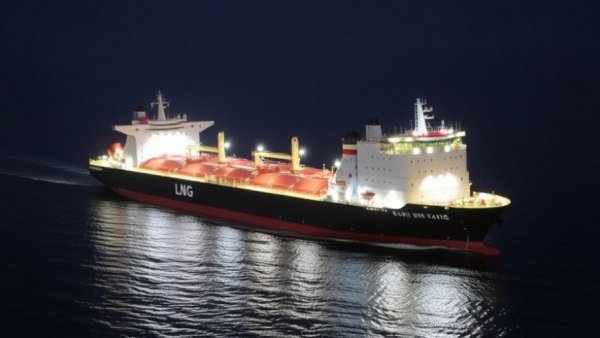
Wärtsilä's Innovations Reduce Methane Emissions
Wärtsilä has made a significant step forward in the maritime industry by completing the conversion of engines on three LNG carriers operated by Chevron from traditional dual-fuel (DF) systems to more advanced spark gas (SG) operation. Announced in September 2024, this collaborative effort is aimed at addressing the pressing issue of methane emissions in shipping.
The move to spark gas operation emphasizes the need for innovation in reducing the environmental impact of shipping activities. The conversion process involves modifying the Wärtsilä 50DF engines that serve as the foundation for many LNG carriers in operation today. This new method does not rely on diesel pilot fuel to ignite combustion; instead, it uses spark ignition, resulting in a cleaner and more efficient combustion process.
Why Spark Gas is a Game Changer for the Marine Industry
This conversion technology promises to lower methane emissions significantly. Estimates indicate that the implementation of spark gas operation can reduce methane emissions to as low as 1.1 percent of fuel use, significantly less than traditional dual-fuel systems. The key technological advancement is an electrically controlled pre-combustion chamber valve that optimizes combustion, marks a crucial step toward achieving environmental sustainability in maritime operations.
"Advancing lower-emission shipping will require both technology innovation and industry collaboration. Through projects like this, we can gain valuable operational insights, evaluate solutions and contribute to the collective experience needed to help move the industry forward while continuing to provide safe and reliable transport of energy," commented Barbara Pickering, president of Chevron Shipping.
Collaboration in the Marine Sector: A Path Forward
Roger Holm, president of Wärtsilä Marine, echoed the sentiment of collaboration, stating, "This achievement highlights the importance of technology development and cross-industry collaboration in advancing lower-emissions solutions for shipping. By working collaboratively across the marine sector, initiatives like this project contribute to broader efforts to reduce greenhouse gas emissions." The project serves as an exemplar for how technological advancements combined with strategic partnerships can reshape the shipping industry's approach to emissions and environmental responsibility.
Looking Ahead: Future Conversions on the Horizon
The success of this initial conversion sets a promising precedent, as Wärtsilä plans to convert three more vessels within the next year. This expansion indicates a strong commitment to refining and widely implementing spark gas technology across fleets traditionally reliant on dual-fuel configurations. With these advancements, the industry steps closer to realizing not just reduced emissions but also enhanced vessel performance and efficiency.
Implications for the Broader Shipping Industry
The implications of this conversion technology extend beyond just Chevron and Wärtsilä; they represent a significant stride for the entire shipping industry as it grapples with increasing regulations and public scrutiny regarding environmental impacts. As consumers and stakeholders become more environmentally conscious, the adoption of reduced-emission technologies will likely become a competitive advantage for companies willing to invest in these innovations.
Ultimately, Wärtsilä’s spark gas conversion project is a strong example of how traditional industries can embrace change and work collaboratively toward a more sustainable future. The maritime sector holds a crucial role in global trade and energy transport, making these advancements not just beneficial for the companies involved but for the planet as a whole.


Write A Comment