
Add Row
Add Element

Add Element
Moss Point Gulf Coast Tech
update

Gulf Coast Tech

update
Add Element
  • Home
  • About
  • Categories
    • Tech News
    • Trending News
    • Tomorrow Tech
    • Disruption
    • Case Study
    • Infographic
    • Insurance
    • Shipbuilding
    • Technology
    • Final Expense
    • Expert Interview
    • Expert Comment
    • Shipyard Employee
  • Mississippio
October 27.2025
3 Minutes Read

Unleashing Creativity: YouTube's Ask Studio AI Supports Content Creators

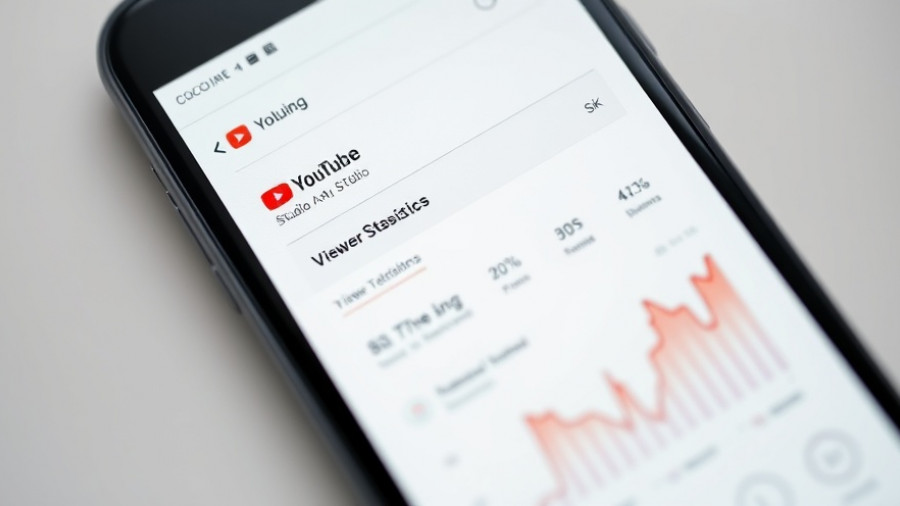
YouTube Studio analytics screen for content creators.

The Rise of AI in Content Creation

YouTube has made a significant stride in integrating artificial intelligence into its platform with the launch of Ask Studio, an AI assistant designed to elevate the content creation experience for YouTube creators. This innovative tool, nestled within YouTube Studio, aims to streamline analytics and provide actionable insights, helping channel owners enhance their content strategy with ease.

What is Ask Studio?

Ask Studio is a chat-based interface that allows creators to engage with their channel's data intuitively. Users can inquire about various aspects of their channel's performance, including comments, analytics, and previous content efficacy. This AI tool simplifies data access, enabling creators to swiftly summarize viewer comments, analyze video performance, and brainstorm new content ideas tailored to their audience's preferences.

How Ask Studio Works

The AI assistant accesses three primary types of channel data:

  • Comments: It can summarize key themes and sentiments in viewer remarks, either focusing on a specific video or providing a holistic view of audience engagement.
  • Analytics: Ask Studio utilizes existing performance metrics from YouTube Studio to identify trends and suggest areas for improvement, making analytics more accessible to all creators.
  • Content Planning: The AI can propose content ideas based on what has resonated with viewers in the past, allowing creators to find inspiration and devise new angles to explore.

Benefits of Ask Studio

The introduction of Ask Studio aligns with an increasing need for efficiency in the fast-paced environment of content creation. With real-time responses, creators can save valuable time, shifting their focus from manual data analysis to crafting compelling narratives and optimizing videos. By surfacing patterns within comments and analytics, Ask Studio empowers creators to engage more directly with their audience’s interests, fostering a closer connection to their community and ultimately leading to enhanced growth and viewership.

The Limitations and Future of Ask Studio

Currently, Ask Studio is in a testing phase, only available to a select group of English-speaking creators in the United States. YouTube is exploring the feasibility of expanding access to more users and potentially providing support for other languages in the future. This limited rollout means that many creators outside the U.S. or those who do not speak English are currently unable to utilize this innovative tool, highlighting a crucial barrier for the diverse, global community of YouTube creators.

Looking ahead, the implementation of Ask Studio is a testament to YouTube's commitment to integrating AI-powered tools in a way that enhances the creative process rather than complicates it. As user feedback leads to modifications and improvements, it could reshape how creators approach video production and audience engagement.

Conclusion

The introduction of Ask Studio represents a pivotal moment in the intersection of technology and content creation. As the demand for comprehensive, easy-to-use tools continues to grow, YouTube's AI assistant could become an invaluable resource for creators striving to optimize their content strategies and connect with their audiences. The future appears bright for Ask Studio as its development unfolds, offering a glimpse of how AI can reimagine the creative landscape on platforms like YouTube.

Disruption

0 Comments

Write A Comment

*
*
Related Posts All Posts
10.31.2025

Agentic Browsers Are Revolutionizing Digital Marketing: What You Need to Know

Update What Are Agentic Browsers and Why They Matter Agentic browsers represent a transformative shift in how users interact with the web. Unlike traditional browsers, which merely display pages and links, agentic browsers think and act on behalf of the user. They evaluate content, synthesize information, and execute tasks autonomously, streamlining the way people discover, decide, and act online. As the demand for personalized experiences increases, these innovative browsers enhance user interactions, narrowing the focus from myriad choices to select, high-value outcomes. Understanding this shift is crucial for marketers aiming to stay ahead in a competitive digital landscape. The Impact on Search and Discovery The very nature of search is evolving. With the rise of agentic browsing, users are likely to engage less with list-based searches. Instead, an agentic browser decides which sources to consult and the information to prioritize. This undermines traditional SEO strategies that focus on click-through rates and ranking. Instead, content must be geared toward being the chosen resource for agents—showing the importance of being clear, concise, and accurate in delivering valuable insights. Content That Speaks to Humans AND Agents As marketers, the dual audience for whom content is created is expanding. Not only must you engage human readers, but you must also ensure that your content is agent-friendly. This means structured data, clear headings, and straightforward commands that agents can easily interpret. The typical lengthy blog post may need a companion piece that provides quick facts, checklists, or summary snippets—allowing both users and agentic systems to extract what they need swiftly and efficiently. Challenges for Brands and Marketers The shift to agentic browsers could lead to a concerning reduction in visibility for brands. As these AI-driven platforms handle customer queries internally, traditional traffic to web pages may decline, resulting in fewer opportunities for audience engagement. Marketers must anticipate this change and adapt their strategies to safeguard their brand’s presence in search results, ensuring they are not left behind in the new agent-mediated journey. How to Prepare for the Agentic Browsing Era To stay competitive in this evolving landscape, brands should focus on optimizing their content to align with agentic capabilities. Begin by auditing your most critical assets for clarity and effectiveness. Integrate structured data and rich snippets into your content to facilitate easier interactions with both users and AI agents. Preparing for agent-mediated marketing involves rethinking how you measure success, understanding that classic metrics may no longer apply as consumer touchpoints evolve. Looking Forward: The Future of Digital Marketing As we look ahead, an estimated 10-15% adoption rate for agentic browsers within the next few years could prompt a significant shift similar to the rise of Google Chrome. For marketers, this signifies not just a new channel but a redefined landscape for digital engagement. Content that is easy to digest by both users and intelligent systems will determine the survivability and visibility of brands in this new era. The landscape is changing rapidly, so seize the moment to adapt. Start positioning your brand now to thrive in an environment where browsing becomes highly personalized, insightful, and efficient.

10.31.2025

How to Manage Stakeholders Through Google Algorithm Updates

Learn practical strategies for managing stakeholders during Google algorithm updates while ensuring long-term SEO success.

10.30.2025

Google Chrome Will Warn Users Of Insecure HTTP Sites: What to Expect

Update Chrome’s New Security Protocol: What You Need to Know In a significant step towards enhancing web security, Google has announced that Chrome will automatically enable the "Always Use Secure Connections" feature starting October 2026. This means that users will receive warnings before accessing any public website that does not use HTTPS encryption. The move comes as part of Google's ongoing initiatives to bolster online safety and protect users from potential threats associated with unencrypted HTTP connections. Why HTTPS Matters HTTPS, which stands for Hypertext Transfer Protocol Secure, ensures that communications between your web browser and the website are encrypted. This encryption is crucial for protecting sensitive data from potential hijackers and other malicious entities looking to exploit vulnerabilities in unsecured networks. Studies show that HTTPS adoption has increased markedly, with 95-99% of web sessions on Chrome using secure connections. However, the remaining fraction still represents millions of unsecured navigations that could lead to serious security risks. User Experience Under the New Protocol With the implementation of the new warning system, Chrome will not bombard users with repeated warnings for sites they frequently visit, instead limiting notifications to less frequently accessed pages. This approach reduces annoyance while still keeping users informed of potential security risks. Approximately, users will only see a couple of warnings per week, striking a balance between ensuring security and maintaining a smooth browsing experience. Future Implications for Website Owners For website owners operating HTTP-only sites, the clock is ticking. By October 2026, all website operators will need to assess their security protocols and migrate to HTTPS to prevent security warnings that could deter visitors. Google’s push for HTTPS adoption aims to close invisible security gaps, especially since many websites still use HTTP primarily for redirects. Testing the New Security Feature Website developers and IT professionals are encouraged to enable the “Always Use Secure Connections” feature in Chrome settings today to get familiar with potential impacts on site traffic. By doing this, users can identify sites that may need immediate attention before the official rollout in 2026. This proactive approach not only enhances user safety but also reflects well on reputations, as a secure site fosters trust among visitors. Looking Ahead: A Safer Browsing Environment As digital threats continue to evolve, Google’s decision to make secure connections the default setting signifies a broader trend towards prioritizing user safety in the online environment. While currently the move targets public websites, discussions are ongoing to improve HTTPS adoption even for private sites, making it critical for everyone involved in digital platforms to stay aware of these changes.

Terms of Service

Privacy Policy

Core Modal Title

Sorry, no results found

You Might Find These Articles Interesting

T
Please Check Your Email
We Will Be Following Up Shortly
*
*
*