

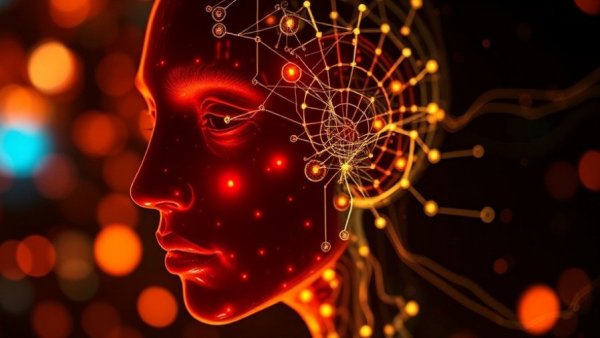
Understanding the Intersection of AI and Human Emotion
As researchers push the boundaries of artificial intelligence, a fundamental issue looms large: human emotions. By harnessing AI machine learning, researchers aim to decode the intricacies of human feelings. However, one of the largest barriers they face is the influence of human biases, which can skew interpretations and results in this rapidly evolving field.
Why Human Bias Matters in AI Research
Human emotion is inherently complex and influenced by a myriad of factors, including culture, personal experiences, and even societal trends. This means that when researchers pour their emotions into AI, they might unintentionally impart their biases into the algorithms. A recent analysis highlighted this concern, showing that bias in AI can lead to significant inaccuracies, which could have detrimental consequences in sectors like healthcare and finance where emotional intelligence plays a crucial role in decision-making. When developing technology aimed at understanding human conditions, ignoring these biases could lead to damaging outcomes.
Actionable Insights: How to Address Bias in AI
Professionals using AI in any industry must establish strategies to mitigate biases. This includes creating diverse teams that actively challenge the status quo, continuously collecting and analyzing data that reflects varied human experiences, and implementing bias detection protocols that ensure the integrity of AI outcomes. For instance, during the design phase of AI technologies, varying emotional responses must be considered, transforming data-driven approaches into comprehensive solutions that accommodate a broader range of human experience.
Future Trends: The Role of Emotional AI in Innovation
Looking ahead, the landscape of AI technologies, especially those focused on understanding human emotion, will continue to grow. Experts predict that as more stakeholders recognize the challenges of bias, the discourse will shift towards developing ethical frameworks that guide AI advancements. Industries such as healthcare and finance will particularly benefit from AI solutions that genuinely reflect human emotions, opening avenues for better patient care and customer satisfaction.
The Importance of Ongoing Research and Collaboration
The journey to decode emotions through AI isn't just about technology; it's about connecting with people. Researchers and professionals must engage with the communities they serve to gain richer insights into emotional experiences. Collaborating with social scientists and psychologists will enhance the emotional intelligence of AI systems, ensuring that they do not just reflect technology trends but also resonate with the humanity behind the data.
Conclusion: The Path Forward for Emotion-Driven AI
In a world increasingly shaped by technology, understanding human emotions through AI offers unprecedented opportunities. However, achieving this goal requires a concerted effort to recognize and address biases that can cloud research outcomes. As professionals in various sectors gear up for innovative initiatives, they must remain vigilant about the emotional nuances that accompany human interactions. This not only enhances technology but also strengthens community bonds, ensuring that technological transformations remain rooted in genuine human experiences.




Write A Comment