

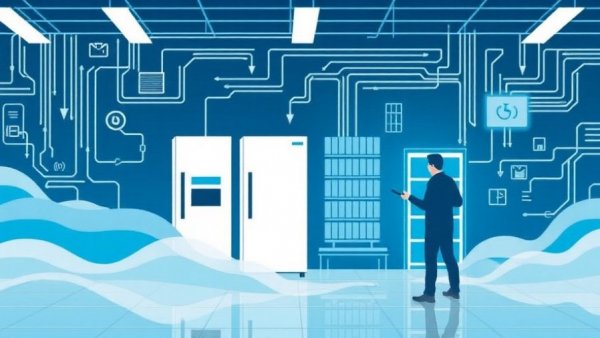
The Rising Threat of Cyberattacks on Refrigeration Systems
In a digital age where cybersecurity threats seem to multiply daily, a recently reported wave of cyberattacks specifically targeting refrigeration systems has raised alarm bells across multiple industries, including healthcare, finance, and supply chains. These attacks are not mere glitches in technology; they are significant threats that disrupt the delicate balance of our modern infrastructure. With food safety, pharmaceutical storage, and critical vaccine distribution at stake, the ramifications could be dire.
Why Refrigeration is a Prime Target
Refrigeration systems play a crucial role in preserving perishable products and sensitive pharmaceutical materials. Cybercriminals recognize that disrupting these systems can lead to massive financial losses and public health risks. This is especially relevant for industries heavily reliant on constant temperature control, such as healthcare and grocery supply chains.
Historical Context: Learning from Previous Attacks
Instances of cyberattacks are not new, but their evolving sophistication deserves attention. Historical data illustrates a pattern where cybercriminals increasingly target essential services. For instance, the infamous ransomware attack on the Colonial Pipeline in 2021 demonstrated how vulnerable critical infrastructures are to such threats. By drawing parallels, we can gauge the potential impacts on refrigeration systems and the implications for business leaders across sectors.
Potential Consequences of Refrigeration Cyberattacks
Should these attacks go unchecked, the consequences might include spoiled inventory, loss of revenue, and even threats to public health. Emerging reports have already pointed to cases where pharmaceutical companies experienced service disruptions, resulting in the wastage of valuable vaccines and medications. Industry professionals must act swiftly to bolster defenses before the situation escalates.
Taking Action: Safeguarding Our Future
To mitigate these risks, organizations must prioritize cybersecurity measures tailored to refrigeration technologies. Regular updates, employee training in identifying phishing attempts, and advanced monitoring systems are steps professionals should immediately consider implementing. Innovative tech companies are already developing solutions aimed at securing refrigeration systems against attack, showcasing a proactive approach to modern challenges.
A Call for Collective Responsibility
As professionals in various sectors, we have a shared responsibility to advocate for improved cybersecurity standards. The technology landscape is continually evolving, presenting opportunities for collaboration and innovation. By engaging with experts, participating in industry forums, and investing in IT resources, businesses can contribute to a safer operational environment.
In conclusion, the wave of refrigeration cyberattacks calls for urgent action. It’s a crucial moment for companies within affected industries to adopt technologies that ensure security and protect the ongoing delivery of vital services.




Write A Comment