

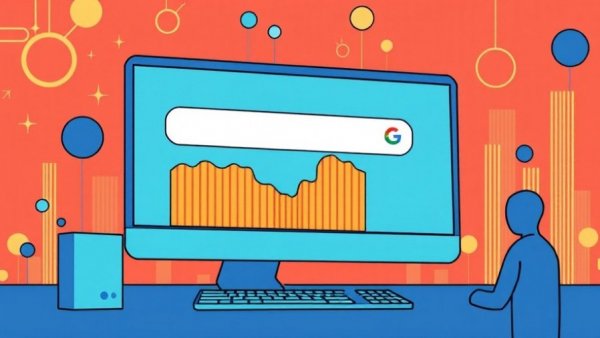
Understanding the Digital Landscape: Why Is ChatGPT So Behind Google?
In a striking revelation during a recent dinner discussion in New York, OpenAI's consumer product lead Adam Fry disclosed that ChatGPT receives just one-fifth of the search-like queries that Google garners. This statistic, which places ChatGPT at about 12% of Google's search volume, sheds light on the vast disparity in user engagement between these two technological giants. While ChatGPT has indeed seen a surge in active users—growing from 1 billion to 1.2 billion in just two months—its search capabilities still lag far behind its more established counterpart.
Exploring the Reasons Behind This Gap
Fry explained that the primary purpose of ChatGPT's users initially revolved around creative writing and coding support, areas typically outside the domain of traditional search queries. As user behavior evolved, more questions shifted toward information gathering—characteristics generally associated with search engine usage. This transition from creative help to information retrieval suggests a potential for growth, yet it highlights a fundamental challenge for AI in matching the established efficiency of search engines like Google.
The Impact of User Behavior
Over time, as AI implementations have become more sophisticated, user expectations have also shifted. With the rise of personalized AI interactions, users expect fast and reliable answers just like they do from traditional search engines. In contrast to Google's staggering yearly search volume exceeding 5 trillion queries, ChatGPT’s ability to compete hinges on refining its search functions to deliver quicker, more accurate information in response to user inquiries.
Data-Driven Insights: Tracking the Numbers
Ahrefs, a notable digital analytics company, reported that, while ChatGPT accounted for about 0.36% of referral traffic observed across tracked websites in October, Google dominated with a considerable 24.74%. Such statistics underscore the challenges ChatGPT faces in carving out its niche within the online ecosystem. This data also conveys that while AI tools can provide contemporary responses, the sheer volume of established sources like Google remains unparalleled.
Future of Search and AI: Trends to Watch
Looking ahead, the interplay between traditional search engines and AI tools like ChatGPT will continue evolving. As both technologies advance, understanding user preferences and behaviors will be essential for development. Organizations utilizing ChatGPT must enhance its capabilities not only to aid with basic inquiries but also to compete effectively with Google’s exceptional data retrieval systems. Accurate performance metrics and clear definitions of what constitutes a search will also be crucial for clearer comparisons in the future.
Moreover, as the tech industry continues to innovate, emerging technologies are set to shake up the digital landscape. This includes assessing the role of AI in insurance technology or exploring how these tools could impact other sectors such as shipbuilding innovations or maritime technology.
The ongoing improvements in AI could very well set the stage for a more competitive future where ChatGPT and similar technologies become staples in digital inquiries, driving significant shifts in how we consume information and interact online.



Write A Comment