
Understanding the Safety Risks of WordPress Plugin Updates
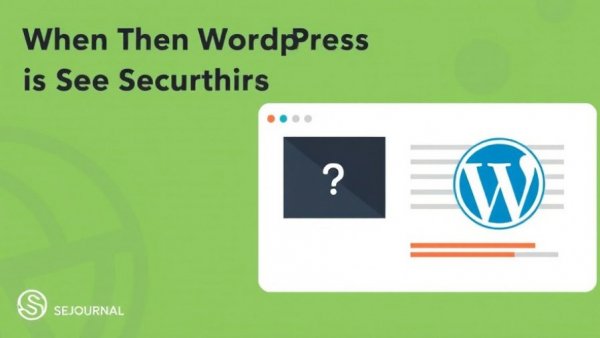
Keeping plugins updated has long been a cornerstone of maintaining WordPress security. However, a critical shift is happening as recent events reveal that plugin updates are not always as safe as they seem. Instead of merely being a routine maintenance task, these updates can introduce significant security risks, challenging the very assumption that they contain the intended code from developers.
The Threat Landscape: Real Incidents to Learn From
As highlighted in recent WordPress incidents, the dangers extend beyond malicious actors targeting individual sites. For instance, in June 2024, compromised updates in widely used plugins such as Social Warfare, exploited vulnerabilities due to previously exposed developer credentials, endangering about 35,000 installations. The aftermath? SEO spam and unauthorized administrative account creation. Such incidents underscore a new reality—one where entrusted plugin sources can become vectors for attacks.
Learning from Gravity Forms and Rank Math's Incidents
Following suit, Gravity Forms reported in July 2025 modifications to their plugins’ manual downloads, with potentially different risks based on how users installed the updates. A notable takeaway from this is the importance of how software is sourced; automatic updates had remained secure while manual installations faced threats. With Rank Math SEO PRO, a critical vulnerability emerged when a specific version was exposed, illustrating again how recent updates don't guarantee safety.
Control Your Update Practices: Protecting Your Digital Assets
Given the complexities of managing multiple WordPress sites, especially for agencies or larger businesses, a heightened awareness of update channels is vital. Merely checking version numbers offers no certainty about the integrity of the software. The case of Rank Math cleverly illustrates this: a site owner may think they're secure because they’re on the latest version, yet the actual files could have malicious code. This careful navigation of where updates originate must become standard practice among SEOs.
Create a Culture of Security Awareness Among Team Members
Investing in training and awareness for team members can ensure that everyone understands the importance of software security. This could significantly reduce risks arising from outdated assumptions about plugin safety. Creating clear communication around handling updates can empower teams to respond more adeptly when vulnerabilities are discovered, ensuring better protection of websites and their valuable data.
Future Considerations: Navigating WordPress Security in 2025 and Beyond
As we look forward to 2025, it becomes increasingly important to further examine how emerging technologies and evolving cyber threats can influence WordPress security. Keeping abreast of not just updates, but potential vulnerabilities inherent in those updates, will become crucial. Keeping a proactive stance will aid in predicting risks before they manifest.
In navigating these technologies, businesses must reassess their risk management strategies and incorporate a careful examination of plugin sources, update practices, and a culture that emphasizes cybersecurity as a multi-dimensional focus.


Write A Comment