

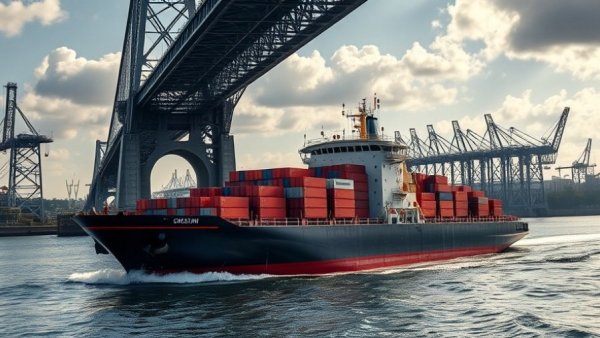
Understanding Air Draft: A Crucial Element for Safe Navigation
The term air draft refers to the maximum height of a vessel above the waterline, which is critical when navigating beneath bridges or other overhead structures. Shipowners and operators must recognize that even minor modifications to a vessel can significantly impact its air draft. This recent alert from the U.S. Coast Guard (USCG) underlines the importance of verifying air draft measurements and maintaining updated technical documentation. Beyond the immediate danger of colliding with structures, accurate air draft verification is essential for maintaining the integrity and safety of the waterway environment.
Historical Context: The Shift in Vessel Operations
The maritime industry has seen a considerable evolution in vessel design due to advances in technology. While these innovations have improved efficiency and capabilities, they also introduce complexities in vessel profiles. Incidents like the one investigated by the USCG serve as reminders that adapting to these changes requires meticulous updates to operational protocols and safety measures. Properly managing air draft calculations is an integral part of voyage planning that cannot be neglected. Keeping abreast of technological updates ensures that ship operators can maintain safe passage and prevent accidents that could arise from outdated information.
Real-World Implications: Exploring Air Draft Incidents
The Coast Guard's recent case highlights a significant oversight: the failure of a vessel's crew to account for an installed MF/HF tiltable antenna. This antenna, protruding above the originally reported highest point, transformed a supposed safe passage into a perilous situation. Captains and crew must grasp how the nuances of a ship's specifications can affect overall safety. The stakes? Damage to infrastructure, costly repairs, and potential environmental consequences. In addition to physical damage to bridges or other structures, such incidents can lead to costly downtime for the vessel, affecting schedules and operational efficiency.
Emphasizing Safety Management: Key Recommendations
In light of these risks, the USCG has made several actionable recommendations. Vessel operators should implement comprehensive safety management systems that prioritize air-draft verification. This includes:
- Maintaining up-to-date vessel-specific drawings to reflect current configurations.
- Clearly identifying outdated documentation to avoid confusion.
- Establishing firm procedures for preparing movable equipment before transit.
- Requiring positive confirmation that all antennas and adjustable structures are lowered or secured before passage.
The effective incorporation of these measures into daily operations can drastically mitigate the risks of bridge strikes and other incidents. By fostering a culture of safety and transparency, vessel operators can create an environment where crew members feel empowered to speak up about concerns regarding air draft and other safety issues.
Looking Ahead: Future Trends in Vessel Navigation Safety
With an ever-evolving maritime environment, the need for robust safety practices will only grow stronger. As regulations around navigation safety continue to tighten, vessel operators must stay ahead by adopting innovative technologies for monitoring air drafts and obstacle clearance. Adoption of automated systems could facilitate real-time adjustments to air draft calculations, enhancing safety and efficiency. Furthermore, mobile applications and cloud-based platforms can aid crews in having immediate access to the latest information, improving situational awareness before critical transit decisions are made.
Community Response: The Maritime Industry's Call to Action
The maritime community plays a crucial role in enhancing navigational safety. As incidents continue to shed light on air draft issues, it is imperative for shipowners, operators, and crews to unite under shared safety objectives. Engaging in discussions about safety practices, sharing experiences, and developing a cooperative marine safety culture can lead to collective improvements across the industry. For your own safety and the integrity of our waterways, ensure you're equipped with up-to-date knowledge and practices. Involvement in workshops and safety seminars can also provide valuable awareness and skills needed to tackle potential air draft challenges.
As the Coast Guard encourages these proactive measures, stakeholders should take the message to heart: verifying air draft isn't just a good practice—it's essential for safe navigation and operational success. Embracing air draft verification as a routine part of vessel operations will help pave the way for safer seas and more reliable maritime journeys for everyone involved.



Write A Comment