

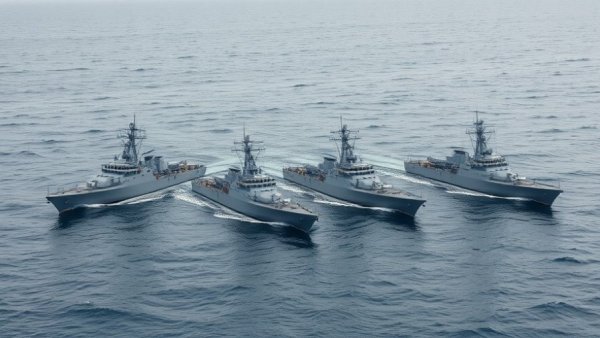
What Are Mine-Hunting Motherships?
Mine-hunting motherships are vital assets in modern naval strategy. They serve as operational centers for conducting mine countermeasures and utilizing autonomous systems for enhanced efficacy. These vessels enable the Royal Navy to maintain a state-of-the-art approach to maritime security, especially against threats like submarines in contested waters.
The UK’s Need for Maritime Capability
As tensions escalate in Europe, particularly with a significant naval presence from Russia, the UK Government has prioritized expanding its naval capabilities. The mine-hunting motherships will play a crucial role by enhancing the Royal Navy's ability to monitor and secure critical waterways. This strategic enhancement is essential, especially considering the recent criticisms regarding the UK’s readiness to respond to emerging threats.
Delayed Possibilities: The 2031 Timeline
Despite the enthusiastic announcement regarding the acquisition of three to six OSVs, the first vessel is not slated for delivery until 2031. This long timeline raises concerns among defense analysts about the UK's immediate readiness. Critics argue that this timeline presents a significant gap during which the UK must remain vigilant and prepared for maritime challenges.
Understanding the Offset Policy
The recent introduction of the UK Offset Policy aims to ensure that overseas suppliers provide significant economic returns to the UK when they secure major contracts. However, the application of this policy in the case of a government-to-government agreement with Norway raises questions. Experts are concerned that the planned acquisition of vessels might not yield substantial industrial benefits for UK companies due to exemptions within the policy.
Potential Impact on UK Industry
Defense contractors and manufacturing firms could be sidelined as contracts with Norway flow directly from government-level negotiations. Critics emphasize that while Norway commits to acquiring UK-designed frigates, UK-based industries should also derive benefits from new contracts. This counterbalance is vital for sustaining a robust defense sector domestically.
Future Trends and Considerations
The transition towards uncrewed systems and the concept of a Hybrid Navy reflects a broader trend in the defense sector. As technology advances, the focus on autonomous platforms will increasingly shape procurement strategies. The OSVs are not just about enhancing capabilities; they signal a shift in how maritime operations will be conducted. With significant investments in uncrewed systems, the UK is positioning itself for a future where traditional methods of warfare evolve.
What This Means for Mississippi
For those in Mississippi's shipbuilding industry, the developments in the UK’s naval investments represent both an opportunity and a challenge. As the dynamics of naval procurement change, local manufacturers must adapt to remain competitive. Understanding shifts in international contracts and the necessity for local offsets can influence strategies for growth.
In conclusion, the move to acquire new mine-hunting motherships signifies a crucial step for the UK's maritime strategy. However, challenges remain regarding readiness timelines and potential impacts on local industry. It's essential for stakeholders in Mississippi to stay informed about these developments to leverage opportunities fostered by evolving international naval dynamics. As always, discussions around defense and procurement will continue to be key narratives in ensuring national security while supporting local economic growth.




Write A Comment