Moss Point Gulf Coast Tech

Gulf Coast Tech

  • Home
  • About
  • Categories
    • Tech News
    • Trending News
    • Tomorrow Tech
    • Disruption
    • Case Study
    • Infographic
    • Insurance
    • Shipbuilding
    • Technology
    • Final Expense
    • Expert Interview
    • Expert Comment
    • Shipyard Employee
  • Mississippio
November 06.2026
3 Minutes Read

Ferry Electrification: Building an Integrated Ecosystem for Future Success

Q&A: Beyond the battery—building the complete ferry ecosystem

The Importance of a Holistic Approach to Ferry Electrification

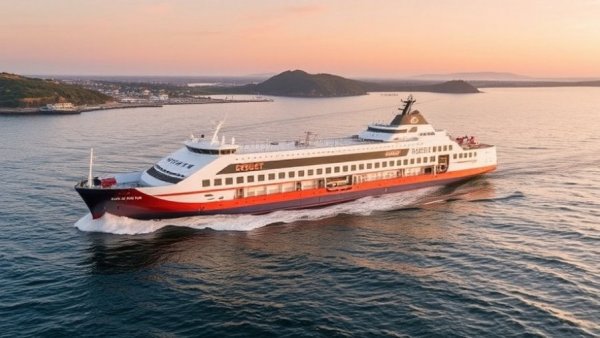
As ferry operators pursue electric and hybrid-electric propulsion technologies, they face a myriad of challenges that stretch far beyond the vessels themselves. Ryan Bishop, Director of Ferry Solutions at Siemens Energy, emphasizes that the true success of electrification lies within the entire energy ecosystem surrounding the ferries. This encompasses everything from shoreside charging infrastructure to utility coordination and energy management systems.

Many people mistakenly assume that the vessel is the sole focus of electrification efforts. However, Bishop points out that it is merely one component of a broader system. A ferry can boast the most cutting-edge battery technology, but without a synchronized approach that integrates terminal infrastructure, electrical grid support, and operator coordination, the project will likely fall short of its potential. The need to align all aspects from the onset is crucial, as it minimizes risks, avoids unforeseen challenges, and sets the stage for future expansions.

Challenges at Ferry Terminals: Securing Power and Space

With Washington State Ferries leading one of the largest electrification programs in the U.S., operators looking to embark on similar paths must first consider significant infrastructure hurdles. One major challenge is ensuring that enough power is available at the terminals. The reality is that many existing ferry terminals were not designed to accommodate multi-megawatt charging systems. Consequently, ferry operators often find they need extensive utility upgrades well before any construction projects can even commence.

Physical integration of charging equipment is another significant hurdle. Ferry terminals are typically bustling, space-constrained locations, which means operators must carefully plan how to include transformers, switchgear, utility interconnections, and cable management without causing disruptions to regular operations or inconveniencing passengers. Reliability, too, cannot be overlooked. For ferry services—critical components of many transportation networks—charging infrastructures must be built to withstand harsh marine environments and designed for redundancy and maintainability.

Lessons from Washington State Ferries: Adopting a Systems-Level Mindset

As operators within the ferry industry explore electrification options, the multifaceted approach taken by Washington State Ferries offers insightful lessons. Bishop stresses that ferry electrification should not merely be viewed as replacing vessels; rather, it represents a fundamental transformation of the entire transportation system. By adopting a holistic approach—from vessels and terminal infrastructure to workforce development and fleet planning—Washington State Ferries showcases how interconnected decisions can greatly influence multiple stakeholders involved.

Infrastructure timelines prove to be equally critical. Utility upgrades, for instance, can take as long, if not longer, than the construction of new vessels. This is why successful operators must begin planning crucial infrastructure elements—such as interconnection studies and charging installations—simultaneously as they plan for their new ferries. Without this foresight, they risk becoming bogged down and missing vital deadlines.

Creating a Future-Ready Ferry Fleet

For ferry operators eyeing electrification, it is essential to recognize that the journey toward sustainability is not solely technological. The solutions lie within collaboration and coordination, where stakeholders from utilities to vessel designers work in unity. With the commitment to developing a fully integrated ferry ecosystem that combines advanced technology with robust infrastructure, operators will pave the way for future-ready fleets capable of meeting the demands of an evolving transport landscape.

The shift to electric and hybrid ferry systems presents an exciting yet complex opportunity, and it is clear that the future of this industry relies on a unified approach that embraces every component in the electrification puzzle. As ferry operations evolve, a concerted effort will empower fleets to rise to the challenges of tomorrow and harness the full potential of electrification.
Tomorrow Tech

0 Comments

Write A Comment

*
*
Please complete the captcha to submit your comment.
Related Posts All Posts
11.05.2026

LDA's Strategic Expansion: Acquiring PSVs to Transform into Cable Layers

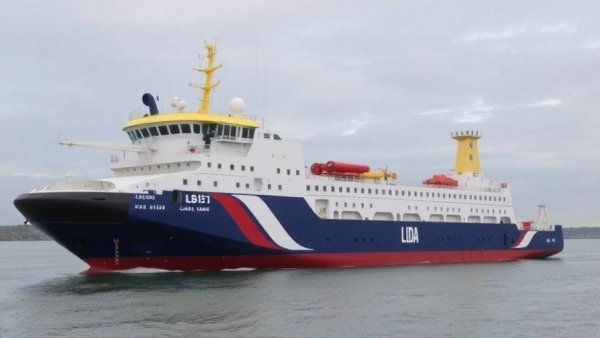
Update Introduction: A Strategic Move for LDA in Subsea Cables In a significant step towards enhancing its capabilities in subsea cable installation, LDA France's LD Armateurs (LDA) has announced the acquisition of three platform supply vessels (PSVs) to be converted into advanced cable-laying vessels. This strategic investment reflects LDA's commitment to supporting the growing needs of the telecommunications sector and addressing challenges related to aging infrastructure. With an increasing global focus on digital transformation, LDA's decision marks a crucial entry into a market that demands innovative solutions. The Details of the Acquisition According to CEO Samira Draoua, LDA has a long-standing history of 25 years in the installation and repair of subsea telecommunications cables and has now decided to expand its fleet. These PSVs, expected to be delivered in the second quarter of 2027, will undergo significant conversions to adapt them for specialized cable operations. Each vessel will boast a remarkable carrying capacity of 2,800 tonnes and is set to include advanced hybrid-electric propulsion systems, enhancing energy efficiency while significantly lowering CO₂ emissions compared to traditional vessels. Meeting the Rising Demand for Telecommunication Infrastructure The need for robust telecommunications infrastructure is escalating rapidly, driven by the increasing global reliance on digital connectivity. With the rise of remote work and the growing importance of online education and telehealth services, the pressure on existing infrastructures has intensified. LDA's investment in its own fleet not only provides the company with greater autonomy in operations but also positions it to respond swiftly to the evolving landscape of subsea cable technology and infrastructure demands. This investment addresses existing capacity constraints while ensuring LDA remains a key player in a rapidly modernizing sector, capable of handling large-scale cable laying and repair operations. Introducing the LDA Academy: Building Future Talent To complement its fleet expansion and ensure future operational success, LDA is launching the LDA Academy. This initiative aims at fostering the recruitment and professional development of its future crews, offering comprehensive training tailored to modern vessel operations and subsea cable technologies. Recognized as an industry leader, LDA's focus on education not only reflects its dedication to building a skilled workforce capable of maintaining and operating these sophisticated cable-layering vessels but also aligns with broader industry trends that prioritize upskilling and continuous learning in the face of advancing technology. The Technology Behind the Vessels: Innovations for Sustainability In today’s environmentally conscious climate, the integration of hybrid-electric propulsion systems is a game-changer for the maritime industry. LDA’s investments in cutting-edge technology are poised to set industry standards for operational efficiency while mitigating environmental impacts through reduced carbon emissions. These innovations demonstrate a forward-thinking approach that prioritizes sustainable practices, ensuring that maritime operations not only meet the demands of the telecommunications sector but also contribute positively to global environmental goals. Implications for the Telecommunications Sector The rollout of these vessels signifies a pivotal enhancement in LDA's service capabilities, particularly in the installation and repair of critical subsea cables that underpin global telecommunications systems. Such upgrades are crucial for meeting future data demand, which is expected to surge in light of initiatives like 5G rollout and increased internet of things (IoT) connectivity. By investing in next-generation vessels and training resources, LDA is well-positioned to ensure that it maintains seamless connectivity across continents and supports the infrastructure necessary for our increasingly digital world. Conclusion: A Forward-Thinking Approach As LDA embarks on this ambitious journey, its investment in both technology and human capital underscores a commitment to future-proofing its operations within the subsea telecommunications arena. This proactive strategy not only enhances LDA's position in the market, ensuring its leadership in cable installation and maintenance, but also represents an essential step toward sustained growth and innovation in the telecommunications infrastructure landscape. By embracing modern technologies and investing in its workforce, LDA is forging a path that aligns with the needs of the future while solidifying its role within the global telecommunications industry.

11.04.2026

Understanding Wärtsilä’s Spark Gas Conversion and Its Impact on LNG Shipping

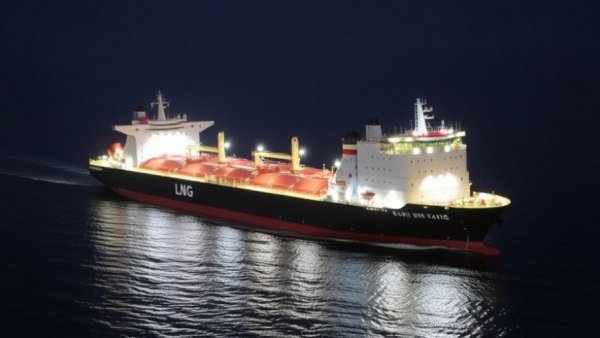
Update Wärtsilä's Innovations Reduce Methane EmissionsWärtsilä has made a significant step forward in the maritime industry by completing the conversion of engines on three LNG carriers operated by Chevron from traditional dual-fuel (DF) systems to more advanced spark gas (SG) operation. Announced in September 2024, this collaborative effort is aimed at addressing the pressing issue of methane emissions in shipping.The move to spark gas operation emphasizes the need for innovation in reducing the environmental impact of shipping activities. The conversion process involves modifying the Wärtsilä 50DF engines that serve as the foundation for many LNG carriers in operation today. This new method does not rely on diesel pilot fuel to ignite combustion; instead, it uses spark ignition, resulting in a cleaner and more efficient combustion process.Why Spark Gas is a Game Changer for the Marine IndustryThis conversion technology promises to lower methane emissions significantly. Estimates indicate that the implementation of spark gas operation can reduce methane emissions to as low as 1.1 percent of fuel use, significantly less than traditional dual-fuel systems. The key technological advancement is an electrically controlled pre-combustion chamber valve that optimizes combustion, marks a crucial step toward achieving environmental sustainability in maritime operations."Advancing lower-emission shipping will require both technology innovation and industry collaboration. Through projects like this, we can gain valuable operational insights, evaluate solutions and contribute to the collective experience needed to help move the industry forward while continuing to provide safe and reliable transport of energy," commented Barbara Pickering, president of Chevron Shipping.Collaboration in the Marine Sector: A Path ForwardRoger Holm, president of Wärtsilä Marine, echoed the sentiment of collaboration, stating, "This achievement highlights the importance of technology development and cross-industry collaboration in advancing lower-emissions solutions for shipping. By working collaboratively across the marine sector, initiatives like this project contribute to broader efforts to reduce greenhouse gas emissions." The project serves as an exemplar for how technological advancements combined with strategic partnerships can reshape the shipping industry's approach to emissions and environmental responsibility.Looking Ahead: Future Conversions on the HorizonThe success of this initial conversion sets a promising precedent, as Wärtsilä plans to convert three more vessels within the next year. This expansion indicates a strong commitment to refining and widely implementing spark gas technology across fleets traditionally reliant on dual-fuel configurations. With these advancements, the industry steps closer to realizing not just reduced emissions but also enhanced vessel performance and efficiency.Implications for the Broader Shipping IndustryThe implications of this conversion technology extend beyond just Chevron and Wärtsilä; they represent a significant stride for the entire shipping industry as it grapples with increasing regulations and public scrutiny regarding environmental impacts. As consumers and stakeholders become more environmentally conscious, the adoption of reduced-emission technologies will likely become a competitive advantage for companies willing to invest in these innovations.Ultimately, Wärtsilä’s spark gas conversion project is a strong example of how traditional industries can embrace change and work collaboratively toward a more sustainable future. The maritime sector holds a crucial role in global trade and energy transport, making these advancements not just beneficial for the companies involved but for the planet as a whole.

11.03.2026

Discover the SP J-S Auxiliary Thruster: Future of Underwater Vehicles

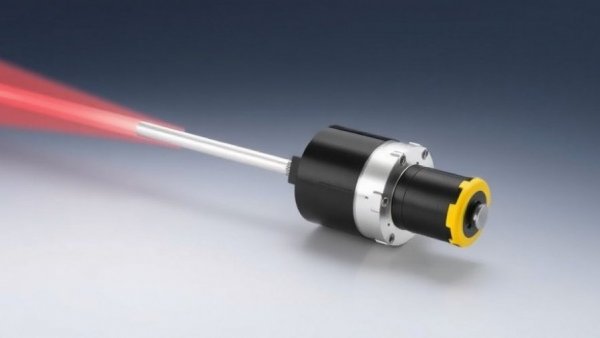
Update Revolutionizing Underwater Navigation: The SP J-S Auxiliary ThrusterThis week at Euronaval 26 in Paris, Schottel made waves by introducing its latest innovation, the SP J-S Auxiliary Thruster, designed to enhance the maneuverability and operational efficiency of underwater vehicles. This compact thruster is not just an addition to Schottel’s portfolio; it represents a leap forward in underwater propulsion technology that meets the rigorous demands of both civil and military applications.The SP J-S is engineered for precision in movement, offering a system where thrust can be adjusted smoothly across 360 degrees, making it expertly suitable for navigating confined waters. The most notable feature is its pressure compensation system, which keeps hydrostatic pressure consistent at all depths, ensuring reliability even in the most challenging underwater conditions.Versatile Design for Enhanced FunctionalityOne of the standout advantages of the SP J-S is its streamlined installation. The thruster mounts flush with the hull, reducing hydrodynamic resistance and minimizing the risk of damage if the vessel makes contact with the seabed. This is particularly crucial for operations in shallow or unpredictable waters. Additionally, its robust construction allows the device to control the bottoming of the vessel, expanding operational possibilities.Moreover, the SP J-S is built with compatibility in mind, enabling it to fit into various underwater platforms—from Extra Large Unmanned Underwater Vehicles (XLUUVs) to submarines. This versatility is critical for operators looking to enhance the functionality of existing vehicles without extensive modifications.Immediate Availability: A Game Changer for Underwater MissionsThe SP J-S is designed for immediate availability, allowing operators to engage the propulsion system without time-consuming deployment procedures—a significant advantage over traditional retractable auxiliary propulsion systems. Given the high-stakes environment of underwater operations, this feature greatly enhances the readiness of underwater vehicles, which can be critical in emergency situations or changing mission parameters.A Thruster for Every Need: Options and PowerSchottel offers the SP J-S in three sizes, with power outputs ranging from 50 to 990 kW. This variety allows users to select the thruster best suited for their specific needs, whether they are conducting research, surveillance, or search and rescue missions.Future Implications of the SP J-SThe introduction of the SP J-S auxiliary thruster is set to impact how underwater missions are conducted worldwide. As more organizations rely on unmanned systems for various tasks, the need for reliable, high-performance thrusters will only grow. Schottel’s latest innovation aligns well with the shift toward advanced underwater systems, indicating a future where technology plays an increasingly critical role in maritime safety and efficiency.As we look forward to the continued evolution of underwater technology, Schottel’s commitment to enhancing maneuverability is both timely and essential in a world where precise control can make a difference.Final ThoughtsWith the SP J-S Auxiliary Thruster, Schottel is setting a new standard for underwater propulsion, promoting safety, efficiency, and versatility. Operators interested in elevating their underwater capabilities should take note of this revolutionary technology. As underwater missions become increasingly complex, having the right tools will be indispensable in navigating the depths.

Gulf Coast Tech

Moss Point Gulf Coast Tech, your premier destination for the latest tech news and innovations shaping the Gulf Coast and beyond.

228 355 0244

AVAILABLE FROM 10AM - 9PM

Pascagoula, Mississippi

3414 Shortcut Rd.
Pascagoula, MS 39581 USA

ABOUT US

Gulf Coast Tech delivers the latest tech news and innovations to the Gulf Coast audience every day.

© 2026 JimBroad Media All Rights Reserved. 3414 Shortcut Rd, Pascagoula, MS 39581 . Contact Us . Terms of Service . Privacy Policy

eyJjb21wYW55IjoiSmltQnJvYWQgTWVkaWEiLCJhZGRyZXNzIjoiMzQxNCBTaG9ydGN1dCBSZCwgUGFzY2Fnb3VsYSwgTVMgMzk1ODEiLCJjaXR5IjoiUGFzY2Fnb3VsYSIsInN0YXRlIjoiTVMiLCJ6aXAiOiIzOTU4MSIsImVtYWlsIjoiamltQHJicHRlYW0uY29tIiwidG9zIjoiUEhBK1BITjBjbTl1Wno0OFpXMCtWMmhsYmlCNWIzVWdjMmxuYmkxcGJpQjNhWFJvSUhWekxDQjViM1VnWVhKbElHZHBkbWx1WnladVluTndPeUI1YjNWeUlIQmxjbTFwYzNOcGIyNGdZVzVrSUdOdmJuTmxiblFnZEc4Z2MyVnVaQ0I1YjNVZ1pXMWhhV3dnWVc1a0wyOXlJRk5OVXlCMFpYaDBJRzFsYzNOaFoyVnpMaUJDZVNCamFHVmphMmx1WnlCMGFHVWdWR1Z5YlhNZ1lXNWtJRU52Ym1ScGRHbHZibk1nWW05NElHRnVaQ0JpZVNCemFXZHVhVzVuSUdsdUlIbHZkU0JoZFhSdmJXRjBhV05oYkd4NUlHTnZibVpwY20wZ2RHaGhkQ0I1YjNVZ1lXTmpaWEIwSUdGc2JDQjBaWEp0Y3lCcGJpQjBhR2x6SUdGbmNtVmxiV1Z1ZEM0OEwyVnRQand2YzNSeWIyNW5Qand2Y0Q0S0NqeHdQanhoSUdoeVpXWTlJbWgwZEhBNkx5OTNkM2N1WjI5dloyeGxMbU52YlNJK2FIUjBjRG92TDNkM2R5NW5iMjluYkdVdVkyOXRQQzloUGp3dmNENEtDanh3UGladVluTndPend2Y0Q0S0NqeHdQanh6ZEhKdmJtYytVMFZTVmtsRFJUd3ZjM1J5YjI1blBqd3ZjRDRLQ2p4d1BsZGxJSEJ5YjNacFpHVWdZU0J6WlhKMmFXTmxJSFJvWVhRZ1kzVnljbVZ1ZEd4NUlHRnNiRzkzY3lCNWIzVWdkRzhnY21WalpXbDJaU0J5WlhGMVpYTjBjeUJtYjNJZ1ptVmxaR0poWTJzc0lHTnZiWEJoYm5rZ2FXNW1iM0p0WVhScGIyNHNJSEJ5YjIxdmRHbHZibUZzSUdsdVptOXliV0YwYVc5dUxDQmpiMjF3WVc1NUlHRnNaWEowY3l3Z1kyOTFjRzl1Y3l3Z1pHbHpZMjkxYm5SeklHRnVaQ0J2ZEdobGNpQnViM1JwWm1sallYUnBiMjV6SUhSdklIbHZkWElnWlcxaGFXd2dZV1JrY21WemN5QmhibVF2YjNJZ1kyVnNiSFZzWVhJZ2NHaHZibVVnYjNJZ1pHVjJhV05sTGlCWmIzVWdkVzVrWlhKemRHRnVaQ0JoYm1RZ1lXZHlaV1VnZEdoaGRDQjBhR1VnVTJWeWRtbGpaU0JwY3lCd2NtOTJhV1JsWkNBbWNYVnZkRHRCVXkxSlV5WnhkVzkwT3lCaGJtUWdkR2hoZENCM1pTQmhjM04xYldVZ2JtOGdjbVZ6Y0c5dWMybGlhV3hwZEhrZ1ptOXlJSFJvWlNCMGFXMWxiR2x1WlhOekxDQmtaV3hsZEdsdmJpd2diV2x6TFdSbGJHbDJaWEo1SUc5eUlHWmhhV3gxY21VZ2RHOGdjM1J2Y21VZ1lXNTVJSFZ6WlhJZ1kyOXRiWFZ1YVdOaGRHbHZibk1nYjNJZ2NHVnljMjl1WVd4cGVtRjBhVzl1SUhObGRIUnBibWR6TGp3dmNENEtDanh3UGxsdmRTQmhjbVVnY21WemNHOXVjMmxpYkdVZ1ptOXlJRzlpZEdGcGJtbHVaeUJoWTJObGMzTWdkRzhnZEdobElGTmxjblpwWTJVZ1lXNWtJSFJvWVhRZ1lXTmpaWE56SUcxaGVTQnBiblp2YkhabElIUm9hWEprSUhCaGNuUjVJR1psWlhNZ0tITjFZMmdnWVhNZ1UwMVRJSFJsZUhRZ2JXVnpjMkZuWlhNc0lFbHVkR1Z5Ym1WMElITmxjblpwWTJVZ2NISnZkbWxrWlhJZ2IzSWdZMlZzYkhWc1lYSWdZV2x5ZEdsdFpTQmphR0Z5WjJWektTNGdXVzkxSUdGeVpTQnlaWE53YjI1emFXSnNaU0JtYjNJZ2RHaHZjMlVnWm1WbGN5d2dhVzVqYkhWa2FXNW5JSFJvYjNObElHWmxaWE1nWVhOemIyTnBZWFJsWkNCM2FYUm9JSFJvWlNCa2FYTndiR0Y1SUc5eUlHUmxiR2wyWlhKNUlHOW1JR1ZoWTJnZ1UwMVRJSFJsZUhRZ2JXVnpjMkZuWlNCelpXNTBJSFJ2SUhsdmRTQmllU0IxY3k0Z1NXNGdZV1JrYVhScGIyNHNJSGx2ZFNCdGRYTjBJSEJ5YjNacFpHVWdZVzVrSUdGeVpTQnlaWE53YjI1emFXSnNaU0JtYjNJZ1lXeHNJR1Z4ZFdsd2JXVnVkQ0J1WldObGMzTmhjbmtnZEc4Z1lXTmpaWE56SUhSb1pTQlRaWEoyYVdObElHRnVaQ0J5WldObGFYWmxJSFJvWlNCVFRWTWdkR1Y0ZENCdFpYTnpZV2RsY3k0Z1YyVWdaRzhnYm05MElHTm9ZWEpuWlNCaGJua2dabVZsY3lCbWIzSWdaR1ZzYVhabGNua2diMllnWlcxaGFXd2diM0lnVTAxVExpQlVhR2x6SUdseklHRWdabkpsWlNCelpYSjJhV05sSUhCeWIzWnBaR1ZrSUdKNUlIVnpMaUJJYjNkbGRtVnlMQ0J3YkdWaGMyVWdZMmhsWTJzZ2QybDBhQ0I1YjNWeUlHbHVkR1Z5Ym1WMElITmxjblpwWTJVZ2NISnZkbWxrWlhJZ1lXNWtJR05sYkd4MWJHRnlJR05oY25KcFpYSWdabTl5SUdGdWVTQmphR0Z5WjJWeklIUm9ZWFFnYldGNUlHbHVZM1Z5SUdGeklHRWdjbVZ6ZFd4MElHWnliMjBnY21WalpXbDJhVzVuSUdWdFlXbHNJR0Z1WkNCVFRWTWdkR1Y0ZENCdFpYTnpZV2RsY3lCMGFHRjBJSGRsSUdSbGJHbDJaWElnZFhCdmJpQjViM1Z5SUc5d2RDMXBiaUJoYm1RZ2NtVm5hWE4wY21GMGFXOXVJSGRwZEdnZ2IzVnlJR1Z0WVdsc0lHRnVaQ0JUVFZNZ2MyVnlkbWxqWlhNdUlGbHZkU0JqWVc0Z1kyRnVZMlZzSUdGMElHRnVlU0IwYVcxbExpQktkWE4wSUhSbGVIUWdKbkYxYjNRN1UxUlBVQ1p4ZFc5ME95QjBieVp1WW5Od096eG9hV2RvYkdsbmFIUWdZMnhoYzNNOUltTnZiWEJoYm5sVFRWTlFhRzl1WlZWd1pHRjBaU0krYm5Wc2JEd3ZhR2xuYUd4cFoyaDBQaTRnUVdaMFpYSWdlVzkxSUhObGJtUWdkR2hsSUZOTlV5QnRaWE56WVdkbElDWnhkVzkwTzFOVVQxQW1jWFZ2ZERzZ2RHOGdkWE1zSUhkbElIZHBiR3dnYzJWdVpDQjViM1VnWVc0Z1UwMVRJRzFsYzNOaFoyVWdkRzhnWTI5dVptbHliU0IwYUdGMElIbHZkU0JvWVhabElHSmxaVzRnZFc1emRXSnpZM0pwWW1Wa0xpQkJablJsY2lCMGFHbHpMQ0I1YjNVZ2QybHNiQ0J1YnlCc2IyNW5aWElnY21WalpXbDJaU0JUVFZNZ2JXVnpjMkZuWlhNZ1puSnZiU0IxY3k0OEwzQStDZ284Y0Q0OGMzUnliMjVuUGxsUFZWSWdVa1ZIU1ZOVVVrRlVTVTlPSUU5Q1RFbEhRVlJKVDA1VFBDOXpkSEp2Ym1jK1BDOXdQZ29LUEhBK1NXNGdZMjl1YzJsa1pYSmhkR2x2YmlCdlppQjViM1Z5SUhWelpTQnZaaUIwYUdVZ1UyVnlkbWxqWlN3Z2VXOTFJR0ZuY21WbElIUnZPand2Y0Q0S0NqeHZiRDRLQ1R4c2FUNXdjbTkyYVdSbElIUnlkV1VzSUdGalkzVnlZWFJsTENCamRYSnlaVzUwSUdGdVpDQmpiMjF3YkdWMFpTQnBibVp2Y20xaGRHbHZiaUJoWW05MWRDQjViM1Z5YzJWc1ppQmhjeUJ3Y205dGNIUmxaQ0JpZVNCMGFHVWdVMlZ5ZG1salpTWWpNems3Y3lCeVpXZHBjM1J5WVhScGIyNGdabTl5YlNBb2MzVmphQ0JwYm1admNtMWhkR2x2YmlCaVpXbHVaeUIwYUdVZ0puRjFiM1E3VW1WbmFYTjBjbUYwYVc5dUlFUmhkR0VtY1hWdmREc3BJR0Z1WkR3dmJHaytDZ2s4YkdrK2JXRnBiblJoYVc0Z1lXNWtJSEJ5YjIxd2RHeDVJSFZ3WkdGMFpTQjBhR1VnVW1WbmFYTjBjbUYwYVc5dUlFUmhkR0VnZEc4Z2EyVmxjQ0JwZENCMGNuVmxMQ0JoWTJOMWNtRjBaU3dnWTNWeWNtVnVkQ0JoYm1RZ1kyOXRjR3hsZEdVdUlFbG1JSGx2ZFNCd2NtOTJhV1JsSUdGdWVTQnBibVp2Y20xaGRHbHZiaUIwYUdGMElHbHpJSFZ1ZEhKMVpTd2dhVzVoWTJOMWNtRjBaU3dnYm05MElHTjFjbkpsYm5RZ2IzSWdhVzVqYjIxd2JHVjBaU3dnYjNJZ2QyVWdhR0YyWlNCeVpXRnpiMjVoWW14bElHZHliM1Z1WkhNZ2RHOGdjM1Z6Y0dWamRDQjBhR0YwSUhOMVkyZ2dhVzVtYjNKdFlYUnBiMjRnYVhNZ2RXNTBjblZsTENCcGJtRmpZM1Z5WVhSbExDQnViM1FnWTNWeWNtVnVkQ0J2Y2lCcGJtTnZiWEJzWlhSbExDQjNaU0JvWVhabElIUm9aU0J5YVdkb2RDQjBieUJ6ZFhOd1pXNWtJRzl5SUR4emRISnZibWMrUEhOd1lXNGdjM1I1YkdVOUltTnZiRzl5T2lOR1JqQXdNREE3SWo1MFpYSnRhVzVoZEdVZ2VXOTFjaUJoWTJOdmRXNTBMM0J5YjJacGJHVWdZVzVrSUhKbFpuVnpaU0JoYm5rZ1lXNWtJR0ZzYkNCamRYSnlaVzUwSUc5eUlHWjFkSFZ5WlNCMWMyVWdiMllnZEdobElGTmxjblpwWTJVZ0tHOXlJR0Z1ZVNCd2IzSjBhVzl1SUhSb1pYSmxiMllwTGp3dmMzQmhiajQ4TDNOMGNtOXVaejQ4TDJ4cFBnbzhMMjlzUGdvS1BIQStKbTVpYzNBN1BDOXdQZ284YUdsbmFHeHBaMmgwSUdOc1lYTnpQU0pqYjIxd1lXNTVUbUZ0WlZWd1pHRjBaU0krU21sdFFuSnZZV1FnVFdWa2FXRThMMmhwWjJoc2FXZG9kRDQ4WW5JZ0x6NEtQR2hwWjJoc2FXZG9kQ0JqYkdGemN6MGlZMjl0Y0dGdWVVRmtaSEpsYzNOVmNHUmhkR1VpUGpNME1UUWdVMmh2Y25SamRYUWdVbVFzSUZCaGMyTmhaMjkxYkdFc0lFMVRJRE01TlRneFBDOW9hV2RvYkdsbmFIUStQR0p5SUM4K0NqeG9hV2RvYkdsbmFIUWdZMnhoYzNNOUltTnZiWEJoYm5sUWFHOXVaVlZ3WkdGMFpTSStLekVnS3pFeU1qZ3pOVFV3TWpRMFBDOW9hV2RvYkdsbmFIUStQR0p5SUM4K0NqeG9hV2RvYkdsbmFIUWdZMnhoYzNNOUltTnZiWEJoYm5sRmJXRnBiRlZ3WkdGMFpTSSthbWx0UUhKaWNIUmxZVzB1WTI5dFBDOW9hV2RvYkdsbmFIUSsiLCJwcml2YWN5IjoiUEhBK1BITjBjbTl1Wno1UVVrbFdRVU5aUEM5emRISnZibWMrUEM5d1Bnb0tQSEErUEhOMGNtOXVaejVVYUdVZ2FXNW1iM0p0WVhScGIyNGdjSEp2ZG1sa1pXUWdaSFZ5YVc1bklIUm9hWE1nY21WbmFYTjBjbUYwYVc5dUlHbHpJR3RsY0hRZ2NISnBkbUYwWlNCaGJtUWdZMjl1Wm1sa1pXNTBhV0ZzTENCaGJtUWdkMmxzYkNCdVpYWmxjaUJpWlNCa2FYTjBjbWxpZFhSbFpDd2dZMjl3YVdWa0xDQnpiMnhrTENCMGNtRmtaV1FnYjNJZ2NHOXpkR1ZrSUdsdUlHRnVlU0IzWVhrc0lITm9ZWEJsSUc5eUlHWnZjbTB1SUZSb2FYTWdhWE1nYjNWeUlHZDFZWEpoYm5SbFpTNDhMM04wY205dVp6NDhMM0ErQ2dvOGNENDhjM1J5YjI1blBrbE9SRVZOVGtsVVdUd3ZjM1J5YjI1blBqd3ZjRDRLQ2p4d1BqeGxiVDVaYjNVZ1lXZHlaV1VnZEc4Z2FXNWtaVzF1YVdaNUlHRnVaQ0JvYjJ4a0lIVnpMQ0JoYm1RZ2FYUnpJSE4xWW5OcFpHbGhjbWxsY3l3Z1lXWm1hV3hwWVhSbGN5d2diMlptYVdObGNuTXNJR0ZuWlc1MGN5d2dZMjh0WW5KaGJtUmxjbk1nYjNJZ2IzUm9aWElnY0dGeWRHNWxjbk1zSUdGdVpDQmxiWEJzYjNsbFpYTXNJR2hoY20xc1pYTnpJR1p5YjIwZ1lXNTVJR05zWVdsdElHOXlJR1JsYldGdVpDd2dhVzVqYkhWa2FXNW5JSEpsWVhOdmJtRmliR1VnWVhSMGIzSnVaWGx6SmlNek9Uc2dabVZsY3l3Z2JXRmtaU0JpZVNCaGJua2dkR2hwY21RZ2NHRnlkSGtnWkhWbElIUnZJRzl5SUdGeWFYTnBibWNnYjNWMElHOW1JRU52Ym5SbGJuUWdlVzkxSUhKbFkyVnBkbVVzSUhOMVltMXBkQ3dnY21Wd2JIa3NJSEJ2YzNRc0lIUnlZVzV6YldsMElHOXlJRzFoYTJVZ1lYWmhhV3hoWW14bElIUm9jbTkxWjJnZ2RHaGxJRk5sY25acFkyVXNJSGx2ZFhJZ2RYTmxJRzltSUhSb1pTQlRaWEoyYVdObExDQjViM1Z5SUdOdmJtNWxZM1JwYjI0Z2RHOGdkR2hsSUZObGNuWnBZMlVzSUhsdmRYSWdkbWx2YkdGMGFXOXVJRzltSUhSb1pTQlVUMU1zSUc5eUlIbHZkWElnZG1sdmJHRjBhVzl1SUc5bUlHRnVlU0J5YVdkb2RITWdiMllnWVc1dmRHaGxjaTQ4TDJWdFBqd3ZjRDRLQ2p4d1BqeHpkSEp2Ym1jK1JFbFRRMHhCU1UxRlVpQlBSaUJYUVZKU1FVNVVTVVZUUEM5emRISnZibWMrUEM5d1Bnb0tQSEErUEhOMGNtOXVaejVaVDFVZ1JWaFFVa1ZUVTB4WklGVk9SRVZTVTFSQlRrUWdRVTVFSUVGSFVrVkZJRlJJUVZRNlBDOXpkSEp2Ym1jK1BDOXdQZ29LUEc5c1Bnb0pQR3hwUGxsUFZWSWdWVk5GSUU5R0lGUklSU0JUUlZKV1NVTkZJRWxUSUVGVUlGbFBWVklnVTA5TVJTQlNTVk5MTGlCVVNFVWdVMFZTVmtsRFJTQkpVeUJRVWs5V1NVUkZSQ0JQVGlCQlRpQW1jWFZ2ZER0QlV5QkpVeVp4ZFc5ME95QkJUa1FnSm5GMWIzUTdRVk1nUVZaQlNVeEJRa3hGSm5GMWIzUTdJRUpCVTBsVExpQXNMaUJCVGtRZ1ZWTXNJRWxVSmlNek9UdFRJRU5WVTFSUFRVVlNVeXdnUlZoUVVrVlRVMHhaSUVSSlUwTk1RVWxOVXlCQlRFd2dWMEZTVWtGT1ZFbEZVeUJQUmlCQlRsa2dTMGxPUkN3Z1YwaEZWRWhGVWlCRldGQlNSVk5USUU5U0lFbE5VRXhKUlVRc0lFbE9RMHhWUkVsT1J5d2dRbFZVSUU1UFZDQk1TVTFKVkVWRUlGUlBJRlJJUlNCSlRWQk1TVVZFSUZkQlVsSkJUbFJKUlZNZ1QwWWdUVVZTUTBoQlRsUkJRa2xNU1ZSWkxDQkdTVlJPUlZOVElFWlBVaUJCSUZCQlVsUkpRMVZNUVZJZ1VGVlNVRTlUUlNCQlRrUWdUazlPTFVsT1JsSkpUa2RGVFVWT1ZDNDhMMnhwUGdvSlBHeHBQazFCUzBWVElFNVBJRmRCVWxKQlRsUlpJRlJJUVZRZ0tHa3BJRlJJUlNCVFJWSldTVU5GSUZkSlRFd2dUVVZGVkNCWlQxVlNJRkpGVVZWSlVrVk5SVTVVVXl3Z0tHbHBLU0JVU0VVZ1UwVlNWa2xEUlNCWFNVeE1JRUpGSUZWT1NVNVVSVkpTVlZCVVJVUXNJRlJKVFVWTVdTd2dVMFZEVlZKRkxDQlBVaUJGVWxKUFVpMUdVa1ZGTENBb2FXbHBLU0JVU0VVZ1VrVlRWVXhVVXlCVVNFRlVJRTFCV1NCQ1JTQlBRbFJCU1U1RlJDQkdVazlOSUZSSVJTQlZVMFVnVDBZZ1ZFaEZJRk5GVWxaSlEwVWdWMGxNVENCQ1JTQkJRME5WVWtGVVJTQlBVaUJTUlV4SlFVSk1SU3dnUVU1RUlDaHBkaWtnUVU1WklFVlNVazlTVXlCSlRpQlVTRVVnVTA5R1ZGZEJVa1VnVjBsTVRDQkNSU0JEVDFKU1JVTlVSVVF1UEM5c2FUNEtDVHhzYVQ1QlRsa2dUVUZVUlZKSlFVd2dSRTlYVGt4UFFVUkZSQ0JQVWlCUFZFaEZVbGRKVTBVZ1QwSlVRVWxPUlVRZ1ZFaFNUMVZIU0NCVVNFVWdWVk5GSUU5R0lGUklSU0JUUlZKV1NVTkZJRWxUSUVSUFRrVWdRVlFnV1U5VlVpQlBWMDRnUkVsVFExSkZWRWxQVGlCQlRrUWdVa2xUU3lCQlRrUWdWRWhCVkNCWlQxVWdWMGxNVENCQ1JTQlRUMHhGVEZrZ1VrVlRVRTlPVTBsQ1RFVWdSazlTSUVGT1dTQkVRVTFCUjBVZ1ZFOGdXVTlWVWlCRFQwMVFWVlJGVWlCVFdWTlVSVTBnVDFJZ1RFOVRVeUJQUmlCRVFWUkJJRlJJUVZRZ1VrVlRWVXhVVXlCR1VrOU5JRlJJUlNCRVQxZE9URTlCUkNCUFJpQkJUbGtnVTFWRFNDQk5RVlJGVWtsQlRDNDhMMnhwUGdvSlBHeHBQazVQSUVGRVZrbERSU0JQVWlCSlRrWlBVazFCVkVsUFRpd2dWMGhGVkVoRlVpQlBVa0ZNSUU5U0lGZFNTVlJVUlU0c0lFOUNWRUZKVGtWRUlFSlpJRmxQVlNCR1VrOU5JRTlTSUZSSVVrOVZSMGdnVDFJZ1JsSlBUU0JVU0VVZ1UwVlNWa2xEUlNCVFNFRk1UQ0JEVWtWQlZFVWdRVTVaSUZkQlVsSkJUbFJaSUU1UFZDQkZXRkJTUlZOVFRGa2dVMVJCVkVWRUlFbE9JRlJJUlNCVVQxTXVQQzlzYVQ0S1BDOXZiRDRLQ2p4d1BqeHpkSEp2Ym1jK1RFbE5TVlJCVkVsUFRpQlBSaUJNU1VGQ1NVeEpWRms4TDNOMGNtOXVaejQ4TDNBK0NnbzhjRDVaVDFVZ1JWaFFVa1ZUVTB4WklGVk9SRVZTVTFSQlRrUWdRVTVFSUVGSFVrVkZJRlJJUVZRZ1FVNUVJRk5JUVV4TUlFNVBWQ0JDUlNCTVNVRkNURVVnUms5U0lFRk9XU0JFU1ZKRlExUXNJRWxPUkVsU1JVTlVMQ0JKVGtOSlJFVk9WRUZNTENCVFVFVkRTVUZNTENCRFQwNVRSVkZWUlU1VVNVRk1JRTlTSUVWWVJVMVFURUZTV1NCRVFVMUJSMFZUTENCSlRrTk1WVVJKVGtjZ1FsVlVJRTVQVkNCTVNVMUpWRVZFSUZSUExDQkVRVTFCUjBWVElFWlBVaUJNVDFOVElFOUdJRkJTVDBaSlZGTXNJRWRQVDBSWFNVeE1MQ0JWVTBVc0lFUkJWRUVnVDFJZ1QxUklSVklnU1U1VVFVNUhTVUpNUlNCTVQxTlRSVk1nS0VWV1JVNGdTVVlnU0VGVElFSkZSVTRnUVVSV1NWTkZSQ0JQUmlCVVNFVWdVRTlUVTBsQ1NVeEpWRmtnVDBZZ1UxVkRTQ0JFUVUxQlIwVlRLU3dnVWtWVFZVeFVTVTVISUVaU1QwMDZQQzl3UGdvS1BHOXNQZ29KUEd4cFBsUklSU0JWVTBVZ1QxSWdWRWhGSUVsT1FVSkpURWxVV1NCVVR5QlZVMFVnVkVoRklGTkZVbFpKUTBVN1BDOXNhVDRLQ1R4c2FUNVVTRVVnUTA5VFZDQlBSaUJRVWs5RFZWSkZUVVZPVkNCUFJpQlRWVUpUVkVsVVZWUkZJRWRQVDBSVElFRk9SQ0JUUlZKV1NVTkZVeUJTUlZOVlRGUkpUa2NnUmxKUFRTQkJUbGtnUjA5UFJGTXNJRVJCVkVFc0lFbE9SazlTVFVGVVNVOU9JRTlTSUZORlVsWkpRMFZUSUZCVlVrTklRVk5GUkNCUFVpQlBRbFJCU1U1RlJDQlBVaUJOUlZOVFFVZEZVeUJTUlVORlNWWkZSQ0JQVWlCVVVrRk9VMEZEVkVsUFRsTWdSVTVVUlZKRlJDQkpUbFJQSUZSSVVrOVZSMGdnVDFJZ1JsSlBUU0JVU0VVZ1UwVlNWa2xEUlRzOEwyeHBQZ29KUEd4cFBsVk9RVlZVU0U5U1NWcEZSQ0JCUTBORlUxTWdWRThnVDFJZ1FVeFVSVkpCVkVsUFRpQlBSaUJaVDFWU0lGUlNRVTVUVFVsVFUwbFBUbE1nVDFJZ1JFRlVRVHM4TDJ4cFBnb0pQR3hwUGxOVVFWUkZUVVZPVkZNZ1QxSWdRMDlPUkZWRFZDQlBSaUJCVGxrZ1ZFaEpVa1FnVUVGU1ZGa2dUMDRnVkVoRklGTkZVbFpKUTBVN0lFOVNQQzlzYVQ0S0NUeHNhVDVCVGxrZ1QxUklSVklnVFVGVVZFVlNJRkpGVEVGVVNVNUhJRlJQSUZSSVJTQlRSVkpXU1VORkxqd3ZiR2srQ2p3dmIydytDZ284Y0Q0OGRUNUNlU0J5WldkcGMzUmxjbWx1WnlCaGJtUWdjM1ZpYzJOeWFXSnBibWNnZEc4Z2IzVnlJR1Z0WVdsc0lHRnVaQ0JUVFZNZ2MyVnlkbWxqWlN3Z1lua2diM0IwTFdsdUxDQnZibXhwYm1VZ2NtVm5hWE4wY21GMGFXOXVJRzl5SUdKNUlHWnBiR3hwYm1jZ2IzVjBJR0VnWTJGeVpDd2dKbkYxYjNRN2VXOTFJR0ZuY21WbElIUnZJSFJvWlhObElGUkZVazFUSUU5R0lGTkZVbFpKUTBVbWNYVnZkRHNnWVc1a0lIbHZkU0JoWTJ0dWIzZHNaV1JuWlNCaGJtUWdkVzVrWlhKemRHRnVaQ0IwYUdVZ1lXSnZkbVVnZEdWeWJYTWdiMllnYzJWeWRtbGpaU0J2ZFhSc2FXNWxaQ0JoYm1RZ1pHVjBZV2xzWldRZ1ptOXlJSGx2ZFNCMGIyUmhlUzQ4TDNVK1BDOXdQZ29LUEhBK0ptNWljM0E3UEM5d1BnbzhhR2xuYUd4cFoyaDBJR05zWVhOelBTSmpiMjF3WVc1NVRtRnRaVlZ3WkdGMFpTSStTbWx0UW5KdllXUWdUV1ZrYVdFOEwyaHBaMmhzYVdkb2RENDhZbklnTHo0S1BHaHBaMmhzYVdkb2RDQmpiR0Z6Y3owaVkyOXRjR0Z1ZVVGa1pISmxjM05WY0dSaGRHVWlQak0wTVRRZ1UyaHZjblJqZFhRZ1VtUXNJRkJoYzJOaFoyOTFiR0VzSUUxVElETTVOVGd4UEM5b2FXZG9iR2xuYUhRK1BHSnlJQzgrQ2p4b2FXZG9iR2xuYUhRZ1kyeGhjM005SW1OdmJYQmhibmxRYUc5dVpWVndaR0YwWlNJK0t6RWdLekV5TWpnek5UVXdNalEwUEM5b2FXZG9iR2xuYUhRK1BHSnlJQzgrQ2p4b2FXZG9iR2xuYUhRZ1kyeGhjM005SW1OdmJYQmhibmxGYldGcGJGVndaR0YwWlNJK2FtbHRRSEppY0hSbFlXMHVZMjl0UEM5b2FXZG9iR2xuYUhRKyJ9

Terms of Service

Privacy Policy

Core Modal Title

Sorry, no results found

You Might Find These Articles Interesting

T
Please Check Your Email
We Will Be Following Up Shortly
*
*
*