
New Horizons in Sustainable Maritime Innovation
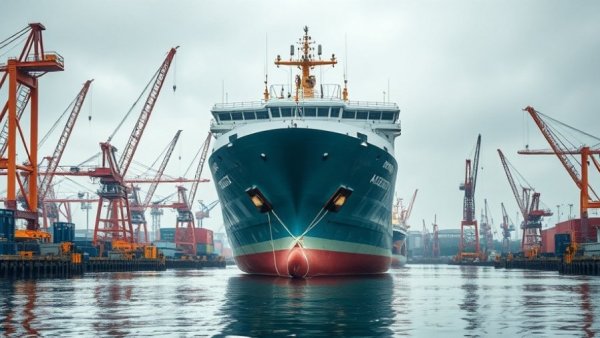
On November 25, 2026, Freire Shipyard made waves in the maritime industry with the launch of NB 737, a groundbreaking vessel designed for Greenpeace International. This state-of-the-art ship heralds a new era of sustainable sailing, emphasizing environmental protection and efficient energy consumption as it readies for delivery by the end of 2027. At an impressive length of 75 meters, the vessel is prepared for demanding missions, including expeditions to polar regions where few ships dare to venture, demonstrating its durability and versatility in extreme environments.
The Engineered Future: Eco-Friendly Technologies on Board
With the world increasingly focused on climate change and sustainability, the innovations aboard NB 737 stand out significantly. Utilization of renewable resources is at the ship's heart, with advanced technologies comprising solar panels, hydrogen fuel cells, and battery storage systems aiming to minimize fossil fuel dependency. The automated DynaRig sailing propulsion system—with its dual masts and vast sail area—illuminates Freire Shipyard's commitment to harnessing natural elements for energy. Under optimal sailing conditions, this ship could circumnavigate the globe powered solely by wind, a mind-boggling achievement that sets a benchmark for future vessels.
Emphasizing Operational Efficiency and Multi-Functionality
Beyond just sailing, NB 737 is tailored for research and exploration, equipped with onboard laboratories and systems designed for deploying ROVs and AUVs. Such systems empower Greenpeace to undertake complex scientific missions, allowing for detailed study of marine ecosystems critical to our planet's health. The vessel also includes a helideck to facilitate helicopter operations, enhancing its operational capabilities. Alongside its four auxiliary boats, NB 737 will navigate challenging sea conditions, underscoring its multi-functional design.
Expanding the Greenpeace Fleet: A Stronger Voice for the Environment
This new addition to Greenpeace's fleet represents more than just growth in numbers; it's a reinforcement of its mission in environmental advocacy. The existing ships, including the Rainbow Warrior III and Arctic Sunrise, have been symbols of environmental activism for years. With the introduction of NB 737, Greenpeace aims to expand its influence and impact, driving much-needed conversations and actions regarding marine conservation and climate change. As awareness around environmental issues swells, the capabilities of this vessel only add to its effectiveness as a tool for advocacy and direct action.
The Road Ahead: Challenges and Commitments in Sustainability
While the launch of NB 737 signals triumphs in eco-friendly shipbuilding, it's essential to recognize the challenges ahead. Operating a vessel with minimal fossil fuel requires a commitment to developing sustainable supply chains and infrastructure—not only for Greenpeace but the maritime industry as a whole. As the necessity for cleaner energy travel increasingly becomes a global concern, the lessons learned from such endeavors will be crucial in guiding future innovations that can withstand the realities of oceanic explorations and environmental activism.
Final Thoughts: Responding to a Planet in Crisis
With the new vessel having officially launched, it's an exciting time for supporters of Greenpeace and advocates for our planet. NB 737 stands as a beacon of hope amidst growing climate concerns, illustrating the maritime sector's capacity for transformative change. As we look toward the future, the blend of technology and environmental responsibility showcased in this vessel could inspire others, emphasizing that it’s not only the destination that matters but how we choose to get there. Conclusively, the construction of such vessels embodies a critical step in addressing ecological dilemmas and nurturing a sustainable maritime economy.


Write A Comment