

Ukraine's Daring Naval Drone Attack: A New Chapter in Warfare
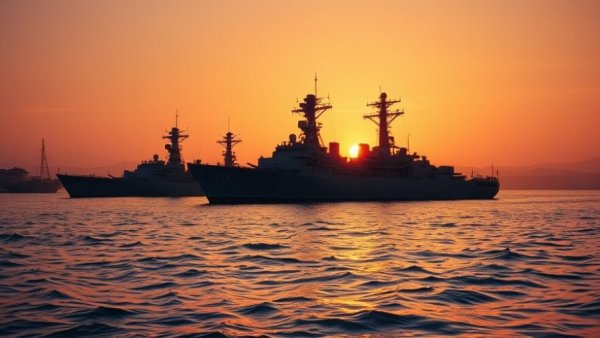
In a bold demonstration of military strategy and technological prowess, Ukraine has reportedly sunk a Russian naval corvette named 'Mercury' in a Libyan port using naval drones. This unprecedented move highlights the intricate link between geography and modern warfare, particularly in a conflict that has already seen its share of surprises.
Understanding the Strategic Importance of Libya
Libya's ongoing civil war has transformed it into a significant player in the geopolitical landscape. Controlled by military commander Khalifa Haftar, the country's eastern region has maintained military ties with Russia. The Ukrainian attack represents more than just a military victory; it reflects the evolving nature of alliances and conflicts in the region, as the West's recognized Government of National Unity contends with the eastern factions. This kind of military escalation in a third-party country illustrates Ukraine's strategy of horizontal escalation—attacking Russian interests while potentially polarizing its own regional partners.
Ukrainian Tactics: Naval Drones as a Game Changer
Utilizing maritime drone technology, Ukraine's operation marks a significant pivot from traditional land engagements to naval warfare. The fact that Ukraine managed to deploy seven drones effectively raises questions regarding the sophistication of naval warfare strategies in the modern age. Drone warfare reduces the risk to human lives and enhances tactical options in complex environments such as Libya.
The Implications of Multiple Fronts in Warfare
President Zelenskiy's announcement came shortly after another attack on a Russian cargo ship in the Gulf of Finland, amplifying Ukraine’s ongoing campaign of multi-front warfare against Russia. These simultaneous attacks signal a strategic approach aimed at stretching Russian resources thin across various fronts, significantly impacting its military logistics. With each strike, Ukraine seeks to elevate the pressure on Moscow, demonstrating its capability to operate in international waters that once seemed out of reach.
Ripples in International Waters: What This Means Globally
The repercussions of this latest development extend beyond Ukraine and Russia. By actively engaging in operations in Libya, Ukraine implicates various international entities and raises questions about global maritime laws and the true nature of neutrality in conflict zones. The involvement of nations like Turkey and Egypt, who have vested interests in Libya, complicates the scenario further, inviting a wider array of geopolitical responses.
Future Predictions: Realigning Power Dynamics in the Region
As military strategists analyze the effectiveness and implications of Ukraine's recent maneuvers, the possibility of escalating tensions in the region looms large. Historically, shifts in maritime control have led to power realignments. Timelines in military confrontations may expand, affected by both international negotiations and unpredictability on the battlefield. Analysts suggest we may see increased proxy engagements and military support across factions, fueling the cycle of conflict.
Conclusion: What Lies Ahead?
As Ukraine showcases its naval capabilities, observers worldwide ponder the future trajectory of this conflict. Will we witness more extensive maritime involvement from Ukraine and its allies, or will these actions prompt a re-evaluation of strategies from beyond the Black Sea to North Africa? For those keeping a close eye on international relations and military trends, these recent developments signal a turning point that warrants ongoing attention.



Write A Comment