Moss Point Gulf Coast Tech

Gulf Coast Tech

  • Home
  • About
  • Categories
    • Tech News
    • Trending News
    • Tomorrow Tech
    • Disruption
    • Case Study
    • Infographic
    • Insurance
    • Shipbuilding
    • Technology
    • Final Expense
    • Expert Interview
    • Expert Comment
    • Shipyard Employee
  • Mississippio
November 22.2026
3 Minutes Read

Tanker Fire After Projectile Strike: The Risks of Maritime Trade

Miniature ship on map symbolizes exploration and journey.

Explosions and Fires: A Warning Sign for Maritime Safety

On November 20, 2026, a tanker was engulfed in flames after being struck by a projectile near the vital Strait of Hormuz, heightening concerns over maritime safety in one of the world’s most crucial shipping routes. Reporting from the United Kingdom Maritime Trade Operations (UKMTO) indicated that the tanker was about eight nautical miles north of the Omani town of Khasab when the incident occurred. Fortunately, there were no reported casualties or environmental impacts, but this event illustrates the ongoing risks in this geopolitically sensitive area.

The Geopolitical Tension Surrounding the Strait of Hormuz

The Strait of Hormuz serves as a strategic artery, facilitating the transit of nearly one-fifth of the global oil supply. Iran's Revolutionary Guards claimed that the tanker caught fire after hitting a mine, which adds another layer of complexity to the region’s maritime operations. The incident reflects escalating tensions fueled by the ongoing conflict between the U.S. and Israel against Iran, which has attempted to disrupt shipping through a blockade since February.

The Broader Impact of Recent Maritime Disruptions

This recent tanker incident is part of a larger narrative regarding maritime safety and geopolitical conflicts. Since the beginning of the U.S.-Israeli conflict with Iran, shipping activity through the Strait of Hormuz has been severely affected. Vessels are increasingly concerned about their route and cargo security, ultimately leading to an uptick in insurance costs and rerouting of shipments.

According to maritime industry analysts, disruptions like this can fuel market volatility, affecting oil prices globally. Traders become wary of shipping routes that have previously not been under such scrutiny, indicating broader economic implications stemming from localized conflicts.

Safety Protocols and Maritime Readiness

In light of the recent incident, the maritime community is urged to ramp up safety protocols. Vessels transiting through the Strait are advised to remain vigilant and equipped with emergency plans for potential threats. Close coordination with naval agencies and adherence to safety alerts will be crucial in safeguarding maritime operations.

The UKMTO plays a pivotal role in monitoring and disseminating safety information, offering real-time updates on situations like these. The importance of such communications cannot be overstated: as tensions rise, so does the need for timely intelligence on threats facing shipping activity.

Future Perspectives: What Lies Ahead for Maritime Trade?

As the geopolitical landscape shifts, stakeholders in maritime trade must remain agile. Future predictions indicate an increasing number of incidents in volatile regions, necessitating enhanced diplomatic efforts. Experts suggest that geopolitical negotiation and conflict resolution may be key to stabilizing shipping routes and ensuring the safety of global trade.

Moreover, this underscores the importance of developing advanced maritime technologies and defense mechanisms that can alert crews to potential threats and navigate through dangerous waters safely.

Your Role in Understanding Maritime Safety

For those engaged in maritime activities—whether as traders, business owners, or stakeholders—understanding these dynamics is vital. The safety of your vessels and cargo depends not only on route selection but also on awareness of geopolitical tensions affecting these crucial maritime routes. As conversations grow around thriving in uncertain waters, proactive measures and awareness can lead to more secure maritime practices.

Stay informed, and join the dialogue about how to make maritime trade safer in an increasingly complicated world.
Trending News

0 Comments

Write A Comment

*
*
Please complete the captcha to submit your comment.
Related Posts All Posts
11.20.2026

Discover How ARC United Transforms Military Cargo Transport

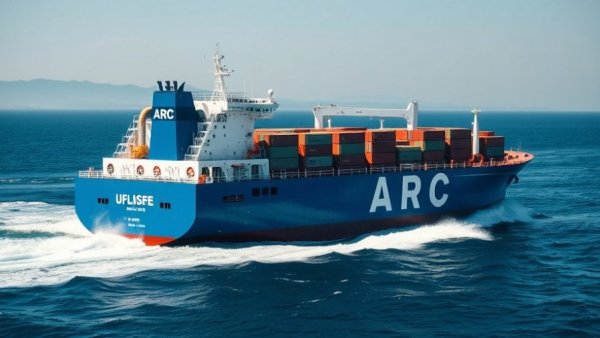
Update ARC United: A Game Changer for U.S. Military Logistics The recent addition of the ARC United to the American Roll-On Roll-Off Carrier Group (ARC Group) expands an already impressive fleet supporting U.S. military logistics and commerce. This large car and truck carrier represents a strategic enhancement in the ability to move heavy equipment and military cargo where it is most needed. At 757 feet long, ARC United epitomizes the blend of commercial and governmental utility, ensuring readiness at a moment's notice. Why Heavy Lift Capacity Matters in Modern Warfare As the global landscape shifts, the ability to quickly deploy military assets can determine the outcome of missions. The introduction of ARC United aligns with the U.S. Military's increasing reliance on versatile transport solutions that can operate under adverse conditions. Equipped with a stern ramp capable of handling 320 metric tons of cargo, this vessel is uniquely designed to load and discharge heavy rolling cargo efficiently—without the need for shoreside cranes. This feature becomes particularly crucial during deployments in austere or damaged ports, where conventional support may not be available. Meeting Diverse Cargo Demands What makes ARC United stand out is not only its design but also its capacity to accommodate unusual freight. It has 13 cargo decks and five hoistable sections, which means it can transport nearly 8,000 car-equivalent units. This capacity includes specialized military aircraft like the V-22 Osprey and CH-47 Chinook. These aircraft require unique height and loading access, which commercial vessels often cannot provide. Thus, ARC's fleet, complemented by ships like ARC United, becomes indispensable for U.S. military exercises and operations abroad. An Eye on Future Military Exercises The implications of possessing such a versatile carrier extend beyond mere transport. The U.S. military’s relationship with its commercial shipping partners is vital as we move into an era marked by technological advancements in warfare and logistics. From humanitarian efforts to rapid deployment for military support, the adaptability of vessels like ARC United to a myriad of scenarios ensures that the U.S. maintains a strategic edge in international presence. Historical Context and Strategic Partnerships Historically, military supply chains have evolved significantly. As global threats diversify, so must logistics capabilities. Ships like ARC United mark a pivotal shift from traditional military logistics, marrying commercial utility with strategic military needs. This evolution reflects not just an increase in size and power but also a sophisticated response to changing geopolitical realities. The partnership between military and commercial shipping indicates a future where adaptability and speed are paramount. The Role of Innovation in Modern Shipbuilding The modern challenges requiring military solutions extend the demand for innovative shipbuilding practices. Companies like ARC Group are at the forefront of these developments. By integrating advanced design features and ensuring compliance with international trade requirements, the ARC United represents what the future of military support transport should look like. For nations looking to safeguard their interests globally, investing in versatile and efficient vessels will continue to take center stage.

11.19.2026

Steer Acquires Mercator International: What It Means for Maritime Consulting

Update The Growing Impact of Maritime ConsultancyThe acquisition of Mercator International by Steer marks an exciting development in the maritime and freight consultancy sector. This move signals Steer's ambition to strengthen its position as an essential player in global infrastructure transactions. With Mercator's rich history—spanning more than 150 commercial due diligence projects and advisory services to over 40 financial institutions—Steer not only gains valuable expertise but also enhances its capability to provide comprehensive guidance in the ever-evolving maritime landscape. This acquisition reflects a strong trend that has been unfolding in the industry, where consulting firms are increasingly merging to form behemoths capable of tackling complex logistical challenges.The Importance of Strategic PartnershipsAs the maritime sector grapples with complexities related to economic fluctuations and environmental pressures, companies like Steer are increasingly looking to expand capabilities through strategic acquisitions. Mercator's specialization in providing tailored advice to investors, port authorities, and logistics businesses offers Steer a unique opportunity to deepen its advisory services and strengthen partnerships across the industry. This is particularly vital at a time when maritime businesses are focused on efficiency and sustainability, responding to both regulatory pressures and stakeholder expectations.A Diverse Skill Set for a Changing IndustryLed by seasoned experts Steve Rothberg, Mike Petro, and Derik Andreoli, Mercator brings a wealth of knowledge and industry insight. Their expertise spans a variety of sectors, from strategic planning and economic analysis to project management and stakeholder engagement. This remarkably diverse skill set aligns well with Steer's existing North America division, enhancing their consulting arsenal to address the challenges faced by port authorities and freight operators. The merger fosters a culture of collaboration that can lead to innovative solutions tailored for a rapidly changing maritime environment. With the combined forces of these expert teams, the industry can expect not only improved client services but also the development of groundbreaking practices aimed at future-proofing maritime operations.Global Collaboration: Building NetworksMercator's collaboration with notable entities such as the Ports of Seattle and Tacoma and the Quebec Port Authority underscores the strategic relationships that can be formed within this sector. The investment in these partnerships is crucial for navigating international waters as they face hurdles like global trade dynamics and sustainability initiatives. By forging strong partnerships, both Steer and Mercator can enhance their influence in the sector, positioning themselves as leaders in thought and practice. With Mercator now under the Steer umbrella, these collaborative efforts are expected to scale new heights, setting benchmarks for others in the industry and providing clients with unparalleled levels of insight and foresight.Future-Ready Solutions: Insights on InfrastructureAs global logistics operations are expected to grow, the need for innovative infrastructure solutions grows as well. The COVID-19 pandemic has accelerated changes in how goods are shipped and consumed, prompting a reevaluation of existing infrastructures. Steer and Mercator can leverage their combined expertise to provide actionable insights to clients seeking to improve operational efficiency in their maritime endeavors. The acquisition positions Steer as a proactive advisor, ready to tackle the pressing challenges of the maritime sector with forward-thinking strategies. Whether it’s optimizing port operations or implementing cutting-edge technologies in transport logistics, the joined forces of these two firms are poised to make significant strides in the industry.What This Means for Industry DynamicsIn the competitive landscape of maritime consultancy, this acquisition reflects Steer’s commitment to innovation and its vision for a sustainable future. Given the increasing pressure on ports to improve their environmental performance and reduce carbon emissions, the merger with Mercator allows Steer to extend its advisory capabilities, ensuring clients are geared towards sustainability while capitalizing on business opportunities. This alignment is particularly relevant as the sector moves towards a more responsible approach, where operational success is intertwined with environmental stewardship.Take Action: Stay Informed on Maritime DevelopmentsFor anyone interested in the maritime industry, keeping abreast of such acquisitions is vital. Understanding how companies like Steer innovate and adapt to changing landscapes can provide insights into future trends. Readers are encouraged to stay tuned for developments in this sector as strategic collaborations continue to evolve. This awareness will not only enhance their understanding of the maritime marketplace but also prepare them to navigate the new realities that are shaping our ports and shipping lanes.

11.17.2026

How Ralph Franjul's Leadership Will Transform Zero-Emission Towage

Update Ralph Franjul Takes the Helm at Curtin Harbor ServicesCurtin Harbor Services (CHS) is making waves in the maritime industry with its appointment of Ralph Franjul as General Manager. This company, rooted in sustainability, is spearheading the transition to zero-emission harbor towage services in California. By building a fleet of eight battery-electric tugs at the Snow & Company shipyard in Seattle, CHS aims to revolutionize the towage market and herald a new era of environmentally responsible maritime operations. With growing concerns about climate change, CHS’s innovative approach is not only timely but also essential in reshaping how harbor services operate.The Push for Zero-Emission TowageAs the world becomes increasingly aware of climate change, industries are scrambling to rethink their environmental strategies. CHS is at the forefront of this shift, aiming to set new standards with its eco-friendly fleet. The collaboration between Curtin Maritime, Snow & Company, and ARC Boats has led to innovative designs that not only promise efficiency but also a significant reduction in carbon emissions—a critical goal for the maritime industry moving forward. This approach places CHS in alignment with California’s ambitious climate goals, which aim to reduce greenhouse gas emissions and promote sustainable business practices throughout the state. By utilizing battery-electric technology, CHS is not just following trends but leading the charge in a much-needed transformation.Bringing Experience to the TableRalph Franjul's 15 years of experience in global harbor towage and marine services underscores CHS's commitment to leadership and success. Having held various senior roles with Svitzer across multiple continents, Franjul brings a wealth of knowledge that spans diverse marine environments—from the Americas to Africa. His commercial experience in Europe further adds to his ability to navigate the complexities of international marine logistics and business. This diverse background equips him with the insights necessary to implement strategies that could enhance operations at CHS, and his proven track record in managing teams and projects clearly reflects his competency in a demanding industry.Cultivating Local Roots with Global ExperienceFranjul's appointment is not just a step for CHS; it’s a blend of local commitment and global expertise. By working closely with Josh Ellis, Senior Vice President of Marine Transportation, Franjul intends to leverage his international experience to ensure that CHS offers competitive, cutting-edge services tailored to the California market. This dual focus fosters a culture of innovation while remaining sensitive to the unique needs of the local community. His vision aims not just to enhance operational efficiency, but also to create jobs and stimulate local economies as CHS grows.What This Means for California's Maritime FutureWith Ralph Franjul at the helm, the prospects for CHS and its innovative fleet point to a promising future for California's maritime industry. This zero-emission initiative aligns with California’s stringent environmental regulations, positioning CHS as a key player in the state’s efforts to reduce pollution. By prioritizing green technology, CHS positions itself not just as a service provider but as a potential model for other companies looking to innovate toward sustainability. The company's commitment to sustainable practices will contribute to cleaner local waterways and can inspire broader industry-wide changes. CHS's impact may extend beyond just its operations, encouraging other companies in maritime activities to adopt similar sustainable practices, thereby accelerating the shift towards a greener maritime sector.Conclusion: A New Era for Towage ServicesThe appointment of Ralph Franjul signals a pivotal moment for Curtin Harbor Services. As they work towards enhancing California's harbor towage operations with an eye on sustainability, Franjul's leadership will be crucial in navigating the challenges and opportunities that lie ahead. Stakeholders in the industry will be watching closely, eager to see how CHS's innovative approach unfolds. This could be the beginning of a transformation that lays the foundation for the future of environmentally conscious maritime operations. With the right balance of innovation, sustainability, and local focus, CHS could lead the way for a new generation of harbor services that not only meet the demands of today but also protect the environment for future generations.

Gulf Coast Tech

Moss Point Gulf Coast Tech, your premier destination for the latest tech news and innovations shaping the Gulf Coast and beyond.

228 355 0244

AVAILABLE FROM 10AM - 9PM

Pascagoula, Mississippi

3414 Shortcut Rd.
Pascagoula, MS 39581 USA

ABOUT US

Gulf Coast Tech delivers the latest tech news and innovations to the Gulf Coast audience every day.

© 2026 JimBroad Media All Rights Reserved. 3414 Shortcut Rd, Pascagoula, MS 39581 . Contact Us . Terms of Service . Privacy Policy

eyJjb21wYW55IjoiSmltQnJvYWQgTWVkaWEiLCJhZGRyZXNzIjoiMzQxNCBTaG9ydGN1dCBSZCwgUGFzY2Fnb3VsYSwgTVMgMzk1ODEiLCJjaXR5IjoiUGFzY2Fnb3VsYSIsInN0YXRlIjoiTVMiLCJ6aXAiOiIzOTU4MSIsImVtYWlsIjoiamltQHJicHRlYW0uY29tIiwidG9zIjoiUEhBK1BITjBjbTl1Wno0OFpXMCtWMmhsYmlCNWIzVWdjMmxuYmkxcGJpQjNhWFJvSUhWekxDQjViM1VnWVhKbElHZHBkbWx1WnladVluTndPeUI1YjNWeUlIQmxjbTFwYzNOcGIyNGdZVzVrSUdOdmJuTmxiblFnZEc4Z2MyVnVaQ0I1YjNVZ1pXMWhhV3dnWVc1a0wyOXlJRk5OVXlCMFpYaDBJRzFsYzNOaFoyVnpMaUJDZVNCamFHVmphMmx1WnlCMGFHVWdWR1Z5YlhNZ1lXNWtJRU52Ym1ScGRHbHZibk1nWW05NElHRnVaQ0JpZVNCemFXZHVhVzVuSUdsdUlIbHZkU0JoZFhSdmJXRjBhV05oYkd4NUlHTnZibVpwY20wZ2RHaGhkQ0I1YjNVZ1lXTmpaWEIwSUdGc2JDQjBaWEp0Y3lCcGJpQjBhR2x6SUdGbmNtVmxiV1Z1ZEM0OEwyVnRQand2YzNSeWIyNW5Qand2Y0Q0S0NqeHdQanhoSUdoeVpXWTlJbWgwZEhBNkx5OTNkM2N1WjI5dloyeGxMbU52YlNJK2FIUjBjRG92TDNkM2R5NW5iMjluYkdVdVkyOXRQQzloUGp3dmNENEtDanh3UGladVluTndPend2Y0Q0S0NqeHdQanh6ZEhKdmJtYytVMFZTVmtsRFJUd3ZjM1J5YjI1blBqd3ZjRDRLQ2p4d1BsZGxJSEJ5YjNacFpHVWdZU0J6WlhKMmFXTmxJSFJvWVhRZ1kzVnljbVZ1ZEd4NUlHRnNiRzkzY3lCNWIzVWdkRzhnY21WalpXbDJaU0J5WlhGMVpYTjBjeUJtYjNJZ1ptVmxaR0poWTJzc0lHTnZiWEJoYm5rZ2FXNW1iM0p0WVhScGIyNHNJSEJ5YjIxdmRHbHZibUZzSUdsdVptOXliV0YwYVc5dUxDQmpiMjF3WVc1NUlHRnNaWEowY3l3Z1kyOTFjRzl1Y3l3Z1pHbHpZMjkxYm5SeklHRnVaQ0J2ZEdobGNpQnViM1JwWm1sallYUnBiMjV6SUhSdklIbHZkWElnWlcxaGFXd2dZV1JrY21WemN5QmhibVF2YjNJZ1kyVnNiSFZzWVhJZ2NHaHZibVVnYjNJZ1pHVjJhV05sTGlCWmIzVWdkVzVrWlhKemRHRnVaQ0JoYm1RZ1lXZHlaV1VnZEdoaGRDQjBhR1VnVTJWeWRtbGpaU0JwY3lCd2NtOTJhV1JsWkNBbWNYVnZkRHRCVXkxSlV5WnhkVzkwT3lCaGJtUWdkR2hoZENCM1pTQmhjM04xYldVZ2JtOGdjbVZ6Y0c5dWMybGlhV3hwZEhrZ1ptOXlJSFJvWlNCMGFXMWxiR2x1WlhOekxDQmtaV3hsZEdsdmJpd2diV2x6TFdSbGJHbDJaWEo1SUc5eUlHWmhhV3gxY21VZ2RHOGdjM1J2Y21VZ1lXNTVJSFZ6WlhJZ1kyOXRiWFZ1YVdOaGRHbHZibk1nYjNJZ2NHVnljMjl1WVd4cGVtRjBhVzl1SUhObGRIUnBibWR6TGp3dmNENEtDanh3UGxsdmRTQmhjbVVnY21WemNHOXVjMmxpYkdVZ1ptOXlJRzlpZEdGcGJtbHVaeUJoWTJObGMzTWdkRzhnZEdobElGTmxjblpwWTJVZ1lXNWtJSFJvWVhRZ1lXTmpaWE56SUcxaGVTQnBiblp2YkhabElIUm9hWEprSUhCaGNuUjVJR1psWlhNZ0tITjFZMmdnWVhNZ1UwMVRJSFJsZUhRZ2JXVnpjMkZuWlhNc0lFbHVkR1Z5Ym1WMElITmxjblpwWTJVZ2NISnZkbWxrWlhJZ2IzSWdZMlZzYkhWc1lYSWdZV2x5ZEdsdFpTQmphR0Z5WjJWektTNGdXVzkxSUdGeVpTQnlaWE53YjI1emFXSnNaU0JtYjNJZ2RHaHZjMlVnWm1WbGN5d2dhVzVqYkhWa2FXNW5JSFJvYjNObElHWmxaWE1nWVhOemIyTnBZWFJsWkNCM2FYUm9JSFJvWlNCa2FYTndiR0Y1SUc5eUlHUmxiR2wyWlhKNUlHOW1JR1ZoWTJnZ1UwMVRJSFJsZUhRZ2JXVnpjMkZuWlNCelpXNTBJSFJ2SUhsdmRTQmllU0IxY3k0Z1NXNGdZV1JrYVhScGIyNHNJSGx2ZFNCdGRYTjBJSEJ5YjNacFpHVWdZVzVrSUdGeVpTQnlaWE53YjI1emFXSnNaU0JtYjNJZ1lXeHNJR1Z4ZFdsd2JXVnVkQ0J1WldObGMzTmhjbmtnZEc4Z1lXTmpaWE56SUhSb1pTQlRaWEoyYVdObElHRnVaQ0J5WldObGFYWmxJSFJvWlNCVFRWTWdkR1Y0ZENCdFpYTnpZV2RsY3k0Z1YyVWdaRzhnYm05MElHTm9ZWEpuWlNCaGJua2dabVZsY3lCbWIzSWdaR1ZzYVhabGNua2diMllnWlcxaGFXd2diM0lnVTAxVExpQlVhR2x6SUdseklHRWdabkpsWlNCelpYSjJhV05sSUhCeWIzWnBaR1ZrSUdKNUlIVnpMaUJJYjNkbGRtVnlMQ0J3YkdWaGMyVWdZMmhsWTJzZ2QybDBhQ0I1YjNWeUlHbHVkR1Z5Ym1WMElITmxjblpwWTJVZ2NISnZkbWxrWlhJZ1lXNWtJR05sYkd4MWJHRnlJR05oY25KcFpYSWdabTl5SUdGdWVTQmphR0Z5WjJWeklIUm9ZWFFnYldGNUlHbHVZM1Z5SUdGeklHRWdjbVZ6ZFd4MElHWnliMjBnY21WalpXbDJhVzVuSUdWdFlXbHNJR0Z1WkNCVFRWTWdkR1Y0ZENCdFpYTnpZV2RsY3lCMGFHRjBJSGRsSUdSbGJHbDJaWElnZFhCdmJpQjViM1Z5SUc5d2RDMXBiaUJoYm1RZ2NtVm5hWE4wY21GMGFXOXVJSGRwZEdnZ2IzVnlJR1Z0WVdsc0lHRnVaQ0JUVFZNZ2MyVnlkbWxqWlhNdUlGbHZkU0JqWVc0Z1kyRnVZMlZzSUdGMElHRnVlU0IwYVcxbExpQktkWE4wSUhSbGVIUWdKbkYxYjNRN1UxUlBVQ1p4ZFc5ME95QjBieVp1WW5Od096eG9hV2RvYkdsbmFIUWdZMnhoYzNNOUltTnZiWEJoYm5sVFRWTlFhRzl1WlZWd1pHRjBaU0krYm5Wc2JEd3ZhR2xuYUd4cFoyaDBQaTRnUVdaMFpYSWdlVzkxSUhObGJtUWdkR2hsSUZOTlV5QnRaWE56WVdkbElDWnhkVzkwTzFOVVQxQW1jWFZ2ZERzZ2RHOGdkWE1zSUhkbElIZHBiR3dnYzJWdVpDQjViM1VnWVc0Z1UwMVRJRzFsYzNOaFoyVWdkRzhnWTI5dVptbHliU0IwYUdGMElIbHZkU0JvWVhabElHSmxaVzRnZFc1emRXSnpZM0pwWW1Wa0xpQkJablJsY2lCMGFHbHpMQ0I1YjNVZ2QybHNiQ0J1YnlCc2IyNW5aWElnY21WalpXbDJaU0JUVFZNZ2JXVnpjMkZuWlhNZ1puSnZiU0IxY3k0OEwzQStDZ284Y0Q0OGMzUnliMjVuUGxsUFZWSWdVa1ZIU1ZOVVVrRlVTVTlPSUU5Q1RFbEhRVlJKVDA1VFBDOXpkSEp2Ym1jK1BDOXdQZ29LUEhBK1NXNGdZMjl1YzJsa1pYSmhkR2x2YmlCdlppQjViM1Z5SUhWelpTQnZaaUIwYUdVZ1UyVnlkbWxqWlN3Z2VXOTFJR0ZuY21WbElIUnZPand2Y0Q0S0NqeHZiRDRLQ1R4c2FUNXdjbTkyYVdSbElIUnlkV1VzSUdGalkzVnlZWFJsTENCamRYSnlaVzUwSUdGdVpDQmpiMjF3YkdWMFpTQnBibVp2Y20xaGRHbHZiaUJoWW05MWRDQjViM1Z5YzJWc1ppQmhjeUJ3Y205dGNIUmxaQ0JpZVNCMGFHVWdVMlZ5ZG1salpTWWpNems3Y3lCeVpXZHBjM1J5WVhScGIyNGdabTl5YlNBb2MzVmphQ0JwYm1admNtMWhkR2x2YmlCaVpXbHVaeUIwYUdVZ0puRjFiM1E3VW1WbmFYTjBjbUYwYVc5dUlFUmhkR0VtY1hWdmREc3BJR0Z1WkR3dmJHaytDZ2s4YkdrK2JXRnBiblJoYVc0Z1lXNWtJSEJ5YjIxd2RHeDVJSFZ3WkdGMFpTQjBhR1VnVW1WbmFYTjBjbUYwYVc5dUlFUmhkR0VnZEc4Z2EyVmxjQ0JwZENCMGNuVmxMQ0JoWTJOMWNtRjBaU3dnWTNWeWNtVnVkQ0JoYm1RZ1kyOXRjR3hsZEdVdUlFbG1JSGx2ZFNCd2NtOTJhV1JsSUdGdWVTQnBibVp2Y20xaGRHbHZiaUIwYUdGMElHbHpJSFZ1ZEhKMVpTd2dhVzVoWTJOMWNtRjBaU3dnYm05MElHTjFjbkpsYm5RZ2IzSWdhVzVqYjIxd2JHVjBaU3dnYjNJZ2QyVWdhR0YyWlNCeVpXRnpiMjVoWW14bElHZHliM1Z1WkhNZ2RHOGdjM1Z6Y0dWamRDQjBhR0YwSUhOMVkyZ2dhVzVtYjNKdFlYUnBiMjRnYVhNZ2RXNTBjblZsTENCcGJtRmpZM1Z5WVhSbExDQnViM1FnWTNWeWNtVnVkQ0J2Y2lCcGJtTnZiWEJzWlhSbExDQjNaU0JvWVhabElIUm9aU0J5YVdkb2RDQjBieUJ6ZFhOd1pXNWtJRzl5SUR4emRISnZibWMrUEhOd1lXNGdjM1I1YkdVOUltTnZiRzl5T2lOR1JqQXdNREE3SWo1MFpYSnRhVzVoZEdVZ2VXOTFjaUJoWTJOdmRXNTBMM0J5YjJacGJHVWdZVzVrSUhKbFpuVnpaU0JoYm5rZ1lXNWtJR0ZzYkNCamRYSnlaVzUwSUc5eUlHWjFkSFZ5WlNCMWMyVWdiMllnZEdobElGTmxjblpwWTJVZ0tHOXlJR0Z1ZVNCd2IzSjBhVzl1SUhSb1pYSmxiMllwTGp3dmMzQmhiajQ4TDNOMGNtOXVaejQ4TDJ4cFBnbzhMMjlzUGdvS1BIQStKbTVpYzNBN1BDOXdQZ284YUdsbmFHeHBaMmgwSUdOc1lYTnpQU0pqYjIxd1lXNTVUbUZ0WlZWd1pHRjBaU0krU21sdFFuSnZZV1FnVFdWa2FXRThMMmhwWjJoc2FXZG9kRDQ4WW5JZ0x6NEtQR2hwWjJoc2FXZG9kQ0JqYkdGemN6MGlZMjl0Y0dGdWVVRmtaSEpsYzNOVmNHUmhkR1VpUGpNME1UUWdVMmh2Y25SamRYUWdVbVFzSUZCaGMyTmhaMjkxYkdFc0lFMVRJRE01TlRneFBDOW9hV2RvYkdsbmFIUStQR0p5SUM4K0NqeG9hV2RvYkdsbmFIUWdZMnhoYzNNOUltTnZiWEJoYm5sUWFHOXVaVlZ3WkdGMFpTSStLekVnS3pFeU1qZ3pOVFV3TWpRMFBDOW9hV2RvYkdsbmFIUStQR0p5SUM4K0NqeG9hV2RvYkdsbmFIUWdZMnhoYzNNOUltTnZiWEJoYm5sRmJXRnBiRlZ3WkdGMFpTSSthbWx0UUhKaWNIUmxZVzB1WTI5dFBDOW9hV2RvYkdsbmFIUSsiLCJwcml2YWN5IjoiUEhBK1BITjBjbTl1Wno1UVVrbFdRVU5aUEM5emRISnZibWMrUEM5d1Bnb0tQSEErUEhOMGNtOXVaejVVYUdVZ2FXNW1iM0p0WVhScGIyNGdjSEp2ZG1sa1pXUWdaSFZ5YVc1bklIUm9hWE1nY21WbmFYTjBjbUYwYVc5dUlHbHpJR3RsY0hRZ2NISnBkbUYwWlNCaGJtUWdZMjl1Wm1sa1pXNTBhV0ZzTENCaGJtUWdkMmxzYkNCdVpYWmxjaUJpWlNCa2FYTjBjbWxpZFhSbFpDd2dZMjl3YVdWa0xDQnpiMnhrTENCMGNtRmtaV1FnYjNJZ2NHOXpkR1ZrSUdsdUlHRnVlU0IzWVhrc0lITm9ZWEJsSUc5eUlHWnZjbTB1SUZSb2FYTWdhWE1nYjNWeUlHZDFZWEpoYm5SbFpTNDhMM04wY205dVp6NDhMM0ErQ2dvOGNENDhjM1J5YjI1blBrbE9SRVZOVGtsVVdUd3ZjM1J5YjI1blBqd3ZjRDRLQ2p4d1BqeGxiVDVaYjNVZ1lXZHlaV1VnZEc4Z2FXNWtaVzF1YVdaNUlHRnVaQ0JvYjJ4a0lIVnpMQ0JoYm1RZ2FYUnpJSE4xWW5OcFpHbGhjbWxsY3l3Z1lXWm1hV3hwWVhSbGN5d2diMlptYVdObGNuTXNJR0ZuWlc1MGN5d2dZMjh0WW5KaGJtUmxjbk1nYjNJZ2IzUm9aWElnY0dGeWRHNWxjbk1zSUdGdVpDQmxiWEJzYjNsbFpYTXNJR2hoY20xc1pYTnpJR1p5YjIwZ1lXNTVJR05zWVdsdElHOXlJR1JsYldGdVpDd2dhVzVqYkhWa2FXNW5JSEpsWVhOdmJtRmliR1VnWVhSMGIzSnVaWGx6SmlNek9Uc2dabVZsY3l3Z2JXRmtaU0JpZVNCaGJua2dkR2hwY21RZ2NHRnlkSGtnWkhWbElIUnZJRzl5SUdGeWFYTnBibWNnYjNWMElHOW1JRU52Ym5SbGJuUWdlVzkxSUhKbFkyVnBkbVVzSUhOMVltMXBkQ3dnY21Wd2JIa3NJSEJ2YzNRc0lIUnlZVzV6YldsMElHOXlJRzFoYTJVZ1lYWmhhV3hoWW14bElIUm9jbTkxWjJnZ2RHaGxJRk5sY25acFkyVXNJSGx2ZFhJZ2RYTmxJRzltSUhSb1pTQlRaWEoyYVdObExDQjViM1Z5SUdOdmJtNWxZM1JwYjI0Z2RHOGdkR2hsSUZObGNuWnBZMlVzSUhsdmRYSWdkbWx2YkdGMGFXOXVJRzltSUhSb1pTQlVUMU1zSUc5eUlIbHZkWElnZG1sdmJHRjBhVzl1SUc5bUlHRnVlU0J5YVdkb2RITWdiMllnWVc1dmRHaGxjaTQ4TDJWdFBqd3ZjRDRLQ2p4d1BqeHpkSEp2Ym1jK1JFbFRRMHhCU1UxRlVpQlBSaUJYUVZKU1FVNVVTVVZUUEM5emRISnZibWMrUEM5d1Bnb0tQSEErUEhOMGNtOXVaejVaVDFVZ1JWaFFVa1ZUVTB4WklGVk9SRVZTVTFSQlRrUWdRVTVFSUVGSFVrVkZJRlJJUVZRNlBDOXpkSEp2Ym1jK1BDOXdQZ29LUEc5c1Bnb0pQR3hwUGxsUFZWSWdWVk5GSUU5R0lGUklSU0JUUlZKV1NVTkZJRWxUSUVGVUlGbFBWVklnVTA5TVJTQlNTVk5MTGlCVVNFVWdVMFZTVmtsRFJTQkpVeUJRVWs5V1NVUkZSQ0JQVGlCQlRpQW1jWFZ2ZER0QlV5QkpVeVp4ZFc5ME95QkJUa1FnSm5GMWIzUTdRVk1nUVZaQlNVeEJRa3hGSm5GMWIzUTdJRUpCVTBsVExpQXNMaUJCVGtRZ1ZWTXNJRWxVSmlNek9UdFRJRU5WVTFSUFRVVlNVeXdnUlZoUVVrVlRVMHhaSUVSSlUwTk1RVWxOVXlCQlRFd2dWMEZTVWtGT1ZFbEZVeUJQUmlCQlRsa2dTMGxPUkN3Z1YwaEZWRWhGVWlCRldGQlNSVk5USUU5U0lFbE5VRXhKUlVRc0lFbE9RMHhWUkVsT1J5d2dRbFZVSUU1UFZDQk1TVTFKVkVWRUlGUlBJRlJJUlNCSlRWQk1TVVZFSUZkQlVsSkJUbFJKUlZNZ1QwWWdUVVZTUTBoQlRsUkJRa2xNU1ZSWkxDQkdTVlJPUlZOVElFWlBVaUJCSUZCQlVsUkpRMVZNUVZJZ1VGVlNVRTlUUlNCQlRrUWdUazlPTFVsT1JsSkpUa2RGVFVWT1ZDNDhMMnhwUGdvSlBHeHBQazFCUzBWVElFNVBJRmRCVWxKQlRsUlpJRlJJUVZRZ0tHa3BJRlJJUlNCVFJWSldTVU5GSUZkSlRFd2dUVVZGVkNCWlQxVlNJRkpGVVZWSlVrVk5SVTVVVXl3Z0tHbHBLU0JVU0VVZ1UwVlNWa2xEUlNCWFNVeE1JRUpGSUZWT1NVNVVSVkpTVlZCVVJVUXNJRlJKVFVWTVdTd2dVMFZEVlZKRkxDQlBVaUJGVWxKUFVpMUdVa1ZGTENBb2FXbHBLU0JVU0VVZ1VrVlRWVXhVVXlCVVNFRlVJRTFCV1NCQ1JTQlBRbFJCU1U1RlJDQkdVazlOSUZSSVJTQlZVMFVnVDBZZ1ZFaEZJRk5GVWxaSlEwVWdWMGxNVENCQ1JTQkJRME5WVWtGVVJTQlBVaUJTUlV4SlFVSk1SU3dnUVU1RUlDaHBkaWtnUVU1WklFVlNVazlTVXlCSlRpQlVTRVVnVTA5R1ZGZEJVa1VnVjBsTVRDQkNSU0JEVDFKU1JVTlVSVVF1UEM5c2FUNEtDVHhzYVQ1QlRsa2dUVUZVUlZKSlFVd2dSRTlYVGt4UFFVUkZSQ0JQVWlCUFZFaEZVbGRKVTBVZ1QwSlVRVWxPUlVRZ1ZFaFNUMVZIU0NCVVNFVWdWVk5GSUU5R0lGUklSU0JUUlZKV1NVTkZJRWxUSUVSUFRrVWdRVlFnV1U5VlVpQlBWMDRnUkVsVFExSkZWRWxQVGlCQlRrUWdVa2xUU3lCQlRrUWdWRWhCVkNCWlQxVWdWMGxNVENCQ1JTQlRUMHhGVEZrZ1VrVlRVRTlPVTBsQ1RFVWdSazlTSUVGT1dTQkVRVTFCUjBVZ1ZFOGdXVTlWVWlCRFQwMVFWVlJGVWlCVFdWTlVSVTBnVDFJZ1RFOVRVeUJQUmlCRVFWUkJJRlJJUVZRZ1VrVlRWVXhVVXlCR1VrOU5JRlJJUlNCRVQxZE9URTlCUkNCUFJpQkJUbGtnVTFWRFNDQk5RVlJGVWtsQlRDNDhMMnhwUGdvSlBHeHBQazVQSUVGRVZrbERSU0JQVWlCSlRrWlBVazFCVkVsUFRpd2dWMGhGVkVoRlVpQlBVa0ZNSUU5U0lGZFNTVlJVUlU0c0lFOUNWRUZKVGtWRUlFSlpJRmxQVlNCR1VrOU5JRTlTSUZSSVVrOVZSMGdnVDFJZ1JsSlBUU0JVU0VVZ1UwVlNWa2xEUlNCVFNFRk1UQ0JEVWtWQlZFVWdRVTVaSUZkQlVsSkJUbFJaSUU1UFZDQkZXRkJTUlZOVFRGa2dVMVJCVkVWRUlFbE9JRlJJUlNCVVQxTXVQQzlzYVQ0S1BDOXZiRDRLQ2p4d1BqeHpkSEp2Ym1jK1RFbE5TVlJCVkVsUFRpQlBSaUJNU1VGQ1NVeEpWRms4TDNOMGNtOXVaejQ4TDNBK0NnbzhjRDVaVDFVZ1JWaFFVa1ZUVTB4WklGVk9SRVZTVTFSQlRrUWdRVTVFSUVGSFVrVkZJRlJJUVZRZ1FVNUVJRk5JUVV4TUlFNVBWQ0JDUlNCTVNVRkNURVVnUms5U0lFRk9XU0JFU1ZKRlExUXNJRWxPUkVsU1JVTlVMQ0JKVGtOSlJFVk9WRUZNTENCVFVFVkRTVUZNTENCRFQwNVRSVkZWUlU1VVNVRk1JRTlTSUVWWVJVMVFURUZTV1NCRVFVMUJSMFZUTENCSlRrTk1WVVJKVGtjZ1FsVlVJRTVQVkNCTVNVMUpWRVZFSUZSUExDQkVRVTFCUjBWVElFWlBVaUJNVDFOVElFOUdJRkJTVDBaSlZGTXNJRWRQVDBSWFNVeE1MQ0JWVTBVc0lFUkJWRUVnVDFJZ1QxUklSVklnU1U1VVFVNUhTVUpNUlNCTVQxTlRSVk1nS0VWV1JVNGdTVVlnU0VGVElFSkZSVTRnUVVSV1NWTkZSQ0JQUmlCVVNFVWdVRTlUVTBsQ1NVeEpWRmtnVDBZZ1UxVkRTQ0JFUVUxQlIwVlRLU3dnVWtWVFZVeFVTVTVISUVaU1QwMDZQQzl3UGdvS1BHOXNQZ29KUEd4cFBsUklSU0JWVTBVZ1QxSWdWRWhGSUVsT1FVSkpURWxVV1NCVVR5QlZVMFVnVkVoRklGTkZVbFpKUTBVN1BDOXNhVDRLQ1R4c2FUNVVTRVVnUTA5VFZDQlBSaUJRVWs5RFZWSkZUVVZPVkNCUFJpQlRWVUpUVkVsVVZWUkZJRWRQVDBSVElFRk9SQ0JUUlZKV1NVTkZVeUJTUlZOVlRGUkpUa2NnUmxKUFRTQkJUbGtnUjA5UFJGTXNJRVJCVkVFc0lFbE9SazlTVFVGVVNVOU9JRTlTSUZORlVsWkpRMFZUSUZCVlVrTklRVk5GUkNCUFVpQlBRbFJCU1U1RlJDQlBVaUJOUlZOVFFVZEZVeUJTUlVORlNWWkZSQ0JQVWlCVVVrRk9VMEZEVkVsUFRsTWdSVTVVUlZKRlJDQkpUbFJQSUZSSVVrOVZSMGdnVDFJZ1JsSlBUU0JVU0VVZ1UwVlNWa2xEUlRzOEwyeHBQZ29KUEd4cFBsVk9RVlZVU0U5U1NWcEZSQ0JCUTBORlUxTWdWRThnVDFJZ1FVeFVSVkpCVkVsUFRpQlBSaUJaVDFWU0lGUlNRVTVUVFVsVFUwbFBUbE1nVDFJZ1JFRlVRVHM4TDJ4cFBnb0pQR3hwUGxOVVFWUkZUVVZPVkZNZ1QxSWdRMDlPUkZWRFZDQlBSaUJCVGxrZ1ZFaEpVa1FnVUVGU1ZGa2dUMDRnVkVoRklGTkZVbFpKUTBVN0lFOVNQQzlzYVQ0S0NUeHNhVDVCVGxrZ1QxUklSVklnVFVGVVZFVlNJRkpGVEVGVVNVNUhJRlJQSUZSSVJTQlRSVkpXU1VORkxqd3ZiR2srQ2p3dmIydytDZ284Y0Q0OGRUNUNlU0J5WldkcGMzUmxjbWx1WnlCaGJtUWdjM1ZpYzJOeWFXSnBibWNnZEc4Z2IzVnlJR1Z0WVdsc0lHRnVaQ0JUVFZNZ2MyVnlkbWxqWlN3Z1lua2diM0IwTFdsdUxDQnZibXhwYm1VZ2NtVm5hWE4wY21GMGFXOXVJRzl5SUdKNUlHWnBiR3hwYm1jZ2IzVjBJR0VnWTJGeVpDd2dKbkYxYjNRN2VXOTFJR0ZuY21WbElIUnZJSFJvWlhObElGUkZVazFUSUU5R0lGTkZVbFpKUTBVbWNYVnZkRHNnWVc1a0lIbHZkU0JoWTJ0dWIzZHNaV1JuWlNCaGJtUWdkVzVrWlhKemRHRnVaQ0IwYUdVZ1lXSnZkbVVnZEdWeWJYTWdiMllnYzJWeWRtbGpaU0J2ZFhSc2FXNWxaQ0JoYm1RZ1pHVjBZV2xzWldRZ1ptOXlJSGx2ZFNCMGIyUmhlUzQ4TDNVK1BDOXdQZ29LUEhBK0ptNWljM0E3UEM5d1BnbzhhR2xuYUd4cFoyaDBJR05zWVhOelBTSmpiMjF3WVc1NVRtRnRaVlZ3WkdGMFpTSStTbWx0UW5KdllXUWdUV1ZrYVdFOEwyaHBaMmhzYVdkb2RENDhZbklnTHo0S1BHaHBaMmhzYVdkb2RDQmpiR0Z6Y3owaVkyOXRjR0Z1ZVVGa1pISmxjM05WY0dSaGRHVWlQak0wTVRRZ1UyaHZjblJqZFhRZ1VtUXNJRkJoYzJOaFoyOTFiR0VzSUUxVElETTVOVGd4UEM5b2FXZG9iR2xuYUhRK1BHSnlJQzgrQ2p4b2FXZG9iR2xuYUhRZ1kyeGhjM005SW1OdmJYQmhibmxRYUc5dVpWVndaR0YwWlNJK0t6RWdLekV5TWpnek5UVXdNalEwUEM5b2FXZG9iR2xuYUhRK1BHSnlJQzgrQ2p4b2FXZG9iR2xuYUhRZ1kyeGhjM005SW1OdmJYQmhibmxGYldGcGJGVndaR0YwWlNJK2FtbHRRSEppY0hSbFlXMHVZMjl0UEM5b2FXZG9iR2xuYUhRKyJ9

Terms of Service

Privacy Policy

Core Modal Title

Sorry, no results found

You Might Find These Articles Interesting

T
Please Check Your Email
We Will Be Following Up Shortly
*
*
*