Moss Point Gulf Coast Tech

Gulf Coast Tech

  • Home
  • About
  • Categories
    • Tech News
    • Trending News
    • Tomorrow Tech
    • Disruption
    • Case Study
    • Infographic
    • Insurance
    • Shipbuilding
    • Technology
    • Final Expense
    • Expert Interview
    • Expert Comment
    • Shipyard Employee
  • Mississippio
November 17.2026
3 Minutes Read

How Ralph Franjul's Leadership Will Transform Zero-Emission Towage

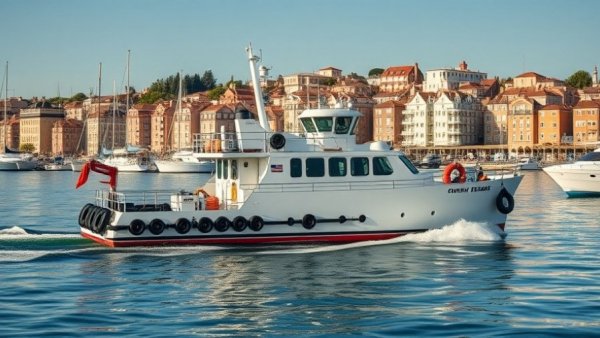
Tugboat in harbor offering zero-emission towage services.

Ralph Franjul Takes the Helm at Curtin Harbor Services

Curtin Harbor Services (CHS) is making waves in the maritime industry with its appointment of Ralph Franjul as General Manager. This company, rooted in sustainability, is spearheading the transition to zero-emission harbor towage services in California. By building a fleet of eight battery-electric tugs at the Snow & Company shipyard in Seattle, CHS aims to revolutionize the towage market and herald a new era of environmentally responsible maritime operations. With growing concerns about climate change, CHS’s innovative approach is not only timely but also essential in reshaping how harbor services operate.

The Push for Zero-Emission Towage

As the world becomes increasingly aware of climate change, industries are scrambling to rethink their environmental strategies. CHS is at the forefront of this shift, aiming to set new standards with its eco-friendly fleet. The collaboration between Curtin Maritime, Snow & Company, and ARC Boats has led to innovative designs that not only promise efficiency but also a significant reduction in carbon emissions—a critical goal for the maritime industry moving forward. This approach places CHS in alignment with California’s ambitious climate goals, which aim to reduce greenhouse gas emissions and promote sustainable business practices throughout the state. By utilizing battery-electric technology, CHS is not just following trends but leading the charge in a much-needed transformation.

Bringing Experience to the Table

Ralph Franjul's 15 years of experience in global harbor towage and marine services underscores CHS's commitment to leadership and success. Having held various senior roles with Svitzer across multiple continents, Franjul brings a wealth of knowledge that spans diverse marine environments—from the Americas to Africa. His commercial experience in Europe further adds to his ability to navigate the complexities of international marine logistics and business. This diverse background equips him with the insights necessary to implement strategies that could enhance operations at CHS, and his proven track record in managing teams and projects clearly reflects his competency in a demanding industry.

Cultivating Local Roots with Global Experience

Franjul's appointment is not just a step for CHS; it’s a blend of local commitment and global expertise. By working closely with Josh Ellis, Senior Vice President of Marine Transportation, Franjul intends to leverage his international experience to ensure that CHS offers competitive, cutting-edge services tailored to the California market. This dual focus fosters a culture of innovation while remaining sensitive to the unique needs of the local community. His vision aims not just to enhance operational efficiency, but also to create jobs and stimulate local economies as CHS grows.

What This Means for California's Maritime Future

With Ralph Franjul at the helm, the prospects for CHS and its innovative fleet point to a promising future for California's maritime industry. This zero-emission initiative aligns with California’s stringent environmental regulations, positioning CHS as a key player in the state’s efforts to reduce pollution. By prioritizing green technology, CHS positions itself not just as a service provider but as a potential model for other companies looking to innovate toward sustainability. The company's commitment to sustainable practices will contribute to cleaner local waterways and can inspire broader industry-wide changes. CHS's impact may extend beyond just its operations, encouraging other companies in maritime activities to adopt similar sustainable practices, thereby accelerating the shift towards a greener maritime sector.

Conclusion: A New Era for Towage Services

The appointment of Ralph Franjul signals a pivotal moment for Curtin Harbor Services. As they work towards enhancing California's harbor towage operations with an eye on sustainability, Franjul's leadership will be crucial in navigating the challenges and opportunities that lie ahead. Stakeholders in the industry will be watching closely, eager to see how CHS's innovative approach unfolds. This could be the beginning of a transformation that lays the foundation for the future of environmentally conscious maritime operations. With the right balance of innovation, sustainability, and local focus, CHS could lead the way for a new generation of harbor services that not only meet the demands of today but also protect the environment for future generations.


Trending News

0 Comments

Write A Comment

*
*
Please complete the captcha to submit your comment.
Related Posts All Posts
11.16.2026

Understanding Recent Oil Price Drops Amid Middle East Export Increases

Update Oil Prices Have Taken a Hit: What’s Driving the Downturn?As oil prices dipped over 1% recently, a mix of recovering supplies and concern over geopolitical tensions has created a complex scenario for oil traders. On Monday, Brent crude futures fell by $1.67, translating to a 1.74% decrease, settling at $94.17 a barrel. Meanwhile, US West Texas Intermediate (WTI) crude followed suit, dropping $1.14 or 1.29%, landing at $87.42. The cautious trading sentiment appears firmly linked to the August rebound in oil flows through the Strait of Hormuz, a critical shipping passage affecting not only prices but also global energy security.Geopolitical Risks and Market AdjustmentsThe International Energy Agency (IEA) indicates a likely return to a surplus in the oil market as early as this fourth quarter, with supply outpacing demand. For the first time since tensions escalated between the US and Iran, traders are beginning to factor in excess supply rather than focusing solely on potential constraints. The IEA reported that oil supply is projected to average 105 million barrels per day in Q4, exceeding estimated demand by 1.7 million barrels per day. This change in outlook is significant, indicating a more comfortable supply situation for producers and consumers alike.Despite the bullish signals given by recovering oil exports from OPEC+ nations, fresh incidents—including recent attacks on tankers in the Strait of Hormuz—highlight the persistent risks to supply lines. Such uncertainties prompt analysts to issue cautious forecasts for the oil market's immediate future. The geopolitical environment in the Middle East continues to be fraught with complications, which can quickly change market sentiment and lead to sudden price hikes or drops.China's Role in Global Oil DemandDiminished demand in China, the world’s second-largest oil consumer, further complicates this landscape. Latest statistics reveal a 2% drop in refinery throughput for October compared to September, and an 8.1% decrease from the previous year. These figures resonate alarm bells for a market already working to navigate the volatile waters of international politics and fluctuating supply. As one of the largest importers of crude oil, China's industrial activity significantly impacts global prices.In light of these events, it's evident that China’s domestic output and increasing imports have built their crude inventories significantly, another sign of softening demand that cannot be ignored by market participants. With economic sentiment shifting, traders are paying closer attention to China’s economic indicators, as they often serve as a bellwether for broader global economic health.Future Predictions: What to ExpectGoldman Sachs has weighed in with their outlook, predicting that Brent crude prices may average $88 a barrel in 2027, eventually easing to $78 by year-end. The agency points out the robustness of Middle Eastern supply chains, which have adjusted well under current pressures. The substantial volumes being exported demonstrate that, despite ongoing tensions, producers are finding ways to maintain operations. Yet, analysts caution that despite these optimistic forecasts, the potential for political instability in key regions and fluctuations in demand can destabilize the market intermittently.Furthermore, the IEA has highlighted plans for a significant release of oil reserves, which could further influence prices. Understanding these dynamics will be crucial for traders, especially given that even minor shifts in policy or unexpected incidents can create waves in a sensitive market landscape.Conclusion: Staying Vigilant in Uncertain TimesAs we look to the future, the oil market remains in a delicate balance between recovering supply and fluctuating global demand, particularly in China. Industry players and consumers alike must stay vigilant in understanding the broader implications of these dynamics. Monitoring trends in Middle East exports and China's economic indicators could prove vital in anticipating market shifts. The interplay between supply, demand, and geopolitical risks will remain a constant factor that oil market participants cannot afford to overlook.As we navigate these uncertain times, the importance of an adaptive strategy becomes paramount. Whether you are an investor, a business relying on oil, or a consumer simply filling up your tank, being aware of these factors can better prepare you for what lies ahead in the ever-changing oil landscape. With pending resolutions between global powers and potential recovery trends, the path of oil prices will continue to be a topic of high interest and significant impact well into the future.

11.14.2026

Tanker Collision with Cruise Ship in New Orleans Sparks Urgent Rescues

Update Collision on the Mississippi: Unfolding Rescue OperationsOn November 13, 2026, a significant maritime incident occurred in New Orleans when a tanker collided with a cruise ship docked on the Mississippi River. Reports indicate that the cruise ship, American Heritage, was struck by the tanker Atlantic Asphalt around 12:30 p.m. local time. This incident not only surprised locals but also raised concerns among maritime experts and authorities regarding safety measures in busy waterways.The incident sparked urgent rescue operations as multiple passengers were reported in the water. Secretary of the Department of Homeland Security, Markwayne Mullin, emphasized the commitment to rescuing the missing individuals, stating via social media, "we are throwing every asset we have to helping rescue missing passengers." Meanwhile, the local mayor’s office confirmed that some individuals had already been rescued. These swift actions reflect the coordinated efforts of local, state, and federal agencies in times of crisis, highlighting the layers of support available in emergency situations.Impact on Local Shipping and River TrafficThe U.S. Coast Guard swiftly responded to the scene, indicating that all river traffic was halted in the vicinity of the collision. This decision is crucial not only for the immediate safety of ongoing rescue efforts but also reflects the potential long-term impact on commercial shipping and navigation in this vital waterway. The Mississippi River serves as an essential trade route, and disruptions to its usual flow can have a ripple effect on the economy, affecting everything from freight transport to tourism.The collision draws attention to how unpredictable maritime operations can be, especially in busy rivers like the Mississippi. Ships, such as the American Heritage cruise ship, which can host up to 150 passengers, are an essential part of the tourism industry. New Orleans, known for its vibrant culture and historical significance, relies heavily on river cruises to attract visitors. The potential for accidents like this not only threatens human life but also the economic vitality of the region.The Human Element: Rescues Amidst a CrisisAs of the latest reports, approximately 14 passengers have been rescued, but concerns remain unaddressed regarding the fate and safety of others who may still be missing. The cruise line has stated it is coordinating closely with the Coast Guard and local authorities, underlining the human aspect of this incident. Efforts are not only focused on the immediate recovery of passengers but also on providing support and assistance to their families during this difficult time.While reports initially indicated no fatalities, the search-and-rescue operations led by local agencies are ongoing, underlining the importance of vigilance in situations where lives could be at risk. Witnesses on the scene reported the cruise ship listing considerably, adding to the urgency of rescue actions. This incident raises awareness not just about maritime safety but also about the procedures in place to ensure passenger safety during cruise operations. What steps can be taken to improve preparedness for such emergencies? This is a critical question that needs addressing in the aftermath of this tragedy.Looking Ahead: Preventative Measures and Safety ProtocolsThis collision highlights an urgent need for enhanced safety protocols and robust training for crews navigating congested waterways. Following similar past incidents, industry stakeholders should be reminded of the vital importance of adherence to navigation rules, particularly in high-traffic areas. The speed of vessels, their maneuverability, and the surrounding conditions must always be taken into account to minimize risks.As technology evolves, the shipping industry is encouraged to invest further in collision-avoidance systems and advanced training modules for crew members. Improved navigation technology can play a vital role in preventing future accidents. Furthermore, open dialogues on experiences and lessons learned from similar situations can be instrumental in fostering a safer maritime community. Sharing insights and industry best practices is essential for enhancing overall safety measures.Conclusion: Emphasizing a Collective ResponsibilityThis tragic accident serves as a stark reminder of the unpredictability of maritime navigation and the inherent risks involved. It is everyone's responsibility—regulators, shipping companies, and passengers alike—to prioritize safety. As rescue efforts continue, the community watches closely, hoping for the safe return of all involved. As we reflect on this incident, we must remain vigilant in advocating for the highest standards of maritime safety to ensure that waterways remain safe for everyone who depends on them.

11.13.2026

Seaway7 Launches Major Cable Installation at Hornsea 3 Wind Farm

Update Seaway7 Takes the Lead in Renewable Energy Innovation In a significant stride towards a sustainable future, Seaway7 has announced the initiation of its cable installation operations at the Ørsted Hornsea 3 offshore wind farm in the North Sea. This effort forms part of a larger campaign to install an impressive 536 kilometers of inter-array cables that will create vital connections between the wind turbines and offshore converter stations. As the world increasingly turns its attention to renewable energy, projects like Hornsea 3 highlight not only advancements in technology but also the industry’s determination to meet global energy demands sustainably. Paving the Way for Future Generations Despite the noise around energy crises and fossil fuel dependence, offshore wind projects such as Hornsea 3 signal a ray of hope for future generations. The Hornsea 3 project is set to become the world's largest offshore wind farm upon completion, reinforcing the potential of wind energy as a key player in the transition from traditional energy sources. With our planet facing the pressing challenges of climate change, every inch of progress counts. Seaway7's ability to transport and install the challenging inter-array cables signifies a crucial step in harnessing renewable energy efficiently. The Hornsea Impact on Local Economies Projects like Hornsea 3 not only contribute to global energy solutions but also offer a tremendous boost to local economies. The £2.4 billion investment allocated for the Hornsea 3 project is set to create thousands of jobs in the UK, from skilled labor in cable installation to onshore support roles. This synergy between renewable energy and job creation underscores an essential connection: a transition to greener energy can foster economic growth. As the industry expands, so too will the opportunities for skilled workers and innovations. Comparative Insights: Previous Hornsea Installations This is not Seaway7's first foray into the Hornsea area. The company has previously installed cables for Hornsea 1 and Hornsea 2, totaling over 1,000 kilometers collectively. These previous successes provide a comprehensive learning curve for the latest project. Lessons gained from past projects ensure that Seaway7 can refine their techniques, optimize their performance, and continue contributing to a greener future. The company’s wealth of experience in the region enhances their capability to tackle challenges specific to the unique offshore environment, ultimately leading to more efficient energy solutions. What’s Next? Future of Offshore Wind Projects As Seaway7 embarks on this cable installation journey, the excitement doesn't just stop here. With the global demand for renewable energy sources only increasing, it’s worth pondering the implications this has for future wind projects. The success of Hornsea 3 could establish a framework for subsequent endeavors in offshore wind farms around the world. This project might spark a trend where innovative solutions emerge in cable installation and energy generation, paving the way for new technologies dedicated to cleaner energy. The future is indeed bright for offshore wind energy! Conclusion: Why Should You Care? Understanding the developments at Hornsea 3 isn't just for energy enthusiasts or environmentalist circles; it has broader implications for our planet's future. As we grapple with climate change and the shift to renewable energy, projects like these underscore the importance of innovation and collective action. The transition is already underway, and the future hinges on our commitment to change. Seaway7’s involvement is a reminder that sustainable progress is possible, and every effort matters.

Gulf Coast Tech

Moss Point Gulf Coast Tech, your premier destination for the latest tech news and innovations shaping the Gulf Coast and beyond.

228 355 0244

AVAILABLE FROM 10AM - 9PM

Pascagoula, Mississippi

3414 Shortcut Rd.
Pascagoula, MS 39581 USA

ABOUT US

Gulf Coast Tech delivers the latest tech news and innovations to the Gulf Coast audience every day.

© 2026 JimBroad Media All Rights Reserved. 3414 Shortcut Rd, Pascagoula, MS 39581 . Contact Us . Terms of Service . Privacy Policy

eyJjb21wYW55IjoiSmltQnJvYWQgTWVkaWEiLCJhZGRyZXNzIjoiMzQxNCBTaG9ydGN1dCBSZCwgUGFzY2Fnb3VsYSwgTVMgMzk1ODEiLCJjaXR5IjoiUGFzY2Fnb3VsYSIsInN0YXRlIjoiTVMiLCJ6aXAiOiIzOTU4MSIsImVtYWlsIjoiamltQHJicHRlYW0uY29tIiwidG9zIjoiUEhBK1BITjBjbTl1Wno0OFpXMCtWMmhsYmlCNWIzVWdjMmxuYmkxcGJpQjNhWFJvSUhWekxDQjViM1VnWVhKbElHZHBkbWx1WnladVluTndPeUI1YjNWeUlIQmxjbTFwYzNOcGIyNGdZVzVrSUdOdmJuTmxiblFnZEc4Z2MyVnVaQ0I1YjNVZ1pXMWhhV3dnWVc1a0wyOXlJRk5OVXlCMFpYaDBJRzFsYzNOaFoyVnpMaUJDZVNCamFHVmphMmx1WnlCMGFHVWdWR1Z5YlhNZ1lXNWtJRU52Ym1ScGRHbHZibk1nWW05NElHRnVaQ0JpZVNCemFXZHVhVzVuSUdsdUlIbHZkU0JoZFhSdmJXRjBhV05oYkd4NUlHTnZibVpwY20wZ2RHaGhkQ0I1YjNVZ1lXTmpaWEIwSUdGc2JDQjBaWEp0Y3lCcGJpQjBhR2x6SUdGbmNtVmxiV1Z1ZEM0OEwyVnRQand2YzNSeWIyNW5Qand2Y0Q0S0NqeHdQanhoSUdoeVpXWTlJbWgwZEhBNkx5OTNkM2N1WjI5dloyeGxMbU52YlNJK2FIUjBjRG92TDNkM2R5NW5iMjluYkdVdVkyOXRQQzloUGp3dmNENEtDanh3UGladVluTndPend2Y0Q0S0NqeHdQanh6ZEhKdmJtYytVMFZTVmtsRFJUd3ZjM1J5YjI1blBqd3ZjRDRLQ2p4d1BsZGxJSEJ5YjNacFpHVWdZU0J6WlhKMmFXTmxJSFJvWVhRZ1kzVnljbVZ1ZEd4NUlHRnNiRzkzY3lCNWIzVWdkRzhnY21WalpXbDJaU0J5WlhGMVpYTjBjeUJtYjNJZ1ptVmxaR0poWTJzc0lHTnZiWEJoYm5rZ2FXNW1iM0p0WVhScGIyNHNJSEJ5YjIxdmRHbHZibUZzSUdsdVptOXliV0YwYVc5dUxDQmpiMjF3WVc1NUlHRnNaWEowY3l3Z1kyOTFjRzl1Y3l3Z1pHbHpZMjkxYm5SeklHRnVaQ0J2ZEdobGNpQnViM1JwWm1sallYUnBiMjV6SUhSdklIbHZkWElnWlcxaGFXd2dZV1JrY21WemN5QmhibVF2YjNJZ1kyVnNiSFZzWVhJZ2NHaHZibVVnYjNJZ1pHVjJhV05sTGlCWmIzVWdkVzVrWlhKemRHRnVaQ0JoYm1RZ1lXZHlaV1VnZEdoaGRDQjBhR1VnVTJWeWRtbGpaU0JwY3lCd2NtOTJhV1JsWkNBbWNYVnZkRHRCVXkxSlV5WnhkVzkwT3lCaGJtUWdkR2hoZENCM1pTQmhjM04xYldVZ2JtOGdjbVZ6Y0c5dWMybGlhV3hwZEhrZ1ptOXlJSFJvWlNCMGFXMWxiR2x1WlhOekxDQmtaV3hsZEdsdmJpd2diV2x6TFdSbGJHbDJaWEo1SUc5eUlHWmhhV3gxY21VZ2RHOGdjM1J2Y21VZ1lXNTVJSFZ6WlhJZ1kyOXRiWFZ1YVdOaGRHbHZibk1nYjNJZ2NHVnljMjl1WVd4cGVtRjBhVzl1SUhObGRIUnBibWR6TGp3dmNENEtDanh3UGxsdmRTQmhjbVVnY21WemNHOXVjMmxpYkdVZ1ptOXlJRzlpZEdGcGJtbHVaeUJoWTJObGMzTWdkRzhnZEdobElGTmxjblpwWTJVZ1lXNWtJSFJvWVhRZ1lXTmpaWE56SUcxaGVTQnBiblp2YkhabElIUm9hWEprSUhCaGNuUjVJR1psWlhNZ0tITjFZMmdnWVhNZ1UwMVRJSFJsZUhRZ2JXVnpjMkZuWlhNc0lFbHVkR1Z5Ym1WMElITmxjblpwWTJVZ2NISnZkbWxrWlhJZ2IzSWdZMlZzYkhWc1lYSWdZV2x5ZEdsdFpTQmphR0Z5WjJWektTNGdXVzkxSUdGeVpTQnlaWE53YjI1emFXSnNaU0JtYjNJZ2RHaHZjMlVnWm1WbGN5d2dhVzVqYkhWa2FXNW5JSFJvYjNObElHWmxaWE1nWVhOemIyTnBZWFJsWkNCM2FYUm9JSFJvWlNCa2FYTndiR0Y1SUc5eUlHUmxiR2wyWlhKNUlHOW1JR1ZoWTJnZ1UwMVRJSFJsZUhRZ2JXVnpjMkZuWlNCelpXNTBJSFJ2SUhsdmRTQmllU0IxY3k0Z1NXNGdZV1JrYVhScGIyNHNJSGx2ZFNCdGRYTjBJSEJ5YjNacFpHVWdZVzVrSUdGeVpTQnlaWE53YjI1emFXSnNaU0JtYjNJZ1lXeHNJR1Z4ZFdsd2JXVnVkQ0J1WldObGMzTmhjbmtnZEc4Z1lXTmpaWE56SUhSb1pTQlRaWEoyYVdObElHRnVaQ0J5WldObGFYWmxJSFJvWlNCVFRWTWdkR1Y0ZENCdFpYTnpZV2RsY3k0Z1YyVWdaRzhnYm05MElHTm9ZWEpuWlNCaGJua2dabVZsY3lCbWIzSWdaR1ZzYVhabGNua2diMllnWlcxaGFXd2diM0lnVTAxVExpQlVhR2x6SUdseklHRWdabkpsWlNCelpYSjJhV05sSUhCeWIzWnBaR1ZrSUdKNUlIVnpMaUJJYjNkbGRtVnlMQ0J3YkdWaGMyVWdZMmhsWTJzZ2QybDBhQ0I1YjNWeUlHbHVkR1Z5Ym1WMElITmxjblpwWTJVZ2NISnZkbWxrWlhJZ1lXNWtJR05sYkd4MWJHRnlJR05oY25KcFpYSWdabTl5SUdGdWVTQmphR0Z5WjJWeklIUm9ZWFFnYldGNUlHbHVZM1Z5SUdGeklHRWdjbVZ6ZFd4MElHWnliMjBnY21WalpXbDJhVzVuSUdWdFlXbHNJR0Z1WkNCVFRWTWdkR1Y0ZENCdFpYTnpZV2RsY3lCMGFHRjBJSGRsSUdSbGJHbDJaWElnZFhCdmJpQjViM1Z5SUc5d2RDMXBiaUJoYm1RZ2NtVm5hWE4wY21GMGFXOXVJSGRwZEdnZ2IzVnlJR1Z0WVdsc0lHRnVaQ0JUVFZNZ2MyVnlkbWxqWlhNdUlGbHZkU0JqWVc0Z1kyRnVZMlZzSUdGMElHRnVlU0IwYVcxbExpQktkWE4wSUhSbGVIUWdKbkYxYjNRN1UxUlBVQ1p4ZFc5ME95QjBieVp1WW5Od096eG9hV2RvYkdsbmFIUWdZMnhoYzNNOUltTnZiWEJoYm5sVFRWTlFhRzl1WlZWd1pHRjBaU0krYm5Wc2JEd3ZhR2xuYUd4cFoyaDBQaTRnUVdaMFpYSWdlVzkxSUhObGJtUWdkR2hsSUZOTlV5QnRaWE56WVdkbElDWnhkVzkwTzFOVVQxQW1jWFZ2ZERzZ2RHOGdkWE1zSUhkbElIZHBiR3dnYzJWdVpDQjViM1VnWVc0Z1UwMVRJRzFsYzNOaFoyVWdkRzhnWTI5dVptbHliU0IwYUdGMElIbHZkU0JvWVhabElHSmxaVzRnZFc1emRXSnpZM0pwWW1Wa0xpQkJablJsY2lCMGFHbHpMQ0I1YjNVZ2QybHNiQ0J1YnlCc2IyNW5aWElnY21WalpXbDJaU0JUVFZNZ2JXVnpjMkZuWlhNZ1puSnZiU0IxY3k0OEwzQStDZ284Y0Q0OGMzUnliMjVuUGxsUFZWSWdVa1ZIU1ZOVVVrRlVTVTlPSUU5Q1RFbEhRVlJKVDA1VFBDOXpkSEp2Ym1jK1BDOXdQZ29LUEhBK1NXNGdZMjl1YzJsa1pYSmhkR2x2YmlCdlppQjViM1Z5SUhWelpTQnZaaUIwYUdVZ1UyVnlkbWxqWlN3Z2VXOTFJR0ZuY21WbElIUnZPand2Y0Q0S0NqeHZiRDRLQ1R4c2FUNXdjbTkyYVdSbElIUnlkV1VzSUdGalkzVnlZWFJsTENCamRYSnlaVzUwSUdGdVpDQmpiMjF3YkdWMFpTQnBibVp2Y20xaGRHbHZiaUJoWW05MWRDQjViM1Z5YzJWc1ppQmhjeUJ3Y205dGNIUmxaQ0JpZVNCMGFHVWdVMlZ5ZG1salpTWWpNems3Y3lCeVpXZHBjM1J5WVhScGIyNGdabTl5YlNBb2MzVmphQ0JwYm1admNtMWhkR2x2YmlCaVpXbHVaeUIwYUdVZ0puRjFiM1E3VW1WbmFYTjBjbUYwYVc5dUlFUmhkR0VtY1hWdmREc3BJR0Z1WkR3dmJHaytDZ2s4YkdrK2JXRnBiblJoYVc0Z1lXNWtJSEJ5YjIxd2RHeDVJSFZ3WkdGMFpTQjBhR1VnVW1WbmFYTjBjbUYwYVc5dUlFUmhkR0VnZEc4Z2EyVmxjQ0JwZENCMGNuVmxMQ0JoWTJOMWNtRjBaU3dnWTNWeWNtVnVkQ0JoYm1RZ1kyOXRjR3hsZEdVdUlFbG1JSGx2ZFNCd2NtOTJhV1JsSUdGdWVTQnBibVp2Y20xaGRHbHZiaUIwYUdGMElHbHpJSFZ1ZEhKMVpTd2dhVzVoWTJOMWNtRjBaU3dnYm05MElHTjFjbkpsYm5RZ2IzSWdhVzVqYjIxd2JHVjBaU3dnYjNJZ2QyVWdhR0YyWlNCeVpXRnpiMjVoWW14bElHZHliM1Z1WkhNZ2RHOGdjM1Z6Y0dWamRDQjBhR0YwSUhOMVkyZ2dhVzVtYjNKdFlYUnBiMjRnYVhNZ2RXNTBjblZsTENCcGJtRmpZM1Z5WVhSbExDQnViM1FnWTNWeWNtVnVkQ0J2Y2lCcGJtTnZiWEJzWlhSbExDQjNaU0JvWVhabElIUm9aU0J5YVdkb2RDQjBieUJ6ZFhOd1pXNWtJRzl5SUR4emRISnZibWMrUEhOd1lXNGdjM1I1YkdVOUltTnZiRzl5T2lOR1JqQXdNREE3SWo1MFpYSnRhVzVoZEdVZ2VXOTFjaUJoWTJOdmRXNTBMM0J5YjJacGJHVWdZVzVrSUhKbFpuVnpaU0JoYm5rZ1lXNWtJR0ZzYkNCamRYSnlaVzUwSUc5eUlHWjFkSFZ5WlNCMWMyVWdiMllnZEdobElGTmxjblpwWTJVZ0tHOXlJR0Z1ZVNCd2IzSjBhVzl1SUhSb1pYSmxiMllwTGp3dmMzQmhiajQ4TDNOMGNtOXVaejQ4TDJ4cFBnbzhMMjlzUGdvS1BIQStKbTVpYzNBN1BDOXdQZ284YUdsbmFHeHBaMmgwSUdOc1lYTnpQU0pqYjIxd1lXNTVUbUZ0WlZWd1pHRjBaU0krU21sdFFuSnZZV1FnVFdWa2FXRThMMmhwWjJoc2FXZG9kRDQ4WW5JZ0x6NEtQR2hwWjJoc2FXZG9kQ0JqYkdGemN6MGlZMjl0Y0dGdWVVRmtaSEpsYzNOVmNHUmhkR1VpUGpNME1UUWdVMmh2Y25SamRYUWdVbVFzSUZCaGMyTmhaMjkxYkdFc0lFMVRJRE01TlRneFBDOW9hV2RvYkdsbmFIUStQR0p5SUM4K0NqeG9hV2RvYkdsbmFIUWdZMnhoYzNNOUltTnZiWEJoYm5sUWFHOXVaVlZ3WkdGMFpTSStLekVnS3pFeU1qZ3pOVFV3TWpRMFBDOW9hV2RvYkdsbmFIUStQR0p5SUM4K0NqeG9hV2RvYkdsbmFIUWdZMnhoYzNNOUltTnZiWEJoYm5sRmJXRnBiRlZ3WkdGMFpTSSthbWx0UUhKaWNIUmxZVzB1WTI5dFBDOW9hV2RvYkdsbmFIUSsiLCJwcml2YWN5IjoiUEhBK1BITjBjbTl1Wno1UVVrbFdRVU5aUEM5emRISnZibWMrUEM5d1Bnb0tQSEErUEhOMGNtOXVaejVVYUdVZ2FXNW1iM0p0WVhScGIyNGdjSEp2ZG1sa1pXUWdaSFZ5YVc1bklIUm9hWE1nY21WbmFYTjBjbUYwYVc5dUlHbHpJR3RsY0hRZ2NISnBkbUYwWlNCaGJtUWdZMjl1Wm1sa1pXNTBhV0ZzTENCaGJtUWdkMmxzYkNCdVpYWmxjaUJpWlNCa2FYTjBjbWxpZFhSbFpDd2dZMjl3YVdWa0xDQnpiMnhrTENCMGNtRmtaV1FnYjNJZ2NHOXpkR1ZrSUdsdUlHRnVlU0IzWVhrc0lITm9ZWEJsSUc5eUlHWnZjbTB1SUZSb2FYTWdhWE1nYjNWeUlHZDFZWEpoYm5SbFpTNDhMM04wY205dVp6NDhMM0ErQ2dvOGNENDhjM1J5YjI1blBrbE9SRVZOVGtsVVdUd3ZjM1J5YjI1blBqd3ZjRDRLQ2p4d1BqeGxiVDVaYjNVZ1lXZHlaV1VnZEc4Z2FXNWtaVzF1YVdaNUlHRnVaQ0JvYjJ4a0lIVnpMQ0JoYm1RZ2FYUnpJSE4xWW5OcFpHbGhjbWxsY3l3Z1lXWm1hV3hwWVhSbGN5d2diMlptYVdObGNuTXNJR0ZuWlc1MGN5d2dZMjh0WW5KaGJtUmxjbk1nYjNJZ2IzUm9aWElnY0dGeWRHNWxjbk1zSUdGdVpDQmxiWEJzYjNsbFpYTXNJR2hoY20xc1pYTnpJR1p5YjIwZ1lXNTVJR05zWVdsdElHOXlJR1JsYldGdVpDd2dhVzVqYkhWa2FXNW5JSEpsWVhOdmJtRmliR1VnWVhSMGIzSnVaWGx6SmlNek9Uc2dabVZsY3l3Z2JXRmtaU0JpZVNCaGJua2dkR2hwY21RZ2NHRnlkSGtnWkhWbElIUnZJRzl5SUdGeWFYTnBibWNnYjNWMElHOW1JRU52Ym5SbGJuUWdlVzkxSUhKbFkyVnBkbVVzSUhOMVltMXBkQ3dnY21Wd2JIa3NJSEJ2YzNRc0lIUnlZVzV6YldsMElHOXlJRzFoYTJVZ1lYWmhhV3hoWW14bElIUm9jbTkxWjJnZ2RHaGxJRk5sY25acFkyVXNJSGx2ZFhJZ2RYTmxJRzltSUhSb1pTQlRaWEoyYVdObExDQjViM1Z5SUdOdmJtNWxZM1JwYjI0Z2RHOGdkR2hsSUZObGNuWnBZMlVzSUhsdmRYSWdkbWx2YkdGMGFXOXVJRzltSUhSb1pTQlVUMU1zSUc5eUlIbHZkWElnZG1sdmJHRjBhVzl1SUc5bUlHRnVlU0J5YVdkb2RITWdiMllnWVc1dmRHaGxjaTQ4TDJWdFBqd3ZjRDRLQ2p4d1BqeHpkSEp2Ym1jK1JFbFRRMHhCU1UxRlVpQlBSaUJYUVZKU1FVNVVTVVZUUEM5emRISnZibWMrUEM5d1Bnb0tQSEErUEhOMGNtOXVaejVaVDFVZ1JWaFFVa1ZUVTB4WklGVk9SRVZTVTFSQlRrUWdRVTVFSUVGSFVrVkZJRlJJUVZRNlBDOXpkSEp2Ym1jK1BDOXdQZ29LUEc5c1Bnb0pQR3hwUGxsUFZWSWdWVk5GSUU5R0lGUklSU0JUUlZKV1NVTkZJRWxUSUVGVUlGbFBWVklnVTA5TVJTQlNTVk5MTGlCVVNFVWdVMFZTVmtsRFJTQkpVeUJRVWs5V1NVUkZSQ0JQVGlCQlRpQW1jWFZ2ZER0QlV5QkpVeVp4ZFc5ME95QkJUa1FnSm5GMWIzUTdRVk1nUVZaQlNVeEJRa3hGSm5GMWIzUTdJRUpCVTBsVExpQXNMaUJCVGtRZ1ZWTXNJRWxVSmlNek9UdFRJRU5WVTFSUFRVVlNVeXdnUlZoUVVrVlRVMHhaSUVSSlUwTk1RVWxOVXlCQlRFd2dWMEZTVWtGT1ZFbEZVeUJQUmlCQlRsa2dTMGxPUkN3Z1YwaEZWRWhGVWlCRldGQlNSVk5USUU5U0lFbE5VRXhKUlVRc0lFbE9RMHhWUkVsT1J5d2dRbFZVSUU1UFZDQk1TVTFKVkVWRUlGUlBJRlJJUlNCSlRWQk1TVVZFSUZkQlVsSkJUbFJKUlZNZ1QwWWdUVVZTUTBoQlRsUkJRa2xNU1ZSWkxDQkdTVlJPUlZOVElFWlBVaUJCSUZCQlVsUkpRMVZNUVZJZ1VGVlNVRTlUUlNCQlRrUWdUazlPTFVsT1JsSkpUa2RGVFVWT1ZDNDhMMnhwUGdvSlBHeHBQazFCUzBWVElFNVBJRmRCVWxKQlRsUlpJRlJJUVZRZ0tHa3BJRlJJUlNCVFJWSldTVU5GSUZkSlRFd2dUVVZGVkNCWlQxVlNJRkpGVVZWSlVrVk5SVTVVVXl3Z0tHbHBLU0JVU0VVZ1UwVlNWa2xEUlNCWFNVeE1JRUpGSUZWT1NVNVVSVkpTVlZCVVJVUXNJRlJKVFVWTVdTd2dVMFZEVlZKRkxDQlBVaUJGVWxKUFVpMUdVa1ZGTENBb2FXbHBLU0JVU0VVZ1VrVlRWVXhVVXlCVVNFRlVJRTFCV1NCQ1JTQlBRbFJCU1U1RlJDQkdVazlOSUZSSVJTQlZVMFVnVDBZZ1ZFaEZJRk5GVWxaSlEwVWdWMGxNVENCQ1JTQkJRME5WVWtGVVJTQlBVaUJTUlV4SlFVSk1SU3dnUVU1RUlDaHBkaWtnUVU1WklFVlNVazlTVXlCSlRpQlVTRVVnVTA5R1ZGZEJVa1VnVjBsTVRDQkNSU0JEVDFKU1JVTlVSVVF1UEM5c2FUNEtDVHhzYVQ1QlRsa2dUVUZVUlZKSlFVd2dSRTlYVGt4UFFVUkZSQ0JQVWlCUFZFaEZVbGRKVTBVZ1QwSlVRVWxPUlVRZ1ZFaFNUMVZIU0NCVVNFVWdWVk5GSUU5R0lGUklSU0JUUlZKV1NVTkZJRWxUSUVSUFRrVWdRVlFnV1U5VlVpQlBWMDRnUkVsVFExSkZWRWxQVGlCQlRrUWdVa2xUU3lCQlRrUWdWRWhCVkNCWlQxVWdWMGxNVENCQ1JTQlRUMHhGVEZrZ1VrVlRVRTlPVTBsQ1RFVWdSazlTSUVGT1dTQkVRVTFCUjBVZ1ZFOGdXVTlWVWlCRFQwMVFWVlJGVWlCVFdWTlVSVTBnVDFJZ1RFOVRVeUJQUmlCRVFWUkJJRlJJUVZRZ1VrVlRWVXhVVXlCR1VrOU5JRlJJUlNCRVQxZE9URTlCUkNCUFJpQkJUbGtnVTFWRFNDQk5RVlJGVWtsQlRDNDhMMnhwUGdvSlBHeHBQazVQSUVGRVZrbERSU0JQVWlCSlRrWlBVazFCVkVsUFRpd2dWMGhGVkVoRlVpQlBVa0ZNSUU5U0lGZFNTVlJVUlU0c0lFOUNWRUZKVGtWRUlFSlpJRmxQVlNCR1VrOU5JRTlTSUZSSVVrOVZSMGdnVDFJZ1JsSlBUU0JVU0VVZ1UwVlNWa2xEUlNCVFNFRk1UQ0JEVWtWQlZFVWdRVTVaSUZkQlVsSkJUbFJaSUU1UFZDQkZXRkJTUlZOVFRGa2dVMVJCVkVWRUlFbE9JRlJJUlNCVVQxTXVQQzlzYVQ0S1BDOXZiRDRLQ2p4d1BqeHpkSEp2Ym1jK1RFbE5TVlJCVkVsUFRpQlBSaUJNU1VGQ1NVeEpWRms4TDNOMGNtOXVaejQ4TDNBK0NnbzhjRDVaVDFVZ1JWaFFVa1ZUVTB4WklGVk9SRVZTVTFSQlRrUWdRVTVFSUVGSFVrVkZJRlJJUVZRZ1FVNUVJRk5JUVV4TUlFNVBWQ0JDUlNCTVNVRkNURVVnUms5U0lFRk9XU0JFU1ZKRlExUXNJRWxPUkVsU1JVTlVMQ0JKVGtOSlJFVk9WRUZNTENCVFVFVkRTVUZNTENCRFQwNVRSVkZWUlU1VVNVRk1JRTlTSUVWWVJVMVFURUZTV1NCRVFVMUJSMFZUTENCSlRrTk1WVVJKVGtjZ1FsVlVJRTVQVkNCTVNVMUpWRVZFSUZSUExDQkVRVTFCUjBWVElFWlBVaUJNVDFOVElFOUdJRkJTVDBaSlZGTXNJRWRQVDBSWFNVeE1MQ0JWVTBVc0lFUkJWRUVnVDFJZ1QxUklSVklnU1U1VVFVNUhTVUpNUlNCTVQxTlRSVk1nS0VWV1JVNGdTVVlnU0VGVElFSkZSVTRnUVVSV1NWTkZSQ0JQUmlCVVNFVWdVRTlUVTBsQ1NVeEpWRmtnVDBZZ1UxVkRTQ0JFUVUxQlIwVlRLU3dnVWtWVFZVeFVTVTVISUVaU1QwMDZQQzl3UGdvS1BHOXNQZ29KUEd4cFBsUklSU0JWVTBVZ1QxSWdWRWhGSUVsT1FVSkpURWxVV1NCVVR5QlZVMFVnVkVoRklGTkZVbFpKUTBVN1BDOXNhVDRLQ1R4c2FUNVVTRVVnUTA5VFZDQlBSaUJRVWs5RFZWSkZUVVZPVkNCUFJpQlRWVUpUVkVsVVZWUkZJRWRQVDBSVElFRk9SQ0JUUlZKV1NVTkZVeUJTUlZOVlRGUkpUa2NnUmxKUFRTQkJUbGtnUjA5UFJGTXNJRVJCVkVFc0lFbE9SazlTVFVGVVNVOU9JRTlTSUZORlVsWkpRMFZUSUZCVlVrTklRVk5GUkNCUFVpQlBRbFJCU1U1RlJDQlBVaUJOUlZOVFFVZEZVeUJTUlVORlNWWkZSQ0JQVWlCVVVrRk9VMEZEVkVsUFRsTWdSVTVVUlZKRlJDQkpUbFJQSUZSSVVrOVZSMGdnVDFJZ1JsSlBUU0JVU0VVZ1UwVlNWa2xEUlRzOEwyeHBQZ29KUEd4cFBsVk9RVlZVU0U5U1NWcEZSQ0JCUTBORlUxTWdWRThnVDFJZ1FVeFVSVkpCVkVsUFRpQlBSaUJaVDFWU0lGUlNRVTVUVFVsVFUwbFBUbE1nVDFJZ1JFRlVRVHM4TDJ4cFBnb0pQR3hwUGxOVVFWUkZUVVZPVkZNZ1QxSWdRMDlPUkZWRFZDQlBSaUJCVGxrZ1ZFaEpVa1FnVUVGU1ZGa2dUMDRnVkVoRklGTkZVbFpKUTBVN0lFOVNQQzlzYVQ0S0NUeHNhVDVCVGxrZ1QxUklSVklnVFVGVVZFVlNJRkpGVEVGVVNVNUhJRlJQSUZSSVJTQlRSVkpXU1VORkxqd3ZiR2srQ2p3dmIydytDZ284Y0Q0OGRUNUNlU0J5WldkcGMzUmxjbWx1WnlCaGJtUWdjM1ZpYzJOeWFXSnBibWNnZEc4Z2IzVnlJR1Z0WVdsc0lHRnVaQ0JUVFZNZ2MyVnlkbWxqWlN3Z1lua2diM0IwTFdsdUxDQnZibXhwYm1VZ2NtVm5hWE4wY21GMGFXOXVJRzl5SUdKNUlHWnBiR3hwYm1jZ2IzVjBJR0VnWTJGeVpDd2dKbkYxYjNRN2VXOTFJR0ZuY21WbElIUnZJSFJvWlhObElGUkZVazFUSUU5R0lGTkZVbFpKUTBVbWNYVnZkRHNnWVc1a0lIbHZkU0JoWTJ0dWIzZHNaV1JuWlNCaGJtUWdkVzVrWlhKemRHRnVaQ0IwYUdVZ1lXSnZkbVVnZEdWeWJYTWdiMllnYzJWeWRtbGpaU0J2ZFhSc2FXNWxaQ0JoYm1RZ1pHVjBZV2xzWldRZ1ptOXlJSGx2ZFNCMGIyUmhlUzQ4TDNVK1BDOXdQZ29LUEhBK0ptNWljM0E3UEM5d1BnbzhhR2xuYUd4cFoyaDBJR05zWVhOelBTSmpiMjF3WVc1NVRtRnRaVlZ3WkdGMFpTSStTbWx0UW5KdllXUWdUV1ZrYVdFOEwyaHBaMmhzYVdkb2RENDhZbklnTHo0S1BHaHBaMmhzYVdkb2RDQmpiR0Z6Y3owaVkyOXRjR0Z1ZVVGa1pISmxjM05WY0dSaGRHVWlQak0wTVRRZ1UyaHZjblJqZFhRZ1VtUXNJRkJoYzJOaFoyOTFiR0VzSUUxVElETTVOVGd4UEM5b2FXZG9iR2xuYUhRK1BHSnlJQzgrQ2p4b2FXZG9iR2xuYUhRZ1kyeGhjM005SW1OdmJYQmhibmxRYUc5dVpWVndaR0YwWlNJK0t6RWdLekV5TWpnek5UVXdNalEwUEM5b2FXZG9iR2xuYUhRK1BHSnlJQzgrQ2p4b2FXZG9iR2xuYUhRZ1kyeGhjM005SW1OdmJYQmhibmxGYldGcGJGVndaR0YwWlNJK2FtbHRRSEppY0hSbFlXMHVZMjl0UEM5b2FXZG9iR2xuYUhRKyJ9

Terms of Service

Privacy Policy

Core Modal Title

Sorry, no results found

You Might Find These Articles Interesting

T
Please Check Your Email
We Will Be Following Up Shortly
*
*
*