Moss Point Gulf Coast Tech

Gulf Coast Tech

  • Home
  • About
  • Categories
    • Tech News
    • Trending News
    • Tomorrow Tech
    • Disruption
    • Case Study
    • Infographic
    • Insurance
    • Shipbuilding
    • Technology
    • Final Expense
    • Expert Interview
    • Expert Comment
    • Shipyard Employee
  • Mississippio
November 13.2026
3 Minutes Read

Seaway7 Launches Major Cable Installation at Hornsea 3 Wind Farm

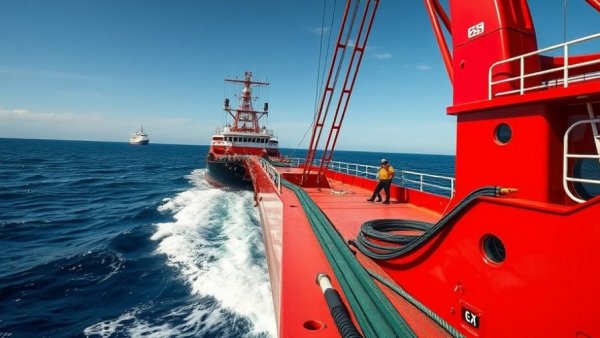
Bright red ship installing cables for Hornsea 3 Wind Farm.

Seaway7 Takes the Lead in Renewable Energy Innovation

In a significant stride towards a sustainable future, Seaway7 has announced the initiation of its cable installation operations at the Ørsted Hornsea 3 offshore wind farm in the North Sea. This effort forms part of a larger campaign to install an impressive 536 kilometers of inter-array cables that will create vital connections between the wind turbines and offshore converter stations. As the world increasingly turns its attention to renewable energy, projects like Hornsea 3 highlight not only advancements in technology but also the industry’s determination to meet global energy demands sustainably.

Paving the Way for Future Generations

Despite the noise around energy crises and fossil fuel dependence, offshore wind projects such as Hornsea 3 signal a ray of hope for future generations. The Hornsea 3 project is set to become the world's largest offshore wind farm upon completion, reinforcing the potential of wind energy as a key player in the transition from traditional energy sources. With our planet facing the pressing challenges of climate change, every inch of progress counts. Seaway7's ability to transport and install the challenging inter-array cables signifies a crucial step in harnessing renewable energy efficiently.

The Hornsea Impact on Local Economies

Projects like Hornsea 3 not only contribute to global energy solutions but also offer a tremendous boost to local economies. The £2.4 billion investment allocated for the Hornsea 3 project is set to create thousands of jobs in the UK, from skilled labor in cable installation to onshore support roles. This synergy between renewable energy and job creation underscores an essential connection: a transition to greener energy can foster economic growth. As the industry expands, so too will the opportunities for skilled workers and innovations.

Comparative Insights: Previous Hornsea Installations

This is not Seaway7's first foray into the Hornsea area. The company has previously installed cables for Hornsea 1 and Hornsea 2, totaling over 1,000 kilometers collectively. These previous successes provide a comprehensive learning curve for the latest project. Lessons gained from past projects ensure that Seaway7 can refine their techniques, optimize their performance, and continue contributing to a greener future. The company’s wealth of experience in the region enhances their capability to tackle challenges specific to the unique offshore environment, ultimately leading to more efficient energy solutions.

What’s Next? Future of Offshore Wind Projects

As Seaway7 embarks on this cable installation journey, the excitement doesn't just stop here. With the global demand for renewable energy sources only increasing, it’s worth pondering the implications this has for future wind projects. The success of Hornsea 3 could establish a framework for subsequent endeavors in offshore wind farms around the world. This project might spark a trend where innovative solutions emerge in cable installation and energy generation, paving the way for new technologies dedicated to cleaner energy. The future is indeed bright for offshore wind energy!

Conclusion: Why Should You Care?

Understanding the developments at Hornsea 3 isn't just for energy enthusiasts or environmentalist circles; it has broader implications for our planet's future. As we grapple with climate change and the shift to renewable energy, projects like these underscore the importance of innovation and collective action. The transition is already underway, and the future hinges on our commitment to change. Seaway7’s involvement is a reminder that sustainable progress is possible, and every effort matters.
Trending News

0 Comments

Write A Comment

*
*
Please complete the captcha to submit your comment.
Related Posts All Posts
11.12.2026

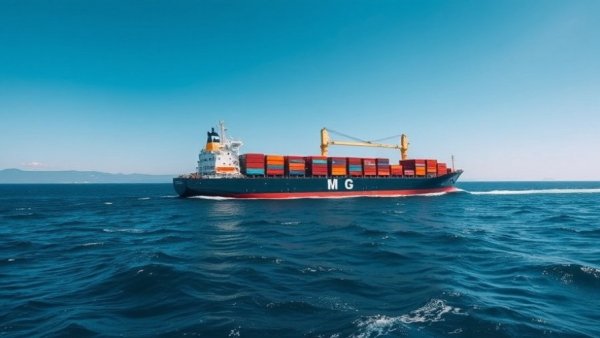
Explosions in the Strait of Hormuz: What They Mean for Global Oil Supply

Update Understanding the Geopolitical Tensions Behind Maritime IncidentsThe explosion of two oil supertankers in the Strait of Hormuz highlights the volatile intersection of global energy transportation and geopolitical strife. Over 20% of the world’s oil passes through this narrow waterway, making it a focal point for tensions between powerful nations. The region has historically been fraught with conflict, and this incident further emphasizes the precarious balance of international politics and energy needs.Warnings Ignored: The Unauthorised RouteIran's Revolutionary Guards Navy (IRGC) stated that the tankers did not heed warnings against using an "unauthorised route". This term might sound bureaucratic, but in many ways, it indicates a looming crisis. The usage of such routes can not only contribute to physical danger but also trigger international disputes, as seen in recent months amidst the US-Israeli tensions with Iran. The IRGC's warning comes in the wake of rising hostilities, making compliance with maritime regulations crucial for ships traversing the area.The Role of Naval Mines and Maritime SafetyBoth explosions were reportedly a result of hitting naval mines, showcasing the significant risk vessels face in these waters. The use of naval mines represents a method of asymmetric warfare, complicating maritime security. The UK Maritime Trade Operations agency (UKMTO) has recently issued alerts regarding the dangers in the area, suggesting a more proactive approach to tanker safety is desperately needed. Shipowners and operators may now need to invest in better navigational technology and more rigorous safety protocols to mitigate risks, showcasing how conflicts affect not just governments but the business of shipping as well.Historical Context: A Pattern of ConflictThis incident is not an isolated event. Reports exist of tankers being struck by projectiles throughout the ongoing conflicts that characterize the region. In the months leading up to these explosions, maritime incidents surged, underscoring the significant implications for global oil supply and energy prices. The frequency of these incidents signals an escalation of hostilities, and it raises concerns about the long-term viability of safe passage through the Strait of Hormuz. These developments point not only to immediate dangers but also to the potential for a broader, more sustained conflict in the region.Future Predictions: A Vulnerable Energy SupplyWith the geopolitical landscape in constant flux, one has to wonder about the future of energy transportation through the Strait. As tensions escalate, experts predict that shipping companies may alter their routes, leading to increased shipping costs and potential shortages in oil supply. This shift could trigger a domino effect across global markets, altering trade patterns and impacting nations dependent on oil imports. For countries that heavily rely on oil, the fallout from these incidents can mean higher prices at the pump, inflation, and overall economic instability. This would not only affect economies reliant on these energy sources but could also spur an uptick in alternate energy investments as governments and corporations look for safer options.What This Means for the Average ConsumerAs these international conflicts unfold, consumers should heed the potential ripple effects on energy prices. Increased tension can lead to instability in oil supplies, which translates to elevated gasoline prices at the pump. For the average consumer, this could mean tighter budgets as fuel prices rise, impacting daily commutes, travel plans, and even the cost of goods transported by fuel-dependent vehicles. It’s essential for everyday consumers to understand the complexities behind these geopolitical issues because they will inevitably impact their wallets.As we look to navigate the uncertain waters of global energy dynamics, being informed and proactive is more important than ever. Staying updated on maritime safety alerts can help consumers and businesses alike prepare for fluctuating energy costs. Moreover, advocating for international measures to enhance tanker security in conflict-prone areas can contribute to a more stable energy future. The more consumers engage with these issues, the better equipped they will be to navigate potential changes in the marketplace.In conclusion, the recent incidents in the Strait of Hormuz signify more than just isolated explosions; they highlight a complex interplay of maritime safety, geopolitical tensions, and economic ramifications that ripple throughout the globe. Understanding this interconnectedness allows for better preparation and awareness in a rapidly changing world.

11.11.2026

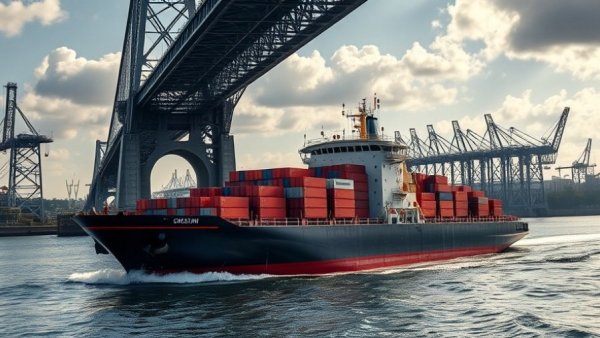
Why Shipowners Must Verify Air Draft to Prevent Dangerous Bridge Strikes

Update Understanding Air Draft: A Crucial Element for Safe Navigation The term air draft refers to the maximum height of a vessel above the waterline, which is critical when navigating beneath bridges or other overhead structures. Shipowners and operators must recognize that even minor modifications to a vessel can significantly impact its air draft. This recent alert from the U.S. Coast Guard (USCG) underlines the importance of verifying air draft measurements and maintaining updated technical documentation. Beyond the immediate danger of colliding with structures, accurate air draft verification is essential for maintaining the integrity and safety of the waterway environment. Historical Context: The Shift in Vessel Operations The maritime industry has seen a considerable evolution in vessel design due to advances in technology. While these innovations have improved efficiency and capabilities, they also introduce complexities in vessel profiles. Incidents like the one investigated by the USCG serve as reminders that adapting to these changes requires meticulous updates to operational protocols and safety measures. Properly managing air draft calculations is an integral part of voyage planning that cannot be neglected. Keeping abreast of technological updates ensures that ship operators can maintain safe passage and prevent accidents that could arise from outdated information. Real-World Implications: Exploring Air Draft Incidents The Coast Guard's recent case highlights a significant oversight: the failure of a vessel's crew to account for an installed MF/HF tiltable antenna. This antenna, protruding above the originally reported highest point, transformed a supposed safe passage into a perilous situation. Captains and crew must grasp how the nuances of a ship's specifications can affect overall safety. The stakes? Damage to infrastructure, costly repairs, and potential environmental consequences. In addition to physical damage to bridges or other structures, such incidents can lead to costly downtime for the vessel, affecting schedules and operational efficiency. Emphasizing Safety Management: Key Recommendations In light of these risks, the USCG has made several actionable recommendations. Vessel operators should implement comprehensive safety management systems that prioritize air-draft verification. This includes: Maintaining up-to-date vessel-specific drawings to reflect current configurations. Clearly identifying outdated documentation to avoid confusion. Establishing firm procedures for preparing movable equipment before transit. Requiring positive confirmation that all antennas and adjustable structures are lowered or secured before passage. The effective incorporation of these measures into daily operations can drastically mitigate the risks of bridge strikes and other incidents. By fostering a culture of safety and transparency, vessel operators can create an environment where crew members feel empowered to speak up about concerns regarding air draft and other safety issues. Looking Ahead: Future Trends in Vessel Navigation Safety With an ever-evolving maritime environment, the need for robust safety practices will only grow stronger. As regulations around navigation safety continue to tighten, vessel operators must stay ahead by adopting innovative technologies for monitoring air drafts and obstacle clearance. Adoption of automated systems could facilitate real-time adjustments to air draft calculations, enhancing safety and efficiency. Furthermore, mobile applications and cloud-based platforms can aid crews in having immediate access to the latest information, improving situational awareness before critical transit decisions are made. Community Response: The Maritime Industry's Call to Action The maritime community plays a crucial role in enhancing navigational safety. As incidents continue to shed light on air draft issues, it is imperative for shipowners, operators, and crews to unite under shared safety objectives. Engaging in discussions about safety practices, sharing experiences, and developing a cooperative marine safety culture can lead to collective improvements across the industry. For your own safety and the integrity of our waterways, ensure you're equipped with up-to-date knowledge and practices. Involvement in workshops and safety seminars can also provide valuable awareness and skills needed to tackle potential air draft challenges. As the Coast Guard encourages these proactive measures, stakeholders should take the message to heart: verifying air draft isn't just a good practice—it's essential for safe navigation and operational success. Embracing air draft verification as a routine part of vessel operations will help pave the way for safer seas and more reliable maritime journeys for everyone involved.

11.10.2026

ADNOC Drilling's Strategic Move: Two Offshore Rig Contracts in Kuwait

Update The Groundbreaking Contracts for ADNOC Drilling ADNOC Drilling Company PJSC has made waves in the industry by securing two significant contracts for the provision and operation of high-specification offshore jack-up rigs for the Kuwait Oil Company (KOC). This bold move not only marks ADNOC's entry into offshore operations in Kuwait but also underscores its strategic growth ambitions in the region. The total value of these contracts amounts to a staggering USD $313.6 million, a figure that showcases both the scale and complexity of what is set to unfold in the coming years. Such contracts are vital in positioning ADNOC as a formidable player in the competitive energy landscape. Understanding the Scope of Operations The contracts awarded under Tender No. RFP-2151011 come with a firm operational term of four years, with an optional one-year extension. Plans are already in motion for operations to commence late in Q4 of 2027, setting the stage for what could be a transformative chapter for ADNOC Drilling. This expansion is a clear recognition of the lucrative offshore market in Kuwait, which has proven to be rich in resources. Additionally, it presents a dual opportunity for operational growth and enhanced partnership engagements, reaffirming ADNOC’s commitment to innovation and contribution to the local economy. A New Era for ADNOC in Offshore Operations With these contracts, ADNOC Drilling is poised to leverage its extensive experience in offshore operations. This move aligns seamlessly with the 'Drill-to-Operate' strategy, aimed at accessing new customer bases and revenue streams. Research from industry analysts suggests that a successful venture in Kuwait could yield long-term growth, further solidifying ADNOC’s position as a key player in the regional energy sector. The projects will likely utilize advanced technology and skilled labor, fostering local job creation and knowledge transfer in the Kuwaiti oil sector, which is beneficial for the nation’s broader economic goals. The Bigger Picture: Regional Expansion and Future Trends As we look towards the future, the implications of ADNOC Drilling's expansion are profound. The operations expected to start in 2027 are vital when viewed against the backdrop of a global energy landscape that is shifting ever more towards renewable and offshore-based resources. Experts predict an upsurge in partnerships as companies seek to navigate the complexities of energy transitions while meeting increasing demand. ADNOC’s entry into the Kuwaiti market could serve as a catalyst for similar investments across the Middle East, potentially attracting attention from global energy stakeholders. This could pave the way for collaborative efforts in sustainability and environmental stewardship in oil and gas sectors. Potential Challenges and Opportunities Ahead Despite the promising outlook, several challenges remain. The geopolitical landscape in the region, coupled with fluctuating oil prices and the inherent risks of offshore drilling, demands that ADNOC approaches this expansion with a balanced strategy. Analysts highlight that while there are risks, success in Kuwait could act as a trailblazer for ADNOC's future projects across international waters. In this context, risk management strategies and comprehensive assessments of the local market conditions will be crucial to navigate potential hurdles effectively. Conclusion: A Strategic Move for ADNOC Drilling As ADNOC Drilling gears up for its inaugural offshore venture in Kuwait, the energy sector watches closely. The decisions made today will resonate through the industry for years to come, setting crucial precedents. With a focus on maximizing operational efficiency and fostering strategic partnerships, ADNOC is not just dipping its toes into the offshore market; it is strategically setting the stage for what could define future leaders in the energy sector. The journey of ADNOC Drilling in Kuwait is just beginning—stay tuned for updates as this compelling story unfolds. The eyes of the world will surely be on how the company harnesses this exciting opportunity, ensuring a sustainable and prosperous future for the region’s energy ambitions.

Gulf Coast Tech

Moss Point Gulf Coast Tech, your premier destination for the latest tech news and innovations shaping the Gulf Coast and beyond.

228 355 0244

AVAILABLE FROM 10AM - 9PM

Pascagoula, Mississippi

3414 Shortcut Rd.
Pascagoula, MS 39581 USA

ABOUT US

Gulf Coast Tech delivers the latest tech news and innovations to the Gulf Coast audience every day.

© 2026 JimBroad Media All Rights Reserved. 3414 Shortcut Rd, Pascagoula, MS 39581 . Contact Us . Terms of Service . Privacy Policy

eyJjb21wYW55IjoiSmltQnJvYWQgTWVkaWEiLCJhZGRyZXNzIjoiMzQxNCBTaG9ydGN1dCBSZCwgUGFzY2Fnb3VsYSwgTVMgMzk1ODEiLCJjaXR5IjoiUGFzY2Fnb3VsYSIsInN0YXRlIjoiTVMiLCJ6aXAiOiIzOTU4MSIsImVtYWlsIjoiamltQHJicHRlYW0uY29tIiwidG9zIjoiUEhBK1BITjBjbTl1Wno0OFpXMCtWMmhsYmlCNWIzVWdjMmxuYmkxcGJpQjNhWFJvSUhWekxDQjViM1VnWVhKbElHZHBkbWx1WnladVluTndPeUI1YjNWeUlIQmxjbTFwYzNOcGIyNGdZVzVrSUdOdmJuTmxiblFnZEc4Z2MyVnVaQ0I1YjNVZ1pXMWhhV3dnWVc1a0wyOXlJRk5OVXlCMFpYaDBJRzFsYzNOaFoyVnpMaUJDZVNCamFHVmphMmx1WnlCMGFHVWdWR1Z5YlhNZ1lXNWtJRU52Ym1ScGRHbHZibk1nWW05NElHRnVaQ0JpZVNCemFXZHVhVzVuSUdsdUlIbHZkU0JoZFhSdmJXRjBhV05oYkd4NUlHTnZibVpwY20wZ2RHaGhkQ0I1YjNVZ1lXTmpaWEIwSUdGc2JDQjBaWEp0Y3lCcGJpQjBhR2x6SUdGbmNtVmxiV1Z1ZEM0OEwyVnRQand2YzNSeWIyNW5Qand2Y0Q0S0NqeHdQanhoSUdoeVpXWTlJbWgwZEhBNkx5OTNkM2N1WjI5dloyeGxMbU52YlNJK2FIUjBjRG92TDNkM2R5NW5iMjluYkdVdVkyOXRQQzloUGp3dmNENEtDanh3UGladVluTndPend2Y0Q0S0NqeHdQanh6ZEhKdmJtYytVMFZTVmtsRFJUd3ZjM1J5YjI1blBqd3ZjRDRLQ2p4d1BsZGxJSEJ5YjNacFpHVWdZU0J6WlhKMmFXTmxJSFJvWVhRZ1kzVnljbVZ1ZEd4NUlHRnNiRzkzY3lCNWIzVWdkRzhnY21WalpXbDJaU0J5WlhGMVpYTjBjeUJtYjNJZ1ptVmxaR0poWTJzc0lHTnZiWEJoYm5rZ2FXNW1iM0p0WVhScGIyNHNJSEJ5YjIxdmRHbHZibUZzSUdsdVptOXliV0YwYVc5dUxDQmpiMjF3WVc1NUlHRnNaWEowY3l3Z1kyOTFjRzl1Y3l3Z1pHbHpZMjkxYm5SeklHRnVaQ0J2ZEdobGNpQnViM1JwWm1sallYUnBiMjV6SUhSdklIbHZkWElnWlcxaGFXd2dZV1JrY21WemN5QmhibVF2YjNJZ1kyVnNiSFZzWVhJZ2NHaHZibVVnYjNJZ1pHVjJhV05sTGlCWmIzVWdkVzVrWlhKemRHRnVaQ0JoYm1RZ1lXZHlaV1VnZEdoaGRDQjBhR1VnVTJWeWRtbGpaU0JwY3lCd2NtOTJhV1JsWkNBbWNYVnZkRHRCVXkxSlV5WnhkVzkwT3lCaGJtUWdkR2hoZENCM1pTQmhjM04xYldVZ2JtOGdjbVZ6Y0c5dWMybGlhV3hwZEhrZ1ptOXlJSFJvWlNCMGFXMWxiR2x1WlhOekxDQmtaV3hsZEdsdmJpd2diV2x6TFdSbGJHbDJaWEo1SUc5eUlHWmhhV3gxY21VZ2RHOGdjM1J2Y21VZ1lXNTVJSFZ6WlhJZ1kyOXRiWFZ1YVdOaGRHbHZibk1nYjNJZ2NHVnljMjl1WVd4cGVtRjBhVzl1SUhObGRIUnBibWR6TGp3dmNENEtDanh3UGxsdmRTQmhjbVVnY21WemNHOXVjMmxpYkdVZ1ptOXlJRzlpZEdGcGJtbHVaeUJoWTJObGMzTWdkRzhnZEdobElGTmxjblpwWTJVZ1lXNWtJSFJvWVhRZ1lXTmpaWE56SUcxaGVTQnBiblp2YkhabElIUm9hWEprSUhCaGNuUjVJR1psWlhNZ0tITjFZMmdnWVhNZ1UwMVRJSFJsZUhRZ2JXVnpjMkZuWlhNc0lFbHVkR1Z5Ym1WMElITmxjblpwWTJVZ2NISnZkbWxrWlhJZ2IzSWdZMlZzYkhWc1lYSWdZV2x5ZEdsdFpTQmphR0Z5WjJWektTNGdXVzkxSUdGeVpTQnlaWE53YjI1emFXSnNaU0JtYjNJZ2RHaHZjMlVnWm1WbGN5d2dhVzVqYkhWa2FXNW5JSFJvYjNObElHWmxaWE1nWVhOemIyTnBZWFJsWkNCM2FYUm9JSFJvWlNCa2FYTndiR0Y1SUc5eUlHUmxiR2wyWlhKNUlHOW1JR1ZoWTJnZ1UwMVRJSFJsZUhRZ2JXVnpjMkZuWlNCelpXNTBJSFJ2SUhsdmRTQmllU0IxY3k0Z1NXNGdZV1JrYVhScGIyNHNJSGx2ZFNCdGRYTjBJSEJ5YjNacFpHVWdZVzVrSUdGeVpTQnlaWE53YjI1emFXSnNaU0JtYjNJZ1lXeHNJR1Z4ZFdsd2JXVnVkQ0J1WldObGMzTmhjbmtnZEc4Z1lXTmpaWE56SUhSb1pTQlRaWEoyYVdObElHRnVaQ0J5WldObGFYWmxJSFJvWlNCVFRWTWdkR1Y0ZENCdFpYTnpZV2RsY3k0Z1YyVWdaRzhnYm05MElHTm9ZWEpuWlNCaGJua2dabVZsY3lCbWIzSWdaR1ZzYVhabGNua2diMllnWlcxaGFXd2diM0lnVTAxVExpQlVhR2x6SUdseklHRWdabkpsWlNCelpYSjJhV05sSUhCeWIzWnBaR1ZrSUdKNUlIVnpMaUJJYjNkbGRtVnlMQ0J3YkdWaGMyVWdZMmhsWTJzZ2QybDBhQ0I1YjNWeUlHbHVkR1Z5Ym1WMElITmxjblpwWTJVZ2NISnZkbWxrWlhJZ1lXNWtJR05sYkd4MWJHRnlJR05oY25KcFpYSWdabTl5SUdGdWVTQmphR0Z5WjJWeklIUm9ZWFFnYldGNUlHbHVZM1Z5SUdGeklHRWdjbVZ6ZFd4MElHWnliMjBnY21WalpXbDJhVzVuSUdWdFlXbHNJR0Z1WkNCVFRWTWdkR1Y0ZENCdFpYTnpZV2RsY3lCMGFHRjBJSGRsSUdSbGJHbDJaWElnZFhCdmJpQjViM1Z5SUc5d2RDMXBiaUJoYm1RZ2NtVm5hWE4wY21GMGFXOXVJSGRwZEdnZ2IzVnlJR1Z0WVdsc0lHRnVaQ0JUVFZNZ2MyVnlkbWxqWlhNdUlGbHZkU0JqWVc0Z1kyRnVZMlZzSUdGMElHRnVlU0IwYVcxbExpQktkWE4wSUhSbGVIUWdKbkYxYjNRN1UxUlBVQ1p4ZFc5ME95QjBieVp1WW5Od096eG9hV2RvYkdsbmFIUWdZMnhoYzNNOUltTnZiWEJoYm5sVFRWTlFhRzl1WlZWd1pHRjBaU0krYm5Wc2JEd3ZhR2xuYUd4cFoyaDBQaTRnUVdaMFpYSWdlVzkxSUhObGJtUWdkR2hsSUZOTlV5QnRaWE56WVdkbElDWnhkVzkwTzFOVVQxQW1jWFZ2ZERzZ2RHOGdkWE1zSUhkbElIZHBiR3dnYzJWdVpDQjViM1VnWVc0Z1UwMVRJRzFsYzNOaFoyVWdkRzhnWTI5dVptbHliU0IwYUdGMElIbHZkU0JvWVhabElHSmxaVzRnZFc1emRXSnpZM0pwWW1Wa0xpQkJablJsY2lCMGFHbHpMQ0I1YjNVZ2QybHNiQ0J1YnlCc2IyNW5aWElnY21WalpXbDJaU0JUVFZNZ2JXVnpjMkZuWlhNZ1puSnZiU0IxY3k0OEwzQStDZ284Y0Q0OGMzUnliMjVuUGxsUFZWSWdVa1ZIU1ZOVVVrRlVTVTlPSUU5Q1RFbEhRVlJKVDA1VFBDOXpkSEp2Ym1jK1BDOXdQZ29LUEhBK1NXNGdZMjl1YzJsa1pYSmhkR2x2YmlCdlppQjViM1Z5SUhWelpTQnZaaUIwYUdVZ1UyVnlkbWxqWlN3Z2VXOTFJR0ZuY21WbElIUnZPand2Y0Q0S0NqeHZiRDRLQ1R4c2FUNXdjbTkyYVdSbElIUnlkV1VzSUdGalkzVnlZWFJsTENCamRYSnlaVzUwSUdGdVpDQmpiMjF3YkdWMFpTQnBibVp2Y20xaGRHbHZiaUJoWW05MWRDQjViM1Z5YzJWc1ppQmhjeUJ3Y205dGNIUmxaQ0JpZVNCMGFHVWdVMlZ5ZG1salpTWWpNems3Y3lCeVpXZHBjM1J5WVhScGIyNGdabTl5YlNBb2MzVmphQ0JwYm1admNtMWhkR2x2YmlCaVpXbHVaeUIwYUdVZ0puRjFiM1E3VW1WbmFYTjBjbUYwYVc5dUlFUmhkR0VtY1hWdmREc3BJR0Z1WkR3dmJHaytDZ2s4YkdrK2JXRnBiblJoYVc0Z1lXNWtJSEJ5YjIxd2RHeDVJSFZ3WkdGMFpTQjBhR1VnVW1WbmFYTjBjbUYwYVc5dUlFUmhkR0VnZEc4Z2EyVmxjQ0JwZENCMGNuVmxMQ0JoWTJOMWNtRjBaU3dnWTNWeWNtVnVkQ0JoYm1RZ1kyOXRjR3hsZEdVdUlFbG1JSGx2ZFNCd2NtOTJhV1JsSUdGdWVTQnBibVp2Y20xaGRHbHZiaUIwYUdGMElHbHpJSFZ1ZEhKMVpTd2dhVzVoWTJOMWNtRjBaU3dnYm05MElHTjFjbkpsYm5RZ2IzSWdhVzVqYjIxd2JHVjBaU3dnYjNJZ2QyVWdhR0YyWlNCeVpXRnpiMjVoWW14bElHZHliM1Z1WkhNZ2RHOGdjM1Z6Y0dWamRDQjBhR0YwSUhOMVkyZ2dhVzVtYjNKdFlYUnBiMjRnYVhNZ2RXNTBjblZsTENCcGJtRmpZM1Z5WVhSbExDQnViM1FnWTNWeWNtVnVkQ0J2Y2lCcGJtTnZiWEJzWlhSbExDQjNaU0JvWVhabElIUm9aU0J5YVdkb2RDQjBieUJ6ZFhOd1pXNWtJRzl5SUR4emRISnZibWMrUEhOd1lXNGdjM1I1YkdVOUltTnZiRzl5T2lOR1JqQXdNREE3SWo1MFpYSnRhVzVoZEdVZ2VXOTFjaUJoWTJOdmRXNTBMM0J5YjJacGJHVWdZVzVrSUhKbFpuVnpaU0JoYm5rZ1lXNWtJR0ZzYkNCamRYSnlaVzUwSUc5eUlHWjFkSFZ5WlNCMWMyVWdiMllnZEdobElGTmxjblpwWTJVZ0tHOXlJR0Z1ZVNCd2IzSjBhVzl1SUhSb1pYSmxiMllwTGp3dmMzQmhiajQ4TDNOMGNtOXVaejQ4TDJ4cFBnbzhMMjlzUGdvS1BIQStKbTVpYzNBN1BDOXdQZ284YUdsbmFHeHBaMmgwSUdOc1lYTnpQU0pqYjIxd1lXNTVUbUZ0WlZWd1pHRjBaU0krU21sdFFuSnZZV1FnVFdWa2FXRThMMmhwWjJoc2FXZG9kRDQ4WW5JZ0x6NEtQR2hwWjJoc2FXZG9kQ0JqYkdGemN6MGlZMjl0Y0dGdWVVRmtaSEpsYzNOVmNHUmhkR1VpUGpNME1UUWdVMmh2Y25SamRYUWdVbVFzSUZCaGMyTmhaMjkxYkdFc0lFMVRJRE01TlRneFBDOW9hV2RvYkdsbmFIUStQR0p5SUM4K0NqeG9hV2RvYkdsbmFIUWdZMnhoYzNNOUltTnZiWEJoYm5sUWFHOXVaVlZ3WkdGMFpTSStLekVnS3pFeU1qZ3pOVFV3TWpRMFBDOW9hV2RvYkdsbmFIUStQR0p5SUM4K0NqeG9hV2RvYkdsbmFIUWdZMnhoYzNNOUltTnZiWEJoYm5sRmJXRnBiRlZ3WkdGMFpTSSthbWx0UUhKaWNIUmxZVzB1WTI5dFBDOW9hV2RvYkdsbmFIUSsiLCJwcml2YWN5IjoiUEhBK1BITjBjbTl1Wno1UVVrbFdRVU5aUEM5emRISnZibWMrUEM5d1Bnb0tQSEErUEhOMGNtOXVaejVVYUdVZ2FXNW1iM0p0WVhScGIyNGdjSEp2ZG1sa1pXUWdaSFZ5YVc1bklIUm9hWE1nY21WbmFYTjBjbUYwYVc5dUlHbHpJR3RsY0hRZ2NISnBkbUYwWlNCaGJtUWdZMjl1Wm1sa1pXNTBhV0ZzTENCaGJtUWdkMmxzYkNCdVpYWmxjaUJpWlNCa2FYTjBjbWxpZFhSbFpDd2dZMjl3YVdWa0xDQnpiMnhrTENCMGNtRmtaV1FnYjNJZ2NHOXpkR1ZrSUdsdUlHRnVlU0IzWVhrc0lITm9ZWEJsSUc5eUlHWnZjbTB1SUZSb2FYTWdhWE1nYjNWeUlHZDFZWEpoYm5SbFpTNDhMM04wY205dVp6NDhMM0ErQ2dvOGNENDhjM1J5YjI1blBrbE9SRVZOVGtsVVdUd3ZjM1J5YjI1blBqd3ZjRDRLQ2p4d1BqeGxiVDVaYjNVZ1lXZHlaV1VnZEc4Z2FXNWtaVzF1YVdaNUlHRnVaQ0JvYjJ4a0lIVnpMQ0JoYm1RZ2FYUnpJSE4xWW5OcFpHbGhjbWxsY3l3Z1lXWm1hV3hwWVhSbGN5d2diMlptYVdObGNuTXNJR0ZuWlc1MGN5d2dZMjh0WW5KaGJtUmxjbk1nYjNJZ2IzUm9aWElnY0dGeWRHNWxjbk1zSUdGdVpDQmxiWEJzYjNsbFpYTXNJR2hoY20xc1pYTnpJR1p5YjIwZ1lXNTVJR05zWVdsdElHOXlJR1JsYldGdVpDd2dhVzVqYkhWa2FXNW5JSEpsWVhOdmJtRmliR1VnWVhSMGIzSnVaWGx6SmlNek9Uc2dabVZsY3l3Z2JXRmtaU0JpZVNCaGJua2dkR2hwY21RZ2NHRnlkSGtnWkhWbElIUnZJRzl5SUdGeWFYTnBibWNnYjNWMElHOW1JRU52Ym5SbGJuUWdlVzkxSUhKbFkyVnBkbVVzSUhOMVltMXBkQ3dnY21Wd2JIa3NJSEJ2YzNRc0lIUnlZVzV6YldsMElHOXlJRzFoYTJVZ1lYWmhhV3hoWW14bElIUm9jbTkxWjJnZ2RHaGxJRk5sY25acFkyVXNJSGx2ZFhJZ2RYTmxJRzltSUhSb1pTQlRaWEoyYVdObExDQjViM1Z5SUdOdmJtNWxZM1JwYjI0Z2RHOGdkR2hsSUZObGNuWnBZMlVzSUhsdmRYSWdkbWx2YkdGMGFXOXVJRzltSUhSb1pTQlVUMU1zSUc5eUlIbHZkWElnZG1sdmJHRjBhVzl1SUc5bUlHRnVlU0J5YVdkb2RITWdiMllnWVc1dmRHaGxjaTQ4TDJWdFBqd3ZjRDRLQ2p4d1BqeHpkSEp2Ym1jK1JFbFRRMHhCU1UxRlVpQlBSaUJYUVZKU1FVNVVTVVZUUEM5emRISnZibWMrUEM5d1Bnb0tQSEErUEhOMGNtOXVaejVaVDFVZ1JWaFFVa1ZUVTB4WklGVk9SRVZTVTFSQlRrUWdRVTVFSUVGSFVrVkZJRlJJUVZRNlBDOXpkSEp2Ym1jK1BDOXdQZ29LUEc5c1Bnb0pQR3hwUGxsUFZWSWdWVk5GSUU5R0lGUklSU0JUUlZKV1NVTkZJRWxUSUVGVUlGbFBWVklnVTA5TVJTQlNTVk5MTGlCVVNFVWdVMFZTVmtsRFJTQkpVeUJRVWs5V1NVUkZSQ0JQVGlCQlRpQW1jWFZ2ZER0QlV5QkpVeVp4ZFc5ME95QkJUa1FnSm5GMWIzUTdRVk1nUVZaQlNVeEJRa3hGSm5GMWIzUTdJRUpCVTBsVExpQXNMaUJCVGtRZ1ZWTXNJRWxVSmlNek9UdFRJRU5WVTFSUFRVVlNVeXdnUlZoUVVrVlRVMHhaSUVSSlUwTk1RVWxOVXlCQlRFd2dWMEZTVWtGT1ZFbEZVeUJQUmlCQlRsa2dTMGxPUkN3Z1YwaEZWRWhGVWlCRldGQlNSVk5USUU5U0lFbE5VRXhKUlVRc0lFbE9RMHhWUkVsT1J5d2dRbFZVSUU1UFZDQk1TVTFKVkVWRUlGUlBJRlJJUlNCSlRWQk1TVVZFSUZkQlVsSkJUbFJKUlZNZ1QwWWdUVVZTUTBoQlRsUkJRa2xNU1ZSWkxDQkdTVlJPUlZOVElFWlBVaUJCSUZCQlVsUkpRMVZNUVZJZ1VGVlNVRTlUUlNCQlRrUWdUazlPTFVsT1JsSkpUa2RGVFVWT1ZDNDhMMnhwUGdvSlBHeHBQazFCUzBWVElFNVBJRmRCVWxKQlRsUlpJRlJJUVZRZ0tHa3BJRlJJUlNCVFJWSldTVU5GSUZkSlRFd2dUVVZGVkNCWlQxVlNJRkpGVVZWSlVrVk5SVTVVVXl3Z0tHbHBLU0JVU0VVZ1UwVlNWa2xEUlNCWFNVeE1JRUpGSUZWT1NVNVVSVkpTVlZCVVJVUXNJRlJKVFVWTVdTd2dVMFZEVlZKRkxDQlBVaUJGVWxKUFVpMUdVa1ZGTENBb2FXbHBLU0JVU0VVZ1VrVlRWVXhVVXlCVVNFRlVJRTFCV1NCQ1JTQlBRbFJCU1U1RlJDQkdVazlOSUZSSVJTQlZVMFVnVDBZZ1ZFaEZJRk5GVWxaSlEwVWdWMGxNVENCQ1JTQkJRME5WVWtGVVJTQlBVaUJTUlV4SlFVSk1SU3dnUVU1RUlDaHBkaWtnUVU1WklFVlNVazlTVXlCSlRpQlVTRVVnVTA5R1ZGZEJVa1VnVjBsTVRDQkNSU0JEVDFKU1JVTlVSVVF1UEM5c2FUNEtDVHhzYVQ1QlRsa2dUVUZVUlZKSlFVd2dSRTlYVGt4UFFVUkZSQ0JQVWlCUFZFaEZVbGRKVTBVZ1QwSlVRVWxPUlVRZ1ZFaFNUMVZIU0NCVVNFVWdWVk5GSUU5R0lGUklSU0JUUlZKV1NVTkZJRWxUSUVSUFRrVWdRVlFnV1U5VlVpQlBWMDRnUkVsVFExSkZWRWxQVGlCQlRrUWdVa2xUU3lCQlRrUWdWRWhCVkNCWlQxVWdWMGxNVENCQ1JTQlRUMHhGVEZrZ1VrVlRVRTlPVTBsQ1RFVWdSazlTSUVGT1dTQkVRVTFCUjBVZ1ZFOGdXVTlWVWlCRFQwMVFWVlJGVWlCVFdWTlVSVTBnVDFJZ1RFOVRVeUJQUmlCRVFWUkJJRlJJUVZRZ1VrVlRWVXhVVXlCR1VrOU5JRlJJUlNCRVQxZE9URTlCUkNCUFJpQkJUbGtnVTFWRFNDQk5RVlJGVWtsQlRDNDhMMnhwUGdvSlBHeHBQazVQSUVGRVZrbERSU0JQVWlCSlRrWlBVazFCVkVsUFRpd2dWMGhGVkVoRlVpQlBVa0ZNSUU5U0lGZFNTVlJVUlU0c0lFOUNWRUZKVGtWRUlFSlpJRmxQVlNCR1VrOU5JRTlTSUZSSVVrOVZSMGdnVDFJZ1JsSlBUU0JVU0VVZ1UwVlNWa2xEUlNCVFNFRk1UQ0JEVWtWQlZFVWdRVTVaSUZkQlVsSkJUbFJaSUU1UFZDQkZXRkJTUlZOVFRGa2dVMVJCVkVWRUlFbE9JRlJJUlNCVVQxTXVQQzlzYVQ0S1BDOXZiRDRLQ2p4d1BqeHpkSEp2Ym1jK1RFbE5TVlJCVkVsUFRpQlBSaUJNU1VGQ1NVeEpWRms4TDNOMGNtOXVaejQ4TDNBK0NnbzhjRDVaVDFVZ1JWaFFVa1ZUVTB4WklGVk9SRVZTVTFSQlRrUWdRVTVFSUVGSFVrVkZJRlJJUVZRZ1FVNUVJRk5JUVV4TUlFNVBWQ0JDUlNCTVNVRkNURVVnUms5U0lFRk9XU0JFU1ZKRlExUXNJRWxPUkVsU1JVTlVMQ0JKVGtOSlJFVk9WRUZNTENCVFVFVkRTVUZNTENCRFQwNVRSVkZWUlU1VVNVRk1JRTlTSUVWWVJVMVFURUZTV1NCRVFVMUJSMFZUTENCSlRrTk1WVVJKVGtjZ1FsVlVJRTVQVkNCTVNVMUpWRVZFSUZSUExDQkVRVTFCUjBWVElFWlBVaUJNVDFOVElFOUdJRkJTVDBaSlZGTXNJRWRQVDBSWFNVeE1MQ0JWVTBVc0lFUkJWRUVnVDFJZ1QxUklSVklnU1U1VVFVNUhTVUpNUlNCTVQxTlRSVk1nS0VWV1JVNGdTVVlnU0VGVElFSkZSVTRnUVVSV1NWTkZSQ0JQUmlCVVNFVWdVRTlUVTBsQ1NVeEpWRmtnVDBZZ1UxVkRTQ0JFUVUxQlIwVlRLU3dnVWtWVFZVeFVTVTVISUVaU1QwMDZQQzl3UGdvS1BHOXNQZ29KUEd4cFBsUklSU0JWVTBVZ1QxSWdWRWhGSUVsT1FVSkpURWxVV1NCVVR5QlZVMFVnVkVoRklGTkZVbFpKUTBVN1BDOXNhVDRLQ1R4c2FUNVVTRVVnUTA5VFZDQlBSaUJRVWs5RFZWSkZUVVZPVkNCUFJpQlRWVUpUVkVsVVZWUkZJRWRQVDBSVElFRk9SQ0JUUlZKV1NVTkZVeUJTUlZOVlRGUkpUa2NnUmxKUFRTQkJUbGtnUjA5UFJGTXNJRVJCVkVFc0lFbE9SazlTVFVGVVNVOU9JRTlTSUZORlVsWkpRMFZUSUZCVlVrTklRVk5GUkNCUFVpQlBRbFJCU1U1RlJDQlBVaUJOUlZOVFFVZEZVeUJTUlVORlNWWkZSQ0JQVWlCVVVrRk9VMEZEVkVsUFRsTWdSVTVVUlZKRlJDQkpUbFJQSUZSSVVrOVZSMGdnVDFJZ1JsSlBUU0JVU0VVZ1UwVlNWa2xEUlRzOEwyeHBQZ29KUEd4cFBsVk9RVlZVU0U5U1NWcEZSQ0JCUTBORlUxTWdWRThnVDFJZ1FVeFVSVkpCVkVsUFRpQlBSaUJaVDFWU0lGUlNRVTVUVFVsVFUwbFBUbE1nVDFJZ1JFRlVRVHM4TDJ4cFBnb0pQR3hwUGxOVVFWUkZUVVZPVkZNZ1QxSWdRMDlPUkZWRFZDQlBSaUJCVGxrZ1ZFaEpVa1FnVUVGU1ZGa2dUMDRnVkVoRklGTkZVbFpKUTBVN0lFOVNQQzlzYVQ0S0NUeHNhVDVCVGxrZ1QxUklSVklnVFVGVVZFVlNJRkpGVEVGVVNVNUhJRlJQSUZSSVJTQlRSVkpXU1VORkxqd3ZiR2srQ2p3dmIydytDZ284Y0Q0OGRUNUNlU0J5WldkcGMzUmxjbWx1WnlCaGJtUWdjM1ZpYzJOeWFXSnBibWNnZEc4Z2IzVnlJR1Z0WVdsc0lHRnVaQ0JUVFZNZ2MyVnlkbWxqWlN3Z1lua2diM0IwTFdsdUxDQnZibXhwYm1VZ2NtVm5hWE4wY21GMGFXOXVJRzl5SUdKNUlHWnBiR3hwYm1jZ2IzVjBJR0VnWTJGeVpDd2dKbkYxYjNRN2VXOTFJR0ZuY21WbElIUnZJSFJvWlhObElGUkZVazFUSUU5R0lGTkZVbFpKUTBVbWNYVnZkRHNnWVc1a0lIbHZkU0JoWTJ0dWIzZHNaV1JuWlNCaGJtUWdkVzVrWlhKemRHRnVaQ0IwYUdVZ1lXSnZkbVVnZEdWeWJYTWdiMllnYzJWeWRtbGpaU0J2ZFhSc2FXNWxaQ0JoYm1RZ1pHVjBZV2xzWldRZ1ptOXlJSGx2ZFNCMGIyUmhlUzQ4TDNVK1BDOXdQZ29LUEhBK0ptNWljM0E3UEM5d1BnbzhhR2xuYUd4cFoyaDBJR05zWVhOelBTSmpiMjF3WVc1NVRtRnRaVlZ3WkdGMFpTSStTbWx0UW5KdllXUWdUV1ZrYVdFOEwyaHBaMmhzYVdkb2RENDhZbklnTHo0S1BHaHBaMmhzYVdkb2RDQmpiR0Z6Y3owaVkyOXRjR0Z1ZVVGa1pISmxjM05WY0dSaGRHVWlQak0wTVRRZ1UyaHZjblJqZFhRZ1VtUXNJRkJoYzJOaFoyOTFiR0VzSUUxVElETTVOVGd4UEM5b2FXZG9iR2xuYUhRK1BHSnlJQzgrQ2p4b2FXZG9iR2xuYUhRZ1kyeGhjM005SW1OdmJYQmhibmxRYUc5dVpWVndaR0YwWlNJK0t6RWdLekV5TWpnek5UVXdNalEwUEM5b2FXZG9iR2xuYUhRK1BHSnlJQzgrQ2p4b2FXZG9iR2xuYUhRZ1kyeGhjM005SW1OdmJYQmhibmxGYldGcGJGVndaR0YwWlNJK2FtbHRRSEppY0hSbFlXMHVZMjl0UEM5b2FXZG9iR2xuYUhRKyJ9

Terms of Service

Privacy Policy

Core Modal Title

Sorry, no results found

You Might Find These Articles Interesting

T
Please Check Your Email
We Will Be Following Up Shortly
*
*
*