

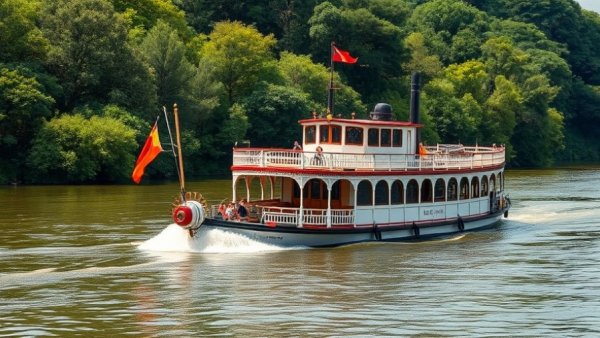
Collision on the Mississippi: Unfolding Rescue Operations
On November 13, 2026, a significant maritime incident occurred in New Orleans when a tanker collided with a cruise ship docked on the Mississippi River. Reports indicate that the cruise ship, American Heritage, was struck by the tanker Atlantic Asphalt around 12:30 p.m. local time. This incident not only surprised locals but also raised concerns among maritime experts and authorities regarding safety measures in busy waterways.
The incident sparked urgent rescue operations as multiple passengers were reported in the water. Secretary of the Department of Homeland Security, Markwayne Mullin, emphasized the commitment to rescuing the missing individuals, stating via social media, "we are throwing every asset we have to helping rescue missing passengers." Meanwhile, the local mayor’s office confirmed that some individuals had already been rescued. These swift actions reflect the coordinated efforts of local, state, and federal agencies in times of crisis, highlighting the layers of support available in emergency situations.
Impact on Local Shipping and River Traffic
The U.S. Coast Guard swiftly responded to the scene, indicating that all river traffic was halted in the vicinity of the collision. This decision is crucial not only for the immediate safety of ongoing rescue efforts but also reflects the potential long-term impact on commercial shipping and navigation in this vital waterway. The Mississippi River serves as an essential trade route, and disruptions to its usual flow can have a ripple effect on the economy, affecting everything from freight transport to tourism.
The collision draws attention to how unpredictable maritime operations can be, especially in busy rivers like the Mississippi. Ships, such as the American Heritage cruise ship, which can host up to 150 passengers, are an essential part of the tourism industry. New Orleans, known for its vibrant culture and historical significance, relies heavily on river cruises to attract visitors. The potential for accidents like this not only threatens human life but also the economic vitality of the region.
The Human Element: Rescues Amidst a Crisis
As of the latest reports, approximately 14 passengers have been rescued, but concerns remain unaddressed regarding the fate and safety of others who may still be missing. The cruise line has stated it is coordinating closely with the Coast Guard and local authorities, underlining the human aspect of this incident. Efforts are not only focused on the immediate recovery of passengers but also on providing support and assistance to their families during this difficult time.
While reports initially indicated no fatalities, the search-and-rescue operations led by local agencies are ongoing, underlining the importance of vigilance in situations where lives could be at risk. Witnesses on the scene reported the cruise ship listing considerably, adding to the urgency of rescue actions. This incident raises awareness not just about maritime safety but also about the procedures in place to ensure passenger safety during cruise operations. What steps can be taken to improve preparedness for such emergencies? This is a critical question that needs addressing in the aftermath of this tragedy.
Looking Ahead: Preventative Measures and Safety Protocols
This collision highlights an urgent need for enhanced safety protocols and robust training for crews navigating congested waterways. Following similar past incidents, industry stakeholders should be reminded of the vital importance of adherence to navigation rules, particularly in high-traffic areas. The speed of vessels, their maneuverability, and the surrounding conditions must always be taken into account to minimize risks.
As technology evolves, the shipping industry is encouraged to invest further in collision-avoidance systems and advanced training modules for crew members. Improved navigation technology can play a vital role in preventing future accidents. Furthermore, open dialogues on experiences and lessons learned from similar situations can be instrumental in fostering a safer maritime community. Sharing insights and industry best practices is essential for enhancing overall safety measures.
Conclusion: Emphasizing a Collective Responsibility
This tragic accident serves as a stark reminder of the unpredictability of maritime navigation and the inherent risks involved. It is everyone's responsibility—regulators, shipping companies, and passengers alike—to prioritize safety. As rescue efforts continue, the community watches closely, hoping for the safe return of all involved. As we reflect on this incident, we must remain vigilant in advocating for the highest standards of maritime safety to ensure that waterways remain safe for everyone who depends on them.

Write A Comment