

Revolutionizing Naval Design: The Inverted Bow
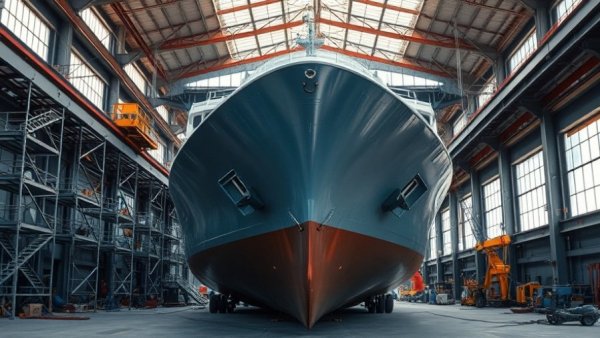
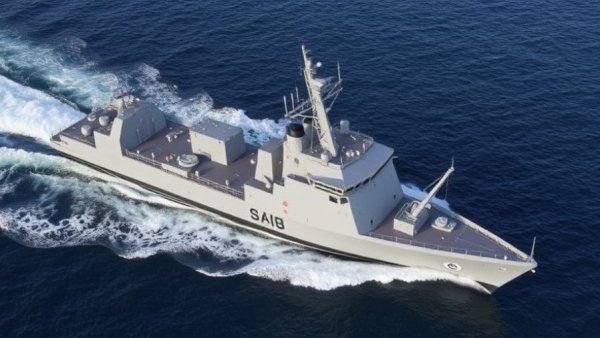
The Defense and Intervention Frigate (FDI) of France has garnered attention for its striking inverted bow design, which diverges from traditional naval architecture. This radical choice not only contributes to aesthetics but also enhances the vessel's operational capabilities. As noted by Nicolas Guiraud, a former captain in the French Navy, the inverted design allows the frigate to slice through waves effectively, reducing the impact often felt by conventional ships.
Stability and Comfort: An Essential Duality
Many naval vessels struggle with vibration and instability when navigating rough waters, impacting both the crew's performance and the vessel's longevity. Guiraud emphasizes that fewer vibrations prolong the life of critical components, such as computer systems and structural integrity, providing a smoother experience for the crew. This aspect also points to the psychological benefits of comfort at sea—well-rested sailors are predisposed to make better decisions during critical situations.
Shifting Perspectives: From Skepticism to Adoption
The FDI's design initially faced skepticism from competitors and industry experts alike. However, recent successes and partnerships, such as Sweden's announced procurement of four FDI frigates, signal a growing acceptance of this innovative approach. Guiraud's insights reveal that what once raised eyebrows has transformed into a standard for modern naval architecture. As he stated, "A design that at first caused questions is now convincing many."
Historical Context: Learning from the Past
The design philosophy behind the FDI's inverted bow is not entirely new; it draws inspiration from 19th-century naval vessels. However, its application in modern frigates poses unique challenges and requires a robust understanding of hull dynamics, hydrodynamics, and radar profiles. Naval Group undertook extensive research, including tank trials and simulations, to optimize this design for contemporary warfare environments.
Comparative Analysis: Lessons from the Zumwalt-Class
The U.S. Navy's Zumwalt-class destroyers also utilize an inverted bow; however, there are distinct differences in their shaping and operational outcomes. The Zumwalt features a tumblehome design, differing significantly in profile and stability dynamics compared to the FDI. The successful handling of rough sea conditions by Zumwalt offers valuable lessons for the French naval operations and reflects on the evolving design principles governing modern combat ships.
Future Insights: What Lies Ahead in Frigate Design?
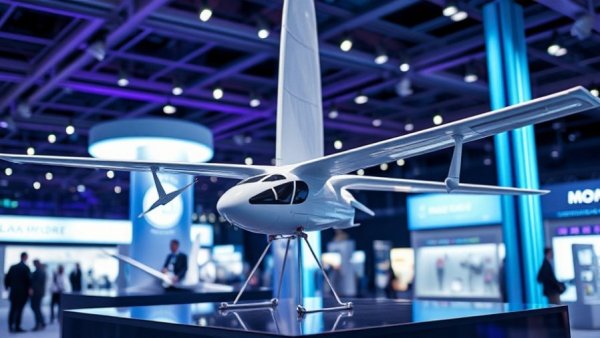
With the FDI class proving its capabilities, Naval Group is already exploring future applications of the inverted bow in next-generation vessels, including a drone-carrier frigate showcased at the recent Euronaval exhibition. This commitment to innovation, coupled with undeniable operational efficiency, positions the FDI at the cutting edge of naval engineering, potentially influencing an array of naval vessels globally. As the maritime landscape evolves, we’ll likely see further adaptation and adoption of such advanced designs, reflecting a trend towards maximizing adaptability and operational efficiency.
As nations recognize the advantages of advanced naval architecture, the future could very well embrace a fleet that includes more designs inspired by the FDI. The strategic importance of enhancing naval capabilities can’t be overestimated, especially in a geopolitical climate where sea power continues to play a pivotal role.


Write A Comment