

The Evolution of Japan’s Aegis Fleet
As Japan forges ahead with its advanced naval capabilities, the development of the Aegis System Equipped Vessel (ASEV) symbolizes a significant evolution in the nation's maritime defense strategy. With the recent unveiling of a massive hull section at the Isogo shipyard in Yokohama, anticipation builds for Japan's second ASEV. This vessel is part of a larger effort to bolster ballistic missile defense in a region increasingly defined by military tension. The move comes amid growing concerns over security threats, particularly from missile advancements in neighboring countries, making the development of the ASEV both timely and crucial.
Significance of the ASEV in Maritime Defense
Japan's decision to pursue the ASEVs came after the cancellation of the land-based Aegis Ashore system, a pivot that reflects both regional security needs and technological advancement. The ASEV will provide sustained missile surveillance, an essential capability against rising threats in the Asia-Pacific region. Its design allows for greater operational reach, enhancing Japan Maritime Self-Defense Force's (JMSDF) ability to respond to potential threats effectively. As tensions in the area continue to rise, the ASEV aims to not only augment Japan’s defense but also contribute to collective security efforts with allies, particularly the United States.
Unique Features of the ASEV
With a displacement of approximately 12,000 metric tons, the ASEV will surpass its predecessor, the Maya-class destroyers, which were noteworthy vessels in their own right. These enhancements, such as the AN/SPY-7(V)1 radar and advanced weaponry including the SM-3 Block IIA missile interceptor, underline Japan’s commitment to maintaining a robust navy capable of addressing current maritime threats effectively. Each vessel will feature 128 vertical launch system (VLS) cells, more than those found on the previous Maya-class, and have the capability to engage a wider variety of threats. This includes new technologies designed to counter hypersonic glide vehicles, which are increasingly becoming a concern for military planners worldwide.
Construction Insights and Challenges
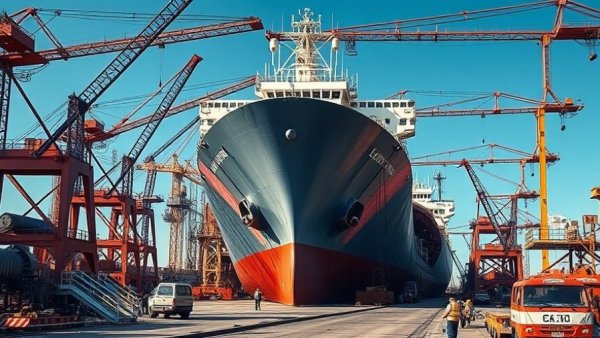
The construction of the ASEV is a remarkable engineering feat, as recently highlighted by ship spotter AGC Hatch in a detailed video posted on YouTube. The challenges of assembling such a large and complex vessel at the Isogo shipyard are not insignificant, with various sections of the hull being assembled at different stages. The visible stern block serves as a critical component; however, questions remain about how it integrates with the rest of the ship, primarily due to construction logistics. Field experts note that a significant amount of coordination is required to ensure that all parts are mated correctly as they advance toward completion.
Looking Ahead: Expectations for Future Naval Capabilities
With the second ASEV projected to launch in fiscal year 2027 and the first to follow closely in 2026, naval experts anticipate that these vessels will not only bolster Japan’s defensive capabilities but also reshape the balance of power in the region. As countries continue to enhance their naval fleets—whether through building new ships or modernizing existing ones—Japan's investment in the ASEV clearly underscores its intent to maintain a leading role in regional security matters. Experts suggest this step could lead to increased collaboration on maritime and defense issues between Japan and other allied nations, fostering a unified front in facing common threats.
What This Means for Japan and the Region
The anticipated commissioning of the ASEVs marks a pivotal moment in Japan's military history, transitioning from a primarily defensive force to a more proactive maritime player. This strategic shift will likely resonate throughout the region, fostering new dialogues about security and collaboration among neighboring nations. Beyond Japan, the deployment of the ASEVs could lead to changes in maritime strategy and defense posturing among other countries, influencing regional power dynamics as nations recalibrate their naval capabilities.
As these vessels prepare to enter service, all eyes will be on Japan’s evolving role in regional and global security contexts. The ASEVs are not just military assets; they symbolize a broader shift in Japan's defense strategy, embracing more assertive measures while maintaining its commitment to pacifism and stability in the region. Observers will keenly watch how the deployment of these new vessels impacts Japan's relationships with its allies and rivals, shaping the security landscape for years to come.



Write A Comment