

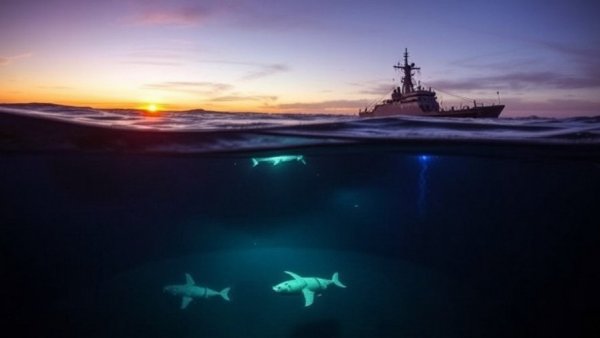
Understanding NATO's Underwater Mission Network
The NATO-underwater realm is evolving, and at the forefront of this transformation is the Saab-led MANGROVE consortium, which has recently completed the first phase of the Allied Underwater Battlespace Mission Network (AUWB-MN) initiative. Designed to fortify operational collaboration between member nations, this mission network aims to revolutionize how NATO shares vital information and coordinates its underwater operations, regardless of the varied technologies in use.
Bridging Gaps with Common Standards
One of the key aspects of the AUWB-MN is its focus on establishing shared technical standards rather than creating individual connections between multiple systems. This strategic shift could effectively enhance interoperability between countries, particularly crucial in waters where teamwork is paramount. The Phase 1 developments have laid a solid architectural foundation, ensuring the network can adapt to the rapid technological changes that characterize modern naval operations.
Expert Insights on Maritime Cooperation
David Burton, project director for NATO’s Antisubmarine Warfare Barrier Smart Defence Initiative, commented that the success of Phase 1 is a significant achievement not just for MANGROVE, but for NATO as a whole. He emphasized that the new architecture will bolster collective maritime capabilities while also accelerating innovation across the alliance. This collaborative effort signifies not only a step forward in defense technology but also a commitment to fostering strong international relationships among participating countries.
What Lies Ahead for NATO's Underwater Strategies?
Future predictions about the AUWB-MN suggest that the network will pave the way for enhanced situational awareness and increased operational agility. The goal, as defined by Frida Lindberg, MANGROVE co-chair and business director at Saab, is to cultivate a technology-agnostic, scalable network that fosters multinational cooperation in underwater operations. This is not just a technological enhancement; it symbolizes deepening partnerships within NATO, reflecting a united front against emerging underwater threats. As nations unite under common objectives, the potential for collective success in managing underwater missions strengthens.
Overcoming Challenges and Misconceptions
While the benefits of such a network are plentiful, it is important to acknowledge the potential challenges ahead, especially in terms of integrating diverse technologies and maintaining security standards across countries. Questions about cyber threats and the readiness of all member states to adapt to this new system will be crucial as development continues. Misinformation regarding the feasibility of such integrated systems also needs addressing, as it may dissuade potential contributors from participating in the collective effort. To combat these challenges, maintaining transparent communication and continuous training for personnel involved in NATO operations will be essential.
Fostering Local Engagement and Awareness
As the MANGROVE consortium progresses with this initiative, the implications will ripple beyond the immediate benefits to NATO forces. In Mississippi, a state with a rich maritime history and a strong defense industry presence, the advancements in underwater technology could open avenues for local businesses and educational institutions involved in defense contracting and maritime studies. Engaging local businesses in the development of these new technologies not only boosts the economy but also positions Mississippi as a key player in national defense strategies.
Take Action: Stay Informed on Technological Advances
As developments in NATO's underwater strategy unfold, staying informed is vital for understanding how their implications may affect global maritime security. Increased cooperation and shared technological advancements among NATO allies are essential to navigating the challenges of modern warfare effectively. By following these developments, you can gain a comprehensive understanding of maritime affairs that could influence not only regional dynamics but also global security. Community events, stakeholder meetings, and educational seminars are just a few ways for Mississippi residents to engage with these important topics and ensure they are prepared for the future of maritime operations.


Write A Comment