Moss Point Gulf Coast Tech

Gulf Coast Tech

  • Home
  • About
  • Categories
    • Tech News
    • Trending News
    • Tomorrow Tech
    • Disruption
    • Case Study
    • Infographic
    • Insurance
    • Shipbuilding
    • Technology
    • Final Expense
    • Expert Interview
    • Expert Comment
    • Shipyard Employee
  • Mississippio
November 12.2026
3 Minutes Read

New Customer Support Complex at Ingalls: A Boost for Shipbuilding Efficiency

HII and Navy break ground on new customer support complex at Ingalls

Groundbreaking Partnership in Shipbuilding at Ingalls

In a significant development for the shipbuilding industry, HII’s Ingalls Shipbuilding division and the Supervisor of Shipbuilding, Conversion and Repair Gulf Coast (SUPSHIP GC) have officially broken ground on a new customer support complex. This 101,000-square-foot facility, funded through a $50 million partnership between the U.S. Navy and Ingalls, is poised to enhance collaboration among industry partners involved in some of America’s most vital shipbuilding programs.

The Importance of Collaboration in Shipbuilding

The creation of this new complex comes at a time when the partnership between military and civilian entities is more essential than ever. With SUPSHIP GC overseeing Navy shipbuilding contracts in Mississippi, Louisiana, and Alabama, the new infrastructure will house over 600 military and civilian personnel engaged in pivotal roles such as engineering, quality assurance, contract management, and financial oversight. Eric Crooker, Ingalls' vice president of program management, emphasized this collaboration during the groundbreaking ceremony. He noted, “By bringing our government partners together, we are strengthening collaboration, improving efficiency and enhancing our ability to deliver the high-quality ships our sailors depend on.” This investment underlines the pivotal role these partnerships play in fulfilling maritime defense needs.

Future Implications for the Shipbuilding Industry

The implications of this facility extend beyond immediate operational needs. Capt. Randy Slaff, commanding officer of SUPSHIP GC, highlighted that the building exemplifies a commitment to delivering innovative warfighting capabilities swiftly to the Navy. “Anything that contributes to that core mission is vitally important,” he stated. As the naval landscape evolves, the ability to innovate and respond quickly becomes crucial. The new complex will facilitate quicker adjustments to ship designs and accommodate emergent technologies, ensuring that the Navy remains at the forefront of maritime defense.

Construction Timeline and Local Impact

Situated on leased property from the Port of Pascagoula, the facility is intended to be completed by June 2028. This project not only enhances the infrastructure for shipbuilding but also represents a commitment to the local economy. By consolidating operations under one roof, businesses can streamline processes, resulting in improved local job creation and economic stability. The construction itself is likely to create numerous jobs during the building phase, positively impacting contractors and suppliers in the region.

The Power of Community Engagement

The groundbreaking ceremony was attended by a range of stakeholders, including local government officials, business leaders, and community representatives. Their involvement reflects the importance of community engagement in supporting economic initiatives. Partnerships like this foster goodwill and collaboration between local citizens and large-scale industries, creating a more cohesive working environment that benefits everyone. By keeping the community informed and engaged, HII and the Navy can build trust and support, which is crucial for the success of such large-scale projects.

Educational and Training Opportunities

The new complex is not just about housing personnel; it also represents an opportunity for educational and training programs focused on shipbuilding and related industries. Collaborations with local educational institutions may pave the way for internships and specialized training, creating a pathway for young people to enter the workforce equipped with the necessary skills. This aligns with ongoing efforts to stimulate interest in STEM (science, technology, engineering, and mathematics) fields among the youth, bolstering the talent pool for the shipbuilding industry.

Concluding Thoughts on Investment in Defense and Technology

This new complex at Ingalls Shipbuilding is a testament to the importance of ongoing investment in the shipbuilding sector and the collaborative efforts between the Navy and its partners. At a time when global maritime threats are evolving, the facility underscores the significance of maintaining robust, efficient military capabilities. Stakeholders in the region and across the shipbuilding industry can look forward to the enhanced capabilities this structure will bring, reinforcing the United States' naval superiority. With a clear vision for future growth and development, this groundbreaking event not only marks the beginning of a new chapter for Ingalls Shipbuilding but also offers promising potential for the broader shipbuilding community and the regional economy.
Tomorrow Tech

0 Comments

Write A Comment

*
*
Please complete the captcha to submit your comment.
Related Posts All Posts
11.11.2026

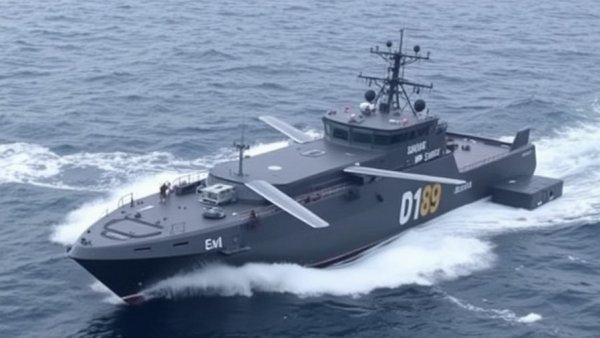
How Seasats and Neros Are Transforming Maritime Defense with Drones

Update Seasats and Neros Join Forces to Revolutionize Maritime Defense In an exciting development for the future of maritime operations, Seasats and Neros Technologies have announced a partnership that aims to enhance naval capabilities by integrating Neros’ advanced drones aboard Seasats' Quickfish unmanned surface vessel (USV). As the world navigates increasing geopolitical tensions, the need for strategic innovations in military and defense technology becomes more pressing. What Does This Partnership Mean for Maritime Operations? This collaboration is expected to fundamentally change the approach to maritime defense through the deployment of Neros’ Archer 10” Strike and Archer AI FPV drones. The Quickfish USV is designed to carry multiple drones within its modular payload bay, allowing for a rapid response to threats while ensuring that the drones remain protected until they are ready to be deployed. According to Mike Flanigan, CEO of Seasats, this combination of persistent presence and kinetic strike capability offers operators a powerful tool to monitor and engage potential threats without risking human lives at sea. Recent Funding Highlights Growth in Defense Technology The advancements signal a pivotal shift in defense technology as Neros has recently secured a $450 million conditional loan from the Pentagon’s Office of Strategic Capital. This funding is allocated to boost the production capabilities of multi-platform drones and their components. With military operations increasingly relying on unmanned systems, this financial backing underscores the strategic importance placed on drone and USV technologies in modern warfare. Speed, Endurance, and Intelligent Deployment One of the key features of the Quickfish USV is its impressive sprint speed of 40 knots and the ability to loiter for weeks. This endurance, coupled with its ability to withstand challenging maritime conditions, makes it a formidable player in ensuring national security. Drones, once launched, will be cued to specific targets by sensors such as Lightfish, enabling precise identification and engagement of threats in varied oceanic environments. As Soren Monroe-Anderson, CEO of Neros, notes, the integration reflects a crucial advancement in how unmanned systems can collaboratively function to safeguard maritime interests. Preparedness in an Evolving Battlefield The ongoing evolution of battlefield conditions requires defense contractors to be increasingly adaptive. Neros' strategy of containerizing strike drones reflects a broader trend toward enhancing operational efficiency while maintaining safety for operators by keeping them away from direct conflict zones. This innovation supports a defense posture that prioritizes flexibility and responsiveness in an ever-changing global landscape. Looking Towards the Future of Maritime Defense As nations grapple with challenges ranging from territorial disputes to piracy and maritime terrorism, the need for sophisticated and agile defense capabilities cannot be understated. The Seasats and Neros partnership exemplifies a growing trend toward leveraging technological advancements to assert maritime control and maintain peace. Moving forward, industry watchers will likely keep a keen eye on how these unmanned systems evolve and how they may be employed in various operations across the globe. Conclusion: The Dawn of a New Era As we witness the technological arms race in defense and military operations, the partnership between Seasats and Neros highlights a promising future for unmanned maritime capabilities. The integration of drone warfare with advanced USVs not only aims to reinforce national security but also shows how technology is reshaping our approach to conflict. Drones may very well be the tool that ensures a safer global maritime domain, one that prioritizes innovation without compromising human safety.

11.10.2026

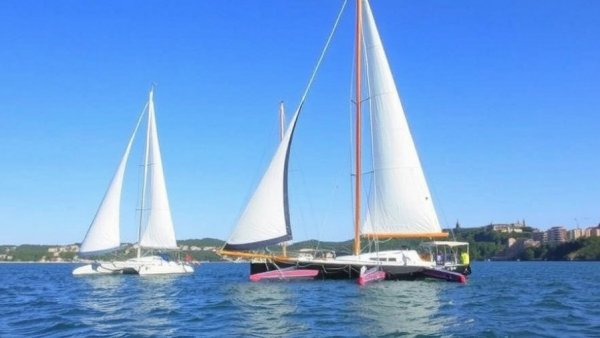
Revolutionizing Shipping: Discover How Spirit of Toulouse Uses Daggerboards and Rotor Sails

Update The Spirit of Innovation: Exploring the Spirit of Toulouse In an era when shipping must become sustainable, the Spirit of Toulouse has emerged as a pioneer in green technology. Recently, this remarkable vessel made headlines for installing six Norsepower rotor sails, setting the record for the largest number of mechanical sails on any ship. Beyond its striking appearance, the Spirit of Toulouse is equipped with a revolutionary daggerboard system developed by Becker Marine Systems that enhances its efficiency and environmental friendliness. This commitment to sustainability not only reflects growing concerns about climate change but also aligns with global movements aiming to embrace greener technologies in various sectors. What Are Daggerboards and Their Importance? Daggerboards are specialized underwater fins designed to improve a vessel’s stability and propulsion efficiency. Acting as a countermeasure against lateral forces that can cause a ship to drift (referred to as leeway), these fins are crucial to the effective use of wind energy captured by the rotor sails. Each daggerboard on the Spirit of Toulouse boasts a surface area of 8.8 square meters, generating a lift force of 300 kN. This technology allows for the reduction of fuel consumption and minimizes harmful emissions, aligning perfectly with global decarbonization efforts. In essence, daggerboards not only enhance performance but also contribute positively to the environment by helping mitigate the carbon footprint of maritime transport. The Technical Synergy of Wind and Water Combining wind-assisted propulsion from the rotor sails with the hydrodynamic efficiency of daggerboards represents a holistic approach to maritime efficiency. Dr. Tobias Haack, managing director of Becker Marine Systems, emphasizes, "The key lies in ensuring that all components of a vessel work together optimally." The synergy created by these systems enables the Spirit of Toulouse to convert more wind energy into forward thrust, demonstrating a significant leap towards sustainable shipping. This innovative design provides an optimal balance between wind and water dynamics, making the ship less reliant on conventional fuel sources, thus propelling the industry toward a greener future. A Glance at the Future: Reducing Emissions by 2030 Under charter to Airbus, the Spirit of Toulouse is set to play a vital role in the transportation of large aircraft sub-assemblies across the Atlantic. With the ongoing expansion of the aerospace sector, utilizing innovative vessels like the Spirit of Toulouse ensures that logistical challenges do not come at the expense of the environment. The vision is clear: by 2030, these innovative vessels are projected to cut annual CO₂ emissions from Airbus’s shipping operations by more than half compared to 2023 levels. This ambitious goal underscores the necessity of integrating both traditional and cutting-edge technologies in shipping to address climate challenges. With climate change posing an immediate threat, the shipping industry must embrace technologies that have the potential to drastically reduce its carbon footprint. The Infrastructure and Industry Adaptation To support the widespread adoption of green technologies highlighted by the Spirit of Toulouse, significant investments in maritime infrastructure and training will be necessary. Port facilities may require upgrades to accommodate vessels utilizing alternative fuels and wind-assisted systems. Moreover, training for crews on operating new technologies effectively will be essential for maximizing the benefits of these advancements. Collaboration between governments, industry stakeholders, and educational institutions can help ensure that the maritime workforce is adequately prepared for this evolving landscape. The Broader Impact on the Maritime Industry The adoption of wind-assisted technologies, including the integration of systems like the Spirit of Toulouse's advanced daggerboards, signals a transformative shift within the maritime sector. As more vessels adopt similar technologies, the potential for the shipping industry to become a more sustainable contributor to global trade becomes increasingly plausible. This shift not only meets immediate environmental goals but also positions the industry to thrive in a future where sustainability will be paramount. By championing these technologies, shipping companies can set a powerful example for other industries to follow. Conclusion: A Call for Collective Industry Action The advancements witnessed with the Spirit of Toulouse highlight a pivotal moment in shipping. Embracing holistic, eco-friendly approaches is essential for meeting global sustainability goals. Encouraging all maritime agencies to consider similar innovations will not only propel the industry forward but ensure a healthier planet for future generations. The ongoing commitment to integrating advanced technology with environmental stewardship will not only impact shipping but will also play a role in shaping societal attitudes toward sustainability in all sectors. Thus, the journey toward greener shipping practices is a collective effort, one that requires collaboration across various sectors to ensure lasting impacts.

11.06.2026

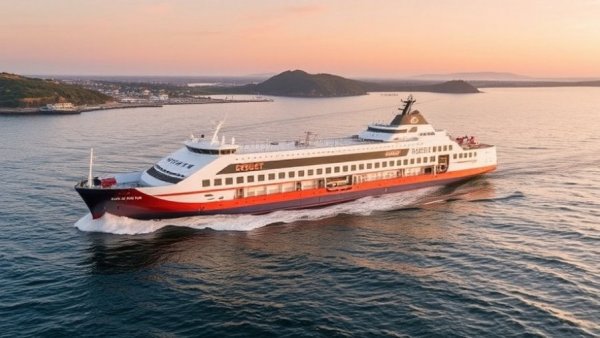
Ferry Electrification: Building an Integrated Ecosystem for Future Success

Update The Importance of a Holistic Approach to Ferry ElectrificationAs ferry operators pursue electric and hybrid-electric propulsion technologies, they face a myriad of challenges that stretch far beyond the vessels themselves. Ryan Bishop, Director of Ferry Solutions at Siemens Energy, emphasizes that the true success of electrification lies within the entire energy ecosystem surrounding the ferries. This encompasses everything from shoreside charging infrastructure to utility coordination and energy management systems.Many people mistakenly assume that the vessel is the sole focus of electrification efforts. However, Bishop points out that it is merely one component of a broader system. A ferry can boast the most cutting-edge battery technology, but without a synchronized approach that integrates terminal infrastructure, electrical grid support, and operator coordination, the project will likely fall short of its potential. The need to align all aspects from the onset is crucial, as it minimizes risks, avoids unforeseen challenges, and sets the stage for future expansions.Challenges at Ferry Terminals: Securing Power and SpaceWith Washington State Ferries leading one of the largest electrification programs in the U.S., operators looking to embark on similar paths must first consider significant infrastructure hurdles. One major challenge is ensuring that enough power is available at the terminals. The reality is that many existing ferry terminals were not designed to accommodate multi-megawatt charging systems. Consequently, ferry operators often find they need extensive utility upgrades well before any construction projects can even commence.Physical integration of charging equipment is another significant hurdle. Ferry terminals are typically bustling, space-constrained locations, which means operators must carefully plan how to include transformers, switchgear, utility interconnections, and cable management without causing disruptions to regular operations or inconveniencing passengers. Reliability, too, cannot be overlooked. For ferry services—critical components of many transportation networks—charging infrastructures must be built to withstand harsh marine environments and designed for redundancy and maintainability.Lessons from Washington State Ferries: Adopting a Systems-Level MindsetAs operators within the ferry industry explore electrification options, the multifaceted approach taken by Washington State Ferries offers insightful lessons. Bishop stresses that ferry electrification should not merely be viewed as replacing vessels; rather, it represents a fundamental transformation of the entire transportation system. By adopting a holistic approach—from vessels and terminal infrastructure to workforce development and fleet planning—Washington State Ferries showcases how interconnected decisions can greatly influence multiple stakeholders involved.Infrastructure timelines prove to be equally critical. Utility upgrades, for instance, can take as long, if not longer, than the construction of new vessels. This is why successful operators must begin planning crucial infrastructure elements—such as interconnection studies and charging installations—simultaneously as they plan for their new ferries. Without this foresight, they risk becoming bogged down and missing vital deadlines.Creating a Future-Ready Ferry FleetFor ferry operators eyeing electrification, it is essential to recognize that the journey toward sustainability is not solely technological. The solutions lie within collaboration and coordination, where stakeholders from utilities to vessel designers work in unity. With the commitment to developing a fully integrated ferry ecosystem that combines advanced technology with robust infrastructure, operators will pave the way for future-ready fleets capable of meeting the demands of an evolving transport landscape.The shift to electric and hybrid ferry systems presents an exciting yet complex opportunity, and it is clear that the future of this industry relies on a unified approach that embraces every component in the electrification puzzle. As ferry operations evolve, a concerted effort will empower fleets to rise to the challenges of tomorrow and harness the full potential of electrification.

Gulf Coast Tech

Moss Point Gulf Coast Tech, your premier destination for the latest tech news and innovations shaping the Gulf Coast and beyond.

228 355 0244

AVAILABLE FROM 10AM - 9PM

Pascagoula, Mississippi

3414 Shortcut Rd.
Pascagoula, MS 39581 USA

ABOUT US

Gulf Coast Tech delivers the latest tech news and innovations to the Gulf Coast audience every day.

© 2026 JimBroad Media All Rights Reserved. 3414 Shortcut Rd, Pascagoula, MS 39581 . Contact Us . Terms of Service . Privacy Policy

eyJjb21wYW55IjoiSmltQnJvYWQgTWVkaWEiLCJhZGRyZXNzIjoiMzQxNCBTaG9ydGN1dCBSZCwgUGFzY2Fnb3VsYSwgTVMgMzk1ODEiLCJjaXR5IjoiUGFzY2Fnb3VsYSIsInN0YXRlIjoiTVMiLCJ6aXAiOiIzOTU4MSIsImVtYWlsIjoiamltQHJicHRlYW0uY29tIiwidG9zIjoiUEhBK1BITjBjbTl1Wno0OFpXMCtWMmhsYmlCNWIzVWdjMmxuYmkxcGJpQjNhWFJvSUhWekxDQjViM1VnWVhKbElHZHBkbWx1WnladVluTndPeUI1YjNWeUlIQmxjbTFwYzNOcGIyNGdZVzVrSUdOdmJuTmxiblFnZEc4Z2MyVnVaQ0I1YjNVZ1pXMWhhV3dnWVc1a0wyOXlJRk5OVXlCMFpYaDBJRzFsYzNOaFoyVnpMaUJDZVNCamFHVmphMmx1WnlCMGFHVWdWR1Z5YlhNZ1lXNWtJRU52Ym1ScGRHbHZibk1nWW05NElHRnVaQ0JpZVNCemFXZHVhVzVuSUdsdUlIbHZkU0JoZFhSdmJXRjBhV05oYkd4NUlHTnZibVpwY20wZ2RHaGhkQ0I1YjNVZ1lXTmpaWEIwSUdGc2JDQjBaWEp0Y3lCcGJpQjBhR2x6SUdGbmNtVmxiV1Z1ZEM0OEwyVnRQand2YzNSeWIyNW5Qand2Y0Q0S0NqeHdQanhoSUdoeVpXWTlJbWgwZEhBNkx5OTNkM2N1WjI5dloyeGxMbU52YlNJK2FIUjBjRG92TDNkM2R5NW5iMjluYkdVdVkyOXRQQzloUGp3dmNENEtDanh3UGladVluTndPend2Y0Q0S0NqeHdQanh6ZEhKdmJtYytVMFZTVmtsRFJUd3ZjM1J5YjI1blBqd3ZjRDRLQ2p4d1BsZGxJSEJ5YjNacFpHVWdZU0J6WlhKMmFXTmxJSFJvWVhRZ1kzVnljbVZ1ZEd4NUlHRnNiRzkzY3lCNWIzVWdkRzhnY21WalpXbDJaU0J5WlhGMVpYTjBjeUJtYjNJZ1ptVmxaR0poWTJzc0lHTnZiWEJoYm5rZ2FXNW1iM0p0WVhScGIyNHNJSEJ5YjIxdmRHbHZibUZzSUdsdVptOXliV0YwYVc5dUxDQmpiMjF3WVc1NUlHRnNaWEowY3l3Z1kyOTFjRzl1Y3l3Z1pHbHpZMjkxYm5SeklHRnVaQ0J2ZEdobGNpQnViM1JwWm1sallYUnBiMjV6SUhSdklIbHZkWElnWlcxaGFXd2dZV1JrY21WemN5QmhibVF2YjNJZ1kyVnNiSFZzWVhJZ2NHaHZibVVnYjNJZ1pHVjJhV05sTGlCWmIzVWdkVzVrWlhKemRHRnVaQ0JoYm1RZ1lXZHlaV1VnZEdoaGRDQjBhR1VnVTJWeWRtbGpaU0JwY3lCd2NtOTJhV1JsWkNBbWNYVnZkRHRCVXkxSlV5WnhkVzkwT3lCaGJtUWdkR2hoZENCM1pTQmhjM04xYldVZ2JtOGdjbVZ6Y0c5dWMybGlhV3hwZEhrZ1ptOXlJSFJvWlNCMGFXMWxiR2x1WlhOekxDQmtaV3hsZEdsdmJpd2diV2x6TFdSbGJHbDJaWEo1SUc5eUlHWmhhV3gxY21VZ2RHOGdjM1J2Y21VZ1lXNTVJSFZ6WlhJZ1kyOXRiWFZ1YVdOaGRHbHZibk1nYjNJZ2NHVnljMjl1WVd4cGVtRjBhVzl1SUhObGRIUnBibWR6TGp3dmNENEtDanh3UGxsdmRTQmhjbVVnY21WemNHOXVjMmxpYkdVZ1ptOXlJRzlpZEdGcGJtbHVaeUJoWTJObGMzTWdkRzhnZEdobElGTmxjblpwWTJVZ1lXNWtJSFJvWVhRZ1lXTmpaWE56SUcxaGVTQnBiblp2YkhabElIUm9hWEprSUhCaGNuUjVJR1psWlhNZ0tITjFZMmdnWVhNZ1UwMVRJSFJsZUhRZ2JXVnpjMkZuWlhNc0lFbHVkR1Z5Ym1WMElITmxjblpwWTJVZ2NISnZkbWxrWlhJZ2IzSWdZMlZzYkhWc1lYSWdZV2x5ZEdsdFpTQmphR0Z5WjJWektTNGdXVzkxSUdGeVpTQnlaWE53YjI1emFXSnNaU0JtYjNJZ2RHaHZjMlVnWm1WbGN5d2dhVzVqYkhWa2FXNW5JSFJvYjNObElHWmxaWE1nWVhOemIyTnBZWFJsWkNCM2FYUm9JSFJvWlNCa2FYTndiR0Y1SUc5eUlHUmxiR2wyWlhKNUlHOW1JR1ZoWTJnZ1UwMVRJSFJsZUhRZ2JXVnpjMkZuWlNCelpXNTBJSFJ2SUhsdmRTQmllU0IxY3k0Z1NXNGdZV1JrYVhScGIyNHNJSGx2ZFNCdGRYTjBJSEJ5YjNacFpHVWdZVzVrSUdGeVpTQnlaWE53YjI1emFXSnNaU0JtYjNJZ1lXeHNJR1Z4ZFdsd2JXVnVkQ0J1WldObGMzTmhjbmtnZEc4Z1lXTmpaWE56SUhSb1pTQlRaWEoyYVdObElHRnVaQ0J5WldObGFYWmxJSFJvWlNCVFRWTWdkR1Y0ZENCdFpYTnpZV2RsY3k0Z1YyVWdaRzhnYm05MElHTm9ZWEpuWlNCaGJua2dabVZsY3lCbWIzSWdaR1ZzYVhabGNua2diMllnWlcxaGFXd2diM0lnVTAxVExpQlVhR2x6SUdseklHRWdabkpsWlNCelpYSjJhV05sSUhCeWIzWnBaR1ZrSUdKNUlIVnpMaUJJYjNkbGRtVnlMQ0J3YkdWaGMyVWdZMmhsWTJzZ2QybDBhQ0I1YjNWeUlHbHVkR1Z5Ym1WMElITmxjblpwWTJVZ2NISnZkbWxrWlhJZ1lXNWtJR05sYkd4MWJHRnlJR05oY25KcFpYSWdabTl5SUdGdWVTQmphR0Z5WjJWeklIUm9ZWFFnYldGNUlHbHVZM1Z5SUdGeklHRWdjbVZ6ZFd4MElHWnliMjBnY21WalpXbDJhVzVuSUdWdFlXbHNJR0Z1WkNCVFRWTWdkR1Y0ZENCdFpYTnpZV2RsY3lCMGFHRjBJSGRsSUdSbGJHbDJaWElnZFhCdmJpQjViM1Z5SUc5d2RDMXBiaUJoYm1RZ2NtVm5hWE4wY21GMGFXOXVJSGRwZEdnZ2IzVnlJR1Z0WVdsc0lHRnVaQ0JUVFZNZ2MyVnlkbWxqWlhNdUlGbHZkU0JqWVc0Z1kyRnVZMlZzSUdGMElHRnVlU0IwYVcxbExpQktkWE4wSUhSbGVIUWdKbkYxYjNRN1UxUlBVQ1p4ZFc5ME95QjBieVp1WW5Od096eG9hV2RvYkdsbmFIUWdZMnhoYzNNOUltTnZiWEJoYm5sVFRWTlFhRzl1WlZWd1pHRjBaU0krYm5Wc2JEd3ZhR2xuYUd4cFoyaDBQaTRnUVdaMFpYSWdlVzkxSUhObGJtUWdkR2hsSUZOTlV5QnRaWE56WVdkbElDWnhkVzkwTzFOVVQxQW1jWFZ2ZERzZ2RHOGdkWE1zSUhkbElIZHBiR3dnYzJWdVpDQjViM1VnWVc0Z1UwMVRJRzFsYzNOaFoyVWdkRzhnWTI5dVptbHliU0IwYUdGMElIbHZkU0JvWVhabElHSmxaVzRnZFc1emRXSnpZM0pwWW1Wa0xpQkJablJsY2lCMGFHbHpMQ0I1YjNVZ2QybHNiQ0J1YnlCc2IyNW5aWElnY21WalpXbDJaU0JUVFZNZ2JXVnpjMkZuWlhNZ1puSnZiU0IxY3k0OEwzQStDZ284Y0Q0OGMzUnliMjVuUGxsUFZWSWdVa1ZIU1ZOVVVrRlVTVTlPSUU5Q1RFbEhRVlJKVDA1VFBDOXpkSEp2Ym1jK1BDOXdQZ29LUEhBK1NXNGdZMjl1YzJsa1pYSmhkR2x2YmlCdlppQjViM1Z5SUhWelpTQnZaaUIwYUdVZ1UyVnlkbWxqWlN3Z2VXOTFJR0ZuY21WbElIUnZPand2Y0Q0S0NqeHZiRDRLQ1R4c2FUNXdjbTkyYVdSbElIUnlkV1VzSUdGalkzVnlZWFJsTENCamRYSnlaVzUwSUdGdVpDQmpiMjF3YkdWMFpTQnBibVp2Y20xaGRHbHZiaUJoWW05MWRDQjViM1Z5YzJWc1ppQmhjeUJ3Y205dGNIUmxaQ0JpZVNCMGFHVWdVMlZ5ZG1salpTWWpNems3Y3lCeVpXZHBjM1J5WVhScGIyNGdabTl5YlNBb2MzVmphQ0JwYm1admNtMWhkR2x2YmlCaVpXbHVaeUIwYUdVZ0puRjFiM1E3VW1WbmFYTjBjbUYwYVc5dUlFUmhkR0VtY1hWdmREc3BJR0Z1WkR3dmJHaytDZ2s4YkdrK2JXRnBiblJoYVc0Z1lXNWtJSEJ5YjIxd2RHeDVJSFZ3WkdGMFpTQjBhR1VnVW1WbmFYTjBjbUYwYVc5dUlFUmhkR0VnZEc4Z2EyVmxjQ0JwZENCMGNuVmxMQ0JoWTJOMWNtRjBaU3dnWTNWeWNtVnVkQ0JoYm1RZ1kyOXRjR3hsZEdVdUlFbG1JSGx2ZFNCd2NtOTJhV1JsSUdGdWVTQnBibVp2Y20xaGRHbHZiaUIwYUdGMElHbHpJSFZ1ZEhKMVpTd2dhVzVoWTJOMWNtRjBaU3dnYm05MElHTjFjbkpsYm5RZ2IzSWdhVzVqYjIxd2JHVjBaU3dnYjNJZ2QyVWdhR0YyWlNCeVpXRnpiMjVoWW14bElHZHliM1Z1WkhNZ2RHOGdjM1Z6Y0dWamRDQjBhR0YwSUhOMVkyZ2dhVzVtYjNKdFlYUnBiMjRnYVhNZ2RXNTBjblZsTENCcGJtRmpZM1Z5WVhSbExDQnViM1FnWTNWeWNtVnVkQ0J2Y2lCcGJtTnZiWEJzWlhSbExDQjNaU0JvWVhabElIUm9aU0J5YVdkb2RDQjBieUJ6ZFhOd1pXNWtJRzl5SUR4emRISnZibWMrUEhOd1lXNGdjM1I1YkdVOUltTnZiRzl5T2lOR1JqQXdNREE3SWo1MFpYSnRhVzVoZEdVZ2VXOTFjaUJoWTJOdmRXNTBMM0J5YjJacGJHVWdZVzVrSUhKbFpuVnpaU0JoYm5rZ1lXNWtJR0ZzYkNCamRYSnlaVzUwSUc5eUlHWjFkSFZ5WlNCMWMyVWdiMllnZEdobElGTmxjblpwWTJVZ0tHOXlJR0Z1ZVNCd2IzSjBhVzl1SUhSb1pYSmxiMllwTGp3dmMzQmhiajQ4TDNOMGNtOXVaejQ4TDJ4cFBnbzhMMjlzUGdvS1BIQStKbTVpYzNBN1BDOXdQZ284YUdsbmFHeHBaMmgwSUdOc1lYTnpQU0pqYjIxd1lXNTVUbUZ0WlZWd1pHRjBaU0krU21sdFFuSnZZV1FnVFdWa2FXRThMMmhwWjJoc2FXZG9kRDQ4WW5JZ0x6NEtQR2hwWjJoc2FXZG9kQ0JqYkdGemN6MGlZMjl0Y0dGdWVVRmtaSEpsYzNOVmNHUmhkR1VpUGpNME1UUWdVMmh2Y25SamRYUWdVbVFzSUZCaGMyTmhaMjkxYkdFc0lFMVRJRE01TlRneFBDOW9hV2RvYkdsbmFIUStQR0p5SUM4K0NqeG9hV2RvYkdsbmFIUWdZMnhoYzNNOUltTnZiWEJoYm5sUWFHOXVaVlZ3WkdGMFpTSStLekVnS3pFeU1qZ3pOVFV3TWpRMFBDOW9hV2RvYkdsbmFIUStQR0p5SUM4K0NqeG9hV2RvYkdsbmFIUWdZMnhoYzNNOUltTnZiWEJoYm5sRmJXRnBiRlZ3WkdGMFpTSSthbWx0UUhKaWNIUmxZVzB1WTI5dFBDOW9hV2RvYkdsbmFIUSsiLCJwcml2YWN5IjoiUEhBK1BITjBjbTl1Wno1UVVrbFdRVU5aUEM5emRISnZibWMrUEM5d1Bnb0tQSEErUEhOMGNtOXVaejVVYUdVZ2FXNW1iM0p0WVhScGIyNGdjSEp2ZG1sa1pXUWdaSFZ5YVc1bklIUm9hWE1nY21WbmFYTjBjbUYwYVc5dUlHbHpJR3RsY0hRZ2NISnBkbUYwWlNCaGJtUWdZMjl1Wm1sa1pXNTBhV0ZzTENCaGJtUWdkMmxzYkNCdVpYWmxjaUJpWlNCa2FYTjBjbWxpZFhSbFpDd2dZMjl3YVdWa0xDQnpiMnhrTENCMGNtRmtaV1FnYjNJZ2NHOXpkR1ZrSUdsdUlHRnVlU0IzWVhrc0lITm9ZWEJsSUc5eUlHWnZjbTB1SUZSb2FYTWdhWE1nYjNWeUlHZDFZWEpoYm5SbFpTNDhMM04wY205dVp6NDhMM0ErQ2dvOGNENDhjM1J5YjI1blBrbE9SRVZOVGtsVVdUd3ZjM1J5YjI1blBqd3ZjRDRLQ2p4d1BqeGxiVDVaYjNVZ1lXZHlaV1VnZEc4Z2FXNWtaVzF1YVdaNUlHRnVaQ0JvYjJ4a0lIVnpMQ0JoYm1RZ2FYUnpJSE4xWW5OcFpHbGhjbWxsY3l3Z1lXWm1hV3hwWVhSbGN5d2diMlptYVdObGNuTXNJR0ZuWlc1MGN5d2dZMjh0WW5KaGJtUmxjbk1nYjNJZ2IzUm9aWElnY0dGeWRHNWxjbk1zSUdGdVpDQmxiWEJzYjNsbFpYTXNJR2hoY20xc1pYTnpJR1p5YjIwZ1lXNTVJR05zWVdsdElHOXlJR1JsYldGdVpDd2dhVzVqYkhWa2FXNW5JSEpsWVhOdmJtRmliR1VnWVhSMGIzSnVaWGx6SmlNek9Uc2dabVZsY3l3Z2JXRmtaU0JpZVNCaGJua2dkR2hwY21RZ2NHRnlkSGtnWkhWbElIUnZJRzl5SUdGeWFYTnBibWNnYjNWMElHOW1JRU52Ym5SbGJuUWdlVzkxSUhKbFkyVnBkbVVzSUhOMVltMXBkQ3dnY21Wd2JIa3NJSEJ2YzNRc0lIUnlZVzV6YldsMElHOXlJRzFoYTJVZ1lYWmhhV3hoWW14bElIUm9jbTkxWjJnZ2RHaGxJRk5sY25acFkyVXNJSGx2ZFhJZ2RYTmxJRzltSUhSb1pTQlRaWEoyYVdObExDQjViM1Z5SUdOdmJtNWxZM1JwYjI0Z2RHOGdkR2hsSUZObGNuWnBZMlVzSUhsdmRYSWdkbWx2YkdGMGFXOXVJRzltSUhSb1pTQlVUMU1zSUc5eUlIbHZkWElnZG1sdmJHRjBhVzl1SUc5bUlHRnVlU0J5YVdkb2RITWdiMllnWVc1dmRHaGxjaTQ4TDJWdFBqd3ZjRDRLQ2p4d1BqeHpkSEp2Ym1jK1JFbFRRMHhCU1UxRlVpQlBSaUJYUVZKU1FVNVVTVVZUUEM5emRISnZibWMrUEM5d1Bnb0tQSEErUEhOMGNtOXVaejVaVDFVZ1JWaFFVa1ZUVTB4WklGVk9SRVZTVTFSQlRrUWdRVTVFSUVGSFVrVkZJRlJJUVZRNlBDOXpkSEp2Ym1jK1BDOXdQZ29LUEc5c1Bnb0pQR3hwUGxsUFZWSWdWVk5GSUU5R0lGUklSU0JUUlZKV1NVTkZJRWxUSUVGVUlGbFBWVklnVTA5TVJTQlNTVk5MTGlCVVNFVWdVMFZTVmtsRFJTQkpVeUJRVWs5V1NVUkZSQ0JQVGlCQlRpQW1jWFZ2ZER0QlV5QkpVeVp4ZFc5ME95QkJUa1FnSm5GMWIzUTdRVk1nUVZaQlNVeEJRa3hGSm5GMWIzUTdJRUpCVTBsVExpQXNMaUJCVGtRZ1ZWTXNJRWxVSmlNek9UdFRJRU5WVTFSUFRVVlNVeXdnUlZoUVVrVlRVMHhaSUVSSlUwTk1RVWxOVXlCQlRFd2dWMEZTVWtGT1ZFbEZVeUJQUmlCQlRsa2dTMGxPUkN3Z1YwaEZWRWhGVWlCRldGQlNSVk5USUU5U0lFbE5VRXhKUlVRc0lFbE9RMHhWUkVsT1J5d2dRbFZVSUU1UFZDQk1TVTFKVkVWRUlGUlBJRlJJUlNCSlRWQk1TVVZFSUZkQlVsSkJUbFJKUlZNZ1QwWWdUVVZTUTBoQlRsUkJRa2xNU1ZSWkxDQkdTVlJPUlZOVElFWlBVaUJCSUZCQlVsUkpRMVZNUVZJZ1VGVlNVRTlUUlNCQlRrUWdUazlPTFVsT1JsSkpUa2RGVFVWT1ZDNDhMMnhwUGdvSlBHeHBQazFCUzBWVElFNVBJRmRCVWxKQlRsUlpJRlJJUVZRZ0tHa3BJRlJJUlNCVFJWSldTVU5GSUZkSlRFd2dUVVZGVkNCWlQxVlNJRkpGVVZWSlVrVk5SVTVVVXl3Z0tHbHBLU0JVU0VVZ1UwVlNWa2xEUlNCWFNVeE1JRUpGSUZWT1NVNVVSVkpTVlZCVVJVUXNJRlJKVFVWTVdTd2dVMFZEVlZKRkxDQlBVaUJGVWxKUFVpMUdVa1ZGTENBb2FXbHBLU0JVU0VVZ1VrVlRWVXhVVXlCVVNFRlVJRTFCV1NCQ1JTQlBRbFJCU1U1RlJDQkdVazlOSUZSSVJTQlZVMFVnVDBZZ1ZFaEZJRk5GVWxaSlEwVWdWMGxNVENCQ1JTQkJRME5WVWtGVVJTQlBVaUJTUlV4SlFVSk1SU3dnUVU1RUlDaHBkaWtnUVU1WklFVlNVazlTVXlCSlRpQlVTRVVnVTA5R1ZGZEJVa1VnVjBsTVRDQkNSU0JEVDFKU1JVTlVSVVF1UEM5c2FUNEtDVHhzYVQ1QlRsa2dUVUZVUlZKSlFVd2dSRTlYVGt4UFFVUkZSQ0JQVWlCUFZFaEZVbGRKVTBVZ1QwSlVRVWxPUlVRZ1ZFaFNUMVZIU0NCVVNFVWdWVk5GSUU5R0lGUklSU0JUUlZKV1NVTkZJRWxUSUVSUFRrVWdRVlFnV1U5VlVpQlBWMDRnUkVsVFExSkZWRWxQVGlCQlRrUWdVa2xUU3lCQlRrUWdWRWhCVkNCWlQxVWdWMGxNVENCQ1JTQlRUMHhGVEZrZ1VrVlRVRTlPVTBsQ1RFVWdSazlTSUVGT1dTQkVRVTFCUjBVZ1ZFOGdXVTlWVWlCRFQwMVFWVlJGVWlCVFdWTlVSVTBnVDFJZ1RFOVRVeUJQUmlCRVFWUkJJRlJJUVZRZ1VrVlRWVXhVVXlCR1VrOU5JRlJJUlNCRVQxZE9URTlCUkNCUFJpQkJUbGtnVTFWRFNDQk5RVlJGVWtsQlRDNDhMMnhwUGdvSlBHeHBQazVQSUVGRVZrbERSU0JQVWlCSlRrWlBVazFCVkVsUFRpd2dWMGhGVkVoRlVpQlBVa0ZNSUU5U0lGZFNTVlJVUlU0c0lFOUNWRUZKVGtWRUlFSlpJRmxQVlNCR1VrOU5JRTlTSUZSSVVrOVZSMGdnVDFJZ1JsSlBUU0JVU0VVZ1UwVlNWa2xEUlNCVFNFRk1UQ0JEVWtWQlZFVWdRVTVaSUZkQlVsSkJUbFJaSUU1UFZDQkZXRkJTUlZOVFRGa2dVMVJCVkVWRUlFbE9JRlJJUlNCVVQxTXVQQzlzYVQ0S1BDOXZiRDRLQ2p4d1BqeHpkSEp2Ym1jK1RFbE5TVlJCVkVsUFRpQlBSaUJNU1VGQ1NVeEpWRms4TDNOMGNtOXVaejQ4TDNBK0NnbzhjRDVaVDFVZ1JWaFFVa1ZUVTB4WklGVk9SRVZTVTFSQlRrUWdRVTVFSUVGSFVrVkZJRlJJUVZRZ1FVNUVJRk5JUVV4TUlFNVBWQ0JDUlNCTVNVRkNURVVnUms5U0lFRk9XU0JFU1ZKRlExUXNJRWxPUkVsU1JVTlVMQ0JKVGtOSlJFVk9WRUZNTENCVFVFVkRTVUZNTENCRFQwNVRSVkZWUlU1VVNVRk1JRTlTSUVWWVJVMVFURUZTV1NCRVFVMUJSMFZUTENCSlRrTk1WVVJKVGtjZ1FsVlVJRTVQVkNCTVNVMUpWRVZFSUZSUExDQkVRVTFCUjBWVElFWlBVaUJNVDFOVElFOUdJRkJTVDBaSlZGTXNJRWRQVDBSWFNVeE1MQ0JWVTBVc0lFUkJWRUVnVDFJZ1QxUklSVklnU1U1VVFVNUhTVUpNUlNCTVQxTlRSVk1nS0VWV1JVNGdTVVlnU0VGVElFSkZSVTRnUVVSV1NWTkZSQ0JQUmlCVVNFVWdVRTlUVTBsQ1NVeEpWRmtnVDBZZ1UxVkRTQ0JFUVUxQlIwVlRLU3dnVWtWVFZVeFVTVTVISUVaU1QwMDZQQzl3UGdvS1BHOXNQZ29KUEd4cFBsUklSU0JWVTBVZ1QxSWdWRWhGSUVsT1FVSkpURWxVV1NCVVR5QlZVMFVnVkVoRklGTkZVbFpKUTBVN1BDOXNhVDRLQ1R4c2FUNVVTRVVnUTA5VFZDQlBSaUJRVWs5RFZWSkZUVVZPVkNCUFJpQlRWVUpUVkVsVVZWUkZJRWRQVDBSVElFRk9SQ0JUUlZKV1NVTkZVeUJTUlZOVlRGUkpUa2NnUmxKUFRTQkJUbGtnUjA5UFJGTXNJRVJCVkVFc0lFbE9SazlTVFVGVVNVOU9JRTlTSUZORlVsWkpRMFZUSUZCVlVrTklRVk5GUkNCUFVpQlBRbFJCU1U1RlJDQlBVaUJOUlZOVFFVZEZVeUJTUlVORlNWWkZSQ0JQVWlCVVVrRk9VMEZEVkVsUFRsTWdSVTVVUlZKRlJDQkpUbFJQSUZSSVVrOVZSMGdnVDFJZ1JsSlBUU0JVU0VVZ1UwVlNWa2xEUlRzOEwyeHBQZ29KUEd4cFBsVk9RVlZVU0U5U1NWcEZSQ0JCUTBORlUxTWdWRThnVDFJZ1FVeFVSVkpCVkVsUFRpQlBSaUJaVDFWU0lGUlNRVTVUVFVsVFUwbFBUbE1nVDFJZ1JFRlVRVHM4TDJ4cFBnb0pQR3hwUGxOVVFWUkZUVVZPVkZNZ1QxSWdRMDlPUkZWRFZDQlBSaUJCVGxrZ1ZFaEpVa1FnVUVGU1ZGa2dUMDRnVkVoRklGTkZVbFpKUTBVN0lFOVNQQzlzYVQ0S0NUeHNhVDVCVGxrZ1QxUklSVklnVFVGVVZFVlNJRkpGVEVGVVNVNUhJRlJQSUZSSVJTQlRSVkpXU1VORkxqd3ZiR2srQ2p3dmIydytDZ284Y0Q0OGRUNUNlU0J5WldkcGMzUmxjbWx1WnlCaGJtUWdjM1ZpYzJOeWFXSnBibWNnZEc4Z2IzVnlJR1Z0WVdsc0lHRnVaQ0JUVFZNZ2MyVnlkbWxqWlN3Z1lua2diM0IwTFdsdUxDQnZibXhwYm1VZ2NtVm5hWE4wY21GMGFXOXVJRzl5SUdKNUlHWnBiR3hwYm1jZ2IzVjBJR0VnWTJGeVpDd2dKbkYxYjNRN2VXOTFJR0ZuY21WbElIUnZJSFJvWlhObElGUkZVazFUSUU5R0lGTkZVbFpKUTBVbWNYVnZkRHNnWVc1a0lIbHZkU0JoWTJ0dWIzZHNaV1JuWlNCaGJtUWdkVzVrWlhKemRHRnVaQ0IwYUdVZ1lXSnZkbVVnZEdWeWJYTWdiMllnYzJWeWRtbGpaU0J2ZFhSc2FXNWxaQ0JoYm1RZ1pHVjBZV2xzWldRZ1ptOXlJSGx2ZFNCMGIyUmhlUzQ4TDNVK1BDOXdQZ29LUEhBK0ptNWljM0E3UEM5d1BnbzhhR2xuYUd4cFoyaDBJR05zWVhOelBTSmpiMjF3WVc1NVRtRnRaVlZ3WkdGMFpTSStTbWx0UW5KdllXUWdUV1ZrYVdFOEwyaHBaMmhzYVdkb2RENDhZbklnTHo0S1BHaHBaMmhzYVdkb2RDQmpiR0Z6Y3owaVkyOXRjR0Z1ZVVGa1pISmxjM05WY0dSaGRHVWlQak0wTVRRZ1UyaHZjblJqZFhRZ1VtUXNJRkJoYzJOaFoyOTFiR0VzSUUxVElETTVOVGd4UEM5b2FXZG9iR2xuYUhRK1BHSnlJQzgrQ2p4b2FXZG9iR2xuYUhRZ1kyeGhjM005SW1OdmJYQmhibmxRYUc5dVpWVndaR0YwWlNJK0t6RWdLekV5TWpnek5UVXdNalEwUEM5b2FXZG9iR2xuYUhRK1BHSnlJQzgrQ2p4b2FXZG9iR2xuYUhRZ1kyeGhjM005SW1OdmJYQmhibmxGYldGcGJGVndaR0YwWlNJK2FtbHRRSEppY0hSbFlXMHVZMjl0UEM5b2FXZG9iR2xuYUhRKyJ9

Terms of Service

Privacy Policy

Core Modal Title

Sorry, no results found

You Might Find These Articles Interesting

T
Please Check Your Email
We Will Be Following Up Shortly
*
*
*