

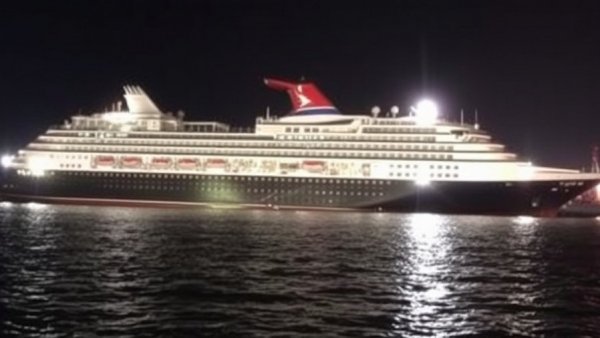
A Disturbing Scene Unfolds
Early Friday afternoon, November 13, tragedy struck the Mississippi River when the asphalt tanker Atlantic Asphalt collided with the cruise ship American Heritage in New Orleans. The incident occurred around 12:30 p.m. CST, just as the river cruise vessel was docked near the bustling Port of New Orleans, leading to a harrowing scene where passengers found themselves in life-threatening peril.
Footage from the scene depicted chaos as the American Heritage rolled onto its side after being struck, throwing passengers into the river. Estimated reports suggest approximately 129 individuals were onboard at the time of the accident. Local officials confirmed that all passengers and crew members were accounted for, offering a sense of relief amid what could have been a catastrophic disaster.
Emergency Response and Medical Assistance
In immediate response to the incident, the U.S. Coast Guard and local emergency services sprang into action. According to New Orleans Mayor Helena Moreno, 32 people were transported to local hospitals, with reports indicating that thankfully no critical injuries were documented. The rapid involvement of the New Orleans Regional Transit Authority (RTA) was crucial, as they temporarily suspended ferry services but efficiently redirected operations to assist in emergency transports. This quick action facilitated the medical evaluation of passengers, signaling the importance of coordinated responses during crises.
Analyzing the Collision: What Went Wrong?
Robert A. Clifford from Clifford Law Offices shared insights that suggest the tanker might have lost control before the collision occurred. His preliminary assessment noted that the Atlantic Asphalt appeared to hit the cruise liner at significant speed, emphasizing a serious breach of safety protocols on the Mississippi. The accident raises critical questions about maritime safety regulations and control measures in place for vessels navigating the congested waters of New Orleans.
Technology's Role in Investigation
The investigation into the circumstances surrounding the collision has begun, and experts highlight the potential importance of the tanker’s voyage data recorder. This technology, akin to the black boxes used in aviation, could provide essential data regarding the ship’s speed, direction, and navigational decisions leading up to the accident. Collecting such information could be pivotal in understanding how to prevent similar incidents in the future.
Looking Ahead: Understanding the Bigger Picture
This incident not only underscores the immediate dangers of maritime transportation but also prompts a larger discussion around policies and practices that govern such vessels. As the investigation unfolds, stakeholders from local authorities to cruise line management will need to collaborate closely to assess existing safety practices and implement necessary reforms to bolster passenger safety and operational accountability.
Final Thoughts: Safety Must Be Priority
As this story develops, it serves as a crucial reminder of the inherent risks within maritime travel. With fatalities thankfully avoided during this incident, it’s an opportune moment for industry officials and regulators to reflect on safety enhancements. Initiatives should be geared towards safer navigation practices, improved crew training, and stricter adherence to established safety protocols. Protecting lives is crucial, and vigilance can lead to a safer experience for all who travel on these waters.
The incident near the Port of New Orleans opens a dialogue about the nature of maritime travel safety and the importance of technology in accident prevention and investigation. Passengers deserve assurances that every measure is in place to protect their lives and well-being while traversing these iconic rivers.
As experts continue their investigations and learn from this event, all eyes will remain focused on the outcomes—both for the individuals directly affected and for the broader framework of safety in river transport.


Write A Comment