

Royal Thai Navy's Frigate Programme Faces Setback
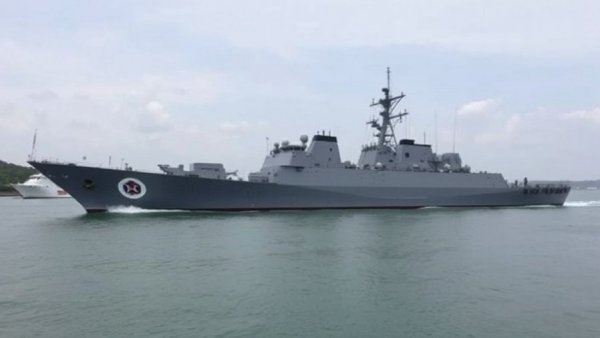
The story of the Royal Thai Navy's (RTN) frigate programme has taken another unexpected turn. Following the endorsement of Hanwha Ocean’s Ocean-40F frigate design in September, a flurry of disputes has ultimately led to the cancellation of the tender process. This announcement comes from Rear Admiral Chanin Sriyaphai, a spokesperson for the RTN, who confirmed the decision on November 18, 2026).
Understanding the Appeals Process
The tender closure in April attracted competitive bids from six international shipbuilders, including prominent names like HD Hyundai Heavy Industries and Navantia. The appeals process, however, was initiated when contenders expressed dissatisfaction with the selection criteria. This situation has drawn dramatic parallels to other international procurement disputes, where procedural flaws have resulted in delayed projects and increased costs.
Why the Tender Was Canceled
The Appeals and Complaints Committee found merit in the complaint from the Thai Frigate Building Consortium, which had alleged that the guidelines for financial thresholds were inadequately defined. This concern is particularly relevant given that it affects shipbuilders’ abilities to demonstrate past capabilities. As a response to this criticism, the RTN acknowledged the limitations of their terms of reference and identified areas needing revaluation.
Implications for the Future
The cancellation signifies not only a delay in military modernization but also highlights the importance of transparency in public procurement—an essential aspect in the context of taxpayer trust. The process for the new tender will take at least six months, meaning the RTN must act swiftly to ensure financial allocations can still be utilized within the current fiscal period, as stated by Admiral Nares Wongtrakul.
What's Next for Hanwha Ocean?
In light of the cancellation, Hanwha Ocean has expressed its intent to seek justice, filing a petition with the Thai State Audit Office. They allege that the entire process has unfairly disadvantaged the company. Interestingly, they will remain eligible to participate in the renewed tender but face significant challenges as a result of being embroiled in a bureaucratic storm that could overshadow their next proposal.
Public Perception and the Road Ahead
This incident raises further questions about the overall effectiveness of procurement processes in military contracting—not only in Thailand but globally. As countries advance their naval capabilities, they must ensure that strict standards for transparency and fairness are met, fostering healthy competition while meeting national defense needs. Admiral Chanin emphasized a commitment to learning from past mistakes, suggesting a cultural shift towards a more rigorous oversight mechanism might be in order.
Actionable Insights for Stakeholders
For stakeholders at every level—from the RTN management to shipbuilders—it’s crucial to engage in a comprehensive review of existing procurement practices. Enhancements in policy may be necessary to ensure clarity while safeguarding taxpayer interests. Moreover, collaborating with local industry may cultivate innovation and efficiency in shipbuilding practices.
Conclusion
As the RTN prepares for a new round of tendering, it’s vital for all involved to focus on creating a fair, transparent, and responsible process that reflects the needs of modern naval warfare while fostering healthy competition among shipbuilders. The experiences gleaned from this recent setback can guide future contracts towards more successful outcomes.


Write A Comment