

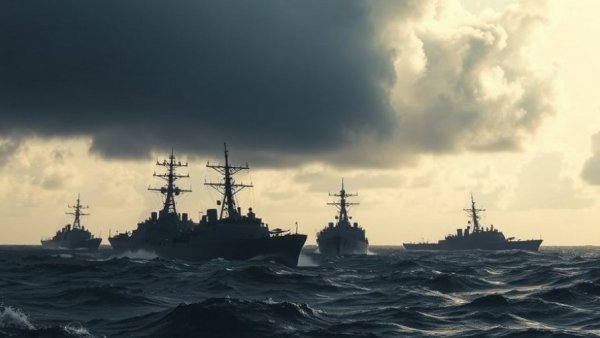
The Rise of Uncrewed Naval Vessels: Meet Vanta 24
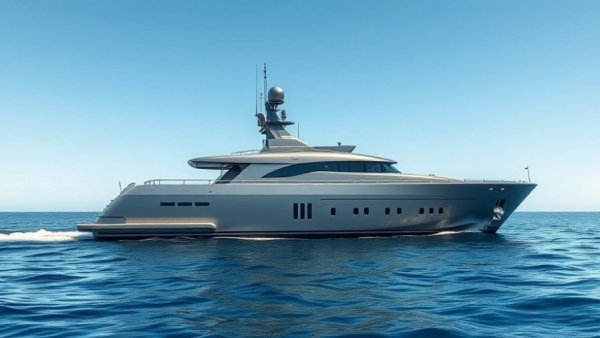
In a decisive move to enhance maritime security in the Baltic Sea, Stark, a European defence technology company, has unveiled its latest uncrewed surface vessel (USV), the Vanta 24. Making its debut at the Bloomberg Tech event in London earlier this month, this innovative design aims to tackle asymmetric threats prevalent in these strategic waters. The Vanta 24 is a 24-meter long vessel that exemplifies Stark's commitment to developing advanced technologies that address current geopolitical challenges.
Navigating the Baltic Security Landscape
The Baltic Sea has recently become a crucial area for NATO’s maritime surveillance efforts, especially following a series of incidents from late 2023 to early 2026, where critical underwater infrastructure cables and pipelines were damaged. These incidents raised alarm bells as suspicions grew around rogue ships intentionally dragging anchors over sensitive installations. Stark’s Vanta 24 is designed to ensure these threats are monitored and mitigated, particularly against the backdrop of increased activity from shadow fleets supposedly aiding Russia in bypassing oil export sanctions. This need for heightened vigilance reflects a broader trend in regional security, underscoring the importance of maritime safety in maintaining stability and protecting vital trade routes. As such, the Vanta 24 could play a pivotal role in safeguarding not just military assets, but also commercial shipping operations, which are crucial for the economies of Baltic nations.
Hybrid Warfare: The Future of Naval Defense
What sets Vanta 24 apart is its adaptability within the emerging concept of hybrid warfare. Stark's CTO, Johannes Schaback, expresses that this vessel will serve as a heavyweight component for a 'hybrid navy,' working in tandem with crewed naval platforms from the UK Royal Navy and NATO allies. Such an integrated approach not only offers the operational flexibility to operate independently but also enhances collective maritime security capabilities. This represents a significant shift in naval strategy, where uncrewed vessels are becoming indispensable partners in supporting international maritime goals.
Powerful Capabilities Wrapped in Innovative Design
The Vanta 24 is engineered for endurance, with a distinct 50-tonne payload capacity and a remarkable sprint speed exceeding 35 knots. It boasts potential multi-week deployment capabilities, even in challenging sea conditions, giving it a long operational range vital for extensive maritime surveillance tasks. This durability makes it ideally suited for persistent surveillance missions, tracking shadow fleets, and safeguarding critical underwater infrastructure against various threats. Moreover, its design employs advanced AI technology, enabling sophisticated command and control operations. This not only positions the Vanta 24 as a formidable deterrent but also suggests significant cost efficiencies, as its operational autonomy reduces dependency on human resources for routine and potentially dangerous missions.
The Vanta Family’s Evolution
Stark's announcement highlights the evolutionary journey of the Vanta family of USVs. Following the earlier Vanta 6 and Vanta 12 designs, Vanta 24 represents the pinnacle of their engineering efforts, incorporating sophisticated AI-driven command and control through the Minerva software. By integrating with NATO's command networks, these vessels uphold operational unity among allied forces. As the size of the Vanta family increases, so does the variety of missions they can perform, from surveillance to offensive capabilities, marking a significant advancement in naval tactics and operations.
The New Era of Maritime Security
The introduction of the Vanta 24 is emblematic of a larger shift toward unmanned systems in military operations. As nations around the world invest in advanced technologies, vessels like the Vanta 24 signify a proactive approach to emerging threats. By seamlessly integrating modern technology with traditional maritime tactics, Stark’s innovative vessel not only instills confidence in Baltic security but also lays the groundwork for the future of naval defense. The commitment to developing these types of vessels indicates a broader recognition of the need for affordable yet effective deterrents that can keep pace with modern warfare's demands. With a focus on facilitating maritime partnerships and bolstering capabilities, Vanta 24 marks a new chapter in the evolving landscape of maritime defense. As the geopolitical landscape changes, the importance of integrating robust technological solutions into security frameworks cannot be overstated, making innovations like the Vanta 24 crucial for future maritime operations.



Write A Comment