

Reinforcing U.S. Maritime Strategy in the Arctic
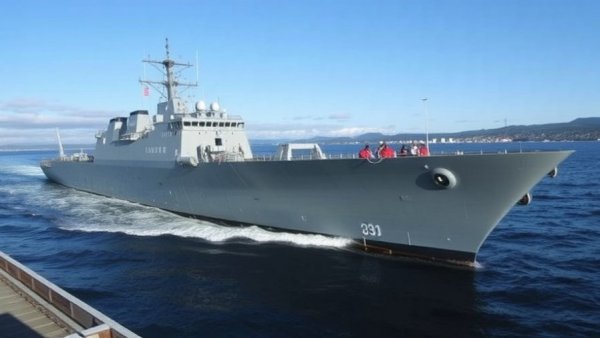
The return of the U.S. Coast Guard Cutter Storis to Seattle after its 133-day Arctic deployment signifies a pivotal moment in bolstering American operations in the fast-changing Arctic region. As the sole U.S. surface asset in the High Arctic, Storis has played a vital role in ensuring maritime safety, border control, and enforcement of sovereignty over U.S. waters. This deployment not only demonstrates the capacity of Storis as a medium polar icebreaker but underscores the United States' commitment to maintaining a presence in one of the most strategically important areas in the world.
Historic Missions in Extreme Conditions
Storis engaged in a variety of operations, including monitoring foreign-flagged vessels and conducting inspections of fishing vessels. Notably, it marked the first law enforcement mission by a polar icebreaker in over two decades. These missions illustrate the Coast Guard's adaptability and the importance of icebreakers in supporting national security objectives even amidst challenging conditions. With operations like this, the Coast Guard not only reinforces its law enforcement capabilities but also secures its interests in fishing and environmental regulations, safeguarding the delicate balance of the ecosystem in Arctic waters.
Technological Advancements and the Future of Arctic Operations
One of the remarkable features of Storis is its capability to test new technologies in extreme cold. During its patrol, Storis partnered with innovative research teams to evaluate unmanned aircraft systems. These tests are part of a broader mission known as the Icebreaker Collaboration Effort, which aims to enhance operational abilities in polar environments. The insights gleaned from these trials, which involved five sorties and totaled nine flight hours, will likely shape the Coast Guard's future missions, especially as climate change opens up new navigable routes in the Arctic. Integrating unmanned systems could significantly reduce risks to personnel while increasing operational efficiency.
Joint Naval Exercises: Strengthening Partnerships
Storis also participated in Operation Tundra Merlin, working collaboratively with Canadian naval forces. This joint operation highlights the importance of international cooperation in the Arctic, particularly as global interest in this region increases. Such collaborations are vital, not just for maritime security but also for sharing knowledge and resources among allied nations. The ability to work alongside the Royal Canadian Navy's HMCS Max Bernays (AOPV 432) enhances both countries' capabilities in monitoring and securing the Arctic, indicating a collective effort to respond to emerging challenges in the region.
The Importance of Education and Training for Coast Guard Personnel
Training in extreme conditions is crucial, and Storis recently conducted its first live-fire gunnery exercise in ice-covered waters. This exercise not only familiarized the crew with employing weapons under harsh weather but also produced valuable data expected to inform future training programs. Such training exercises are key to preparing the crew for potential national defense missions. The experience gained by the crew not only sets a new standard for operational readiness but also equips Coast Guard personnel to meet the intricate challenges posed by the Arctic environment, which is often unpredictable and harsh.
Embracing Change and Preparing for the Future
As Captain Corey Kerns noted, these operations occur during a period of significant change for both the Coast Guard and the broader global context. The successful deployment of Storis may well serve as a blueprint for future missions within the Arctic, reinforcing the commitment to maritime safety and national sovereignty. The conclusions drawn from its deployments and the capabilities shown promise to enhance the effectiveness of future polar operations. With the anticipated delivery of the new Polar Security Cutter class, Storis sets a precedent for the future of Arctic operations. Through advancements and successful missions, the Coast Guard is positioning itself to address the evolving dynamics in the Arctic, which will require flexibility and adaptation in the face of environmental changes and increasing shipping routes.
The Community's Role in Supporting the Coast Guard
As Storis returns to Seattle, the local community and officials acknowledge the role the Coast Guard plays not only in policing Arctic waters but also in safeguarding local interests. Awareness of their missions can encourage community support for future initiatives that aim to reinforce maritime security and environmental stewardship. Engaging with local communities about the Coast Guard’s missions fosters a broader understanding of the regional dynamics at play. Such education is vital as the effects of climate change gradually alter the landscape of the Arctic, affecting both human and wildlife populations. As the U.S. continues to navigate these changes, the successful deployment of Storis serves as a reminder of the dedication, professionalism, and adaptability of the Coast Guard's personnel in ensuring the safety and security of the nation’s interests in the Arctic.”


Write A Comment