
Moss Point Gulf Coast Tech
update

Gulf Coast Tech

update
  • Home
  • About
  • Categories
    • Tech News
    • Trending News
    • Tomorrow Tech
    • Disruption
    • Case Study
    • Infographic
    • Insurance
    • Shipbuilding
    • Technology
    • Final Expense
    • Expert Interview
    • Expert Comment
    • Shipyard Employee
  • Mississippio
August 11.2025
2 Minutes Read

U.S. Central Command Leadership Change: Gen. Kurilla to Adm. Cooper - What It Means

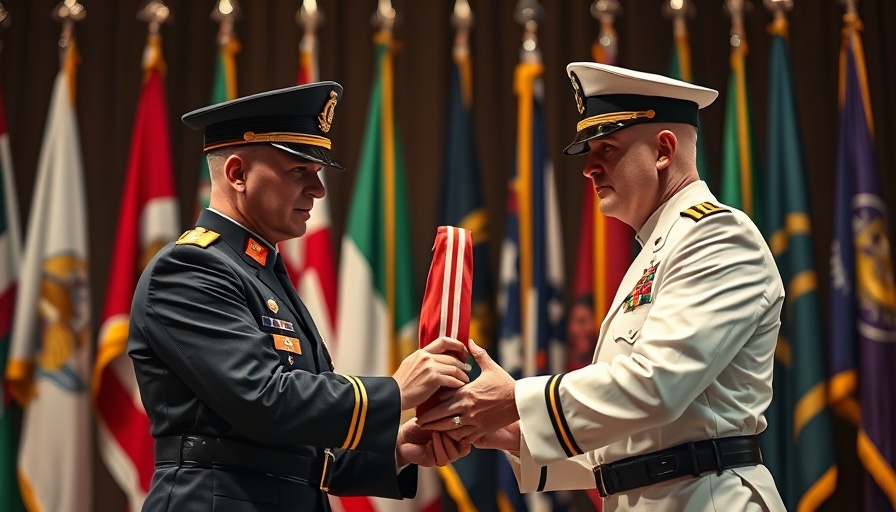
Military officers exchange flag during U.S. Central Command Leadership Transition.

Leadership Transition at U.S. Central Command

In a significant shift for U.S. Central Command (CENTCOM), General Eric Kurilla has officially handed over command to Admiral John Cooper. This transition marks a new chapter in leadership, setting the stage for updated strategies in critical regions globally. Gen. Kurilla, who has been at the helm of CENTCOM, is recognized for his strength in fostering collaborations in a complex security environment while addressing challenges ranging from counterterrorism to cybersecurity.

Gen. Kurilla's Legacy at CENTCOM

Over his tenure, Gen. Kurilla has been a pivotal figure in tackling numerous geopolitical issues in the Middle East and surrounding regions. His leadership style, characterized by openness and decisiveness, has forged essential alliances, particularly as the landscape of threats continually evolves. As he departs, there is a palpable sense of gratitude for his dedication to the troops and effectiveness in navigating challenging terrain.

Adm. Cooper: A New Vision

Stepping into this crucial role, Admiral Cooper is expected to bring a fresh perspective to CENTCOM. With a rich background in naval operations and strategy, Adm. Cooper aims to address both persistent threats and emerging challenges, ensuring that the U.S. remains well-prepared and adaptable. His previous roles demonstrate his focus on innovation and collaboration, fostering the kind of inter-agency cooperation necessary for success in today’s multifaceted security issues.

Strategic Implications of the Change

The leadership change at CENTCOM comes at a time when the U.S. faces dynamic challenges in the region, including unrest and the need for humanitarian assistance. Observers note that Admiral Cooper's experience may be instrumental in reinforcing alliances and optimizing operational capabilities alongside allied nations. The commitment to enhancing partnerships could ensure a more unified approach moving forward.

The Impact on Daily Life

For the communities that support our military, such transitions might feel distant but are intricately linked to national security and community resilience. Gen. Kurilla's initiatives significantly affected local engagement, from family support programs to community outreach that fostered connections between service members and civilians. Adm. Cooper's arrival signals potential for continuity and evolution in these valuable community ties.

Looking Ahead: What’s Next?

As the dust settles from this leadership change, both the military community and civilians alike watch with hopeful anticipation. The strategies and policies initiated now will set the tone for future engagements. It’s a moment to reflect on the importance of strong leadership in uncertain times, and to appreciate the human connections fostered between those who serve and the communities they protect.

Expert Interview

0 Comments

Write A Comment

*
*
Please complete the captcha to submit your comment.
Related Posts All Posts
06.05.2026

The Legacy of the Harrier: VMA-223 Honored Its Final Flight

Update Celebrating the Legacy of VMA-223 and the Harrier This June 3, 2026, marked the end of an era in Marine Corps aviation as the Marine Attack Squadron (VMA) 223, also known as “the Bulldogs,” held a heartfelt ‘sundown ceremony’ at Marine Corps Air Station Cherry Point, NC. Family members, veterans, local officials, and over 5,000 attendees gathered to honor the squadron's nearly 40 years of operational history with the iconic AV-8B Harrier II. Permeated by nostalgia and pride, the ceremony illuminated the aircraft’s extensive service, which included operations in diverse locations across the globe — from rugged terrains in Iraq to humanitarian missions in the Caribbean. “The Bulldogs are extremely proud to conduct the final Harrier operations for the U.S. Marine Corps,” stated Lt. Col. John B. Cumbie, the squadron’s commanding officer. This sentiment echoed the Harrier's legacy of courage, capability, and commitment. Aviation Evolution: Transition to the F-35B The retirement of the Harrier symbolizes not just a loss but a substantial transformation within military aviation, paving the way for the full integration of fifth-generation aircraft such as the F-35B Lightning II. Emphasized during the ceremony through a breathtaking five-aircraft formation flyover, the Harrier's transition into history embodies the evolution of warfare and technological advancements that define modern military strategy. Formation Flights: A Final Salute The highlight of the day was a formation flight featuring five Harrier jets, showcasing their unique Vertical/Short Take Off and Landing (V/STOL) capabilities. This aerial display was symbolic of the tremendous contributions the Harrier made throughout its lifecycle, from the Gulf War through multiple operations in the Middle East; it's a prowess in aviation that will be hard to forget. In this farewell, the aircraft received an affectionate salute from the crowd, reminiscent of the joy it brought through airshows and its service to both military operations and community events. Looking to the Future As VMA-223 prepares for its transition into Marine Fighter Attack Squadron (VMFA)-223 in 2028, the legacy of the Harrier will continue to influence military aviation strategy. The F-35B will carry the torch, retaining the necessary STOVL capabilities alongside advanced stealth features. This blend aims to provide the Marine Corps with the edge it needs to face future conflicts, affirming the need for continuous improvement in operational capabilities. The Sentimental Side of Farewell For many present at the ceremony, the Harrier’s retirement sparked emotional reflections on the significant role these aircraft played not only in military operations but also as a symbol of resilience and adaptability within the Marine Corps community. The aircraft has fostered a rich tradition among aviators and ground crews, forging bonds that extend beyond mere duty. The Harrier was not just a machine; it was a community built on dedication and expertise. The legacy of the Harrier, and by extension VMA-223, serves as a reminder that while technology changes, the commitment of those who serve remains steadfast. As the Marines continue to innovate and adapt, the spirit of the Harrier will live on in the newer generations of aviators who carry forth its tradition.

06.04.2026

Navy's Wellness and Food Service Programs Aim to Boost Sailor Wellbeing

Update Empowering Our Sailors: The Navy's New Wellness Initiative The Navy's Chief of Naval Installations Command (CNIC) is taking significant steps to improve the overall well-being of sailors and their families through innovative pilot programs. The recently launched wellness and food service initiatives aim to support the physical, mental, and social health of personnel stationed at Navy installations across the globe. With a focus on sustainable practices and community involvement, these programs are designed to enhance the quality of life for sailors, aligning with the Navy's dedication to supporting its service members beyond traditional military training. Why Wellness Matters for Our Navy Personnel In recent years, there has been an increasing awareness of the importance of mental health and well-being within military settings. Sailors face unique stressors that can affect their emotional and physical health, including deployments, long hours, and the challenges of reintegration into civilian life. By implementing wellness programs that include fitness activities, nutritional education, and mental health resources, the CNIC is showcasing a proactive approach to foster resilience and promote a healthy lifestyle among its personnel. Food Service Innovations Designed for Sailors The CNIC is not just focusing on wellness in a general sense but is also making strides in food service practices onboard naval facilities. The pilot programs aim to enhance dining experiences by introducing nutritious menu options that cater to the unique tastes and needs of sailors. By prioritizing healthy meals, the initiative promotes better eating habits, ultimately contributing to improved overall health. Community Engagement: A Crucial Element of Success These pilot programs do not operate in isolation; they rely heavily on community engagement and feedback. The Navy is actively seeking input from sailors and their families to ensure that the wellness and food service offerings meet their needs effectively. This collaborative approach not only enhances the design of the programs but also strengthens the sense of community within naval installations. Future Experiences: What Sailors Can Expect As these pilot programs roll out, sailors can expect an impactful change in their daily lives. Whether it's participating in wellness workshops or enjoying food that is both delicious and nutritious, the Navy is committed to making significant improvements. The emphasis on mental and physical health represents a crucial shift in how the military supports its personnel. Get Involved and Share Your Ideas! The Navy encourages all sailors and their families to engage with these new initiatives by providing feedback and sharing their experiences. The success of these programs ultimately depends on the participation and suggestions of the community. If you're stationed at a Navy installation, take the opportunity to voice your thoughts and contribute to shaping a healthier future!

06.03.2026

The ROMULUS USV: A Transformative Step in U.S. Navy Maritime Operations

Update Introducing the Future of Naval Autonomy: The ROMULUS USV The U.S. Navy is taking a significant leap into the future of maritime operations with the advancement of HII’s ROMULUS Unmanned Surface Vessel (USV) to at-sea testing. This initiative signals a pivotal moment in the military's push towards autonomous platforms, designed for enhanced operational flexibility and effectiveness. What Makes the ROMULUS USV Stand Out? What sets the ROMULUS USV apart is its advanced capabilities tailored for a wide range of missions including intelligence, surveillance, reconnaissance, and counter-terror operations. With its robust design and cutting-edge technology, ROMULUS embodies HII’s renowned commitment to delivering mission-ready autonomous solutions that meet the evolving needs of the U.S. Navy. Powered by HII’s Odyssey Autonomous Control Solutions, the ROMULUS vessels can operate with minimal human intervention, showcasing a future where naval fleets can engage more effectively without putting lives at risk. This is not just about replacing human roles in the naval force; it’s about augmenting capabilities, ensuring missions can be carried out with greater precision and safety. The Growing Need for Autonomous Maritime Technologies The Navy’s commitment to evaluating advanced maritime technologies like ROMULUS is reflective of a broader trend toward automation in military operations. As threats evolve, so too must the U.S. Navy’s strategies for maintaining maritime dominance. The successful testing of the ROMULUS could lead to significant production contracts, bolstering the Navy's modernization efforts in face of global challenges. Implications for Future Naval Operations Successful execution of the at-sea demonstrations, set to occur between June and October, will not only position ROMULUS for follow-on production awards but may redefine naval warfare strategies. As fleets worldwide adapt to incorporate unmanned systems, the U.S. is keenly aware that maintaining technological superiority is essential. The innovations of the ROMULUS USV could change how naval operations are conducted, greatly enhancing operational effectiveness. What’s Next for HII and ROMULUS? HII’s ambitious plans for the ROMULUS family, including upcoming prototypes and enhancements, illustrate the company’s vision for future naval warfare. The blend of manned and unmanned systems will provide more operational choices and adaptability, contributing to a dynamic naval strategy that encompasses the unpredictability of modern warfare. As we look ahead, keeping an eye on the outcomes of the ROMULUS USV's testing will be critical. The ongoing collaboration between military and technological sectors signifies a promising era in which the U.S. Navy leads the way in autonomous maritime capabilities.

Terms of Service

Privacy Policy

Core Modal Title

Sorry, no results found

You Might Find These Articles Interesting

T
Please Check Your Email
We Will Be Following Up Shortly
*
*
*