

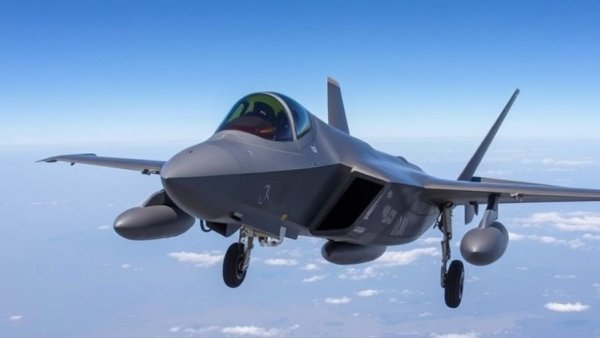
Understanding the Significance of the F135 Engine Contract
The recent announcement of a $2.53 billion contract awarded to Pratt & Whitney marks a pivotal moment in the sustainment of the F135 propulsion system for the F-35 Lightning II aircraft. This investment not only demonstrates the ongoing commitment of the U.S. Navy to enhance its air power capabilities but also reflects the vital importance of these advanced engines in ensuring military readiness.
The Importance of F-35s and Their Implications for National Security
The F-35 Joint Strike Fighter is heralded as one of the most advanced military aircraft in operation today. With its ability to perform at an optimal level across numerous terrains and missions, the F-35 represents a significant leap in modern warfare technology. The F135 engine plays a critical role, delivering over 40,000 pounds of thrust, enabling the aircraft to achieve superior performance. Every dollar invested in the F135 contract equates to enhanced national security, given its role in the defense capabilities of the U.S. and allied nations.
Where the Work Will Be Done: Economic Impact Across Locations
The contract work will occur in various key locations, including significant contributions from East Hartford, Connecticut, where 40% of the work will be undertaken. This distribution of operations creates numerous job opportunities and boosts local economies, demonstrating how defense contracts can bring economic sustenance to regions. Locations like Oklahoma City, known for its robust aerospace sector, and others in the U.S. and internationally will also play a role in this expansive project.
The Process of Awarding the Contract: A Competitive Landscape?
Notably, the $2.53 billion contract was not competitively procured, which raises questions regarding the methods and fairness of contract awards for defense undertakings. The decision to award the contract directly to Pratt & Whitney underscores the trust the Department of Defense places in historical partnerships but also leaves room for discussion about fostering competition to stimulate innovation and cost-effectiveness within the industry.
Prior Contracts and Strategic Planning for the F-35
This latest award comes on the heels of previous actions, such as modifications and additional contracts focused on long-lead materials for the F135. This strategic planning ensures that the F-35 meets escalating demands and operational requirements in a time of increasing global military competition. Contracts like these illustrate a proactive approach to engineering challenges, ensuring that logistical support and resources are aligned with military objectives.
Future Predictions: The Evolution of Military Aviation Technology
The foresight of the U.S. military in investing in advanced engine technology signifies a greater trend: the ongoing evolution of military aviation. With competition rising on the global stage and innovations in aircraft systems becoming more rapid, such contracts are not only about maintaining what exists but also about paving the way for future technologies. The integration of artificial intelligence and enhanced materials is likely to shape upcoming iterations of F-35 engines, reflecting the broader tech trends affecting military capabilities.
As we observe the funding and distribution of resources towards advanced military technology, it becomes evident that maintaining an edge in defense capabilities is not just a matter of finances, but rather an intertwining of strategy, readiness, and innovation. The implications of this contract touch not only the aviation sector but ripple through economic and political landscapes beyond.
In summary, the $2.53 billion sustainment contract for the F135 engine is not just a contract; it is a significant step towards strengthening national defense and supporting local economies through job creation. As this project progresses, it will be crucial to monitor its impact on both military readiness and technological advancement in aviation.



Write A Comment