

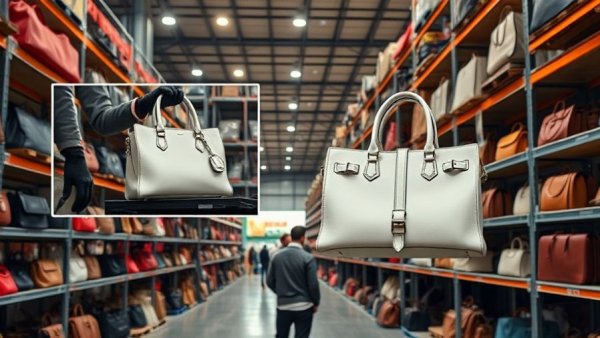
The Rise of Secondhand Luxury in China
With a booming middle class and changing consumer values, China is experiencing a '$4 billion secondhand luxury boom' that marks a significant shift in its retail landscape. In contrast to a culture traditionally captivated by the allure of brand-new goods, more consumers are opting for preloved items as a status symbol.
Why the Shift to Secondhand?
This transformation is influenced by several factors. Initially, the acceptance of secondhand luxury goods, once viewed with a tinge of stigma, has now grown due to environmental consciousness. Younger consumers, particularly millennials and Gen Z, are increasingly motivated by sustainability and unique fashion finds. This demographic values authenticity over the conventional allure of brand-new items, shifting perceptions of luxury consumption.
What’s Driving the Market?
The secondhand luxury market in China is being propelled by e-commerce platforms that provide accessibility to shoppers eager to find high-end brands at a fraction of the retail price. Companies like Secoo and Poshmark are tapping into this demand, offering a variety of products ranging from designer handbags to exclusive clothing lines. Through user-friendly apps and extensive product verification processes, these platforms make it easy for consumers to buy and sell, facilitating a vibrant ecosystem that thrives on trust and community.
Economic and Cultural Impact
The embrace of secondhand luxury does more than affect consumer behavior—it reflects broader societal changes. As China navigates economic fluctuations and a global focus on sustainability, secondhand luxury serves as a response to external pressures, including corporate responsibility and consumer ethics. This cultural pivot toward resale may also impact future market trends, potentially leading to more businesses focusing on circular economies.
Future Insights: The Next Steps
Looking ahead, the potential for growth in this sector seems limitless. Analysts predict further integration of technology in this domain, including augmented reality and AI to enhance the customer experience. The rise of digital platforms is not just reshaping shopping; it’s redefining what it means to possess something luxurious. This trend may trigger an exciting wave of innovation in how brands approach not only sales but the lifecycle of their products.
Your Role in This New Consumer Landscape
As consumers, understanding this shift opens up new avenues not only for shopping but for influencing sustainable practices. Supporting resale markets can pave the way for a more responsible approach to luxury consumption. Whether it’s buying a coveted handbag or participating in resale platforms, every choice can contribute to a more responsible retail ecosystem.




Write A Comment