
Add Row
Add Element

Add Element
Moss Point Gulf Coast Tech
update

Gulf Coast Tech

update
Add Element
  • Home
  • About
  • Categories
    • Tech News
    • Trending News
    • Tomorrow Tech
    • Disruption
    • Case Study
    • Infographic
    • Insurance
    • Shipbuilding
    • Technology
    • Final Expense
    • Expert Interview
    • Expert Comment
    • Shipyard Employee
  • Mississippio
September 11.2025
3 Minutes Read

Discover the Airmid: A Pioneering Classic Tunnel Catamaran

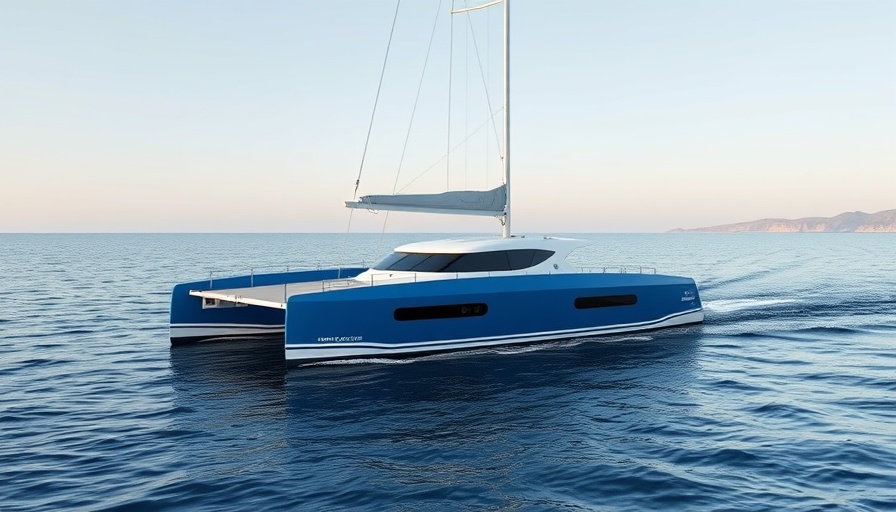
Sleek blue classic tunnel catamaran Airmid on calm sea, distant shore visible.

The New Airmid: A Blend of Innovation and Tradition

In the picturesque waters of Kodiak, Alaska, BRIX Marine has unveiled the Airmid, a 38-foot classic tunnel catamaran designed to cater to recreational fishing enthusiasts and adventurers alike. Powered by twin Yamaha XTO 425-horsepower outboards, this vessel is a testament to modern engineering and traditional craftsmanship, promising a unique blend of performance and comfort for those who value both efficiency and adventure.

Specifications That Set It Apart

The Airmid is part of BRIX Marine’s popular RecPro lineup and boasts numerous features that enhance its usability. The boat's structural integrity is fortified with dual 250-gallon fuel tanks and a robust 6 kW Northern Lights diesel generator. This power set-up allows for extended autonomy, ensuring that every adventure can be carried out without worrying about fuel or battery limits. With Helm Master EX joystick steering, maneuvering through rough waters becomes significantly simplified, even for novice boaters.

Designed for the Fishing Enthusiast

Designed with fishermen in mind, the Airmid comes equipped with dual fish lockers, a fish-cleaning station, and integrated downrigger pads, allowing for seamless angling. Additionally, the vessel is fitted with an Electra-Dyne pot puller, making it easier to haul in a catch. Every aspect of this boat, from rod storage on the cabin roof to the convenience of a removable davit and rooftop davit, reflects the meticulous attention given to a fisherman’s needs. The cabin also features a well-equipped galley that includes modern amenities like a refrigerator-freezer, cooktop, and microwave, supporting those who wish to extend their fishing trips.

Home Comforts on Water

Maintaining a cozy environment while out at sea is essential, and the Airmid excels in this area. The cabin is fully insulated and designed for longer trips. A helm chair on a Shockwave suspension module and a convertible settee add to the comfort, while split cuddy staterooms offer private resting areas. Modern heating and defrost systems enhance the overall experience, ensuring that even in colder climates, occupants can stay warm and comfortable. These thoughtful designs illustrate the collaborative process between BRIX Marine’s clientele and their dedicated design team, making the Airmid as unique as its owners.

Electronics and Communication Features

In an era where connectivity is paramount, the Airmid comes equipped with top-tier electronics. The Garmin GPSMAP suite, featuring multifunction displays, keeps navigators on course, while the VHF with hailer ensures smooth communication. Moreover, with STARLINK satellite connectivity, the vessel is equipped to keep occupants connected even far from shore. The inclusion of a Sionyx Nightwave low-light camera and an aft-deck camera enhances security and navigation, making Airmid not only a pleasure craft but a safe one as well.

A Testament to Customer Satisfaction

The feedback from the current owners, who reportedly have run the Airmid from Port Angeles to Kodiak, speaks volumes about the vessel's capabilities. The owners’ experience—"The trip went really well—the boat handled beautifully, and everywhere we went people stopped to compliment her"—attests to the quality and appeal of BRIX Marine's craftsmanship. Such endorsements only solidify Airmid’s potential as a favorite among recreational boaters in Alaska.

The Future of Recreational Boating

The Airmid exemplifies the type of dual-purpose vessels that are becoming increasingly popular. As recreational boating grows in popularity post-pandemic, the demand for durable, comfortable, and well-equipped vessels continues to rise. BRIX Marine is strategically positioned to meet this need, indicating a promising future for both the company and its clientele.

For anyone interested in innovative marine technology and exceptional craftsmanship, the Airmid offers a glimpse into the future of recreational boating, combining comfort, efficiency, and flexibility in one impressive package. Consider exploring what BRIX Marine has to offer or planning your next experience on the water with a vessel that meets both passion and practicality.

Tomorrow Tech

0 Comments

Write A Comment

*
*
Please complete the captcha to submit your comment.
Related Posts All Posts
04.04.2026

Exploring Regulatory-Compliant Methanol Bunkering for Sustainable Shipping

Update A New Era of Methanol Bunkering in the U.S. In a recent surge towards regulatory-compliant marine fuel alternatives, World Fuel Services and West Coast Clean Fuels have achieved a notable milestone with the establishment of a robust methanol bunkering infrastructure across U.S. ports. This strategic collaboration is set against the backdrop of mounting global efforts to reduce maritime emissions, responding to the urgent need for cleaner fuel options in shipping. Partnership Committed to Clean Energy Through a successful truck-to-ship methanol fuel delivery in South Florida, these companies have exemplified a safe, scalable solution ready for nationwide deployment. As the U.S. Coast Guard approves these procedures, we see a pivotal shift that facilitates the transition towards low-emission fuels—highlighting methanol's growing role in compliant marine fuel strategies. Understanding Methanol as a Marine Fuel Alternative Methanol poses several advantages in the maritime sector. As a renewable fuel that can be derived from biomass and captured carbon, its use presents both an economic and sustainable choice for vessel operators. The simplicity of methanol bunkering infrastructure, paired with its compatibility with dual-fuel engines, offers shipowners a flexible fuel solution. Global Developments Reinforcing Methanol's Viability Internationally, momentum toward methanol usage is building, as seen in Norway and Singapore's initiatives. Norway has launched bio-methanol-powered vessels designed to minimize carbon output, while Singapore's regulatory roadmap aims to support methanol bunkering by ensuring licensed fuel supply adheres to stringent carbon intensity standards. These global examples illustrate methanol's viability as a cleaner fuel alternative, paving the way for a more sustainable future in maritime operations. Challenges and Opportunities Ahead Despite the promise of methanol, challenges remain. Key hurdles include the need for adequate supply and infrastructure, as it is essential for suppliers to deliver safe and reliable sources of methanol to meet the expected demand. The licensing and regulatory frameworks emerging encourage adherence to safety protocols and operational readiness among suppliers, ensuring that only manufacturers equipped for the transition into this future are allowed participation. The Future of Bunkering: Riding the Wave of Change As the broader maritime industry embraces a green transition, the spotlight on methanol promises a fascinating evolution in fuel strategy. The seamless collaboration between World Fuel Services and West Coast Clean Fuels exemplifies the necessity of partnership in achieving industry-wide objectives, ensuring safe and efficient delivery mechanisms across U.S. ports. Making Your Move: Decisions for Shipowners and Operators For vessel owners and operators considering incorporating methanol into their fueling strategies, the time is ripe. They now have access to a fully functional bunkering system and the backing of experienced suppliers equipped to guide them through this transition. This collaboration presents not just opportunities for reducing emissions but also potential economic benefits amid evolving regulations and market dynamics. The maritime sector's ongoing evolution towards more sustainable options underscores the urgency of adapting fuel strategies now as the industry pivots towards greener alternatives. Embracing methanol can help mitigate compliance challenges and position operators favorably in an increasingly eco-conscious global market. As you consider the feasibility and implementation of methanol in your operations, take advantage of the knowledge and support available to facilitate this transition.

04.02.2026

Marine Group Boat Works Builds Advanced Training Simulator for Harbor Police

Update Marine Group Boat Works Secures Vital Contract Marine Group Boat Works (MGBW) has taken a significant step in enhancing maritime safety by securing a contract to build a state-of-the-art multi-deck live fire training simulator for the San Diego Harbor Police Department. The simulator will be installed aboard an existing LCM-8 troop landing vessel, transforming it into a comprehensive training platform aimed at preparing law enforcement for real-world maritime emergencies. Enhancing Emergency Response Capabilities This advanced training simulator will serve as a crucial asset for strengthening the San Diego Harbor Police's emergency response capabilities. Equipped with two burn chambers, it operates as a Class “B” burn prop fueled by propane, producing controlled fire conditions that closely mimic emergencies onboard actual vessels. This hands-on training environment is designed to improve readiness and coordination among local first responders, ensuring they are adequately prepared for any maritime challenges that arise. The Need for Realistic Training As maritime operations continue to expand, the need for realistic training scenarios is more pressing than ever. The simulator, with its design that mirrors the interior configuration of active ships—including doors, hatches, and stairwells—will allow trainees to practice crucial navigation and emergency response techniques under high-stress conditions. The immediate availability of such training in San Diego Bay means that officers can conduct live fire exercises locally, which is not only logistically advantageous but also enhances safety for both responders and the public. Long-term Impact on Public Safety Harbor Police Chief Magda Fernandez remarked on the simulator's importance, stating that it is essential for maintaining a high level of readiness among officers tasked with protecting the waterfront. By investing in such innovative training tools, the San Diego Harbor Police Department demonstrates a commitment to public safety and effective emergency response planning. Marine Group's Role in Shipbuilding Having decades of experience in shipbuilding and repair, Marine Group Boat Works is well-equipped to deliver this project successfully. Their facilities in San Diego and Los Cabos boast advanced capabilities, allowing for effective integration of design and engineering expertise. The company assures ongoing maintenance support for the simulator to ensure it continues to meet stringent safety standards while serving as a reliable asset for training. Looking Ahead: Future Predictions for Maritime Training The establishment of advanced training facilities like the one being developed in San Diego is indicative of a broader trend in public safety and maritime operations. As global maritime activities become increasingly complex, regions with robust training infrastructure will be better positioned to handle emergencies effectively. The lessons learned and skills developed through these simulators could also pave the way for future advancements in maritime safety protocols. This contract further underscores the importance of collaboration between local law enforcement and marine industry players to foster a safer maritime environment. As we move forward, communities may benefit from ongoing improvements in training technologies, leading to even better preparedness and response tactics in the face of emergencies.

04.01.2026

Conrad Industries Reports Strong Profit Growth Despite Challenging Conditions

Update Conrad Industries Reports Profit Surge Amid ChallengesConrad Industries, Inc. (OTCID: CNRD) recently revealed its financial results for 2025, showcasing a notable recovery in operating results despite facing a myriad of challenges. The company's net income increased significantly to $19.9 million from $11.2 million in 2024, aided by strong performance across various segments of the business.Cecil A. Hernandez, the CEO of Conrad, emphasized, "Our operating results improved in 2025 despite a continued challenging environment marked by steel tariffs, elevated material costs, labor constraints, and broader economic and geopolitical uncertainty." These external pressures have created delays in contract awards; however, Conrad remains optimistic about the future due to its strategic diversification and firm execution across multiple markets.Exploring Strategic Diversification and AdaptabilityConrad’s long-term strategy includes diversifying into industrial fabrication, which complements its core shipbuilding operations. By branching out into new areas, the company not only aims for incremental opportunities but also seeks to bolster its existing skills and technologies. Hernandez mentioned the importance of being adaptable to changing market conditions, stating, "Together with our core shipbuilding and repair operations, we believe these efforts will help position us to navigate uncertainty while continuing to strengthen our business." This diversification is set against the backdrop of a consolidated effort to align the five Gulf Coast facilities into a coordinated production system, enhancing efficiency across government and commercial programs.Insights from Industry Trends: What’s Next for Shipbuilding?The shipbuilding industry as a whole is experiencing a transformation, influenced by technological advancements and a renewed emphasis on sustainability. Companies like Conrad that focus on harnessing their existing capabilities while investing in new technologies are more likely to thrive. An industry report notes that the demand for defense and infrastructure projects will continue to rise, leading to opportunities for companies that adapt quickly and efficiently to new challenges.Economic Factors that Impact the Shipbuilding SectorThe economic landscape remains turbulent, influenced by factors such as inflation, supply chain disruptions, and ever-changing government support policies. Tariffs on steel and materials continue to impact the costs of shipbuilding, thereby affecting profit margins. Conrad's strategic emphasis on maintaining workforce stability and rigorous project execution aims to mitigate some of these external pressures, allowing them to uphold quality standards while remaining competitive.The Role of Workforce Commitment in Business SuccessA critical component of Conrad’s enduring success is its dedicated workforce. Hernandez highlighted that the commitment to safety, quality, and execution is what sets the company apart. This human element of business often doesn’t receive enough focus, but it’s essential for fostering an environment where innovation and improvement can flourish.Conclusion: Navigating Forward with OptimismConrad Industries has shown resilience and adaptability in an industry rife with challenges, positioning itself not just to survive but to thrive in an uncertain future. Their focus on diversifying into complementary sectors while aligning resources for improved efficiency presents a unique model for success in the shipbuilding landscape. As we move into 2026, it will be fascinating to observe how these strategies unfold and the potential impact on not just Conrad but the wider industry.

Terms of Service

Privacy Policy

Core Modal Title

Sorry, no results found

You Might Find These Articles Interesting

T
Please Check Your Email
We Will Be Following Up Shortly
*
*
*