Moss Point Gulf Coast Tech

Gulf Coast Tech

  • Home
  • About
  • Categories
    • Tech News
    • Trending News
    • Tomorrow Tech
    • Disruption
    • Case Study
    • Infographic
    • Insurance
    • Shipbuilding
    • Technology
    • Final Expense
    • Expert Interview
    • Expert Comment
    • Shipyard Employee
  • Mississippio
November 20.2026
3 Minutes Read

How the $294M Investment Will Transform Plaquemines Parish's Industry

Four companies invest $294M to establish new Plaquemines Parish industrial park

The Ambitious Plan for Plaquemines Parish

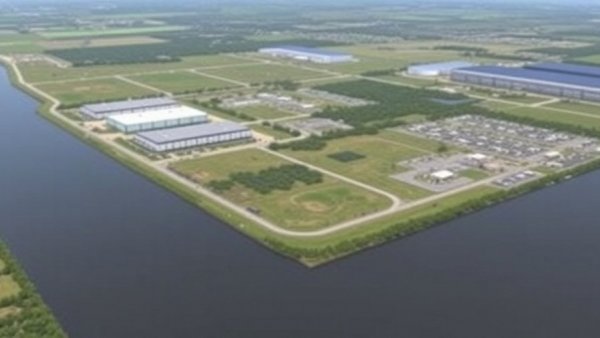
In a significant development for Plaquemines Parish, Louisiana, four companies are pouring a staggering $294.1 million into creating a new 300-acre industrial campus. This ambitious venture encompasses major players like American Gulf Marine Terminals, LA Cement Works, Cemtech USA, and LA Gypsum, who aim to forge an integrated supply chain dedicated to essential construction materials. The focus is clear: to bolster domestic production capabilities while enhancing regional distribution.

Job Creation and Economic Growth

The impact of this investment is twofold: not only is it set to create an estimated 250 direct jobs with an average salary of $70,000, but it’s also predicted to generate an additional 281 indirect jobs, leading to a total of 531 new job opportunities in the southeast region. Louisiana Governor Jeff Landry emphasized the significance of such projects, stating, “America’s industrial growth runs through Louisiana.” This investment not only reinforces Louisiana’s role as an industrial leader but also signifies a broader trend of revitalization across the manufacturing landscape in the region.

Strategic Infrastructure Development

American Gulf Marine Terminals, LLC is set to play a pivotal role in this endeavor by establishing a marine terminal named AGM-Point Celeste. This terminal will act as the logistical backbone of the industrial park, facilitating the transportation of raw materials to manufacturing facilities while ensuring the distribution of finished products throughout the Gulf Coast. Mike Peek, the president of AGM-Point Celeste, noted, “Louisiana’s unmatched access to global waterways has long positioned the state as a leader in international commerce.” This access not only optimizes shipping routes but also strengthens the supply chain necessary for industrial development.

The Future of Marine Logistics in Louisiana

Set to break ground in the fourth quarter of 2026, the terminal at Mississippi River Mile Marker 52 will be designed to accommodate both inland and oceangoing vessels. Such modern facility enhancements promise to advance the region's capacity to handle diverse cargo including raw materials and finished products. The focus on marine logistics can't be understated; it’s crucial in connecting raw material supply chains with on-site manufacturing and broader distribution systems.

Laying the Groundwork for Success

With initial operations projected for the first quarter of 2027, the Plaquemines Parish industrial park represents more than just an investment in land and facilities; it embodies a commitment to growing Louisiana’s industrial ecosystem. As industries advance and adapt, the integration of technologies that support effective production and logistics will be vital.

Looking Ahead: Impacts on Local Communities

This project could potentially reshape local communities by creating modern job opportunities equipped with competitive salaries. It also encourages a closer connection between residents and local industry, offering hope for revitalization in areas that may have seen economic downturns.

Call to Action: Engaging with Local Industry

For residents and businesses in the region, staying informed about the developments of the Plaquemines Parish industrial park is crucial. Engaging with local industry initiatives not only supports community growth but also ensures that local voices are heard as this pivotal project unfolds.

Tomorrow Tech

0 Comments

Write A Comment

*
*
Please complete the captcha to submit your comment.
Related Posts All Posts
11.20.2026

Seasats Revolutionizes Naval Warfare with Quickfish and Altius-600M Integration

Update Seasats Doubling Down on Naval Innovation In a groundbreaking move for naval warfare technology, Seasats, based in San Diego, has successfully integrated Anduril Industries’ Altius-600M loitering munition into its Quickfish unmanned surface vessel (USV). This integration marks a significant advancement, endowing Quickfish with long-range strike capabilities designed to engage higher-end maritime targets effectively. The development is not just a technical upgrade; it represents a paradigm shift in how the military might approach maritime security and combat in a rapidly evolving global landscape. Enhancing Sea Denial Capabilities Seasats has emphasized the importance of affordable solutions in maritime operations. With the ongoing geopolitical tensions in various coastal regions, the ability to expand sea denial capacity through low-cost, scalable strike USVs is becoming increasingly crucial. Quickfish’s enhanced functionalities open the door for modern naval strategies that can operate over longer distances while maintaining flexibility and speed. Capable of speeds up to 40 knots and prolonged stationing for weeks, the Quickfish allows for agile maneuvers in response to evolving mission requirements. The Future of Strike Drones In recent demonstrations, Seasats showcased the versatility of Quickfish by successfully employing different types of payloads, including Neros Archer drones—further solidifying its platform as a modular powerhouse. The integration of Altius-600M adds a layer of depth by enabling maritime strike missions against larger surface vessels. What does this mean for future naval operations? It suggests a shift toward a network of interconnected systems where the capabilities of unmanned vessels and precision munitions combine to enhance overall operational effectiveness. Global Reach Through Remote Operations One striking aspect of this integration is its remote operational capability. Operators can control Quickfish and Altius missions from anywhere in the world, allowing naval forces to eliminate threats without risking personnel. This reflects a growing trend in military strategies that prioritize distance, safety, and efficiency, matching the modern demands of global engagement where quick response to threats is vital. The Role of Modular Design in Modern Warfare As Fontaine Alexander of Anduril Industries points out, Quickfish’s enclosure and modular payload bay allow seamless integration of diverse munitions configurations. This modularity is not just a design choice—it's a tactical advantage. The ability to switch between different payloads enhances operational capabilities and extends the vessel’s utility in various combat scenarios. Indeed, the flexibility offered by Quickfish could lead to a wider acceptance of modular, adaptable systems in military fleets worldwide. Strategic Partnerships and Future Prospects Seasats is not going alone in this venture; with a robust portfolio of over $100 million in contracts with U.S. government entities and partnerships with companies like L3Harris Technologies and Shield Capital, the future of naval operations appears bright. As unmanned systems gain traction in military environments, the collaboration between technology firms and defense contractors will play a pivotal role in shaping innovations that will redefine how naval forces operate. Critical Implications for Global Navy Strategies As naval warfare evolves, the implications of integrating systems like Quickfish with long-range strike capabilities extend far beyond technological advancements. They speak to broader strategies where nations seek to secure maritime domains without increasing risks to personnel. Understanding these shifts not only informs military strategists but also impacts regional security dynamics as states position themselves to deter threats effectively with cost-efficient technologies. This development urges stakeholders to reassess existing naval strategies and frameworks in light of emerging realities in maritime combat. In conclusion, Seasats' advancements with Quickfish and the Altius munitions system highlight a significant transition in naval warfare, where the integration of technology fosters unprecedented operational capabilities. As military tactics become increasingly reliant on unmanned systems, the future is not only about enhanced firepower but also about strategic agility in a complex global landscape.

11.19.2026

Global Shipping Organizations Demand Unified GHG Regulations: The Path Forward

Update Global Shipping Faces a Crucial Decarbonization Challenge As the shipping industry continues to grapple with its significant role in global greenhouse gas (GHG) emissions, a critical meeting looms on the horizon. The Marine Environment Protection Committee (MEPC 85) will convene in London from November 30 to December 4, where ambitious plans for achieving net-zero GHG emissions by or close to 2050 will be revisited. After last year's inability to adopt crucial carbon price proposals, shipping organizations are voicing a pressing need for coordinated global regulations that address climate goals without causing operational chaos within the industry. The Consensus from Leading Shipping Organizations Major shipping players, including BIMCO, CLIA, IBIA, ICS, and more have come together to promote a unified call to action. Their joint statement emphasizes the necessity for a robust regulatory framework that is practical, enforceable, and supportive of technological advancements in alternative fuels. Notably absent from their statement is a direct mention of carbon pricing, suggesting a shift in strategy towards cooperative governance rather than punitive fiscal measures. Why a Global Approach Is Essential The international nature of the shipping industry necessitates a global solution—local regulations or fragmented policies could lead to compliance chaos and unfair competition. The organizations stress that only a cohesive legal framework can facilitate the transition to lower GHG fuels while ensuring a level playing field among shipping companies worldwide. They advocate for international rules that equally apply to all vessels, mitigating the risk of conflicting requirements. Investment Certainty Is Key for Transition According to industry experts, achieving effective decarbonization in the maritime sector requires substantial investment. Stakeholders, including shipowners and fuel producers, demand regulatory certainty to foster sustainable investments. The shipping industry has already allocated billions towards building modern ships that can leverage alternative low GHG fuels. Without a clearly defined regulatory environment that supports these investments, it's unlikely we will see the innovations needed to meet GHG targets. Identifying Opportunities Among Challenges Despite the hurdles, the shipping industry views this as an opportunity to drive innovation and improved practices. The adoption of flexible compliance mechanisms is one of the key proposals that can help companies tailor their transition strategies according to their capacities. This is particularly vital for smaller operators, who may lack the resources to rapidly adapt to new regulations. Future Regulations Must Be Strong Yet Flexible For regulations to be truly effective, they should reward verifiable emissions reductions. Proposals that include incentives for further investments will likely yield more substantial results. At the MEPC 85, there is hope that member states will foster an environment where collaboration leads to universally effective regulations, balancing the competing priorities of environmental sustainability and economic viability. Conclusion: The Road Ahead for Shipping The upcoming discussions at MEPC 85 mark a pivotal moment for international shipping. The maritime community is poised to make significant strides toward decarbonization, provided that member states can engage constructively and work toward a balanced regulatory framework. This framework should not only facilitate compliance but also be a catalyst for innovation and investment in cleaner technologies. A successful outcome could redefine the future of global shipping and its role in addressing climate change.

11.17.2026

The Impact of Storis's 133-Day Arctic Deployment on U.S. Maritime Strategy

Update Reinforcing U.S. Maritime Strategy in the Arctic The return of the U.S. Coast Guard Cutter Storis to Seattle after its 133-day Arctic deployment signifies a pivotal moment in bolstering American operations in the fast-changing Arctic region. As the sole U.S. surface asset in the High Arctic, Storis has played a vital role in ensuring maritime safety, border control, and enforcement of sovereignty over U.S. waters. This deployment not only demonstrates the capacity of Storis as a medium polar icebreaker but underscores the United States' commitment to maintaining a presence in one of the most strategically important areas in the world. Historic Missions in Extreme Conditions Storis engaged in a variety of operations, including monitoring foreign-flagged vessels and conducting inspections of fishing vessels. Notably, it marked the first law enforcement mission by a polar icebreaker in over two decades. These missions illustrate the Coast Guard's adaptability and the importance of icebreakers in supporting national security objectives even amidst challenging conditions. With operations like this, the Coast Guard not only reinforces its law enforcement capabilities but also secures its interests in fishing and environmental regulations, safeguarding the delicate balance of the ecosystem in Arctic waters. Technological Advancements and the Future of Arctic Operations One of the remarkable features of Storis is its capability to test new technologies in extreme cold. During its patrol, Storis partnered with innovative research teams to evaluate unmanned aircraft systems. These tests are part of a broader mission known as the Icebreaker Collaboration Effort, which aims to enhance operational abilities in polar environments. The insights gleaned from these trials, which involved five sorties and totaled nine flight hours, will likely shape the Coast Guard's future missions, especially as climate change opens up new navigable routes in the Arctic. Integrating unmanned systems could significantly reduce risks to personnel while increasing operational efficiency. Joint Naval Exercises: Strengthening Partnerships Storis also participated in Operation Tundra Merlin, working collaboratively with Canadian naval forces. This joint operation highlights the importance of international cooperation in the Arctic, particularly as global interest in this region increases. Such collaborations are vital, not just for maritime security but also for sharing knowledge and resources among allied nations. The ability to work alongside the Royal Canadian Navy's HMCS Max Bernays (AOPV 432) enhances both countries' capabilities in monitoring and securing the Arctic, indicating a collective effort to respond to emerging challenges in the region. The Importance of Education and Training for Coast Guard Personnel Training in extreme conditions is crucial, and Storis recently conducted its first live-fire gunnery exercise in ice-covered waters. This exercise not only familiarized the crew with employing weapons under harsh weather but also produced valuable data expected to inform future training programs. Such training exercises are key to preparing the crew for potential national defense missions. The experience gained by the crew not only sets a new standard for operational readiness but also equips Coast Guard personnel to meet the intricate challenges posed by the Arctic environment, which is often unpredictable and harsh. Embracing Change and Preparing for the Future As Captain Corey Kerns noted, these operations occur during a period of significant change for both the Coast Guard and the broader global context. The successful deployment of Storis may well serve as a blueprint for future missions within the Arctic, reinforcing the commitment to maritime safety and national sovereignty. The conclusions drawn from its deployments and the capabilities shown promise to enhance the effectiveness of future polar operations. With the anticipated delivery of the new Polar Security Cutter class, Storis sets a precedent for the future of Arctic operations. Through advancements and successful missions, the Coast Guard is positioning itself to address the evolving dynamics in the Arctic, which will require flexibility and adaptation in the face of environmental changes and increasing shipping routes. The Community's Role in Supporting the Coast Guard As Storis returns to Seattle, the local community and officials acknowledge the role the Coast Guard plays not only in policing Arctic waters but also in safeguarding local interests. Awareness of their missions can encourage community support for future initiatives that aim to reinforce maritime security and environmental stewardship. Engaging with local communities about the Coast Guard’s missions fosters a broader understanding of the regional dynamics at play. Such education is vital as the effects of climate change gradually alter the landscape of the Arctic, affecting both human and wildlife populations. As the U.S. continues to navigate these changes, the successful deployment of Storis serves as a reminder of the dedication, professionalism, and adaptability of the Coast Guard's personnel in ensuring the safety and security of the nation’s interests in the Arctic.”

Gulf Coast Tech

Moss Point Gulf Coast Tech, your premier destination for the latest tech news and innovations shaping the Gulf Coast and beyond.

228 355 0244

AVAILABLE FROM 10AM - 9PM

Pascagoula, Mississippi

3414 Shortcut Rd.
Pascagoula, MS 39581 USA

ABOUT US

Gulf Coast Tech delivers the latest tech news and innovations to the Gulf Coast audience every day.

© 2026 JimBroad Media All Rights Reserved. 3414 Shortcut Rd, Pascagoula, MS 39581 . Contact Us . Terms of Service . Privacy Policy

eyJjb21wYW55IjoiSmltQnJvYWQgTWVkaWEiLCJhZGRyZXNzIjoiMzQxNCBTaG9ydGN1dCBSZCwgUGFzY2Fnb3VsYSwgTVMgMzk1ODEiLCJjaXR5IjoiUGFzY2Fnb3VsYSIsInN0YXRlIjoiTVMiLCJ6aXAiOiIzOTU4MSIsImVtYWlsIjoiamltQHJicHRlYW0uY29tIiwidG9zIjoiUEhBK1BITjBjbTl1Wno0OFpXMCtWMmhsYmlCNWIzVWdjMmxuYmkxcGJpQjNhWFJvSUhWekxDQjViM1VnWVhKbElHZHBkbWx1WnladVluTndPeUI1YjNWeUlIQmxjbTFwYzNOcGIyNGdZVzVrSUdOdmJuTmxiblFnZEc4Z2MyVnVaQ0I1YjNVZ1pXMWhhV3dnWVc1a0wyOXlJRk5OVXlCMFpYaDBJRzFsYzNOaFoyVnpMaUJDZVNCamFHVmphMmx1WnlCMGFHVWdWR1Z5YlhNZ1lXNWtJRU52Ym1ScGRHbHZibk1nWW05NElHRnVaQ0JpZVNCemFXZHVhVzVuSUdsdUlIbHZkU0JoZFhSdmJXRjBhV05oYkd4NUlHTnZibVpwY20wZ2RHaGhkQ0I1YjNVZ1lXTmpaWEIwSUdGc2JDQjBaWEp0Y3lCcGJpQjBhR2x6SUdGbmNtVmxiV1Z1ZEM0OEwyVnRQand2YzNSeWIyNW5Qand2Y0Q0S0NqeHdQanhoSUdoeVpXWTlJbWgwZEhBNkx5OTNkM2N1WjI5dloyeGxMbU52YlNJK2FIUjBjRG92TDNkM2R5NW5iMjluYkdVdVkyOXRQQzloUGp3dmNENEtDanh3UGladVluTndPend2Y0Q0S0NqeHdQanh6ZEhKdmJtYytVMFZTVmtsRFJUd3ZjM1J5YjI1blBqd3ZjRDRLQ2p4d1BsZGxJSEJ5YjNacFpHVWdZU0J6WlhKMmFXTmxJSFJvWVhRZ1kzVnljbVZ1ZEd4NUlHRnNiRzkzY3lCNWIzVWdkRzhnY21WalpXbDJaU0J5WlhGMVpYTjBjeUJtYjNJZ1ptVmxaR0poWTJzc0lHTnZiWEJoYm5rZ2FXNW1iM0p0WVhScGIyNHNJSEJ5YjIxdmRHbHZibUZzSUdsdVptOXliV0YwYVc5dUxDQmpiMjF3WVc1NUlHRnNaWEowY3l3Z1kyOTFjRzl1Y3l3Z1pHbHpZMjkxYm5SeklHRnVaQ0J2ZEdobGNpQnViM1JwWm1sallYUnBiMjV6SUhSdklIbHZkWElnWlcxaGFXd2dZV1JrY21WemN5QmhibVF2YjNJZ1kyVnNiSFZzWVhJZ2NHaHZibVVnYjNJZ1pHVjJhV05sTGlCWmIzVWdkVzVrWlhKemRHRnVaQ0JoYm1RZ1lXZHlaV1VnZEdoaGRDQjBhR1VnVTJWeWRtbGpaU0JwY3lCd2NtOTJhV1JsWkNBbWNYVnZkRHRCVXkxSlV5WnhkVzkwT3lCaGJtUWdkR2hoZENCM1pTQmhjM04xYldVZ2JtOGdjbVZ6Y0c5dWMybGlhV3hwZEhrZ1ptOXlJSFJvWlNCMGFXMWxiR2x1WlhOekxDQmtaV3hsZEdsdmJpd2diV2x6TFdSbGJHbDJaWEo1SUc5eUlHWmhhV3gxY21VZ2RHOGdjM1J2Y21VZ1lXNTVJSFZ6WlhJZ1kyOXRiWFZ1YVdOaGRHbHZibk1nYjNJZ2NHVnljMjl1WVd4cGVtRjBhVzl1SUhObGRIUnBibWR6TGp3dmNENEtDanh3UGxsdmRTQmhjbVVnY21WemNHOXVjMmxpYkdVZ1ptOXlJRzlpZEdGcGJtbHVaeUJoWTJObGMzTWdkRzhnZEdobElGTmxjblpwWTJVZ1lXNWtJSFJvWVhRZ1lXTmpaWE56SUcxaGVTQnBiblp2YkhabElIUm9hWEprSUhCaGNuUjVJR1psWlhNZ0tITjFZMmdnWVhNZ1UwMVRJSFJsZUhRZ2JXVnpjMkZuWlhNc0lFbHVkR1Z5Ym1WMElITmxjblpwWTJVZ2NISnZkbWxrWlhJZ2IzSWdZMlZzYkhWc1lYSWdZV2x5ZEdsdFpTQmphR0Z5WjJWektTNGdXVzkxSUdGeVpTQnlaWE53YjI1emFXSnNaU0JtYjNJZ2RHaHZjMlVnWm1WbGN5d2dhVzVqYkhWa2FXNW5JSFJvYjNObElHWmxaWE1nWVhOemIyTnBZWFJsWkNCM2FYUm9JSFJvWlNCa2FYTndiR0Y1SUc5eUlHUmxiR2wyWlhKNUlHOW1JR1ZoWTJnZ1UwMVRJSFJsZUhRZ2JXVnpjMkZuWlNCelpXNTBJSFJ2SUhsdmRTQmllU0IxY3k0Z1NXNGdZV1JrYVhScGIyNHNJSGx2ZFNCdGRYTjBJSEJ5YjNacFpHVWdZVzVrSUdGeVpTQnlaWE53YjI1emFXSnNaU0JtYjNJZ1lXeHNJR1Z4ZFdsd2JXVnVkQ0J1WldObGMzTmhjbmtnZEc4Z1lXTmpaWE56SUhSb1pTQlRaWEoyYVdObElHRnVaQ0J5WldObGFYWmxJSFJvWlNCVFRWTWdkR1Y0ZENCdFpYTnpZV2RsY3k0Z1YyVWdaRzhnYm05MElHTm9ZWEpuWlNCaGJua2dabVZsY3lCbWIzSWdaR1ZzYVhabGNua2diMllnWlcxaGFXd2diM0lnVTAxVExpQlVhR2x6SUdseklHRWdabkpsWlNCelpYSjJhV05sSUhCeWIzWnBaR1ZrSUdKNUlIVnpMaUJJYjNkbGRtVnlMQ0J3YkdWaGMyVWdZMmhsWTJzZ2QybDBhQ0I1YjNWeUlHbHVkR1Z5Ym1WMElITmxjblpwWTJVZ2NISnZkbWxrWlhJZ1lXNWtJR05sYkd4MWJHRnlJR05oY25KcFpYSWdabTl5SUdGdWVTQmphR0Z5WjJWeklIUm9ZWFFnYldGNUlHbHVZM1Z5SUdGeklHRWdjbVZ6ZFd4MElHWnliMjBnY21WalpXbDJhVzVuSUdWdFlXbHNJR0Z1WkNCVFRWTWdkR1Y0ZENCdFpYTnpZV2RsY3lCMGFHRjBJSGRsSUdSbGJHbDJaWElnZFhCdmJpQjViM1Z5SUc5d2RDMXBiaUJoYm1RZ2NtVm5hWE4wY21GMGFXOXVJSGRwZEdnZ2IzVnlJR1Z0WVdsc0lHRnVaQ0JUVFZNZ2MyVnlkbWxqWlhNdUlGbHZkU0JqWVc0Z1kyRnVZMlZzSUdGMElHRnVlU0IwYVcxbExpQktkWE4wSUhSbGVIUWdKbkYxYjNRN1UxUlBVQ1p4ZFc5ME95QjBieVp1WW5Od096eG9hV2RvYkdsbmFIUWdZMnhoYzNNOUltTnZiWEJoYm5sVFRWTlFhRzl1WlZWd1pHRjBaU0krYm5Wc2JEd3ZhR2xuYUd4cFoyaDBQaTRnUVdaMFpYSWdlVzkxSUhObGJtUWdkR2hsSUZOTlV5QnRaWE56WVdkbElDWnhkVzkwTzFOVVQxQW1jWFZ2ZERzZ2RHOGdkWE1zSUhkbElIZHBiR3dnYzJWdVpDQjViM1VnWVc0Z1UwMVRJRzFsYzNOaFoyVWdkRzhnWTI5dVptbHliU0IwYUdGMElIbHZkU0JvWVhabElHSmxaVzRnZFc1emRXSnpZM0pwWW1Wa0xpQkJablJsY2lCMGFHbHpMQ0I1YjNVZ2QybHNiQ0J1YnlCc2IyNW5aWElnY21WalpXbDJaU0JUVFZNZ2JXVnpjMkZuWlhNZ1puSnZiU0IxY3k0OEwzQStDZ284Y0Q0OGMzUnliMjVuUGxsUFZWSWdVa1ZIU1ZOVVVrRlVTVTlPSUU5Q1RFbEhRVlJKVDA1VFBDOXpkSEp2Ym1jK1BDOXdQZ29LUEhBK1NXNGdZMjl1YzJsa1pYSmhkR2x2YmlCdlppQjViM1Z5SUhWelpTQnZaaUIwYUdVZ1UyVnlkbWxqWlN3Z2VXOTFJR0ZuY21WbElIUnZPand2Y0Q0S0NqeHZiRDRLQ1R4c2FUNXdjbTkyYVdSbElIUnlkV1VzSUdGalkzVnlZWFJsTENCamRYSnlaVzUwSUdGdVpDQmpiMjF3YkdWMFpTQnBibVp2Y20xaGRHbHZiaUJoWW05MWRDQjViM1Z5YzJWc1ppQmhjeUJ3Y205dGNIUmxaQ0JpZVNCMGFHVWdVMlZ5ZG1salpTWWpNems3Y3lCeVpXZHBjM1J5WVhScGIyNGdabTl5YlNBb2MzVmphQ0JwYm1admNtMWhkR2x2YmlCaVpXbHVaeUIwYUdVZ0puRjFiM1E3VW1WbmFYTjBjbUYwYVc5dUlFUmhkR0VtY1hWdmREc3BJR0Z1WkR3dmJHaytDZ2s4YkdrK2JXRnBiblJoYVc0Z1lXNWtJSEJ5YjIxd2RHeDVJSFZ3WkdGMFpTQjBhR1VnVW1WbmFYTjBjbUYwYVc5dUlFUmhkR0VnZEc4Z2EyVmxjQ0JwZENCMGNuVmxMQ0JoWTJOMWNtRjBaU3dnWTNWeWNtVnVkQ0JoYm1RZ1kyOXRjR3hsZEdVdUlFbG1JSGx2ZFNCd2NtOTJhV1JsSUdGdWVTQnBibVp2Y20xaGRHbHZiaUIwYUdGMElHbHpJSFZ1ZEhKMVpTd2dhVzVoWTJOMWNtRjBaU3dnYm05MElHTjFjbkpsYm5RZ2IzSWdhVzVqYjIxd2JHVjBaU3dnYjNJZ2QyVWdhR0YyWlNCeVpXRnpiMjVoWW14bElHZHliM1Z1WkhNZ2RHOGdjM1Z6Y0dWamRDQjBhR0YwSUhOMVkyZ2dhVzVtYjNKdFlYUnBiMjRnYVhNZ2RXNTBjblZsTENCcGJtRmpZM1Z5WVhSbExDQnViM1FnWTNWeWNtVnVkQ0J2Y2lCcGJtTnZiWEJzWlhSbExDQjNaU0JvWVhabElIUm9aU0J5YVdkb2RDQjBieUJ6ZFhOd1pXNWtJRzl5SUR4emRISnZibWMrUEhOd1lXNGdjM1I1YkdVOUltTnZiRzl5T2lOR1JqQXdNREE3SWo1MFpYSnRhVzVoZEdVZ2VXOTFjaUJoWTJOdmRXNTBMM0J5YjJacGJHVWdZVzVrSUhKbFpuVnpaU0JoYm5rZ1lXNWtJR0ZzYkNCamRYSnlaVzUwSUc5eUlHWjFkSFZ5WlNCMWMyVWdiMllnZEdobElGTmxjblpwWTJVZ0tHOXlJR0Z1ZVNCd2IzSjBhVzl1SUhSb1pYSmxiMllwTGp3dmMzQmhiajQ4TDNOMGNtOXVaejQ4TDJ4cFBnbzhMMjlzUGdvS1BIQStKbTVpYzNBN1BDOXdQZ284YUdsbmFHeHBaMmgwSUdOc1lYTnpQU0pqYjIxd1lXNTVUbUZ0WlZWd1pHRjBaU0krU21sdFFuSnZZV1FnVFdWa2FXRThMMmhwWjJoc2FXZG9kRDQ4WW5JZ0x6NEtQR2hwWjJoc2FXZG9kQ0JqYkdGemN6MGlZMjl0Y0dGdWVVRmtaSEpsYzNOVmNHUmhkR1VpUGpNME1UUWdVMmh2Y25SamRYUWdVbVFzSUZCaGMyTmhaMjkxYkdFc0lFMVRJRE01TlRneFBDOW9hV2RvYkdsbmFIUStQR0p5SUM4K0NqeG9hV2RvYkdsbmFIUWdZMnhoYzNNOUltTnZiWEJoYm5sUWFHOXVaVlZ3WkdGMFpTSStLekVnS3pFeU1qZ3pOVFV3TWpRMFBDOW9hV2RvYkdsbmFIUStQR0p5SUM4K0NqeG9hV2RvYkdsbmFIUWdZMnhoYzNNOUltTnZiWEJoYm5sRmJXRnBiRlZ3WkdGMFpTSSthbWx0UUhKaWNIUmxZVzB1WTI5dFBDOW9hV2RvYkdsbmFIUSsiLCJwcml2YWN5IjoiUEhBK1BITjBjbTl1Wno1UVVrbFdRVU5aUEM5emRISnZibWMrUEM5d1Bnb0tQSEErUEhOMGNtOXVaejVVYUdVZ2FXNW1iM0p0WVhScGIyNGdjSEp2ZG1sa1pXUWdaSFZ5YVc1bklIUm9hWE1nY21WbmFYTjBjbUYwYVc5dUlHbHpJR3RsY0hRZ2NISnBkbUYwWlNCaGJtUWdZMjl1Wm1sa1pXNTBhV0ZzTENCaGJtUWdkMmxzYkNCdVpYWmxjaUJpWlNCa2FYTjBjbWxpZFhSbFpDd2dZMjl3YVdWa0xDQnpiMnhrTENCMGNtRmtaV1FnYjNJZ2NHOXpkR1ZrSUdsdUlHRnVlU0IzWVhrc0lITm9ZWEJsSUc5eUlHWnZjbTB1SUZSb2FYTWdhWE1nYjNWeUlHZDFZWEpoYm5SbFpTNDhMM04wY205dVp6NDhMM0ErQ2dvOGNENDhjM1J5YjI1blBrbE9SRVZOVGtsVVdUd3ZjM1J5YjI1blBqd3ZjRDRLQ2p4d1BqeGxiVDVaYjNVZ1lXZHlaV1VnZEc4Z2FXNWtaVzF1YVdaNUlHRnVaQ0JvYjJ4a0lIVnpMQ0JoYm1RZ2FYUnpJSE4xWW5OcFpHbGhjbWxsY3l3Z1lXWm1hV3hwWVhSbGN5d2diMlptYVdObGNuTXNJR0ZuWlc1MGN5d2dZMjh0WW5KaGJtUmxjbk1nYjNJZ2IzUm9aWElnY0dGeWRHNWxjbk1zSUdGdVpDQmxiWEJzYjNsbFpYTXNJR2hoY20xc1pYTnpJR1p5YjIwZ1lXNTVJR05zWVdsdElHOXlJR1JsYldGdVpDd2dhVzVqYkhWa2FXNW5JSEpsWVhOdmJtRmliR1VnWVhSMGIzSnVaWGx6SmlNek9Uc2dabVZsY3l3Z2JXRmtaU0JpZVNCaGJua2dkR2hwY21RZ2NHRnlkSGtnWkhWbElIUnZJRzl5SUdGeWFYTnBibWNnYjNWMElHOW1JRU52Ym5SbGJuUWdlVzkxSUhKbFkyVnBkbVVzSUhOMVltMXBkQ3dnY21Wd2JIa3NJSEJ2YzNRc0lIUnlZVzV6YldsMElHOXlJRzFoYTJVZ1lYWmhhV3hoWW14bElIUm9jbTkxWjJnZ2RHaGxJRk5sY25acFkyVXNJSGx2ZFhJZ2RYTmxJRzltSUhSb1pTQlRaWEoyYVdObExDQjViM1Z5SUdOdmJtNWxZM1JwYjI0Z2RHOGdkR2hsSUZObGNuWnBZMlVzSUhsdmRYSWdkbWx2YkdGMGFXOXVJRzltSUhSb1pTQlVUMU1zSUc5eUlIbHZkWElnZG1sdmJHRjBhVzl1SUc5bUlHRnVlU0J5YVdkb2RITWdiMllnWVc1dmRHaGxjaTQ4TDJWdFBqd3ZjRDRLQ2p4d1BqeHpkSEp2Ym1jK1JFbFRRMHhCU1UxRlVpQlBSaUJYUVZKU1FVNVVTVVZUUEM5emRISnZibWMrUEM5d1Bnb0tQSEErUEhOMGNtOXVaejVaVDFVZ1JWaFFVa1ZUVTB4WklGVk9SRVZTVTFSQlRrUWdRVTVFSUVGSFVrVkZJRlJJUVZRNlBDOXpkSEp2Ym1jK1BDOXdQZ29LUEc5c1Bnb0pQR3hwUGxsUFZWSWdWVk5GSUU5R0lGUklSU0JUUlZKV1NVTkZJRWxUSUVGVUlGbFBWVklnVTA5TVJTQlNTVk5MTGlCVVNFVWdVMFZTVmtsRFJTQkpVeUJRVWs5V1NVUkZSQ0JQVGlCQlRpQW1jWFZ2ZER0QlV5QkpVeVp4ZFc5ME95QkJUa1FnSm5GMWIzUTdRVk1nUVZaQlNVeEJRa3hGSm5GMWIzUTdJRUpCVTBsVExpQXNMaUJCVGtRZ1ZWTXNJRWxVSmlNek9UdFRJRU5WVTFSUFRVVlNVeXdnUlZoUVVrVlRVMHhaSUVSSlUwTk1RVWxOVXlCQlRFd2dWMEZTVWtGT1ZFbEZVeUJQUmlCQlRsa2dTMGxPUkN3Z1YwaEZWRWhGVWlCRldGQlNSVk5USUU5U0lFbE5VRXhKUlVRc0lFbE9RMHhWUkVsT1J5d2dRbFZVSUU1UFZDQk1TVTFKVkVWRUlGUlBJRlJJUlNCSlRWQk1TVVZFSUZkQlVsSkJUbFJKUlZNZ1QwWWdUVVZTUTBoQlRsUkJRa2xNU1ZSWkxDQkdTVlJPUlZOVElFWlBVaUJCSUZCQlVsUkpRMVZNUVZJZ1VGVlNVRTlUUlNCQlRrUWdUazlPTFVsT1JsSkpUa2RGVFVWT1ZDNDhMMnhwUGdvSlBHeHBQazFCUzBWVElFNVBJRmRCVWxKQlRsUlpJRlJJUVZRZ0tHa3BJRlJJUlNCVFJWSldTVU5GSUZkSlRFd2dUVVZGVkNCWlQxVlNJRkpGVVZWSlVrVk5SVTVVVXl3Z0tHbHBLU0JVU0VVZ1UwVlNWa2xEUlNCWFNVeE1JRUpGSUZWT1NVNVVSVkpTVlZCVVJVUXNJRlJKVFVWTVdTd2dVMFZEVlZKRkxDQlBVaUJGVWxKUFVpMUdVa1ZGTENBb2FXbHBLU0JVU0VVZ1VrVlRWVXhVVXlCVVNFRlVJRTFCV1NCQ1JTQlBRbFJCU1U1RlJDQkdVazlOSUZSSVJTQlZVMFVnVDBZZ1ZFaEZJRk5GVWxaSlEwVWdWMGxNVENCQ1JTQkJRME5WVWtGVVJTQlBVaUJTUlV4SlFVSk1SU3dnUVU1RUlDaHBkaWtnUVU1WklFVlNVazlTVXlCSlRpQlVTRVVnVTA5R1ZGZEJVa1VnVjBsTVRDQkNSU0JEVDFKU1JVTlVSVVF1UEM5c2FUNEtDVHhzYVQ1QlRsa2dUVUZVUlZKSlFVd2dSRTlYVGt4UFFVUkZSQ0JQVWlCUFZFaEZVbGRKVTBVZ1QwSlVRVWxPUlVRZ1ZFaFNUMVZIU0NCVVNFVWdWVk5GSUU5R0lGUklSU0JUUlZKV1NVTkZJRWxUSUVSUFRrVWdRVlFnV1U5VlVpQlBWMDRnUkVsVFExSkZWRWxQVGlCQlRrUWdVa2xUU3lCQlRrUWdWRWhCVkNCWlQxVWdWMGxNVENCQ1JTQlRUMHhGVEZrZ1VrVlRVRTlPVTBsQ1RFVWdSazlTSUVGT1dTQkVRVTFCUjBVZ1ZFOGdXVTlWVWlCRFQwMVFWVlJGVWlCVFdWTlVSVTBnVDFJZ1RFOVRVeUJQUmlCRVFWUkJJRlJJUVZRZ1VrVlRWVXhVVXlCR1VrOU5JRlJJUlNCRVQxZE9URTlCUkNCUFJpQkJUbGtnVTFWRFNDQk5RVlJGVWtsQlRDNDhMMnhwUGdvSlBHeHBQazVQSUVGRVZrbERSU0JQVWlCSlRrWlBVazFCVkVsUFRpd2dWMGhGVkVoRlVpQlBVa0ZNSUU5U0lGZFNTVlJVUlU0c0lFOUNWRUZKVGtWRUlFSlpJRmxQVlNCR1VrOU5JRTlTSUZSSVVrOVZSMGdnVDFJZ1JsSlBUU0JVU0VVZ1UwVlNWa2xEUlNCVFNFRk1UQ0JEVWtWQlZFVWdRVTVaSUZkQlVsSkJUbFJaSUU1UFZDQkZXRkJTUlZOVFRGa2dVMVJCVkVWRUlFbE9JRlJJUlNCVVQxTXVQQzlzYVQ0S1BDOXZiRDRLQ2p4d1BqeHpkSEp2Ym1jK1RFbE5TVlJCVkVsUFRpQlBSaUJNU1VGQ1NVeEpWRms4TDNOMGNtOXVaejQ4TDNBK0NnbzhjRDVaVDFVZ1JWaFFVa1ZUVTB4WklGVk9SRVZTVTFSQlRrUWdRVTVFSUVGSFVrVkZJRlJJUVZRZ1FVNUVJRk5JUVV4TUlFNVBWQ0JDUlNCTVNVRkNURVVnUms5U0lFRk9XU0JFU1ZKRlExUXNJRWxPUkVsU1JVTlVMQ0JKVGtOSlJFVk9WRUZNTENCVFVFVkRTVUZNTENCRFQwNVRSVkZWUlU1VVNVRk1JRTlTSUVWWVJVMVFURUZTV1NCRVFVMUJSMFZUTENCSlRrTk1WVVJKVGtjZ1FsVlVJRTVQVkNCTVNVMUpWRVZFSUZSUExDQkVRVTFCUjBWVElFWlBVaUJNVDFOVElFOUdJRkJTVDBaSlZGTXNJRWRQVDBSWFNVeE1MQ0JWVTBVc0lFUkJWRUVnVDFJZ1QxUklSVklnU1U1VVFVNUhTVUpNUlNCTVQxTlRSVk1nS0VWV1JVNGdTVVlnU0VGVElFSkZSVTRnUVVSV1NWTkZSQ0JQUmlCVVNFVWdVRTlUVTBsQ1NVeEpWRmtnVDBZZ1UxVkRTQ0JFUVUxQlIwVlRLU3dnVWtWVFZVeFVTVTVISUVaU1QwMDZQQzl3UGdvS1BHOXNQZ29KUEd4cFBsUklSU0JWVTBVZ1QxSWdWRWhGSUVsT1FVSkpURWxVV1NCVVR5QlZVMFVnVkVoRklGTkZVbFpKUTBVN1BDOXNhVDRLQ1R4c2FUNVVTRVVnUTA5VFZDQlBSaUJRVWs5RFZWSkZUVVZPVkNCUFJpQlRWVUpUVkVsVVZWUkZJRWRQVDBSVElFRk9SQ0JUUlZKV1NVTkZVeUJTUlZOVlRGUkpUa2NnUmxKUFRTQkJUbGtnUjA5UFJGTXNJRVJCVkVFc0lFbE9SazlTVFVGVVNVOU9JRTlTSUZORlVsWkpRMFZUSUZCVlVrTklRVk5GUkNCUFVpQlBRbFJCU1U1RlJDQlBVaUJOUlZOVFFVZEZVeUJTUlVORlNWWkZSQ0JQVWlCVVVrRk9VMEZEVkVsUFRsTWdSVTVVUlZKRlJDQkpUbFJQSUZSSVVrOVZSMGdnVDFJZ1JsSlBUU0JVU0VVZ1UwVlNWa2xEUlRzOEwyeHBQZ29KUEd4cFBsVk9RVlZVU0U5U1NWcEZSQ0JCUTBORlUxTWdWRThnVDFJZ1FVeFVSVkpCVkVsUFRpQlBSaUJaVDFWU0lGUlNRVTVUVFVsVFUwbFBUbE1nVDFJZ1JFRlVRVHM4TDJ4cFBnb0pQR3hwUGxOVVFWUkZUVVZPVkZNZ1QxSWdRMDlPUkZWRFZDQlBSaUJCVGxrZ1ZFaEpVa1FnVUVGU1ZGa2dUMDRnVkVoRklGTkZVbFpKUTBVN0lFOVNQQzlzYVQ0S0NUeHNhVDVCVGxrZ1QxUklSVklnVFVGVVZFVlNJRkpGVEVGVVNVNUhJRlJQSUZSSVJTQlRSVkpXU1VORkxqd3ZiR2srQ2p3dmIydytDZ284Y0Q0OGRUNUNlU0J5WldkcGMzUmxjbWx1WnlCaGJtUWdjM1ZpYzJOeWFXSnBibWNnZEc4Z2IzVnlJR1Z0WVdsc0lHRnVaQ0JUVFZNZ2MyVnlkbWxqWlN3Z1lua2diM0IwTFdsdUxDQnZibXhwYm1VZ2NtVm5hWE4wY21GMGFXOXVJRzl5SUdKNUlHWnBiR3hwYm1jZ2IzVjBJR0VnWTJGeVpDd2dKbkYxYjNRN2VXOTFJR0ZuY21WbElIUnZJSFJvWlhObElGUkZVazFUSUU5R0lGTkZVbFpKUTBVbWNYVnZkRHNnWVc1a0lIbHZkU0JoWTJ0dWIzZHNaV1JuWlNCaGJtUWdkVzVrWlhKemRHRnVaQ0IwYUdVZ1lXSnZkbVVnZEdWeWJYTWdiMllnYzJWeWRtbGpaU0J2ZFhSc2FXNWxaQ0JoYm1RZ1pHVjBZV2xzWldRZ1ptOXlJSGx2ZFNCMGIyUmhlUzQ4TDNVK1BDOXdQZ29LUEhBK0ptNWljM0E3UEM5d1BnbzhhR2xuYUd4cFoyaDBJR05zWVhOelBTSmpiMjF3WVc1NVRtRnRaVlZ3WkdGMFpTSStTbWx0UW5KdllXUWdUV1ZrYVdFOEwyaHBaMmhzYVdkb2RENDhZbklnTHo0S1BHaHBaMmhzYVdkb2RDQmpiR0Z6Y3owaVkyOXRjR0Z1ZVVGa1pISmxjM05WY0dSaGRHVWlQak0wTVRRZ1UyaHZjblJqZFhRZ1VtUXNJRkJoYzJOaFoyOTFiR0VzSUUxVElETTVOVGd4UEM5b2FXZG9iR2xuYUhRK1BHSnlJQzgrQ2p4b2FXZG9iR2xuYUhRZ1kyeGhjM005SW1OdmJYQmhibmxRYUc5dVpWVndaR0YwWlNJK0t6RWdLekV5TWpnek5UVXdNalEwUEM5b2FXZG9iR2xuYUhRK1BHSnlJQzgrQ2p4b2FXZG9iR2xuYUhRZ1kyeGhjM005SW1OdmJYQmhibmxGYldGcGJGVndaR0YwWlNJK2FtbHRRSEppY0hSbFlXMHVZMjl0UEM5b2FXZG9iR2xuYUhRKyJ9

Terms of Service

Privacy Policy

Core Modal Title

Sorry, no results found

You Might Find These Articles Interesting

T
Please Check Your Email
We Will Be Following Up Shortly
*
*
*